Awara Onsen is known for its Chloride Spring; listed indications for this spring type include Skin Beauty, Wound Healing. Choose an inn by spring type, benefits and amenities, and book directly.
See inns in Awara OnsenOn this page you can filter Awara Onsen inns by spring type, benefits, tattoo-friendly, private bath and in-room open-air bath, and book on each property's Agoda or Rakuten page.
Compare & book inns in Awara Onsen
Awaiting analysis(10)
Overview
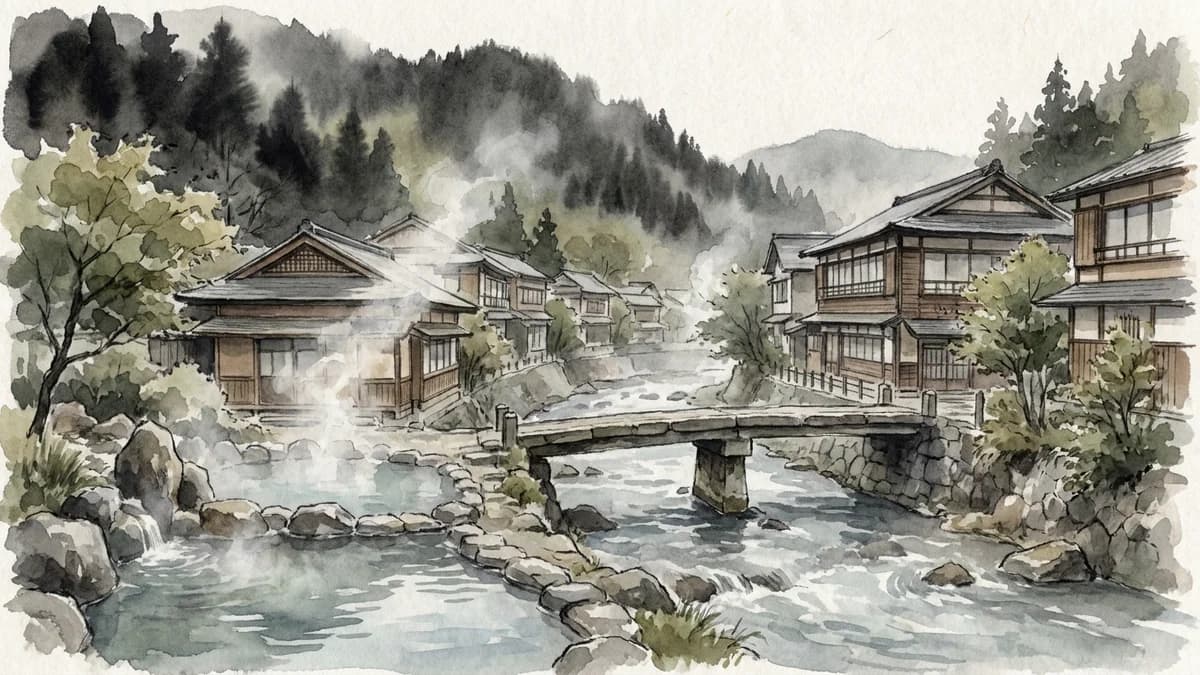
The history of Awara Onsen began in 1883 when an 80°C hot spring was accidentally discovered while digging a well for irrigation. Despite being a relatively new onsen town, its abundant, high-quality water quickly gained a reputation, attracting many artists and writers.
Often called the "inner parlor of Kansai," it is characterized by modern ryokans and hotels set against a tranquil rural backdrop. A remarkable feature is its 74 distinct spring sources, with each facility using its own. This means the feel and composition of the water can vary slightly from inn to inn, offering an "onsen sommelier"-like experience with new discoveries on every visit.
Typical Spring Qualities and Health Benefits
Most springs in Awara are colorless, transparent, and slightly salty "Sodium/Calcium-Chloride springs." This type of water is known as "Netsu-no-yu" (warming bath) because the salt content forms a coating on the skin, preventing body heat from escaping and keeping you warm long after your bath. This excellent heat retention may help relieve pain and improve circulation.
- CutsThe mineral components in the water, particularly the salt, are believed to have a cleansing effect that may support the body's natural healing process for minor abrasions. The thin film formed on the skin by chloride springs can also help protect the affected area.
- Peripheral circulatory disturbance
- Sensitivity to coldAwara's chloride springs are known as "waters of heat" for their excellent warming ability. The salt minerals coat the skin, preventing heat from escaping and helping you stay warm long after your bath, which may alleviate a chronic feeling of coldness.
- Dry skinThe salt components in the water create a fine mineral veil on the body's surface. This coating helps your skin retain moisture by preventing it from evaporating, which is said to be particularly helpful for dry skin, leaving it feeling hydrated.
- Rheumatoid arthritisThe sustained warming effect of the chloride spring is said to ease joint stiffness. The warmth penetrates deeply and promotes circulation, and chronic joint pain and stiffness are listed among the general indications for bathing.
Water Characteristics and Best Season to Visit
The source temperatures range widely from 33.5°C to 77.9°C, and each ryokan uses its expertise to adjust the water to the perfect bathing temperature. Many establishments feature free-flowing "gensen kakenagashi" baths that draw directly from the source, allowing you to fully enjoy the fresh spring water. The water is soft on the skin, making it suitable for all ages.
Thanks to the warming quality of the springs, a visit from autumn to winter is particularly pleasant. The best season is from early November to late March, when the king of winter delicacies, Echizen-gani (snow crab), is in season, allowing you to indulge in both hot springs and gourmet food.
Access
Nearby Sightseeing & Local Cuisine
- Tojinbo Cliffs (A national natural monument of dramatic cliffs)
- Eiheiji Temple (One of the head temples of the Soto Zen sect)
- Maruoka Castle (One of Japan's 12 original surviving castles)
- Fukui Prefectural Dinosaur Museum (One of the world's top three dinosaur museums)
- Echizen Matsushima Aquarium (An interactive and educational aquarium)
- Echizen-gani (The king of winter delicacies, snow crab)
- Sauce Katsudon (A local specialty of pork cutlet on rice with a savory sauce)
- Echizen Oroshi Soba (Buckwheat noodles served with grated daikon radish)
MORE WITH THE SAME SPRING TYPE
Loved the Chloride Spring of Awara Onsen? Try these too
Picked from onsen across Japan where you can enjoy the same Chloride Spring.



Q & A
Frequently Asked Questions
Tap any question to expand the answer
Can I narrow down to only inns with a hot-spring analysis in Awara Onsen?
Can I find tattoo-friendly inns with private baths or in-room open-air baths in Awara Onsen?
Onsen towns are often rural with patchy Wi-Fi and limited public transport. Sort out data, tours and a car before you go.
- Japan eSIMAiralo
- Japan eSIMYesim
- Tours, passes & transfersGetYourGuide
- Tours, passes & transfersKKday
- Car rentalDiscover Cars
Includes affiliate links
References
Famous Onsen Areas with Chloride Spring
Check access and tourist information on each onsen area column
Related Articles