What is a Chloride Spring?
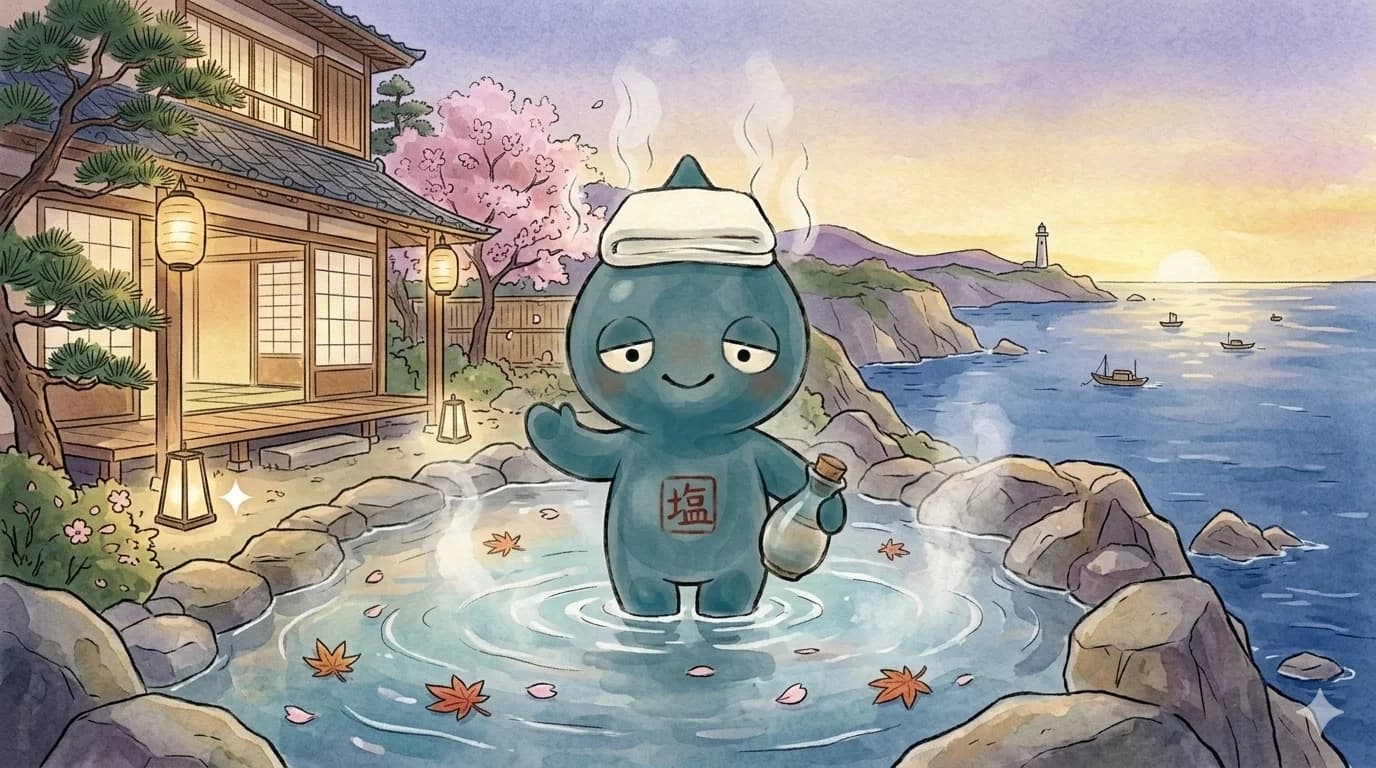
A chloride spring is an onsen whose dominant anion is the chloride ion (Cl⁻). Its composition resembles seawater, and you will find many along Japan’s coastlines.
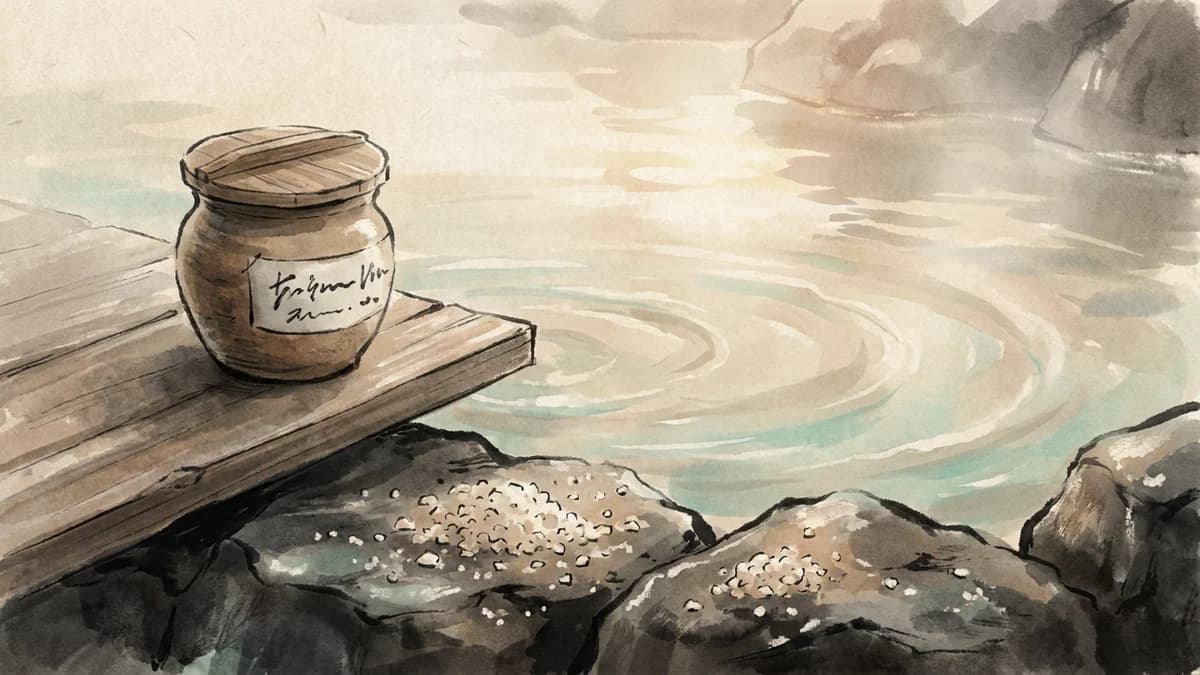
Salt content forms a protective barrier on the skin and prevents moisture and heat from escaping the body even after bathing. Because of this heat-retention quality, it has long been called "the hot-retaining waters" (熱の湯) in Japan.
Indications for Bathing
- Cuts and grazesThe sodium chloride in the water is said to have a mild sterilizing and astringent effect, and cuts are listed among the indications for chloride springs. For safety, you should wait until a scab has formed before bathing.
- Peripheral circulatory failureThe combination of the water's warmth and the insulating salt film can improve blood flow to the extremities. The salt layer helps retain body heat long after bathing, which may alleviate symptoms associated with poor circulation.
- Poor circulation (cold sensitivity)Often called "springs of warmth" (熱の湯), the salt film left on the skin prevents heat from escaping after you leave the bath. This provides a lasting warming effect that is especially beneficial for those who tend to feel cold easily.
- DepressionThe deep, lasting warmth and relaxing sensation from a chloride spring bath may help alleviate mild depressive states. This is one of the five general indications for this spring type according to Japan's Mineral Spring Analysis Method Guidelines.
- Xeroderma (dry skin)The salt components form a thin, protective film on the skin's surface. This film acts as a barrier, helping to lock in moisture and prevent the skin from drying out after bathing, and dry skin is listed among the indications for chloride springs.
Indications for Drinking
Where the operator has obtained drinking permission, the official drinking indications are:
- Atrophic gastritisWhen consumed, chloride spring water is thought to stimulate the secretion of gastric acid. This may help improve digestive function in cases of atrophic gastritis, a condition often associated with low stomach acid production.
- ConstipationThe salt content in the spring water is said to stimulate the intestines, and constipation is listed among the indications for drinking chloride springs.
How to Bathe in a Chloride Spring
- Hydrate before and after bathing — you sweat more in this type of spring.Chloride springs are nicknamed "waters of warmth" (熱の湯) for their excellent heat retention. The salt film that forms on your skin prevents heat from escaping, which can cause you to sweat more than usual. Staying hydrated helps counteract the fluid loss from this powerful warming effect.
- Limit each soak to 10–15 minutes; 2–3 short baths beat one long bath.Due to their strong heating properties, a long, continuous soak in a chloride spring can be overly taxing on the body. Taking several shorter dips allows you to enjoy the therapeutic warmth and mineral benefits without putting excessive strain on your circulatory system.
- Pat the skin dry without rinsing to keep the moisturizing minerals on your body.The key benefit of a chloride spring is the thin salt veil (皮膜) it leaves on your skin. This film locks in both heat and moisture, which is why these springs are recommended for dry skin (皮膚乾燥症). Forgoing a final rinse preserves this natural, moisturizing layer.
Recommended Onsen Sequence
Bathe in a bicarbonate spring first to remove old keratin, then move to a chloride spring to seal in moisture. This pair is the classic "beauty-skin onsen tour" recommended by Japan’s Ministry of the Environment multilingual manual.
Related Onsen Facilities





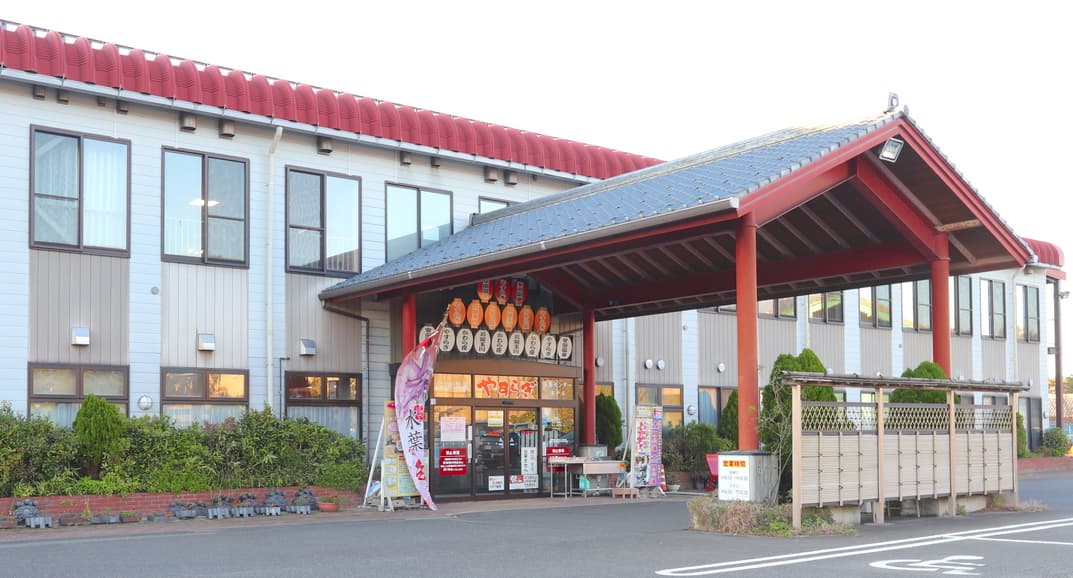




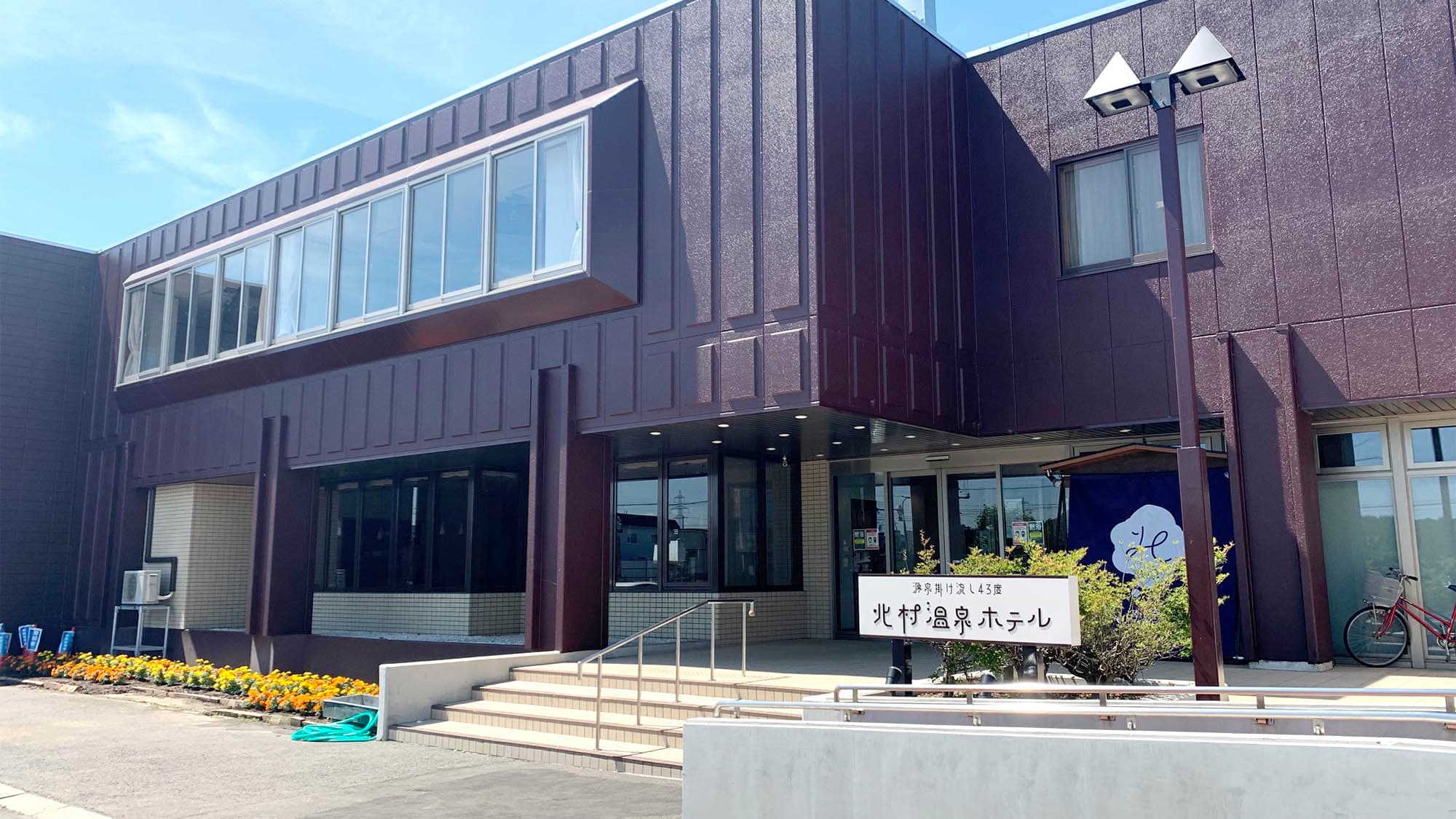








Choose a ryokan by how you bathe
Onsen towns are often rural with patchy Wi-Fi and limited public transport. Sort out data, tours and a car before you go.
- Japan eSIMAiralo
- Japan eSIMYesim
- Tours, passes & transfersGetYourGuide
- Tours, passes & transfersKKday
- Car rentalDiscover Cars
Includes affiliate links
References
Famous Onsen Areas with Chloride Spring
Check access and tourist information on each onsen area column
Related Articles