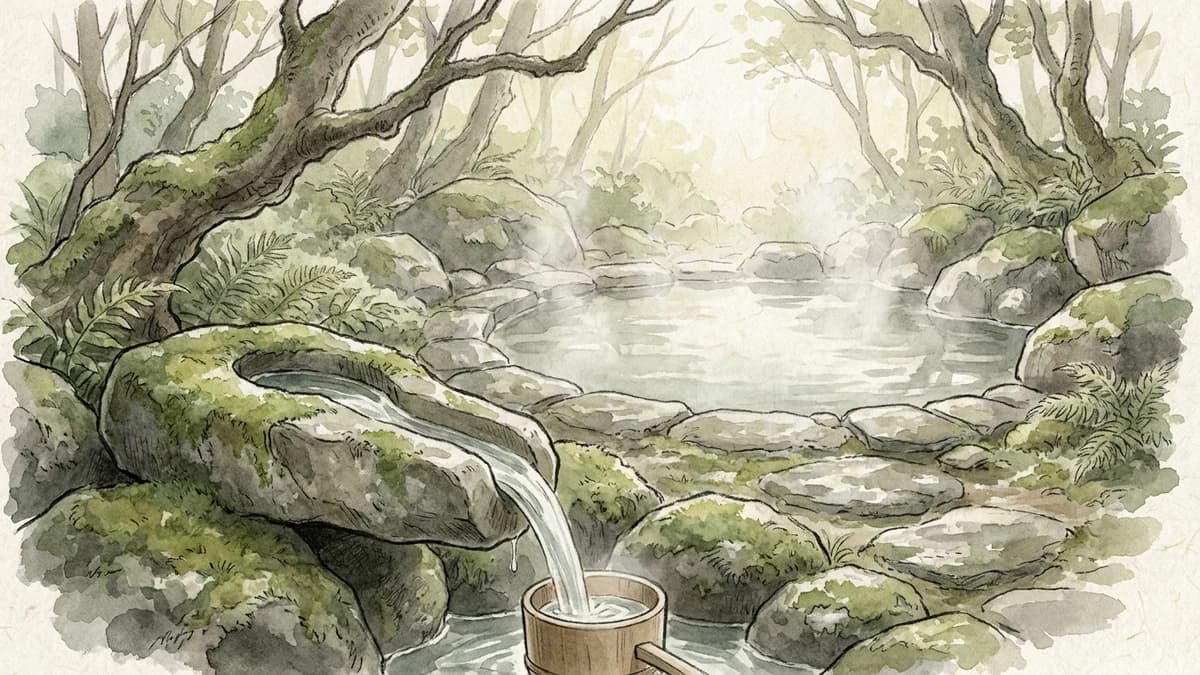

What is a Sulphate Spring?
A sulphate spring has sulphate ions (SO₄²⁻) as its dominant anion. Three subtypes exist based on the dominant cation: sodium sulphate spring (芒硝泉), calcium sulphate spring (石膏泉), and magnesium sulphate spring (正苦味泉). All share the same bathing indications.
Sulphate springs carry moisture to the skin and form a protective barrier, delivering excellent heat-retention and hydration. Their traditional reputation for calming inflammation and healing wounds has earned them the name "the healing waters" (傷の湯).
Indications for Bathing
- CutsCuts are listed among the indications for sulfate springs, which is why they have been historically known as "the springs for wounds" (傷の湯).
- Peripheral circulatory failureSulfate ions are reported to help strengthen blood vessel walls, improving their elasticity. Combined with the thermal effects of bathing, this may help improve blood flow, particularly in the body's extremities.
- Excessive sensitivity to coldThe spring water forms a moisturizing film on the skin that provides excellent heat retention. This helps sustain the warmth from bathing, and sensitivity to cold is listed among the indications for these springs.
- DepressionBathing in these springs is recognized as a general indication for depressive states under Japan's official Mineral Spring Analysis Guidelines. The relaxing and warming effects of onsen bathing may contribute to an improved sense of well-being.
- Xeroderma (dry skin)The spring water helps deliver moisture to the skin and forms a protective film on its surface. This provides a significant moisturizing effect, leaving the skin feeling hydrated and supple, and dry skin is listed among the indications for these springs.
Indications for Drinking
- Biliary dysfunctionDrinking this water is believed to promote the secretion and flow of bile. This action may help improve the function of the gallbladder and biliary tract, which are essential for digestion.
- Dyslipidemia (high cholesterol)Drinking this spring water is said to stimulate bile flow, and high cholesterol is listed among the indications for drinking sulfate springs.
- ConstipationThe mineral salts in the water, particularly magnesium and sodium sulfate, are said to have a laxative effect, and constipation is listed among the indications for drinking these springs.
How to Bathe in a Sulphate Spring
- Soak slowly for 15–20 minutes to extend the heat-retention effect.A longer soak allows the spring's heat to promote vasodilation while sulfate ions form a heat-retaining film on your skin. This combination helps you stay warm long after bathing, and sensitivity to cold is listed among the indications for these springs.
- Pat dry without rinsing to preserve the moisturizing minerals on your skin.Sulfate springs form a moisturizing film on the skin, which is why they are indicated for dryness. Rinsing with fresh water would wash away these beneficial components. Gently patting your skin dry allows this mineral-rich layer to remain, maximizing its moisture-retaining effects.
- In traditional balneotherapy for cuts and bruises, the affected area was soaked 2–3 times a day.
Related Onsen Facilities

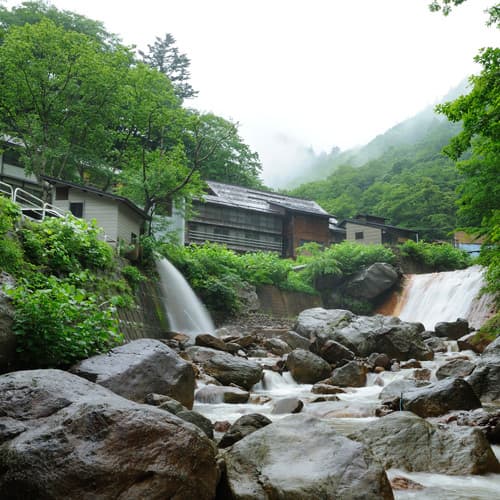

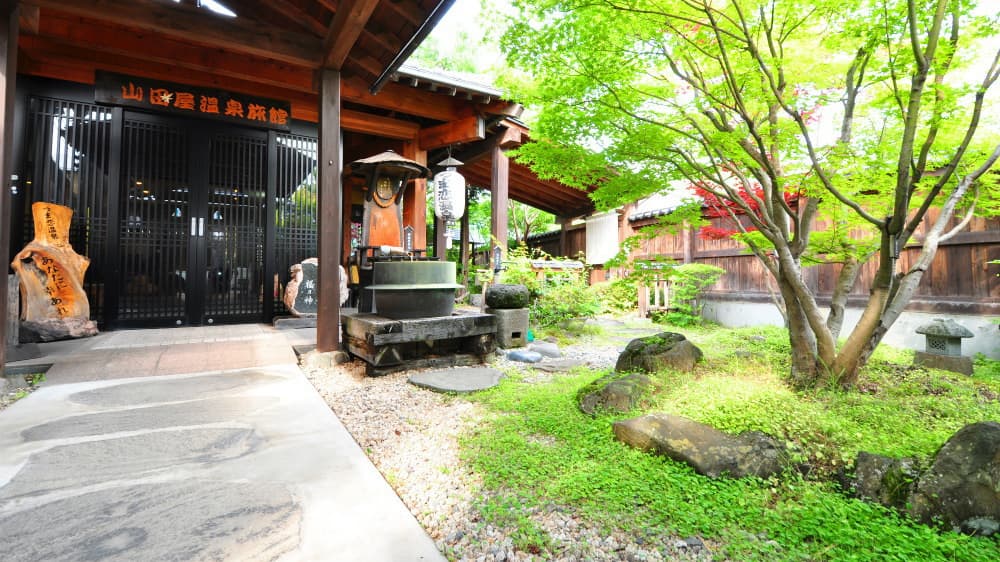


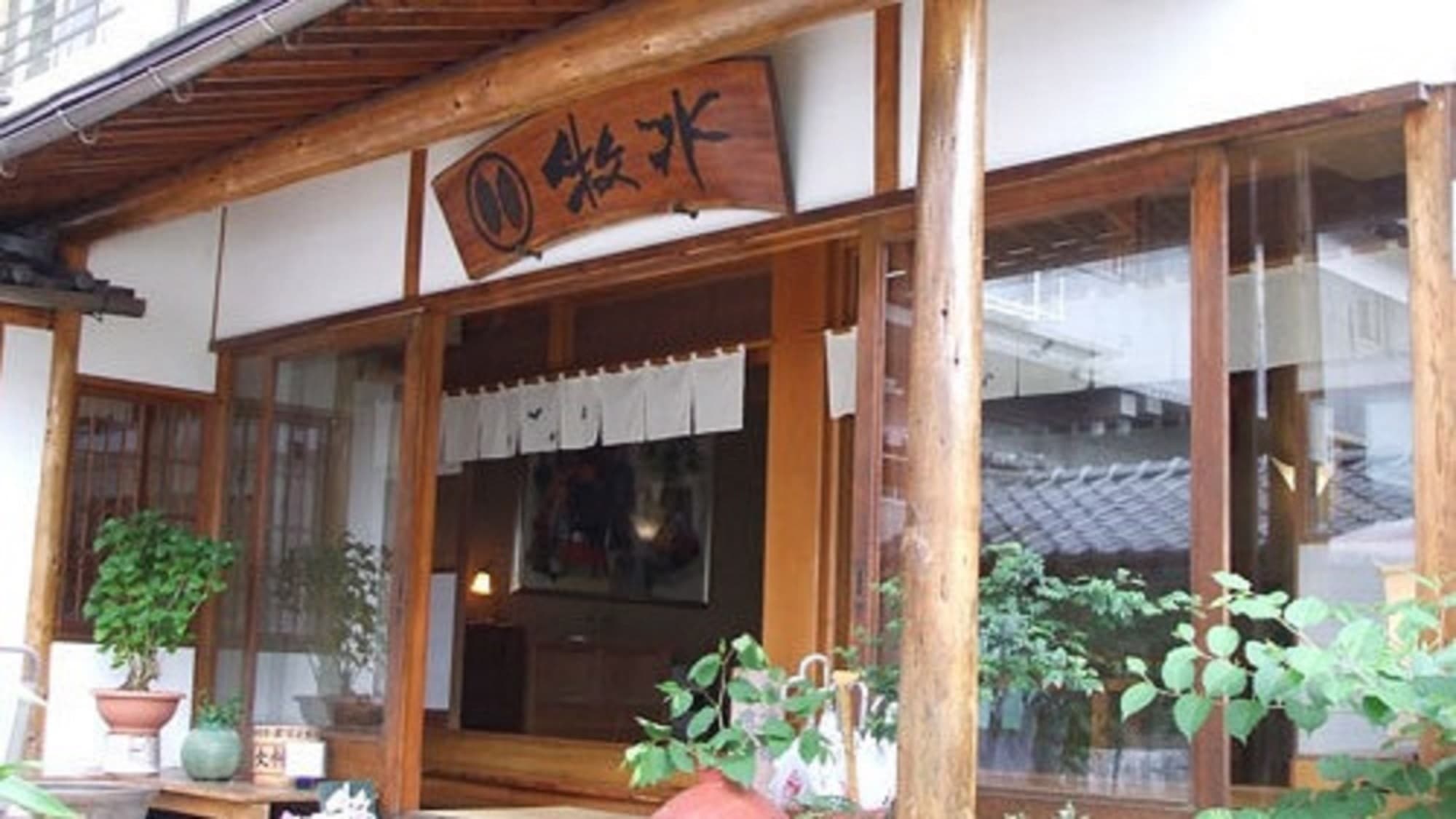





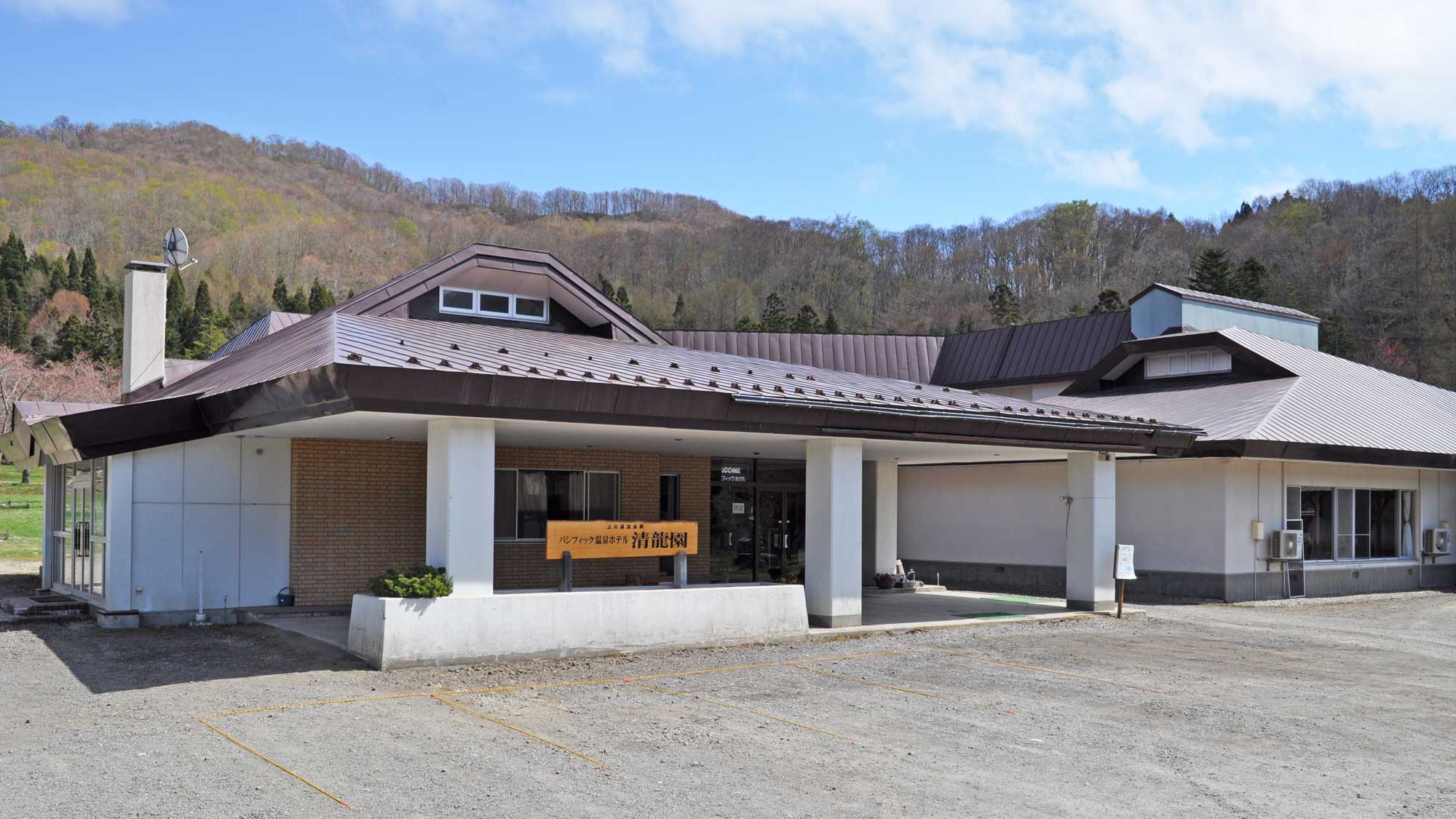

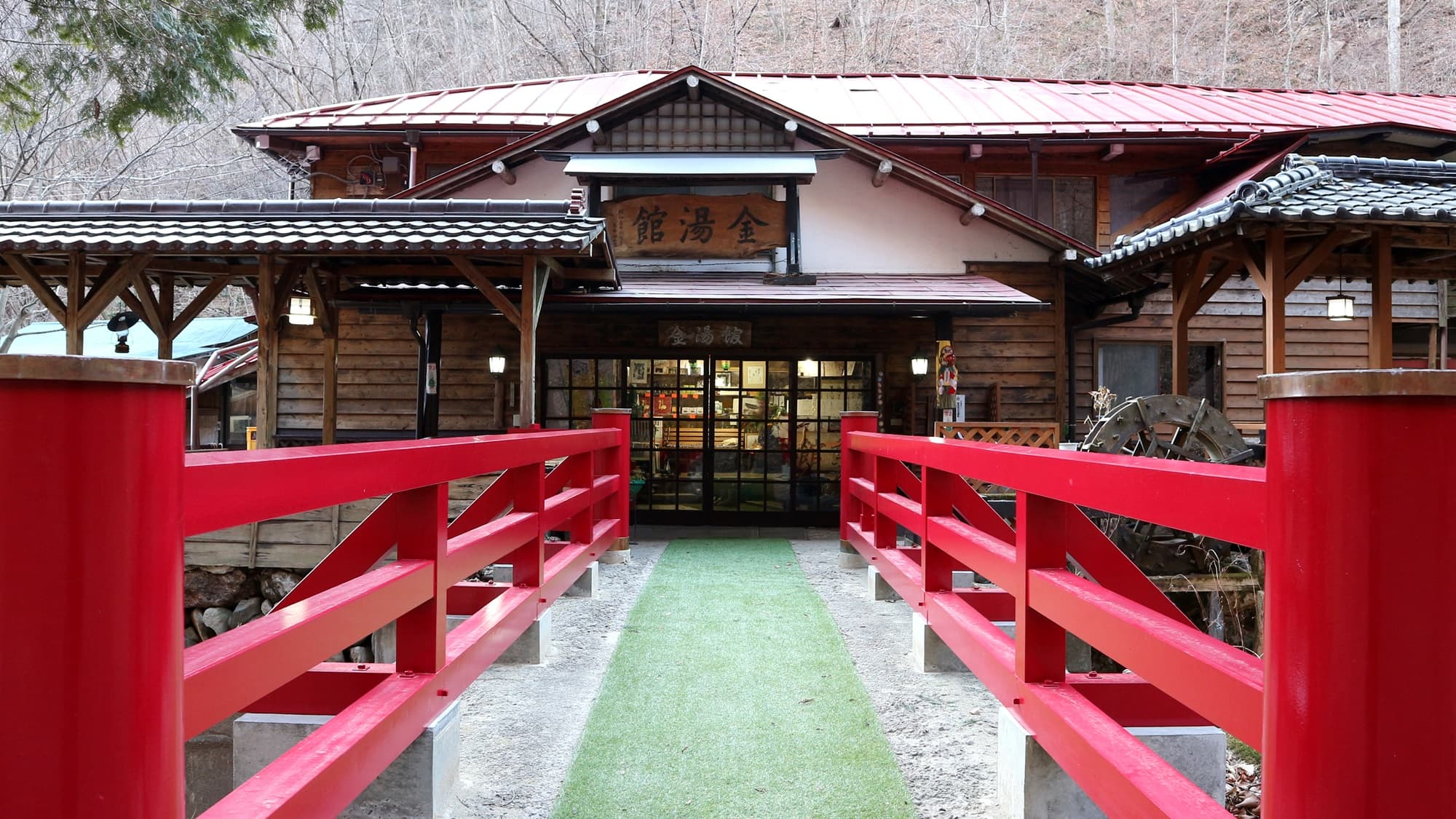
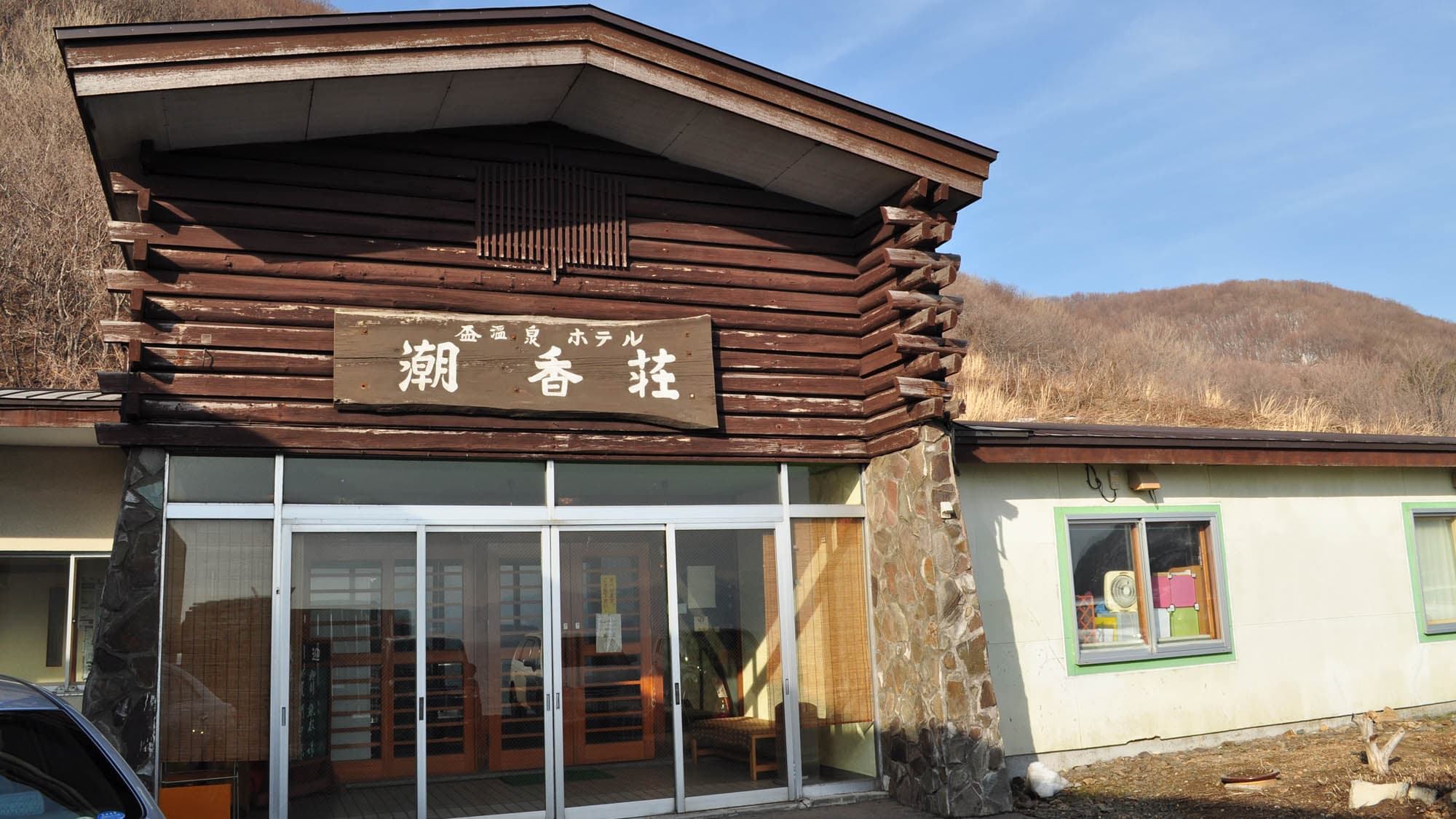

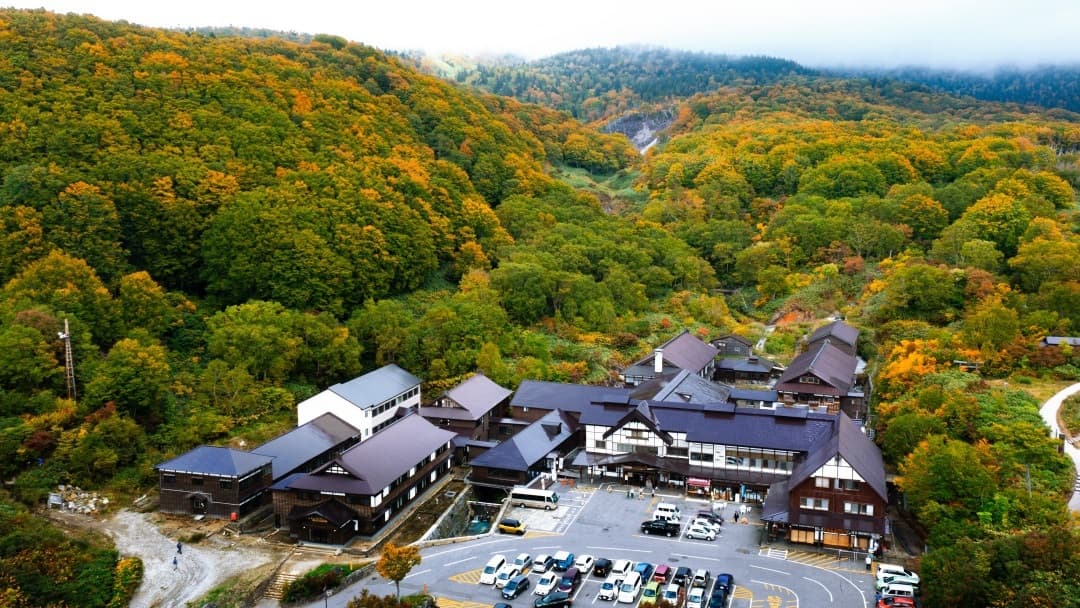


Choose a ryokan by how you bathe
Onsen towns are often rural with patchy Wi-Fi and limited public transport. Sort out data, tours and a car before you go.
- Japan eSIMAiralo
- Japan eSIMYesim
- Tours, passes & transfersGetYourGuide
- Tours, passes & transfersKKday
- Car rentalDiscover Cars
Includes affiliate links
References
Famous Onsen Areas with Sulphate Spring
Check access and tourist information on each onsen area column
Related Articles