
What is a Simple Spring?
A simple spring contains less than 1,000 mg of dissolved components per kilogram of spring water, at a source temperature of 25°C or above. The name "simple" does not mean weak — it means no single component dominates, creating a well-balanced, gentle spring.
Alkaline simple springs with pH 8.5 or above soften the skin's stratum corneum, leaving you with silky-smooth skin after bathing — one reason they are so popular with beauty-conscious bathers.
Indications for Bathing
- Autonomic instabilitySoaking in lukewarm water may help activate the parasympathetic nervous system, promoting a state of rest. The low stimulus of simple onsen is particularly suited for this gentle transition, and autonomic imbalance is listed among their indications.
- InsomniaBathing in lukewarm water (38–40°C) about 1–2 hours before bed temporarily raises your core body temperature. As your body gradually cools down afterwards, it can help signal the onset of sleep, potentially aiding those with difficulty falling asleep.
- DepressionAs a low-stimulus spring type, simple onsen are indicated for mild depressive states. The fundamental physical effects of bathing—warmth, buoyancy, and water pressure—are thought to have a gentle, calming influence on both the nervous system and one's psychological state.
How to Bathe in a Simple Spring
- Mild stimulation means you can soak for up to 20 minutes. Half-body bathing (seated in shallow water) reduces strain on the heart.Simple springs are defined by their balanced, low mineral content, making them exceptionally gentle on the body. This low stimulation allows for a longer soak without over-exciting the nervous system. Half-body bathing is a recommended technique to lessen the hydrostatic pressure on your heart and lungs, promoting deep relaxation.
- Alkaline simple springs strip oils easily — apply moisturizer after bathing if your skin feels dry.The celebrated “smoothing” effect of alkaline springs is said to come from their ability to soften old keratin on the skin's surface. This same process can also strip away your skin's natural protective oils, so it is important to moisturize afterward to prevent dryness and maintain a healthy skin barrier.
- Insomnia is one of the official indications — a lukewarm soak 1–2 hours before bed is the traditional approach.
Recommended Onsen Sequence
Start with a simple spring → move to a bicarbonate spring → finish with a sulphate or chloride spring. This sequence is introduced as a gentle way to cleanse and then moisturize the skin (Japan Ministry of the Environment multilingual manual).
Related Onsen Facilities


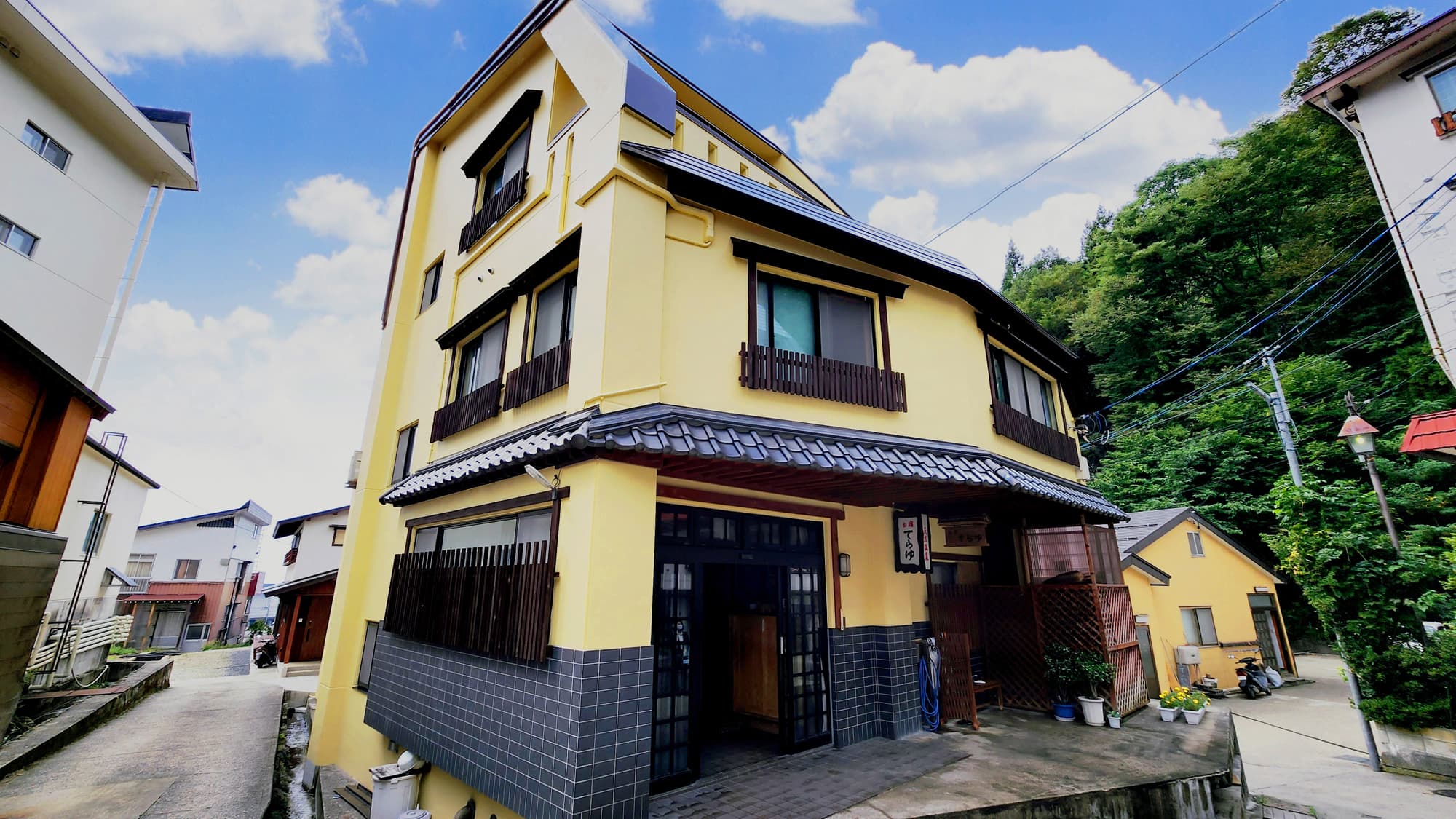


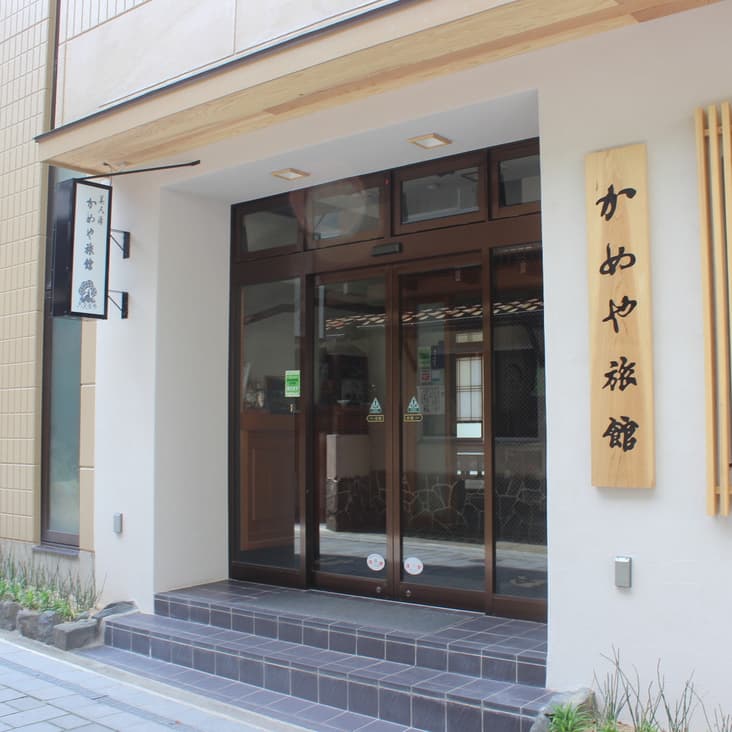


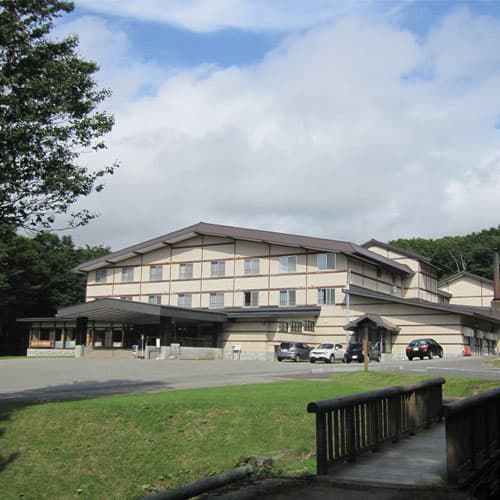




Choose a ryokan by how you bathe
Onsen towns are often rural with patchy Wi-Fi and limited public transport. Sort out data, tours and a car before you go.
- Japan eSIMAiralo
- Japan eSIMYesim
- Tours, passes & transfersGetYourGuide
- Tours, passes & transfersKKday
- Car rentalDiscover Cars
Includes affiliate links
References
Famous Onsen Areas with Simple Spring
Check access and tourist information on each onsen area column
Related Articles