Kannawa Onsen is known for its Chloride Spring; listed indications for this spring type include Skin Beauty, Wound Healing. Choose from 6 inns with a hot-spring analysis on file, filtering by spring type, benefits and amenities, and book directly.
See inns in Kannawa OnsenOn this page you can filter Kannawa Onsen inns by spring type, benefits, tattoo-friendly, private bath and in-room open-air bath, and book on each property's Agoda or Rakuten page.
Compare & book inns in Kannawa Onsen


Awaiting analysis(27)
Overview
Located in Beppu City, Oita Prefecture, Kannawa Onsen is the centerpiece of the Beppu Onsen region, one of Japan's most famous hot spring resorts. Its history dates back to the Kamakura period (1185-1333) when the priest Ippen Shonin is said to have developed the area into a therapeutic bathing (Touji) resort. Since then, it has flourished as a town with a rich spa culture.
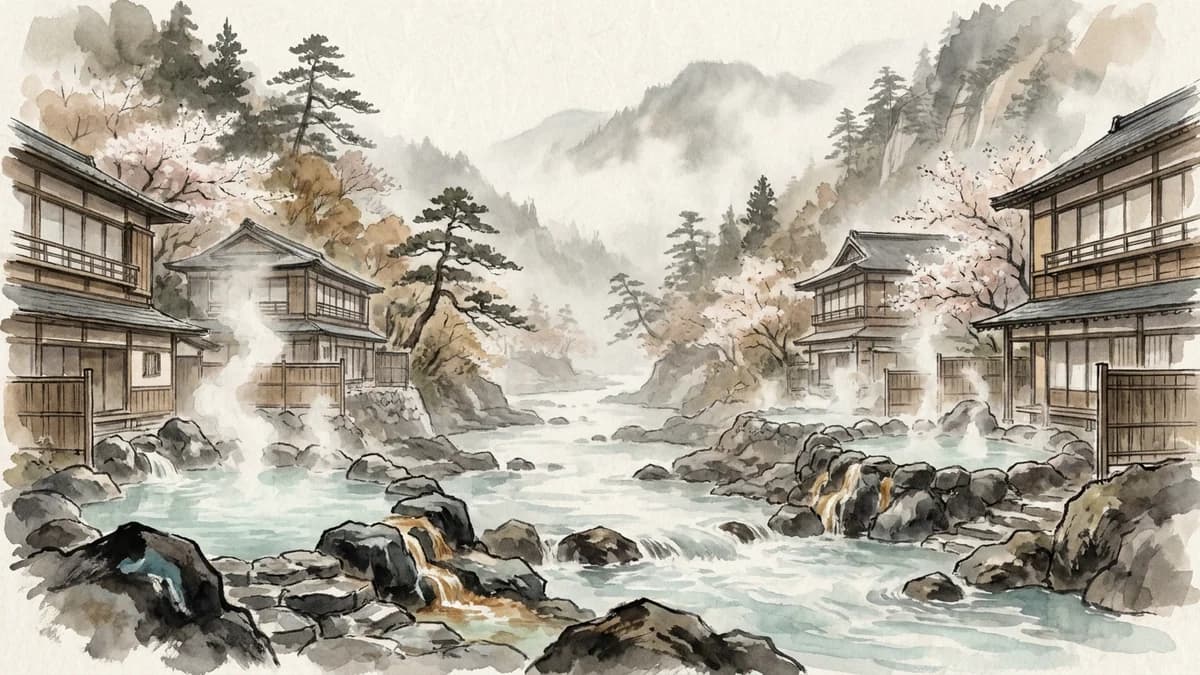
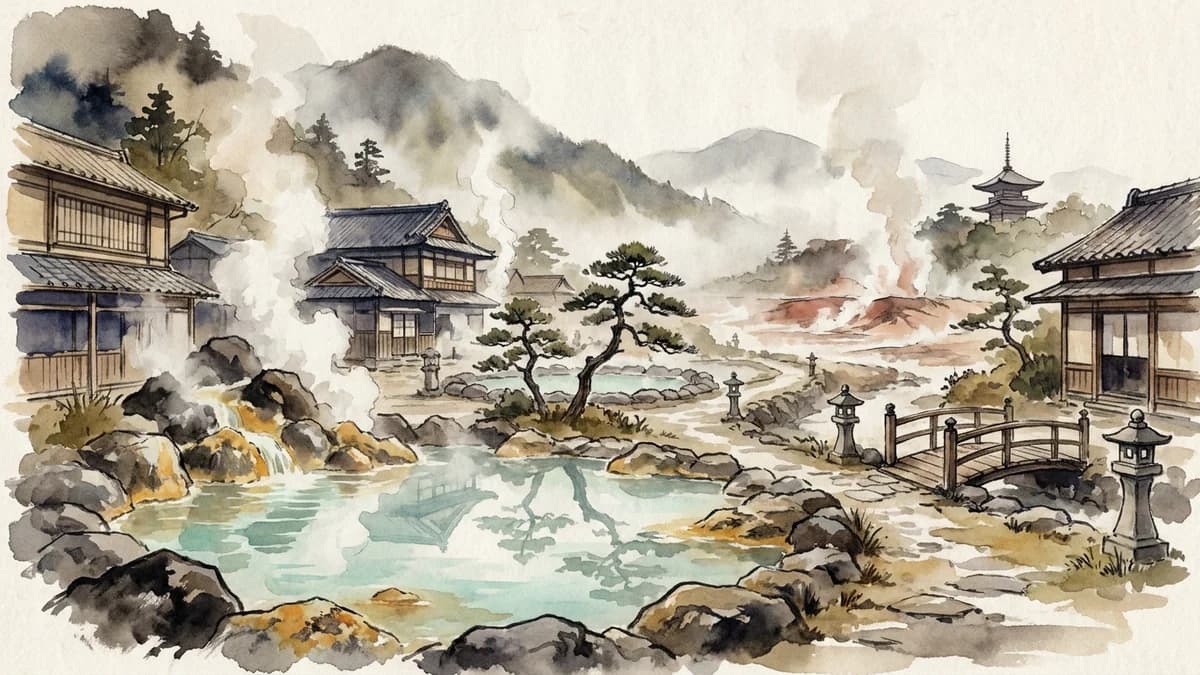
The most defining feature of Kannawa is the 'yukemuri'—clouds of steam rising from vents all over town. This scenery, known as the 'Beppu Yukemuri and Onsen Landscape,' is designated as a National Important Cultural Landscape. The view from the Yukemuri Observatory is particularly breathtaking. This steam is also used in a traditional cooking method called 'Jigoku Mushi' (hell-steaming), allowing visitors to savor the blessings of the onsen with all five senses.
Signature Spring Types & Benefits
Kannawa boasts a variety of spring types, but chloride springs are especially common. The salt content coats the skin, preventing moisture from evaporating after bathing. This excellent heat retention has earned them the name 'Netsu no Yu' (waters of heat). The area also has acidic springs with potential sterilizing effects, making it a great place for onsen-hopping.
- Poor circulationKannawa's prevalent chloride springs are known as "waters of heat." The salt components adhere to the skin, creating a film that helps retain body heat and improve blood flow long after bathing, which may alleviate circulatory issues.
- CutsThe area's common chloride springs list cuts among their indications. The water's excellent heat retention also improves blood flow and keeps the body feeling warm after bathing.
- Dry skinThe mineral-rich water, particularly from the chloride springs, forms a thin film on the skin's surface. This coating helps the skin retain its natural moisture, and dry skin is listed among the indications for chloride springs.
- Atopic dermatitisBathing in the local springs may help soothe the skin. The salt film left after bathing can assist with moisture retention, while the improved circulation from the water's warmth may help ease symptoms associated with this condition.
- Peripheral circulation disorder
Water Characteristics & Best Season
Even within Beppu, which has one of the highest outputs of hot spring water in Japan, the Kannawa area has a high concentration of sources. Many facilities offer 'gensen kakenagashi'—fresh, free-flowing spring water. The water temperature is often high at the source but is adjusted at each facility. While enjoyable year-round, the steam landscape is most magical during early mornings and evenings in winter when the air is cold.
Access
Nearby Attractions & Local Cuisine
- Beppu Hell Tour (Jigoku Meguri): A tour of unique hot spring sources like Umi Jigoku (Sea Hell) and Chinoike Jigoku (Blood Pond Hell).
- Jigoku Mushi Kobo Kannawa: Experience cooking with natural geothermal steam.
- Yukemuri Observatory: A panoramic view of the steam rising over Kannawa.
- Hyotan Onsen: Enjoy various baths, including a famous sand bath.
- Beppu's famous 'Toriten' (chicken tempura).
- Refreshing 'Beppu Reimen' (cold noodles).
- 'Jigoku Mushi Pudding' (steam-cooked custard pudding) from Okamoto-ya shop.
MORE WITH THE SAME SPRING TYPE
Loved the Chloride Spring of Kannawa Onsen? Try these too
Picked from onsen across Japan where you can enjoy the same Chloride Spring.



Q & A
Frequently Asked Questions
Tap any question to expand the answer
Can I narrow down to only inns with a hot-spring analysis in Kannawa Onsen?
Can I find tattoo-friendly inns with private baths or in-room open-air baths in Kannawa Onsen?
Onsen towns are often rural with patchy Wi-Fi and limited public transport. Sort out data, tours and a car before you go.
- Japan eSIMAiralo
- Japan eSIMYesim
- Tours, passes & transfersGetYourGuide
- Tours, passes & transfersKKday
- Car rentalDiscover Cars
Includes affiliate links
References
Famous Onsen Areas with Chloride Spring
Check access and tourist information on each onsen area column
Related Articles