
What is an Acidic Spring?
An acidic spring contains hydrogen ions (H⁺) at 1 mg per kilogram of spring water, creating strongly acidic water at roughly pH 2–3 — similar to lemon juice or vinegar. Most are found near volcanic areas; Kusatsu Onsen (Gunma) and Tamagawa Onsen (Akita) are the most famous examples.
The water has very strong antibacterial power; bathing may cause a tingling sensation on the skin, and the water tastes sour. They have traditionally been used as balneotherapy destinations for skin conditions and athlete's foot.
Indications for Bathing
- Atopic dermatitisThe spring's strong acidity, with a pH of 2–3, is said to have a bactericidal effect, and this condition is listed among the indications for acidic springs. Bathing should be avoided during acute flare-ups and started with short durations during remission, always after consulting a dermatologist.
- Plaque psoriasisAcidic water is thought to have strong disinfectant properties, and psoriasis is listed among the indications for acidic springs.
- Epidermoid suppurationThe highly acidic nature of the water is said to have a strong bactericidal effect, and this condition is listed among the indications for acidic springs.
- Impaired glucose tolerance (diabetes)This is one of the four official indications for bathing in acidic springs, as designated by Japan's Mineral Spring Analysis Method Guidelines. The strong acidity is believed to provide various therapeutic benefits.
How to Bathe in an Acidic Spring
- First-timers: start with 3–5 minutes and monitor your skin before extending the soak.Acidic springs are highly stimulating and can cause a stinging sensation due to their low pH. Their strong properties can be intense for first-timers or those with sensitive skin. Starting with a brief soak allows your skin to acclimate and helps you monitor for excessive irritation.
- After bathing, rinse lightly with fresh water — residual acid can be overly irritating.While the spring's acidity is said to have a potent sterilizing effect during your bath, leaving it on your skin can lead to irritation or dryness. A light rinse with fresh water helps neutralize any residual acid, protecting your skin from over-stimulation and ensuring a comfortable post-bath experience.
- Shampoo and face wash in a separate bathroom — they react with the acidic water.The onsen's water is strongly acidic, while soaps and shampoos are typically alkaline. Mixing them causes a chemical reaction that neutralizes the soap, preventing it from lathering and reducing its cleansing ability. For effective washing, always use the separate, fresh-water showers provided.
Related Onsen Facilities


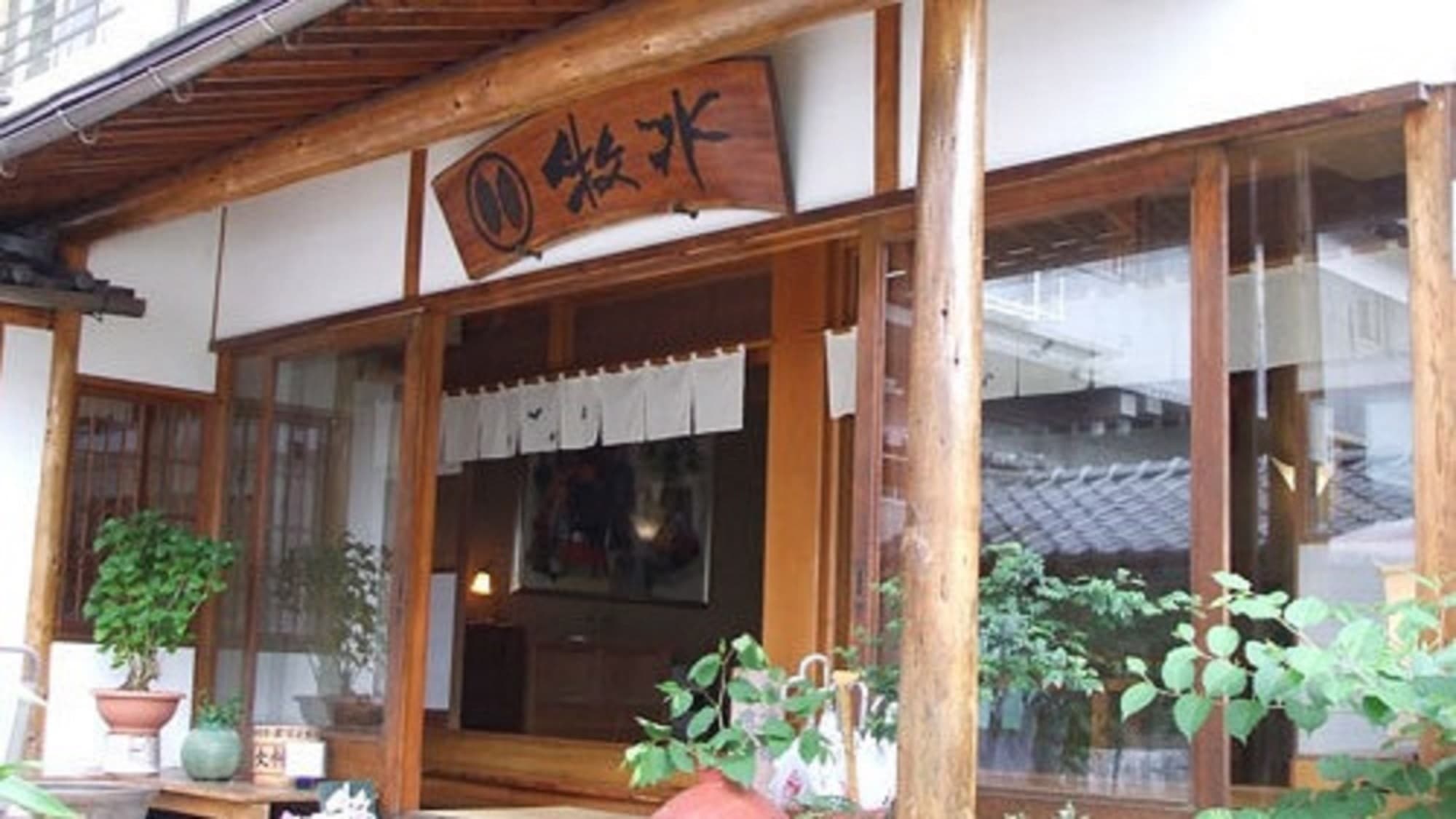


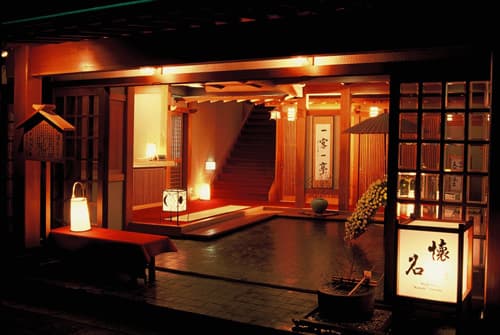



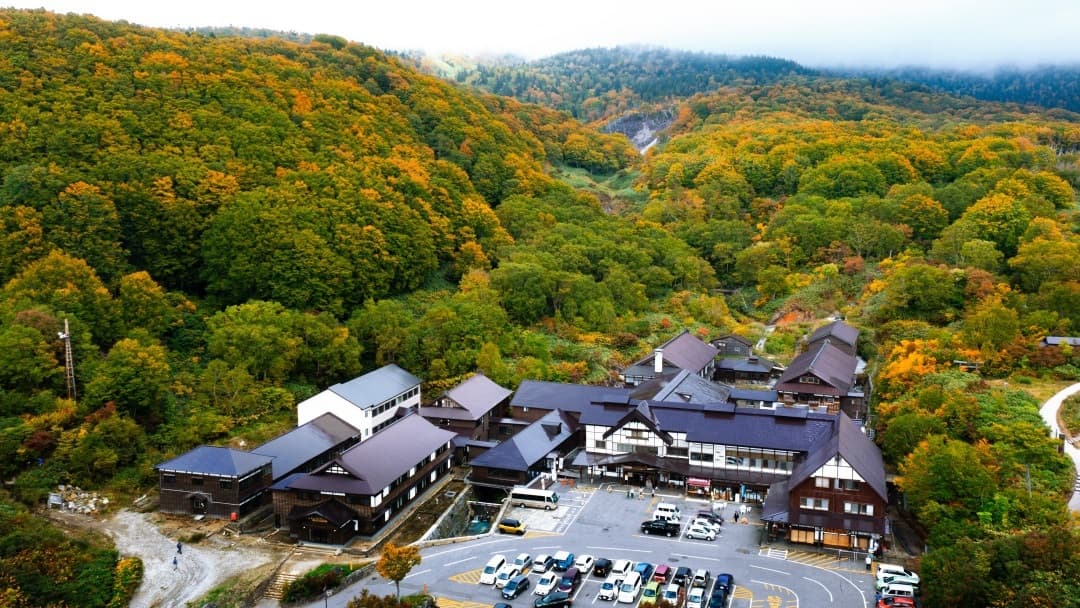

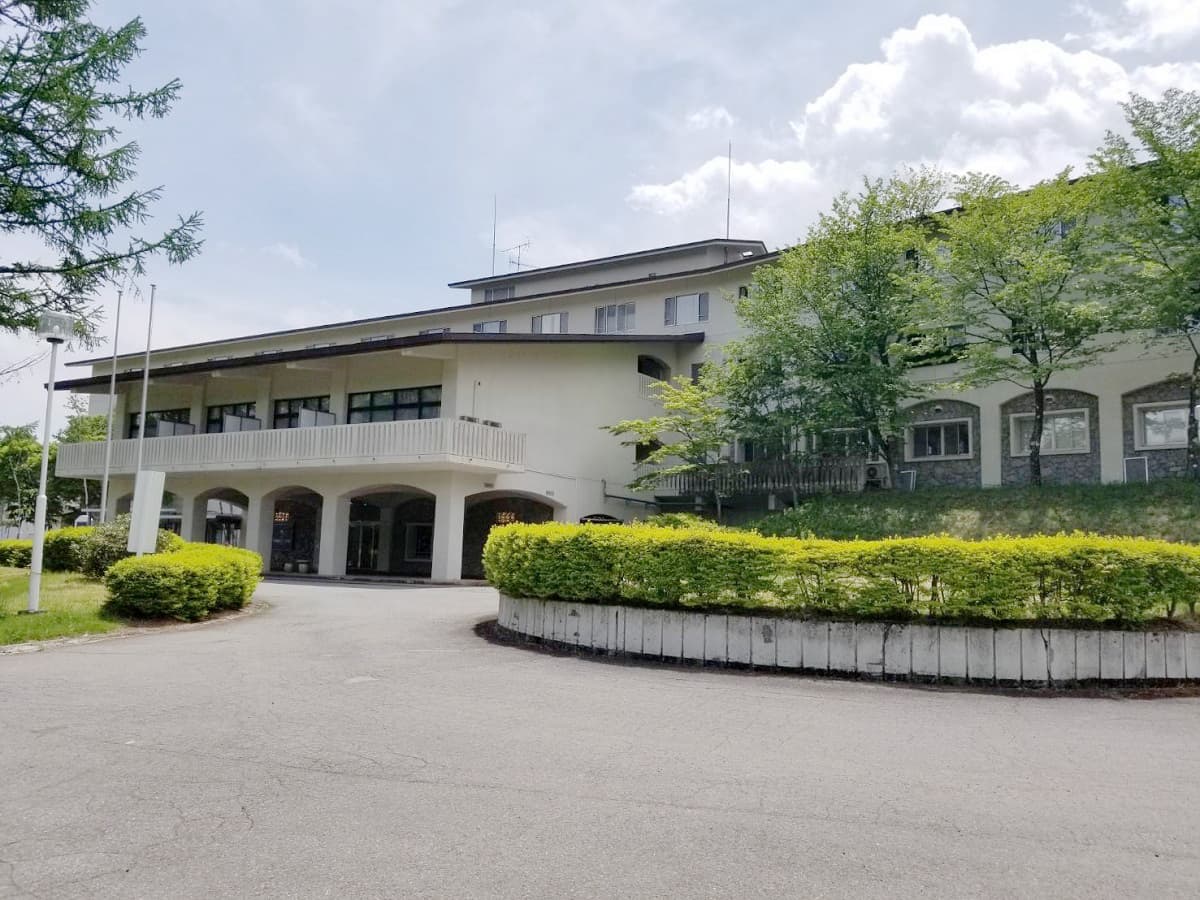


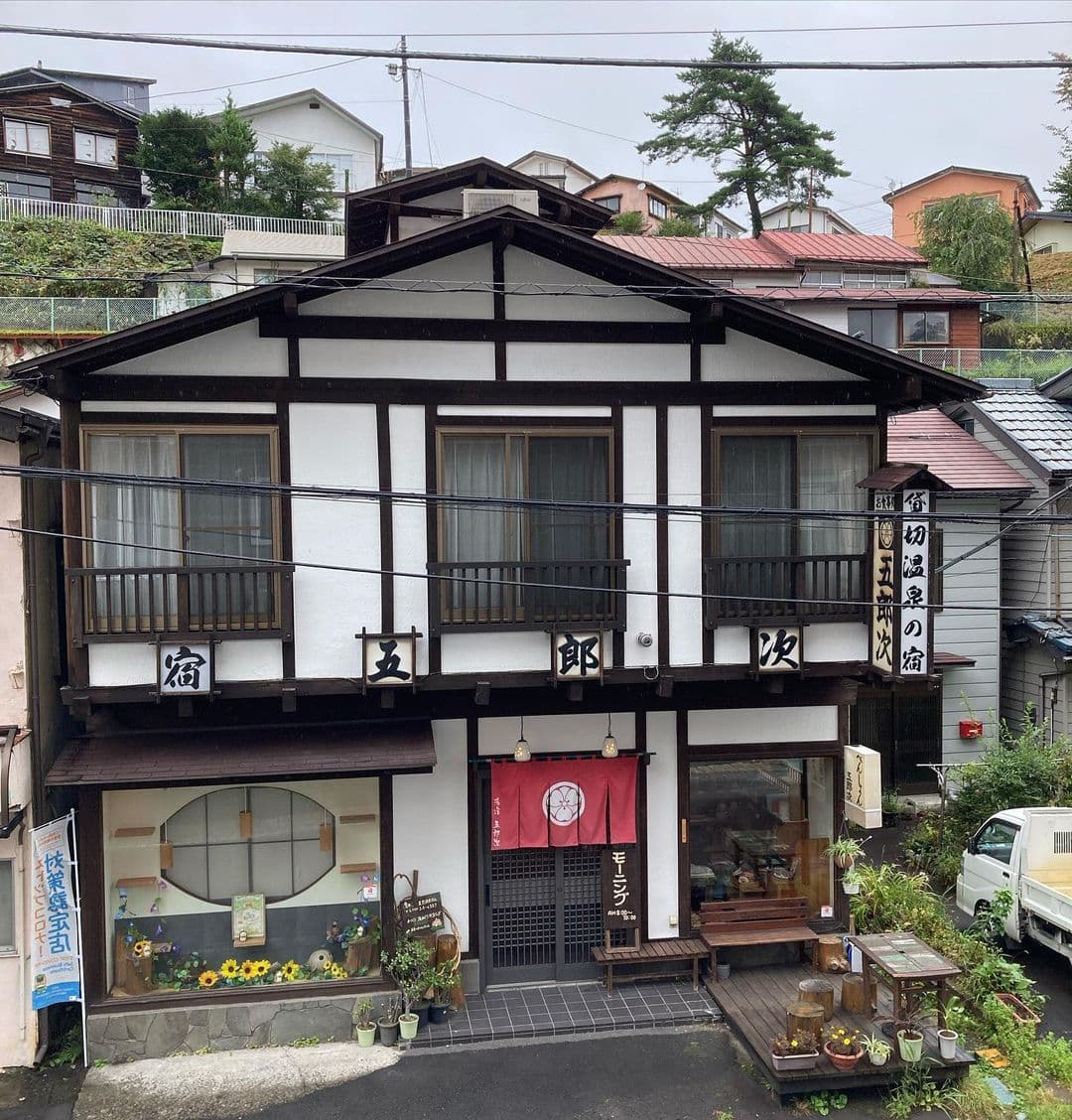


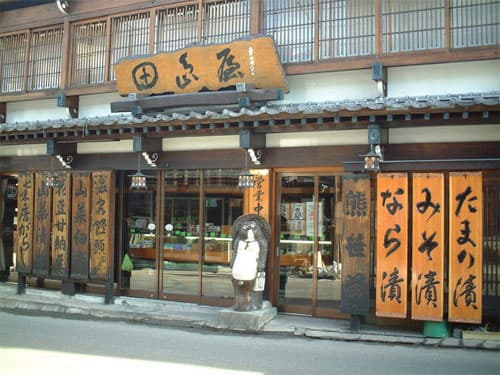



Choose a ryokan by how you bathe
Onsen towns are often rural with patchy Wi-Fi and limited public transport. Sort out data, tours and a car before you go.
- Japan eSIMAiralo
- Japan eSIMYesim
- Tours, passes & transfersGetYourGuide
- Tours, passes & transfersKKday
- Car rentalDiscover Cars
Includes affiliate links
References
Famous Onsen Areas with Acidic Spring
Check access and tourist information on each onsen area column
Related Articles