What is a Bicarbonate Spring?
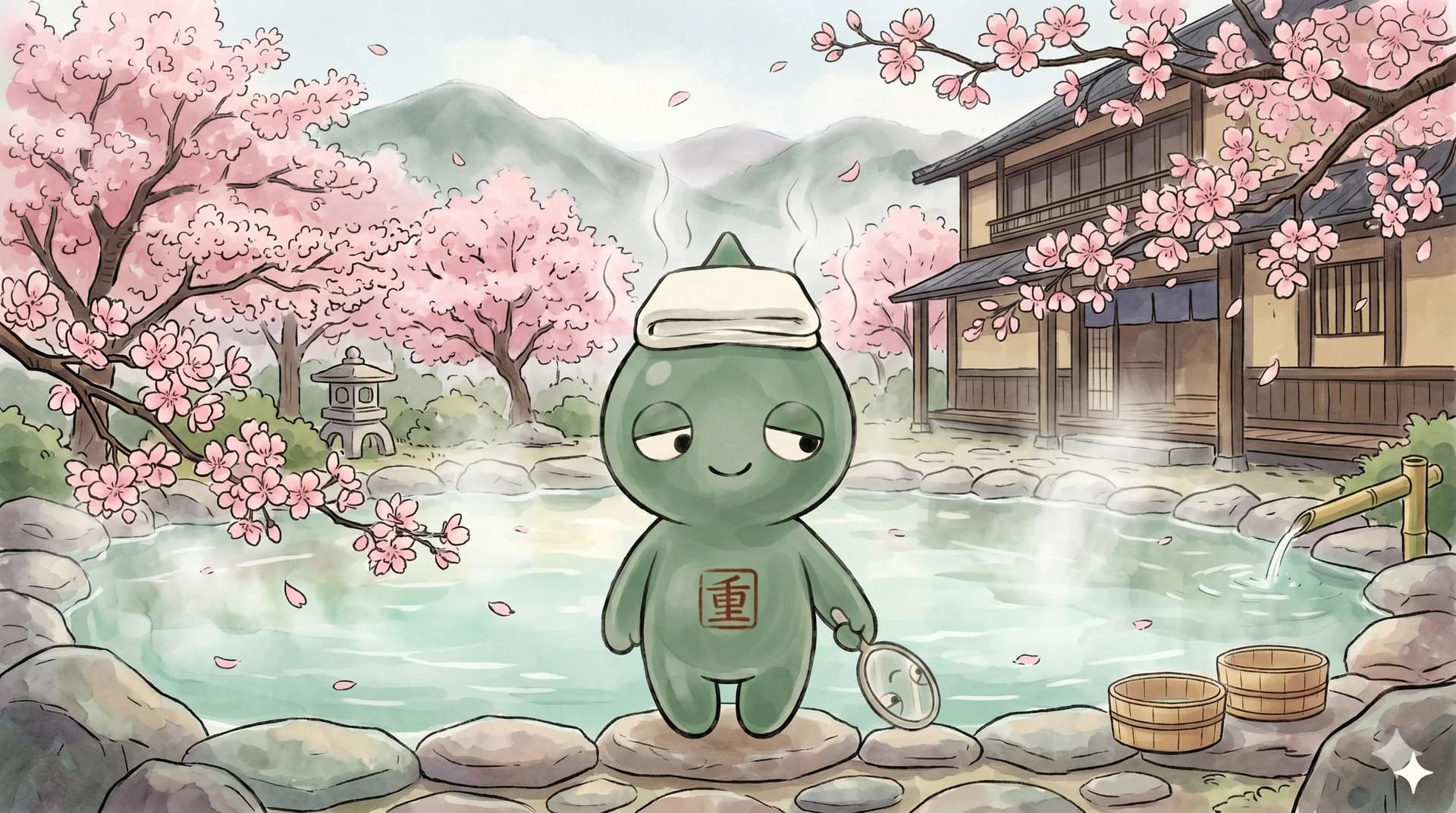
A bicarbonate spring has hydrogen carbonate ions (HCO₃⁻) as its dominant anion — the same compound as household baking soda, earning it the nickname "baking-soda spring" (重曹泉).
When you bathe, the bicarbonate softens the stratum corneum and washes away dead skin cells and sebum like a gentle soap, leaving your skin noticeably smoother. This skin-refining quality has earned it the title "the beauty waters" (美人の湯) across Japan.
Indications for Bathing
- CutsThe weak alkalinity of bicarbonate springs is said to have a gentle cleansing action on the skin's surface, and cuts are listed among the indications for these springs.
- Peripheral circulatory failureThis condition is listed among the indications for bathing under Japan's official spring quality guidelines. The thermal effects of the bath can help promote blood flow, particularly to the body's extremities.
- Excessive sensitivity to coldAs with other hot springs, the simple act of soaking in warm water raises the body's core temperature and improves circulation. This can provide temporary relief and a lasting feeling of warmth for those who are often cold.
- Xeroderma (dry skin)The bicarbonate ions in the water are said to act as a natural soap, gently softening the skin's surface. This leaves the skin feeling smooth and moisturized, which is why these springs are often called "waters of beauty".
Indications for Drinking
- Gastroduodenal ulcerationsDrinking these waters may help neutralize excess stomach acid. The bicarbonate acts as a natural antacid, which can help protect the mucous membranes of the stomach and duodenum from irritation.
- Reflux esophagitisThe bicarbonate content is said to neutralize stomach acid, and reflux oesophagitis is listed among the indications for drinking this spring water.
- Impaired glucose tolerance (diabetes)Impaired glucose tolerance (diabetes) is listed among the indications for drinking this spring water.
- Hyperuricemia (gout)Hyperuricaemia (gout) is listed among the indications for drinking bicarbonate spring water.
How to Bathe in a Bicarbonate Spring
- Bicarbonate strips oils efficiently, so moisturize after bathing if your skin feels dry.Bicarbonate springs are said to have a soap-like effect on excess sebum and old skin cells. While this cleansing action is what leaves the skin feeling smooth, it can also strip natural oils. If your skin feels tight or dry after bathing, be sure to apply a moisturizer.
- Pat skin dry without rinsing to keep the beneficial components on your body.The beneficial components of the onsen water, primarily bicarbonate ions, provide a gentle cleansing and skin-softening effect. Rinsing with fresh tap water after your bath would wash these minerals away. Gently patting your skin dry allows these components to remain, prolonging their mild effects.
- For beauty purposes, two 10–15 minute baths work better than one long soak — over-bathing can strip too much keratin.The spring's beautifying effect is said to come from its ability to soften the skin's outer keratin layer. However, soaking for too long can be overly aggressive, stripping away too much of this protective layer and causing dryness. Shorter, repeated dips are a gentler way to enjoy the skin-smoothing feel.
Recommended Onsen Sequence
Bicarbonate spring → sulphur spring → chloride spring: the bicarbonate removes old keratin, the sulphur is said to promote circulation, and the chloride seals in moisture — known as the classic beauty onsen tour.
Related Onsen Facilities
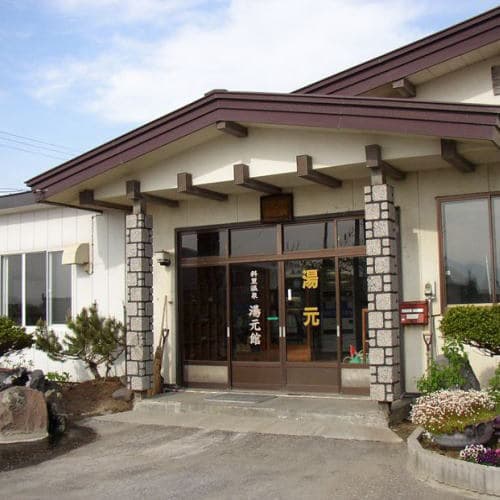



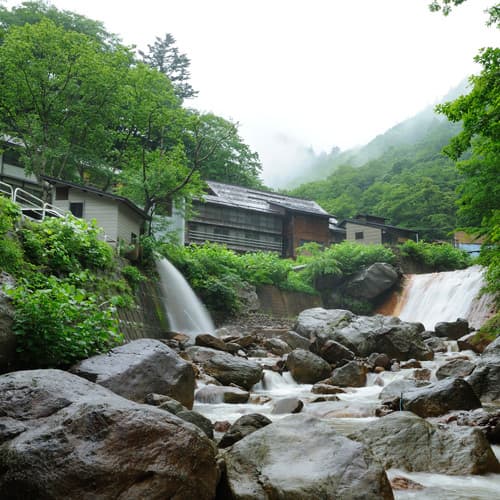


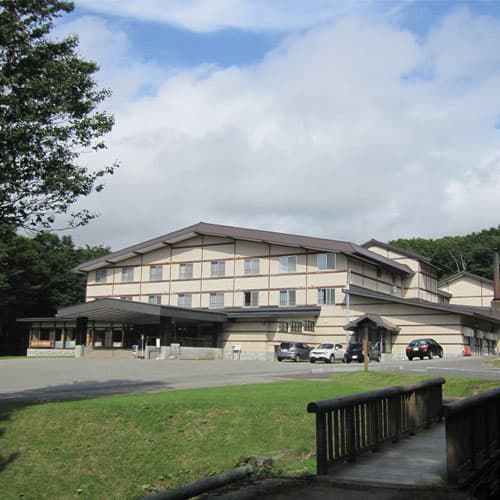


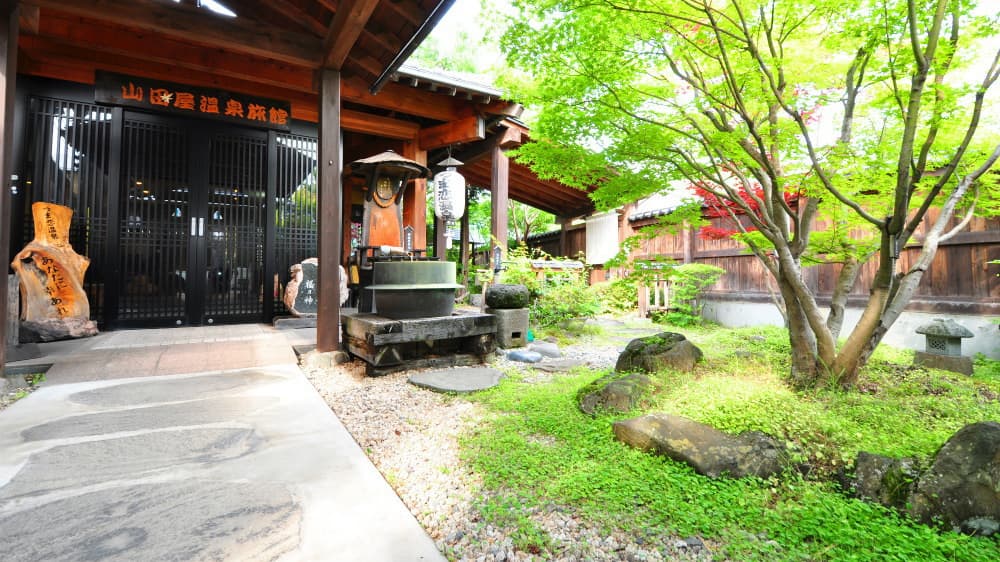
Choose a ryokan by how you bathe
Onsen towns are often rural with patchy Wi-Fi and limited public transport. Sort out data, tours and a car before you go.
- Japan eSIMAiralo
- Japan eSIMYesim
- Tours, passes & transfersGetYourGuide
- Tours, passes & transfersKKday
- Car rentalDiscover Cars
Includes affiliate links
References
Famous Onsen Areas with Carbonated Spring
Check access and tourist information on each onsen area column
Related Articles