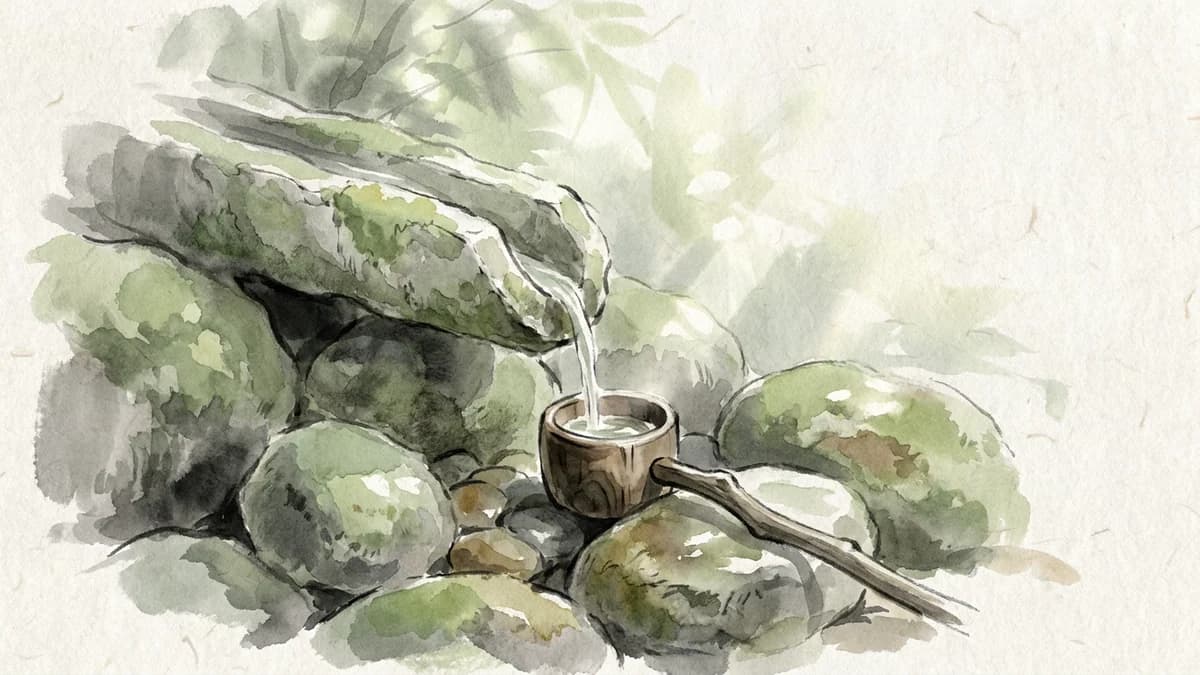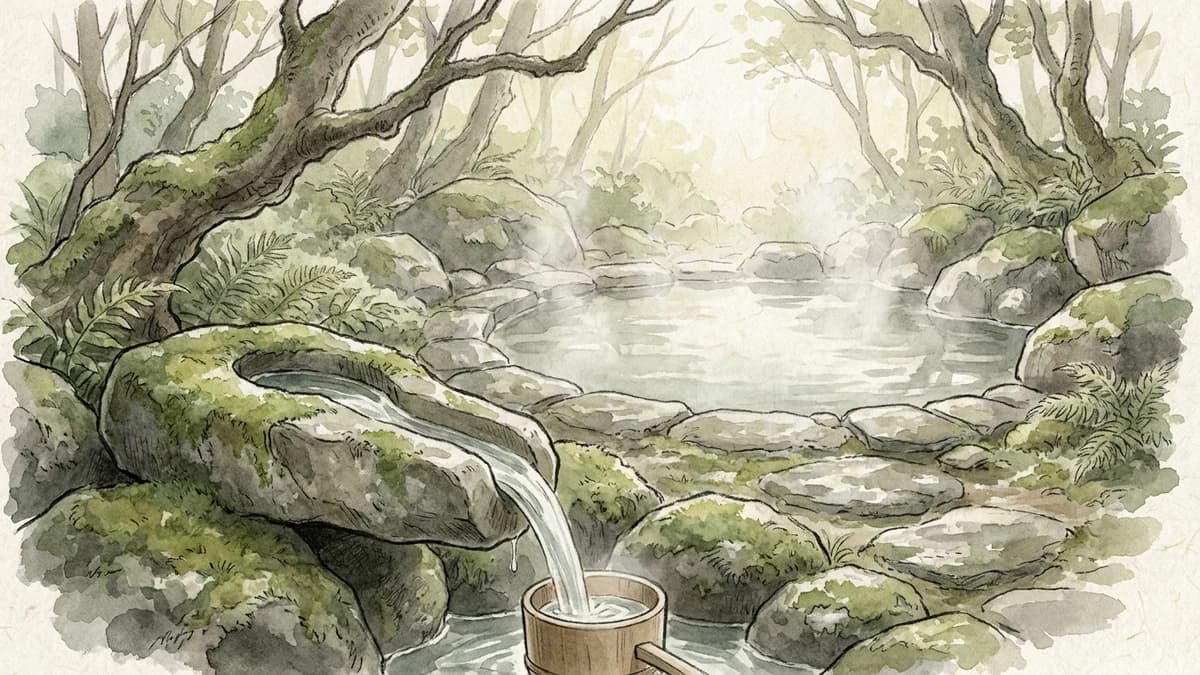
What Is a Licensed Drinking Spring?
Under Japan's Hot Spring Act (Article 14), only facilities holding a designated "drinking use permit" (飲用許可) may offer insatsu. These facilities are required to post information on the spring type, recommended quantity, and contraindications near the drinking point. Drinking unlicensed spring water directly is prohibited and may pose health risks due to high mineral concentrations.
Recognised Benefits of Drinking Spring Water
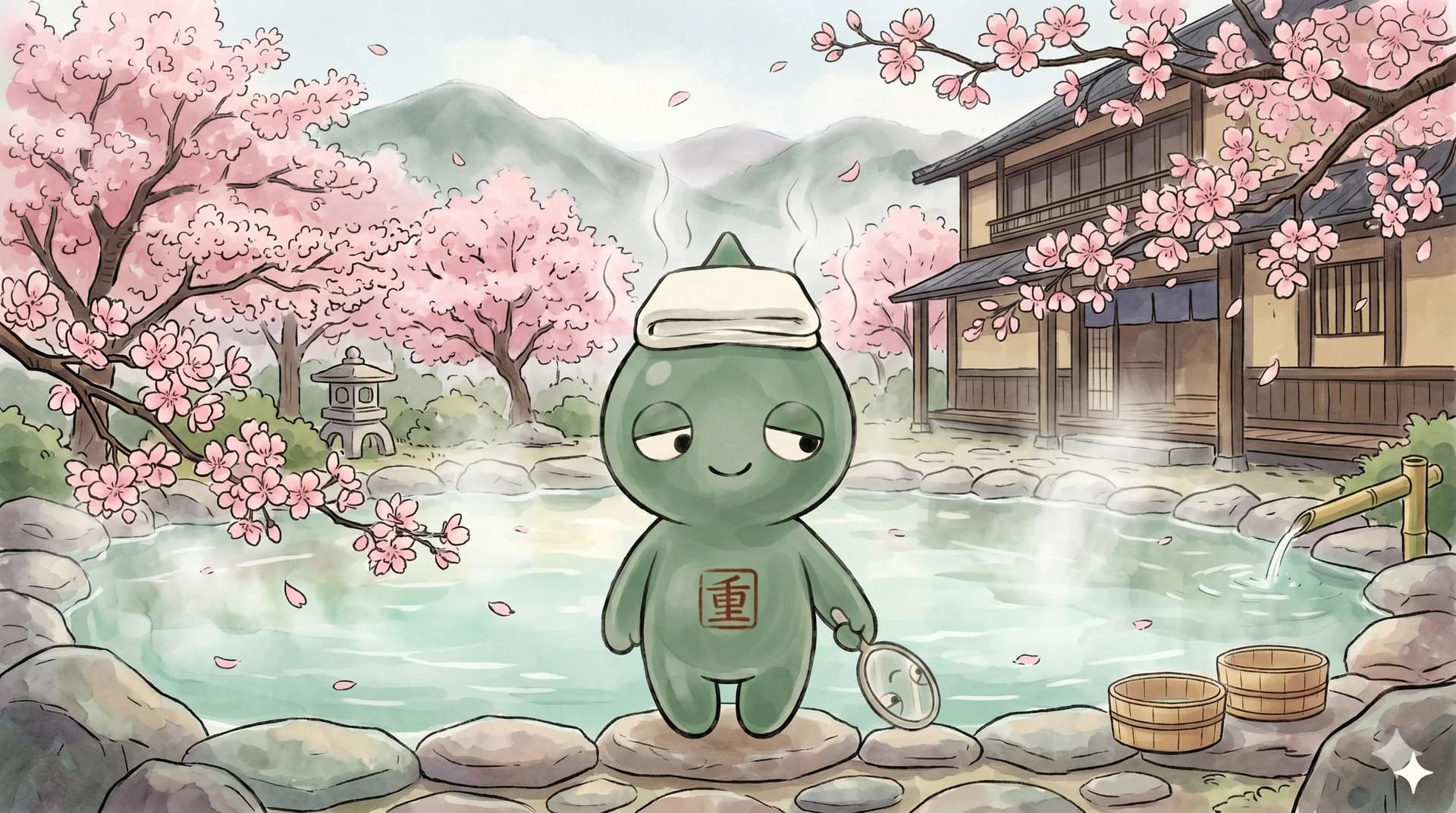
- Constipation & impaired digestive function (chloride springs, sulfate springs)The mineral content in chloride and sulfate springs is said to stimulate the digestive system. Drinking this water may help promote bowel movements and relieve symptoms of constipation. Always adhere to the recommended daily intake provided at the drinking station.
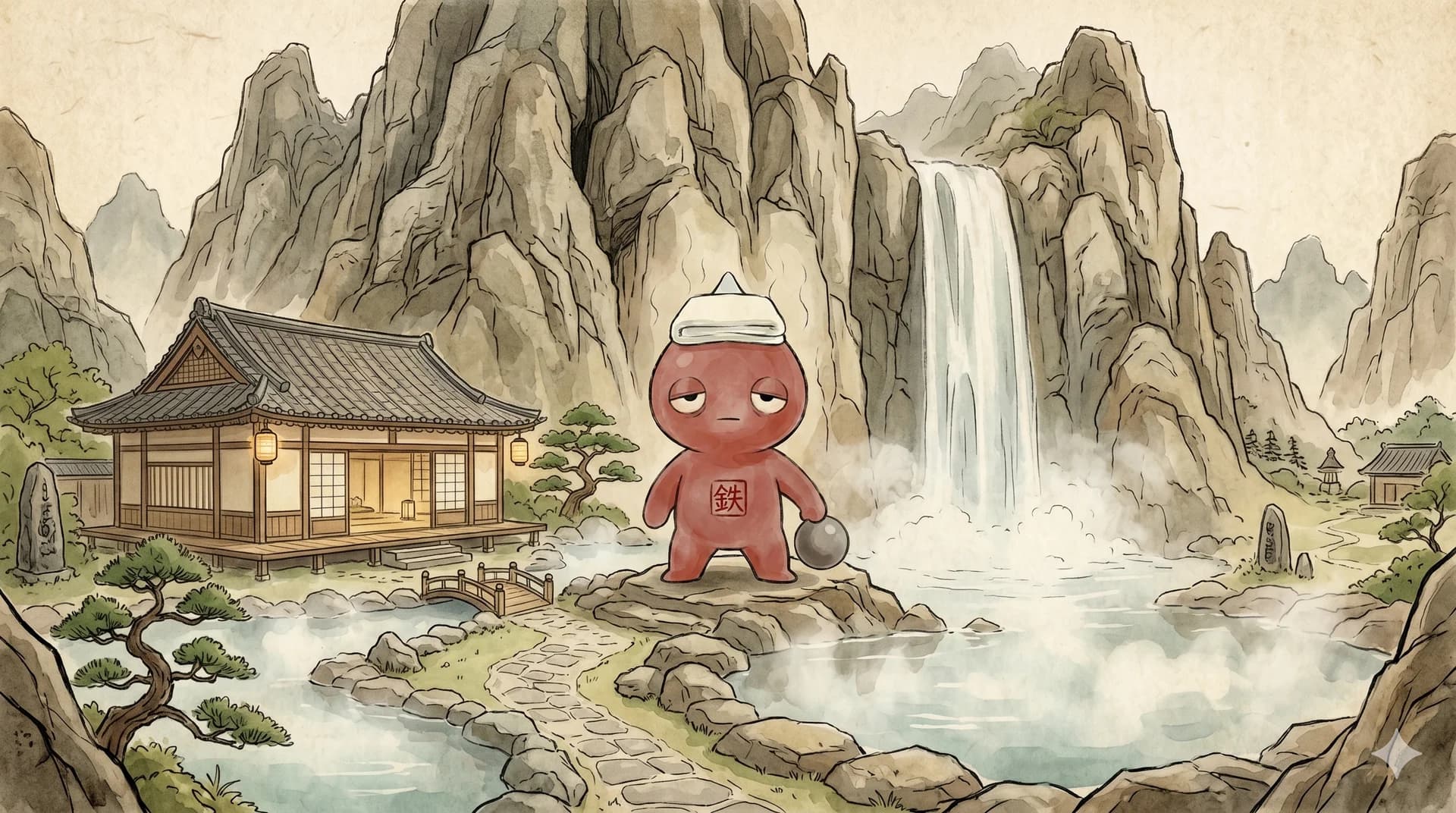
- Anaemia (iron-containing springs)These springs contain bioavailable iron that can be absorbed by the body through ingestion. This may help supplement dietary iron intake, which is often beneficial for those with iron-deficiency anaemia. A doctor's consultation is recommended before starting any insen therapy.
- Gout — urine alkalinisation (bicarbonate springs)Ingesting water from bicarbonate springs can help make the body's urine more alkaline. This urine alkalinisation process assists the kidneys in excreting excess uric acid. Lowering uric acid levels is a key factor in managing and preventing flare-ups of gout.
Who Should Not Drink Spring Water
- Facilities without a drinking permit (never drink unlicensed spring water)Drinking spring water is legally permitted only at facilities with an official 'drinking permit' (飲用許可) under Japan's Hot Spring Act. Unlicensed sources have not been tested for safety, and consuming the water may lead to adverse health effects due to its unverified composition.
- Infants and young childrenThe mineral concentrations in onsen water can be too strong for the developing systems of infants and young children. To avoid the risk of adverse reactions or potential poisoning from overconsumption, they should not be given spring water to drink.
- Persons with impaired kidney function (especially radon springs)The kidneys filter waste and minerals from the blood, a process that can be strained by the high mineral content of some onsen, such as radon springs. Individuals with kidney disease must consult a doctor, as drinking the water may worsen their condition.
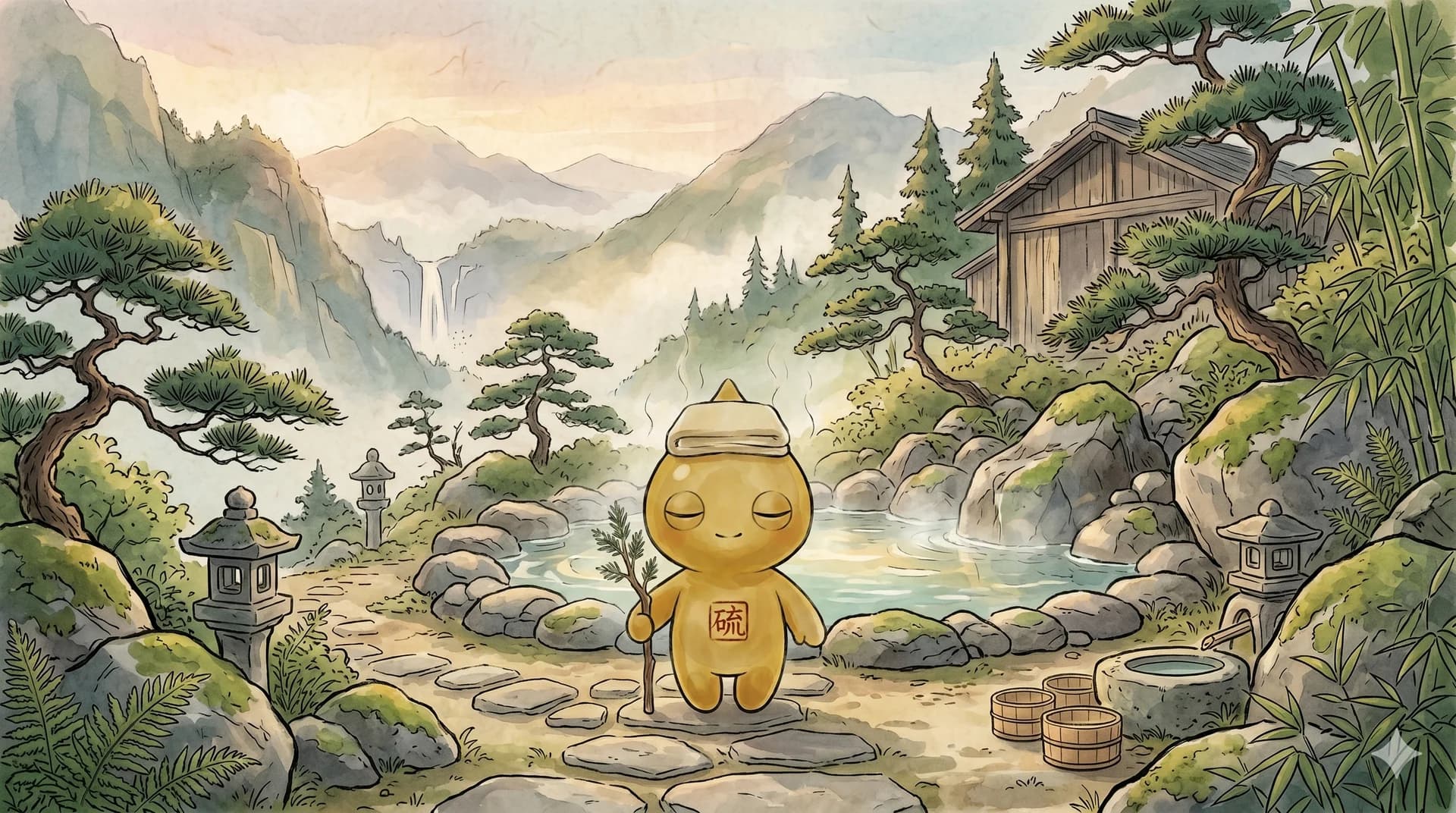
- Pregnant women (especially sulfur springs)Certain spring components, such as those found in sulfur springs, may have unintended effects during pregnancy. As a precaution to ensure the safety of both the mother and the developing fetus, pregnant women are advised to avoid drinking onsen water.
BEST SPRINGS FOR DRINKING
Drinking-Friendly Onsen (Carbonated Spring)
Find facilities across Japan offering drinkable Carbonated Spring water.


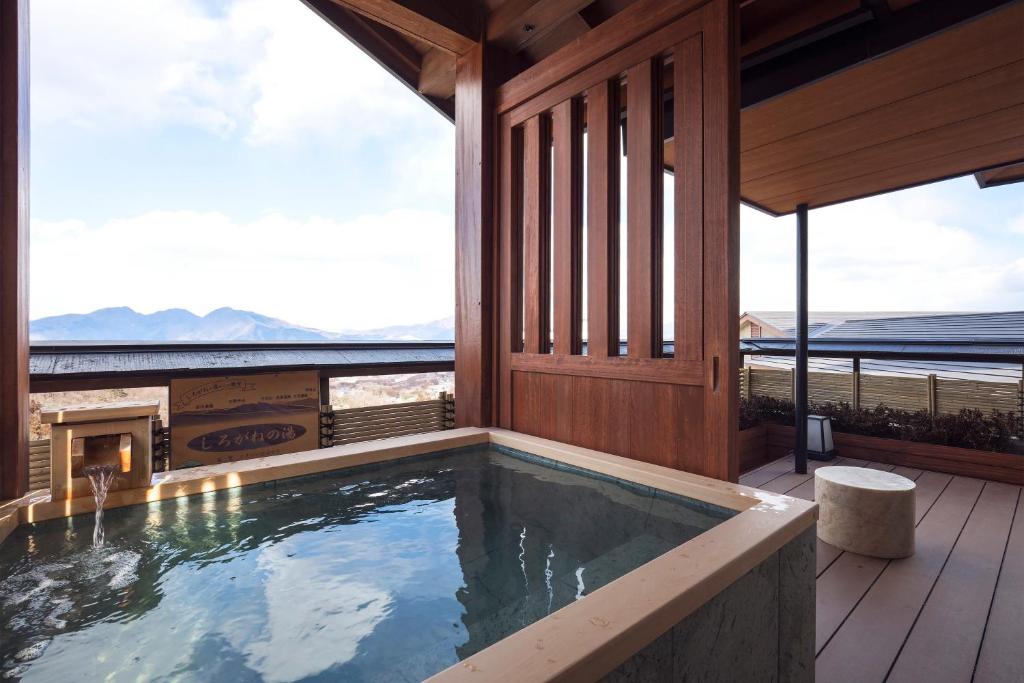
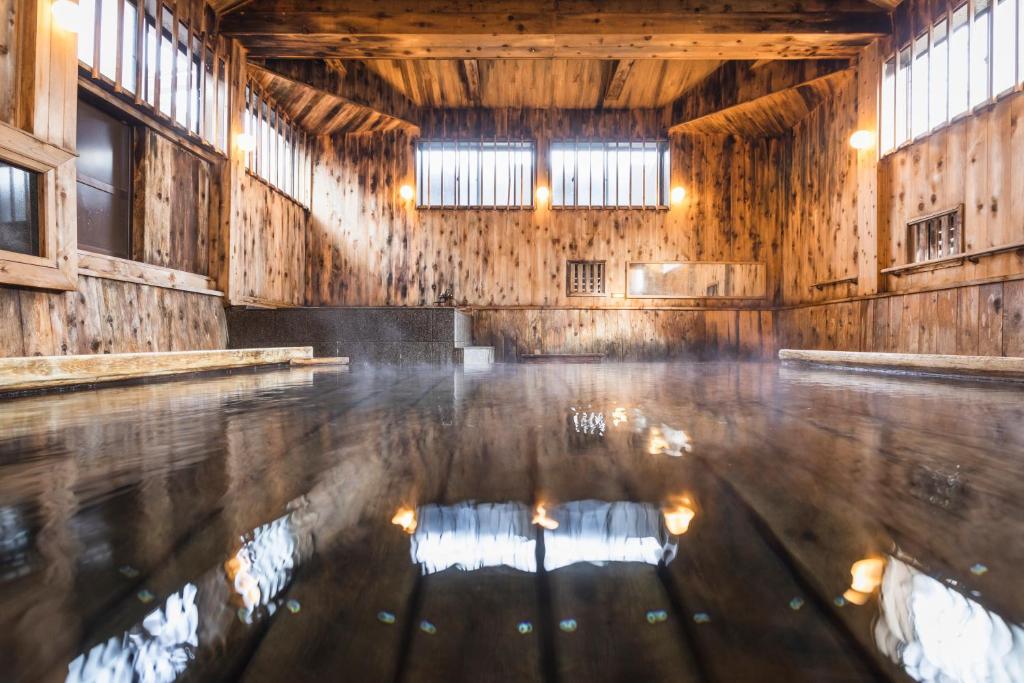
※ Only drink onsen water where official permission and instructions are clearly posted.
Choose a ryokan by how you bathe
Onsen towns are often rural with patchy Wi-Fi and limited public transport. Sort out data, tours and a car before you go.
- Japan eSIMAiralo
- Japan eSIMYesim
- Tours, passes & transfersGetYourGuide
- Tours, passes & transfersKKday
- Car rentalDiscover Cars
Includes affiliate links
References
EXPLORE RELATED TOPICS
Related Articles