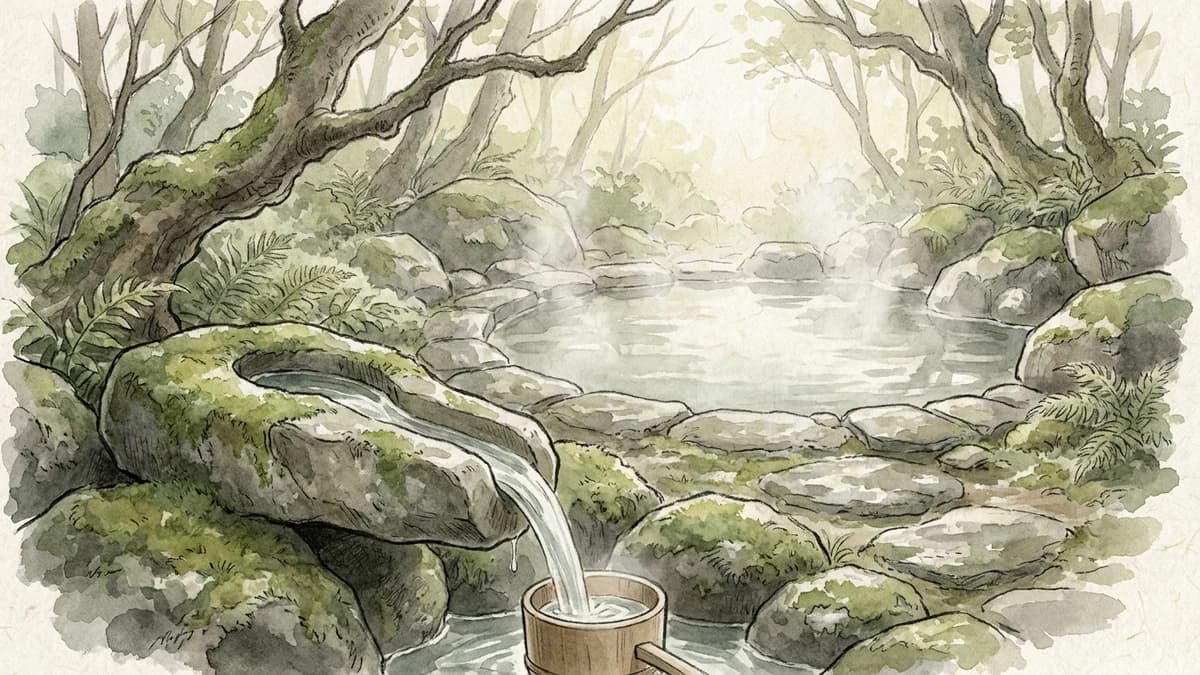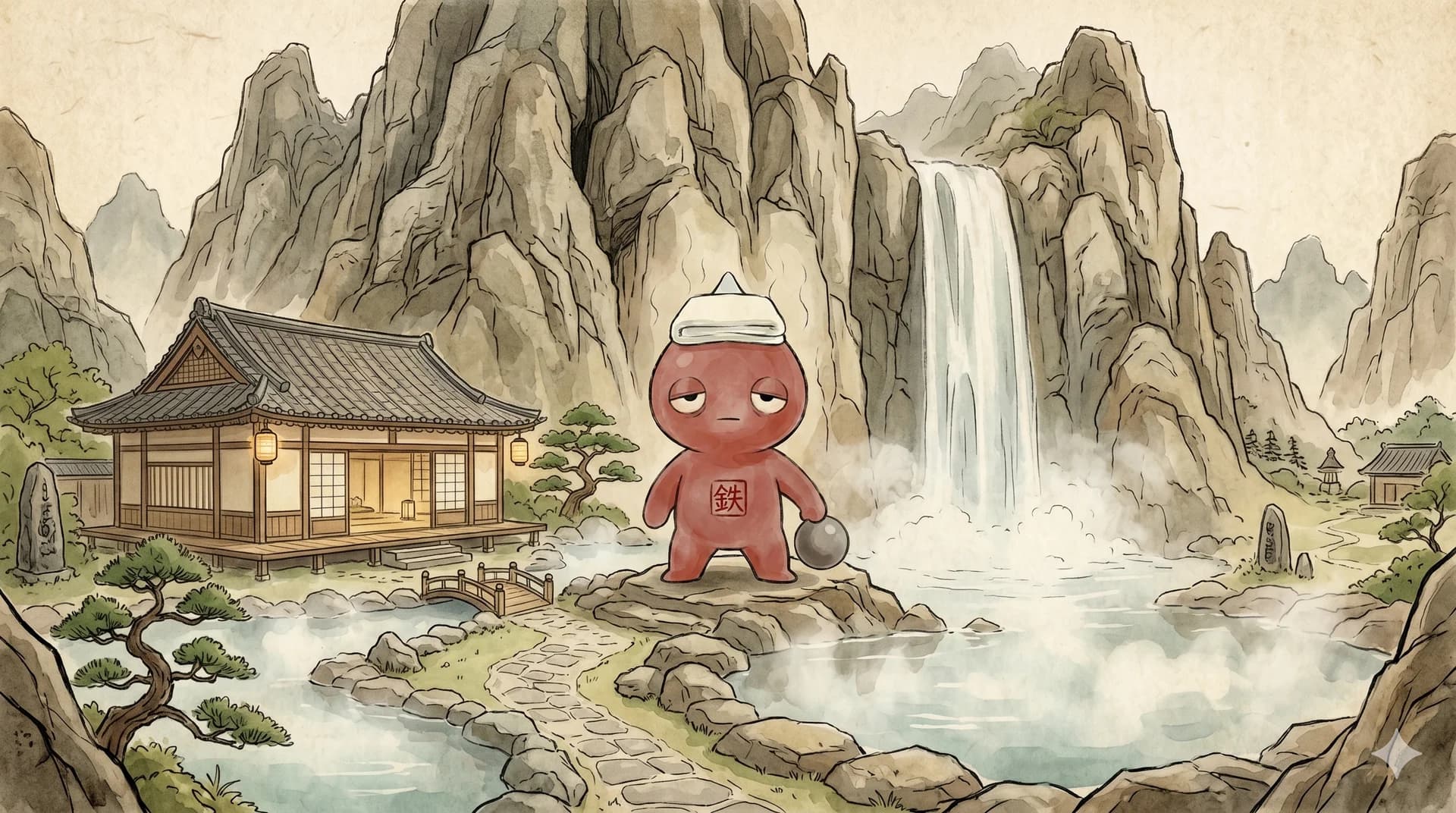

What is a Ferruginous Spring?
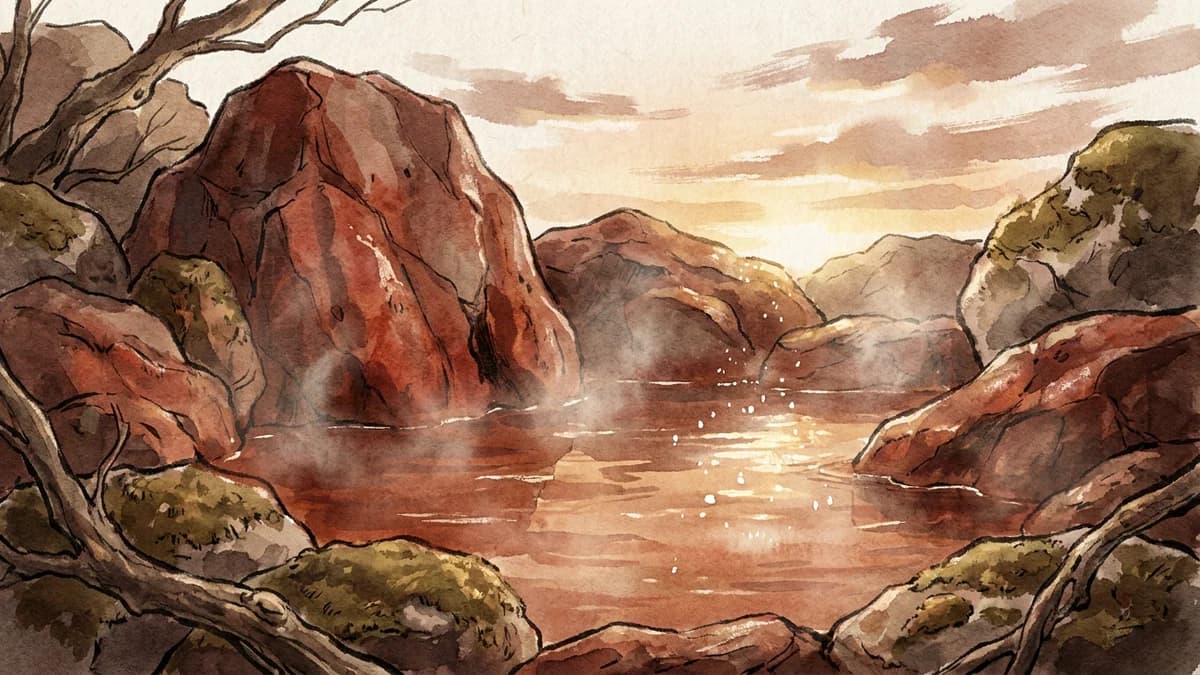
A ferruginous spring contains iron (II) and iron (III) ions totaling 20 mg per kilogram of spring water. Clear when it gushes from the source, it turns reddish-brown to golden when oxidized by air.
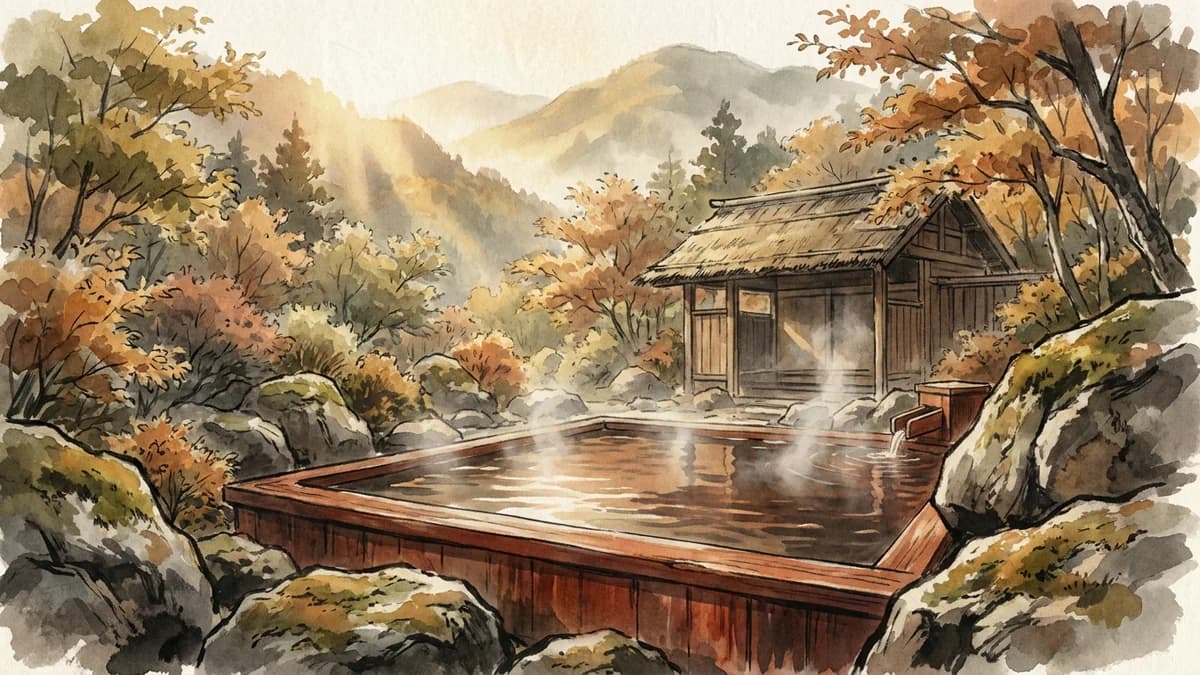
It has a distinctive metallic, rust-like aroma and a slightly bitter, astringent taste. The reddish-brown staining visible on the bathtub rim is an unmistakable visual signature.
Indications for Drinking
- Iron-deficiency anemiaDrinking this spring water may help address this condition by supplying easily absorbed divalent iron (Fe2+) directly to the digestive tract. This iron serves as a material for hemoglobin synthesis, supplementing dietary intake. For better absorption, consider taking it with vitamin C and avoid tea or coffee, whose tannins can interfere with the process.
How to Bathe in a Ferruginous Spring
- Fresh spring water is ideal — once heavily oxidized, the iron is less bioavailable.Ferruginous springs are richest in absorbable iron(II) ions right at the source. As the water is exposed to air, it oxidizes, turning reddish-brown and converting the iron into a less bioavailable form, diminishing its therapeutic effects when ingested.
- Avoid white towels and light-colored swimwear; iron staining is difficult to remove.The same oxidized iron compounds that color the water will also deposit on fabrics, creating rust-colored stains. These mineral stains are very difficult to remove from light-colored towels and swimwear, so it's best to use dark-colored items.
- A quick rinse with fresh water after bathing reduces the metallic smell (some minerals will wash off).
Related Onsen Facilities
22 matches








Choose a ryokan by how you bathe
Plan your onsen trip
Onsen towns are often rural with patchy Wi-Fi and limited public transport. Sort out data, tours and a car before you go.
- Japan eSIMAiralo
- Japan eSIMYesim
- Tours, passes & transfersGetYourGuide
- Tours, passes & transfersKKday
- Car rentalDiscover Cars
Includes affiliate links
References
Famous Onsen Areas with Ferruginous Spring
Check access and tourist information on each onsen area column
Related Articles