What is Metasilicic Acid?
Metasilicic acid (H₂SiO₃) is an undissociated component made of silicon, hydrogen, and oxygen. It is a natural moisturizer used in skincare products, forming a thin veil on the skin that reduces moisture loss after bathing.
The Japanese Mineral Spring Analysis Guideline (Table 1-1) sets "≥ 50 mg/kg of metasilicic acid" as one of the therapeutic spring criteria, matching the popular "beauty spring" threshold. Above 100 mg/kg, the moisturizing effect becomes especially noticeable.
Effects of Metasilicic Acid in Hot Springs
- Post-bath moisturization (same action as a skincare lotion)Metasilicic acid is a natural moisturizing ingredient, often found in commercial skincare lotions and creams. Its presence in the onsen water helps hydrate the skin, leaving it feeling moisturized after you get out of the bath.
- Smoother skin surfaceThe moisturizing components in the water form a very thin, protective layer on your skin. This coating helps to even out the skin's texture, resulting in a noticeably smoother feel after your bath.
- A "veil effect" that reduces moisture lossMetasilicic acid creates a fine, invisible film over the skin's surface. This "veil" acts as a barrier, helping to prevent the skin's natural moisture from evaporating after you leave the hot spring.
- Any spring type with high metasilicic acid qualifies as a "beauty spring"The title "beauty spring" (美肌の湯, bihada no yu) is often determined by the concentration of metasilicic acid, regardless of the water's main mineral classification. According to Japan's official guidelines, a spring containing 50 mg/kg or more of metasilicic acid meets this popular standard for skin-beautifying effects.
Top 5 Onsen by Metasilicic Acid
These five hot springs registered on our site have the highest metasilicic acid content — perfect for hydrated skin after bathing.
RANKING BY THIS MINERAL CONTENT
Top 5 by Content
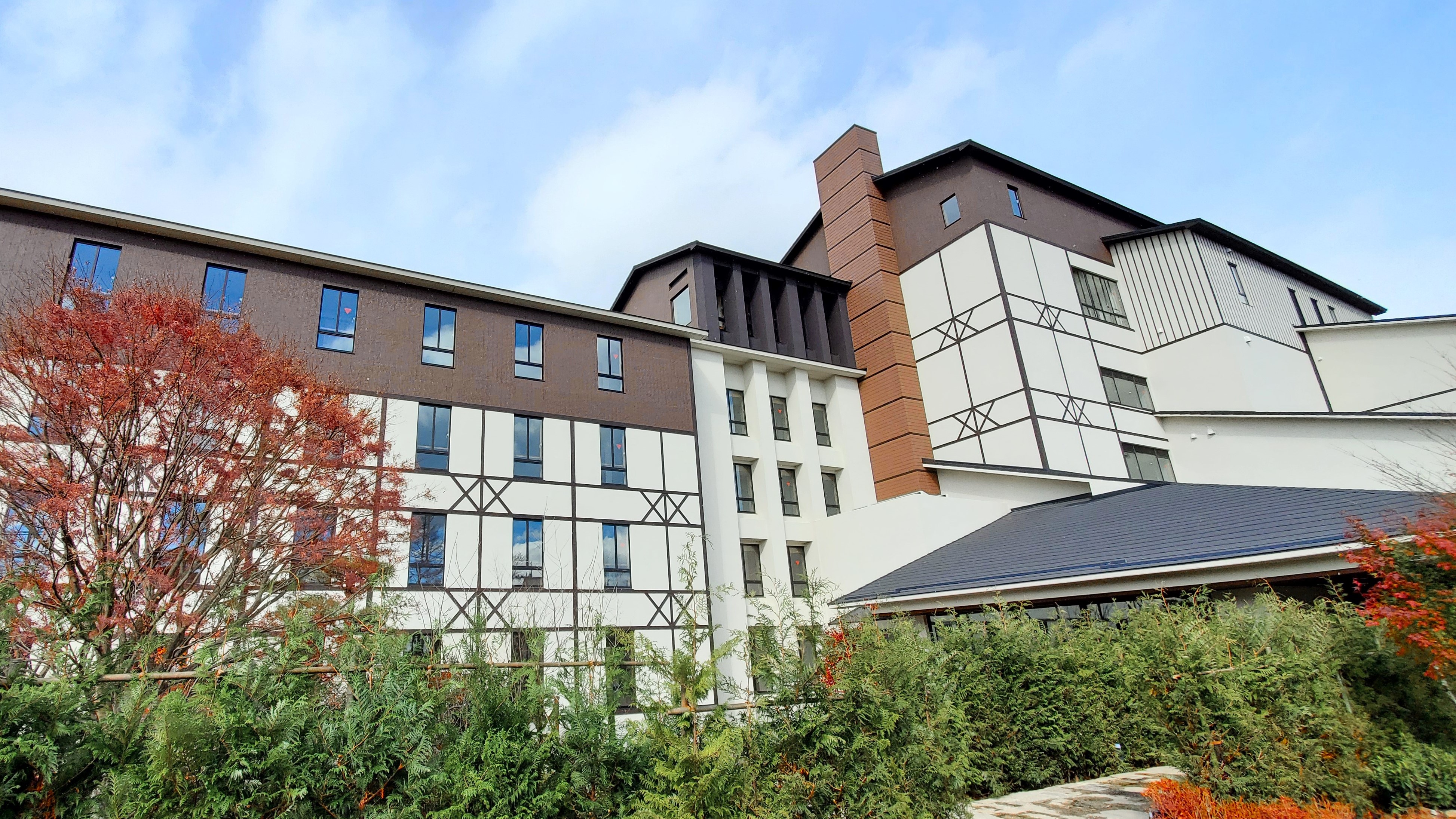
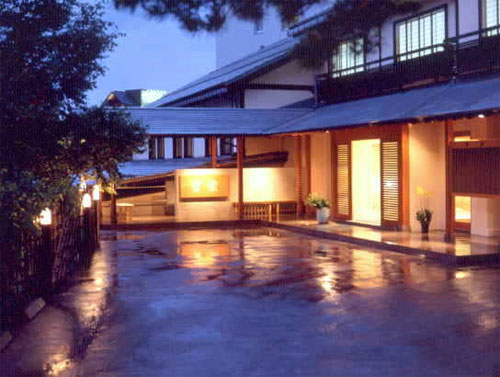
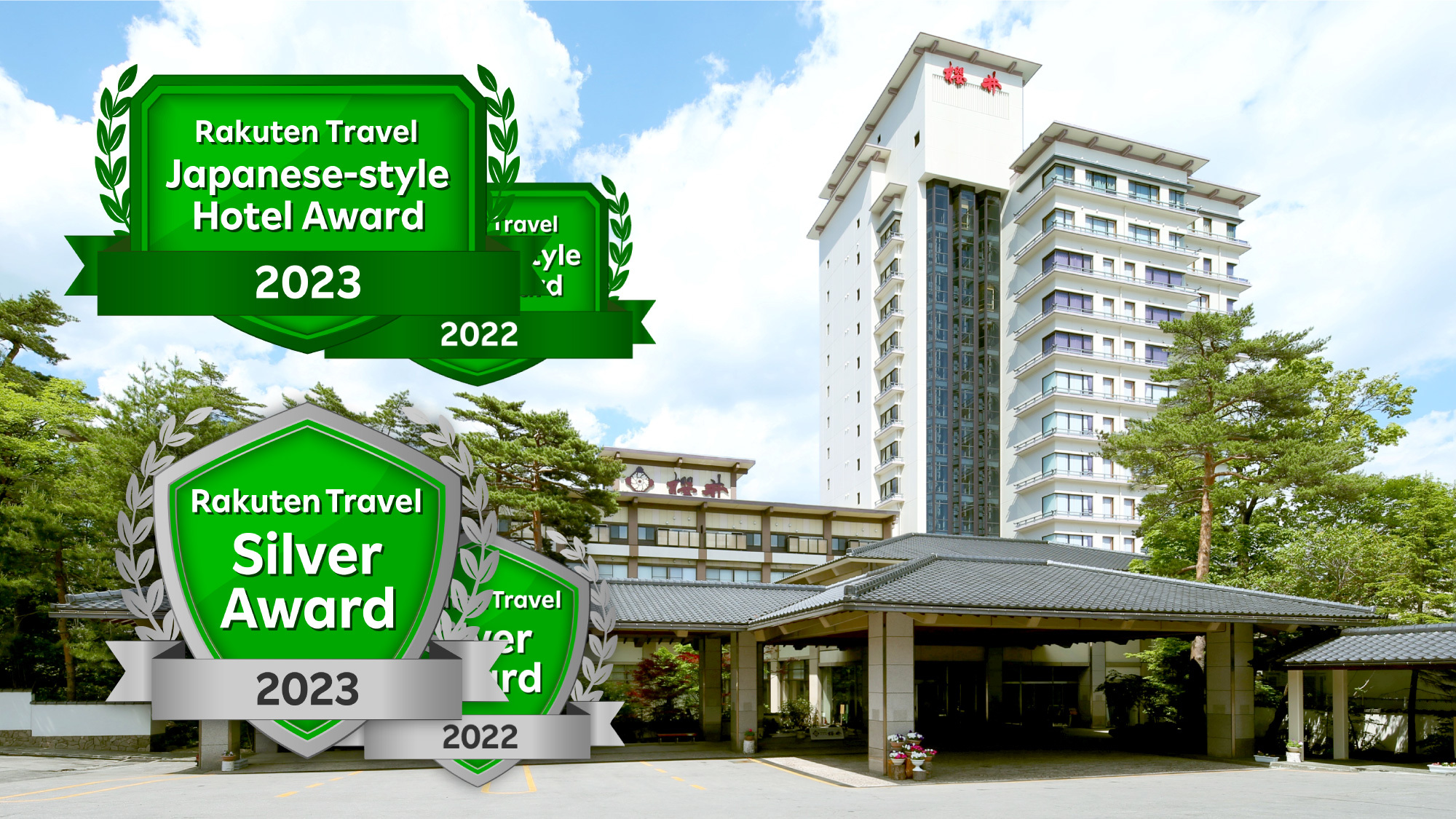
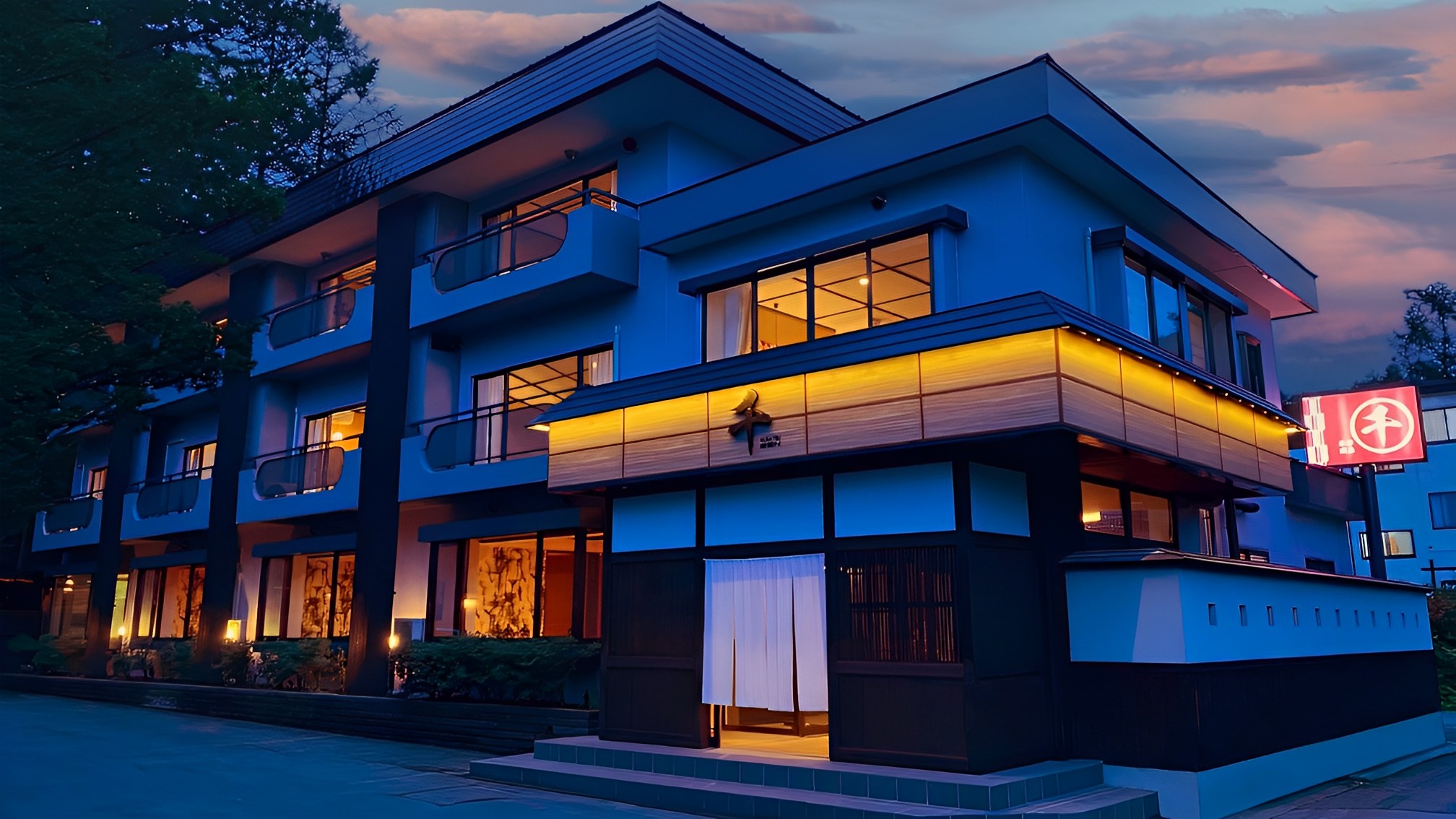
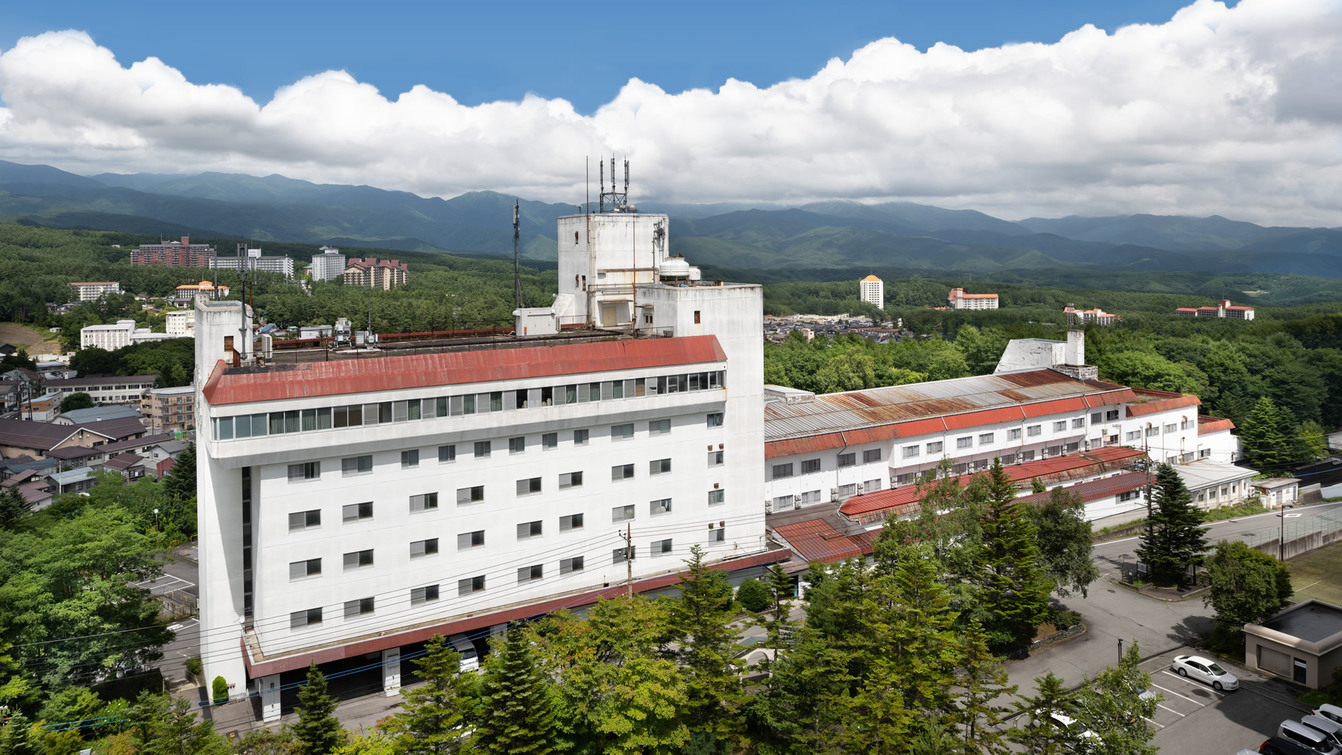
* Top 5 by mineral content matching the filters among onsen analysis records registered in this app
How to Maximize the Benefits
- After bathing, do not rinse with fresh water — pat dry to keep the minerals on your skin.Metasilicic acid forms a natural, moisturizing veil on your skin. Rinsing with fresh water after your bath would wash away these beneficial components. Gently patting your skin dry with a towel helps to preserve this thin mineral layer, maximizing its post-bath moisturizing effect.
- Bathe in 10–15 minute sessions, repeated twice, for best moisturization.This specific bathing regimen is recommended to fully leverage the moisturizing properties of metasilicic acid. Soaking for 10 to 15 minutes gives your skin ample time to benefit from the natural components. Repeating the session after a break can enhance the effect without causing fatigue from prolonged heat.
- Think of it as a "lotion bath" — apply your usual skincare routine before and after for compounding effects.Metasilicic acid is a natural moisturizing ingredient, the same kind often found in commercial lotions and creams. This is why springs rich in this component are sometimes called "lotion baths." For best results, follow up with your regular moisturizer after bathing to lock in the hydration provided by the onsen.
Spring Types Rich in Metasilicic Acid
Metasilicic acid appears across all spring types but is particularly high in alkaline simple springs and bicarbonate springs. These spring types maximize the beauty effect.
Choose a ryokan by how you bathe
Onsen towns are often rural with patchy Wi-Fi and limited public transport. Sort out data, tours and a car before you go.
- Japan eSIMAiralo
- Japan eSIMYesim
- Tours, passes & transfersGetYourGuide
- Tours, passes & transfersKKday
- Car rentalDiscover Cars
Includes affiliate links
References
- 鉱泉分析法指針(平成26年改訂)第1-1表
- 環境省「あんしん・あんぜんな温泉利用のいろは」(平成31年3月発行)
- 環境省「温泉地の多言語化促進マニュアル」(2021年版)
- 環境省 温泉のページ
Related Articles