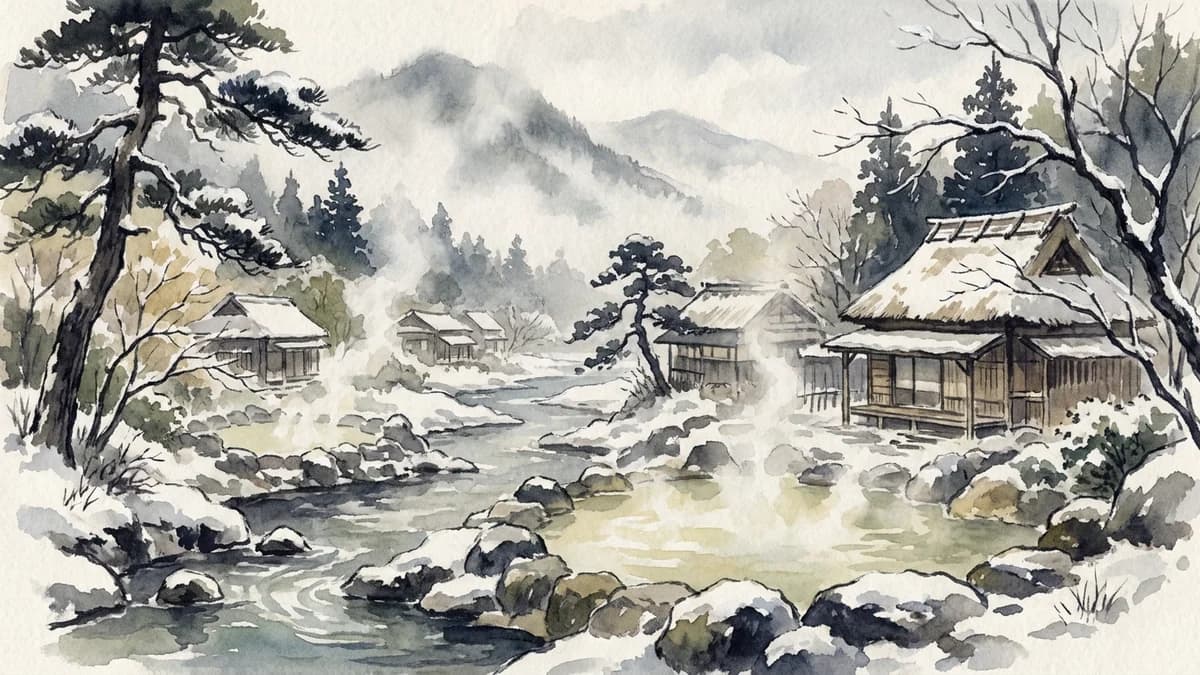
Hachimantai Onsen-go is known for its Sulfur Spring; listed indications for this spring type include Dry Skin / Atopy, Asthma. Choose an inn by spring type, benefits and amenities, and book directly.
See inns in Hachimantai Onsen-goOn this page you can filter Hachimantai Onsen-go inns by spring type, benefits, tattoo-friendly, private bath and in-room open-air bath, and book on each property's Agoda or Rakuten page.
Compare & book inns in Hachimantai Onsen-go
Awaiting analysis(1)
Overview
Hachimantai Onsen-go is a collective term for the hot spring areas within Towada-Hachimantai National Park, straddling the border of Iwate and Akita prefectures. At altitudes exceeding 1,000 meters, you'll find a scattering of onsen with their own unique sources and histories, including Fujishichi Onsen, Fukenoyu Onsen, Goshogake Onsen, and the renowned Tamagawa Onsen, known for having the most acidic spring water in Japan.
Blessed by volcanic activity, the region boasts an abundance of hot water with a wide variety of mineral compositions. It has long been cherished as a 'toji' (hot spring cure) destination, attracting visitors for therapeutic bathing and health promotion. Hachimantai offers unique bathing experiences that let you feel the raw power of nature, such as mud baths, steam baths, and geothermal rock saunas. Rejuvenate your mind and body amidst stunning scenery of beech forests and alpine flora.
Iconic Spring Types and Benefits
The most distinctive feature of Hachimantai Onsen-go is its unique spring types: sulfur and acidic. Sulfur springs, with their characteristic aroma and milky-white water, are said to promote silky skin by improving circulation and softening the skin. Acidic springs, on the other hand, have strong sterilizing properties and are believed to be beneficial for various skin conditions. As each facility has different water, onsen-hopping is a great way to enjoy the area.
- Atopic dermatitisThe sulfur springs found here are said to promote blood circulation, and atopic dermatitis is listed among the indications for sulfur springs.
- Psoriasis vulgarisSulfur springs are said to promote circulation, and psoriasis vulgaris is listed among their indications.
- Chronic eczemaThe hydrogen sulfide in sulfur springs is believed to dilate capillaries and promote circulation, and chronic eczema is listed among the indications for sulfur springs.
- Dry skin
- Diabetes mellitus
- Poor peripheral circulation
Water Characteristics and Best Seasons
Many establishments offer 'gensen kakenagashi'—baths fed by a continuous flow of pure, high-temperature spring water. The waters vary in appearance and feel, from cloudy sulfur baths to tingling acidic ones. There are also many facilities geared towards long-term stays for 'toji', allowing you to fully immerse yourself in the onsen's benefits.
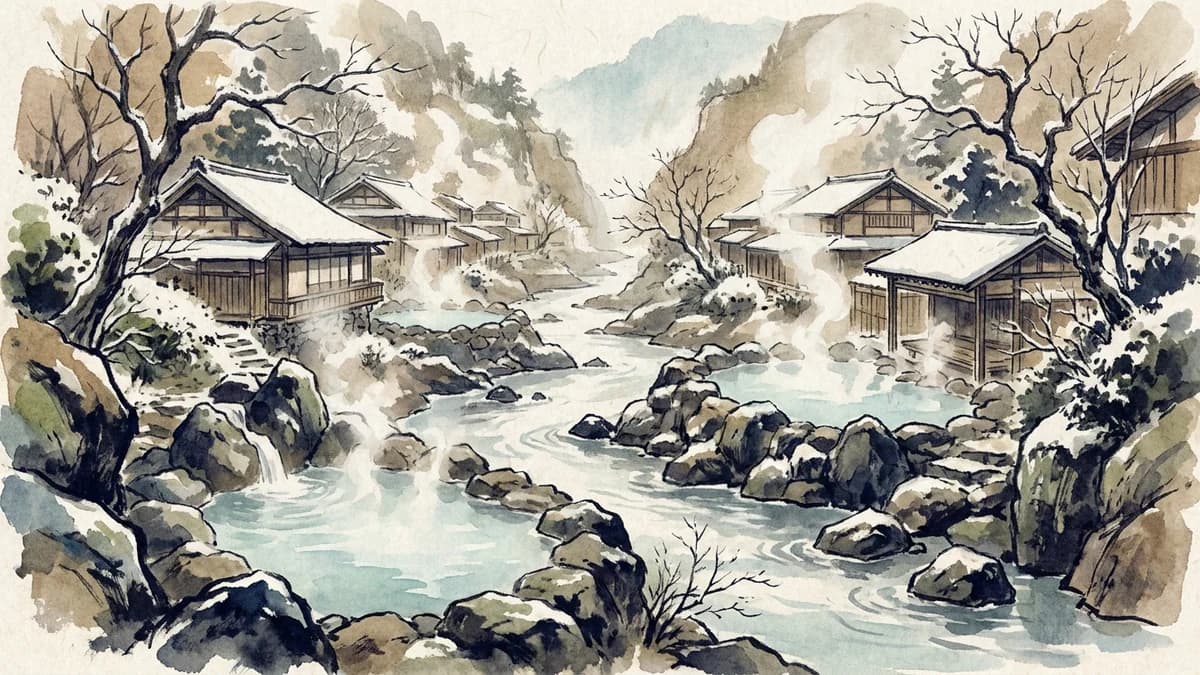
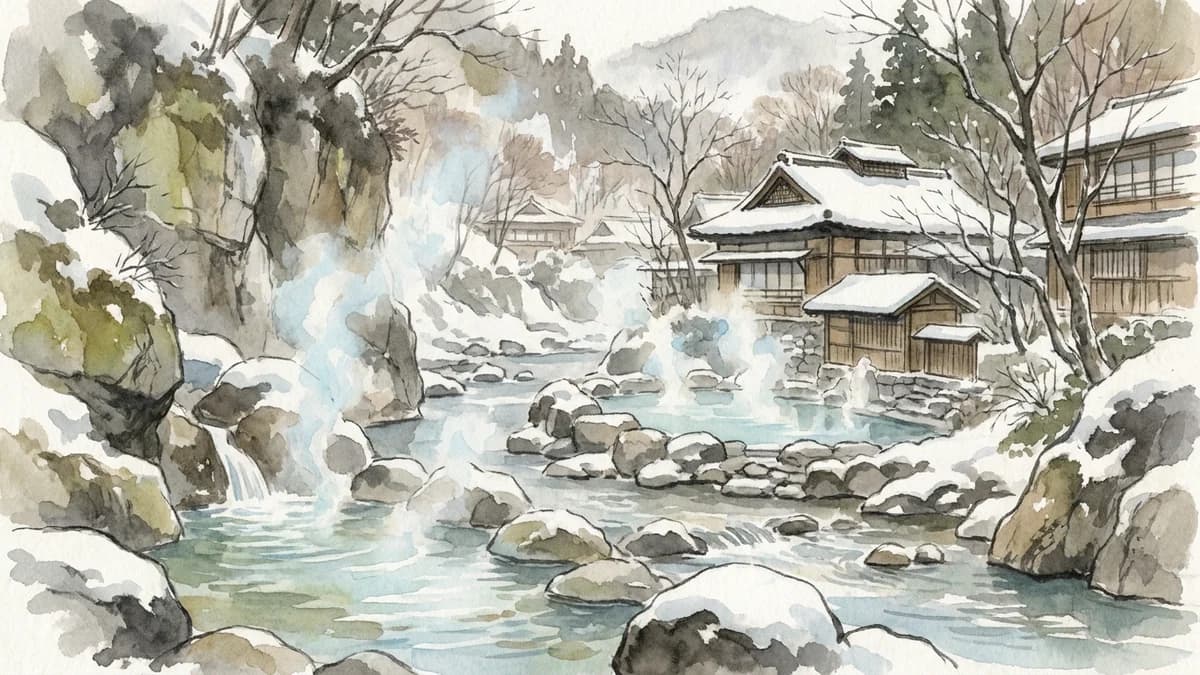
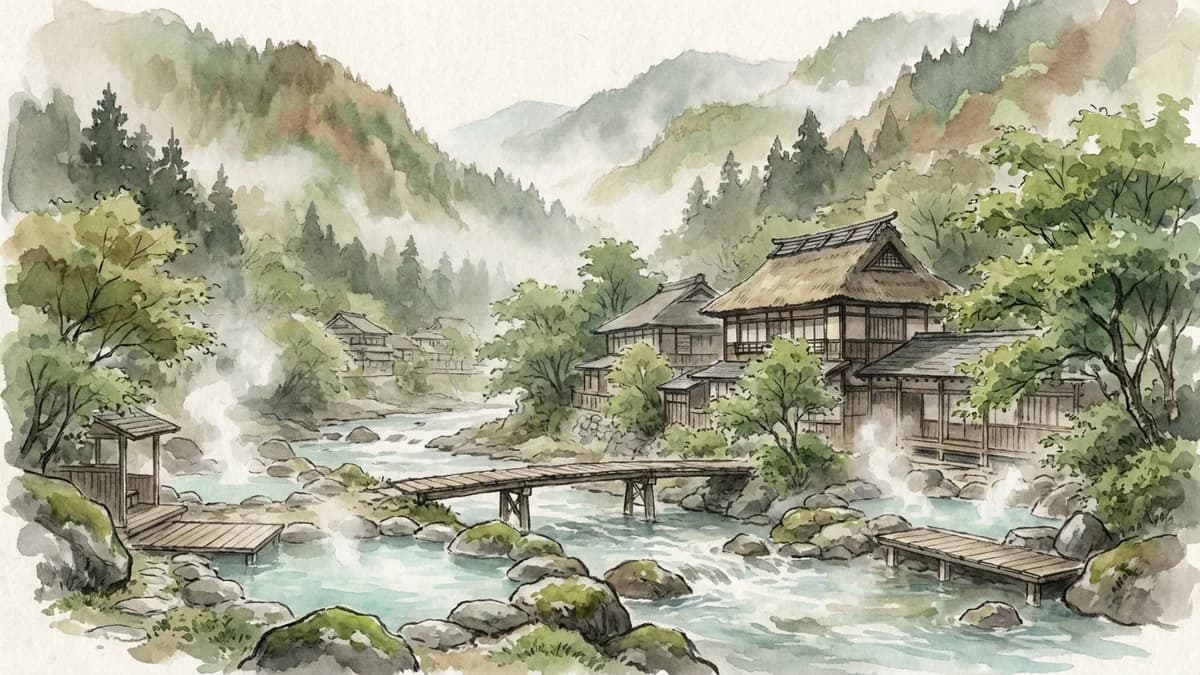
The best times to visit are from late May to June for the brilliant fresh green foliage, and from late September to mid-October for the spectacular autumn colors that paint the mountainsides. While some roads close in winter due to heavy snowfall, an outdoor bath surrounded by a snowy landscape ('yukimi-buro') is an exceptionally magical experience. The cool highland climate also makes it a popular summer retreat.
Access
Nearby Sightseeing and Local Cuisine
- Hachimantai Dragon Eye (Kagami-numa Pond): A mystical snow-melt phenomenon visible from late May to early June.
- Hachimantai Aspite Line: A scenic driving road famous for its 'Corridor of Snow' right after its winter closure.
- Goshogake Nature Study Trail: A walking path where you can feel the earth's breath, with mud volcanoes and steam vents.
- Matsukawa Gorge: A scenic spot beautiful with fresh greenery and autumn leaves, with well-maintained walking trails.
- Hachimantai Mushrooms: A local specialty, thick and fragrant, cultivated using geothermal heat.
- Morioka's Three Great Noodles: Take a side trip to Morioka City to try 'Wanko Soba', 'Morioka Reimen', and 'Jajamen'.
- Iwana (Char) dishes: Salt-grilled or sashimi-style fresh char from the clear mountain streams.
MORE WITH THE SAME SPRING TYPE
Loved the Sulphur Spring of Hachimantai Onsen-go? Try these too
Picked from onsen across Japan where you can enjoy the same Sulphur Spring.


Q & A
Frequently Asked Questions
Tap any question to expand the answer
Can I narrow down to only inns with a hot-spring analysis in Hachimantai Onsen-go?
Can I find tattoo-friendly inns with private baths or in-room open-air baths in Hachimantai Onsen-go?
Onsen towns are often rural with patchy Wi-Fi and limited public transport. Sort out data, tours and a car before you go.
- Japan eSIMAiralo
- Japan eSIMYesim
- Tours, passes & transfersGetYourGuide
- Tours, passes & transfersKKday
- Car rentalDiscover Cars
Includes affiliate links
References
Famous Onsen Areas with Sulphur Spring
Check access and tourist information on each onsen area column
Related Articles