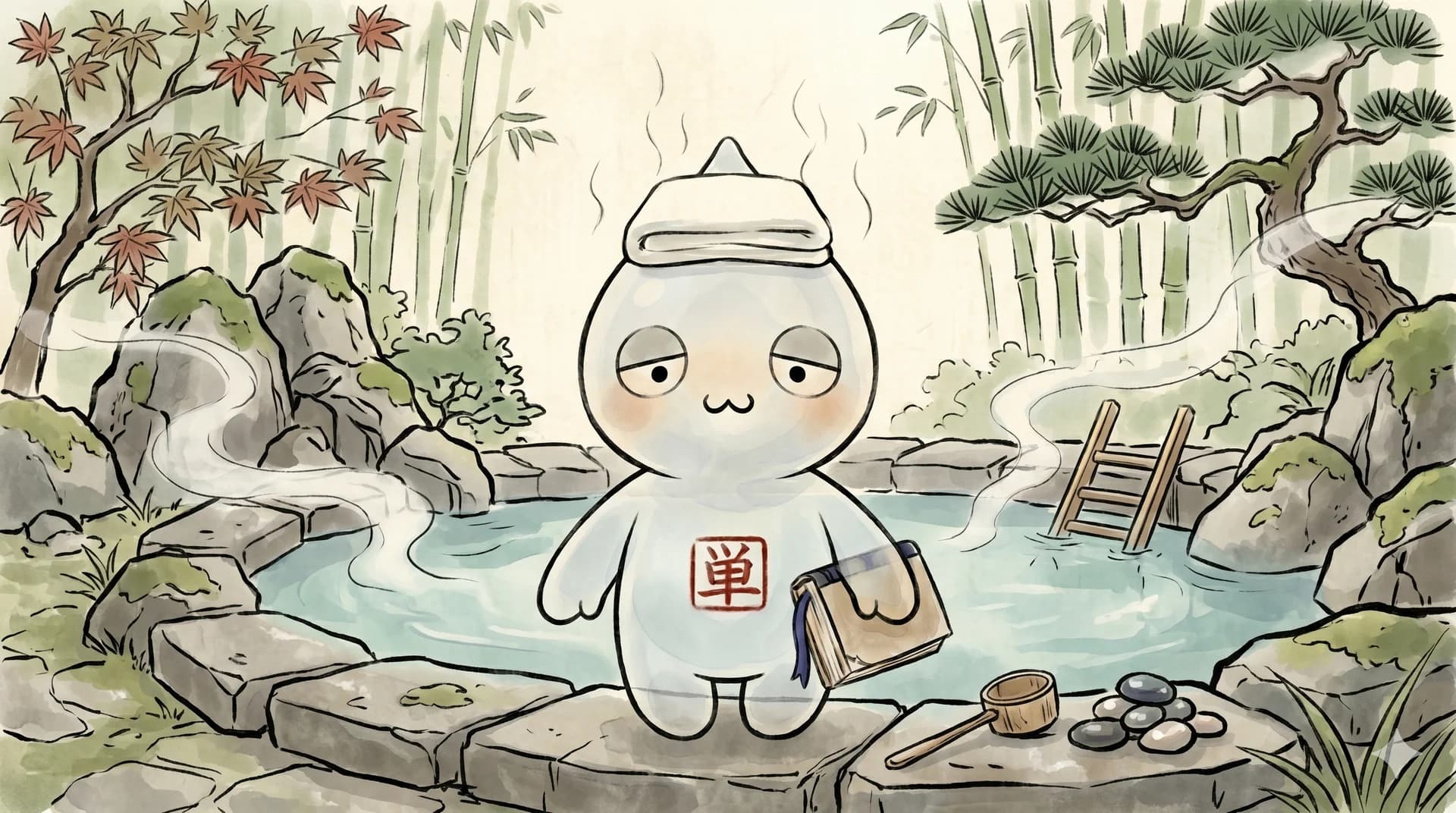
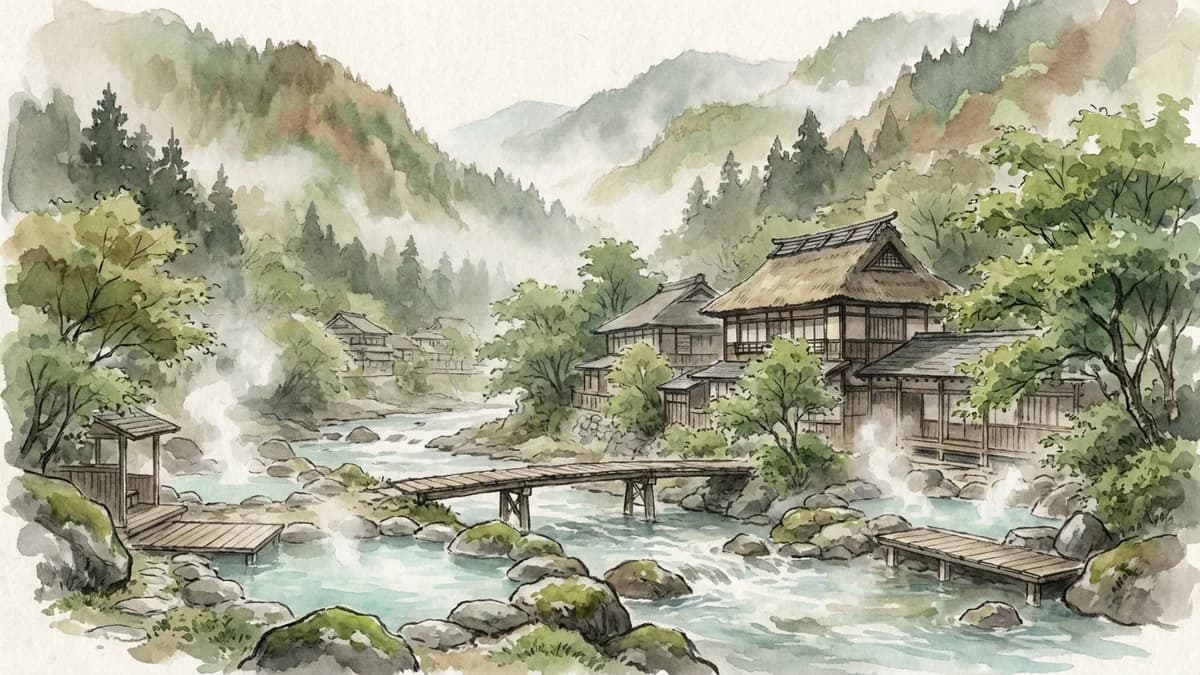
Hanamaki Minami Onsenkyo is known for its Simple Hot Spring; listed indications for this spring type include Fatigue, Insomnia. Choose from 5 inns with a hot-spring analysis on file, filtering by spring type, benefits and amenities, and book directly.
See inns in Hanamaki Minami OnsenkyoOn this page you can filter Hanamaki Minami Onsenkyo inns by spring type, benefits, tattoo-friendly, private bath and in-room open-air bath, and book on each property's Agoda or Rakuten page.
Compare & book inns in Hanamaki Minami Onsenkyo


Awaiting analysis(5)
Overview
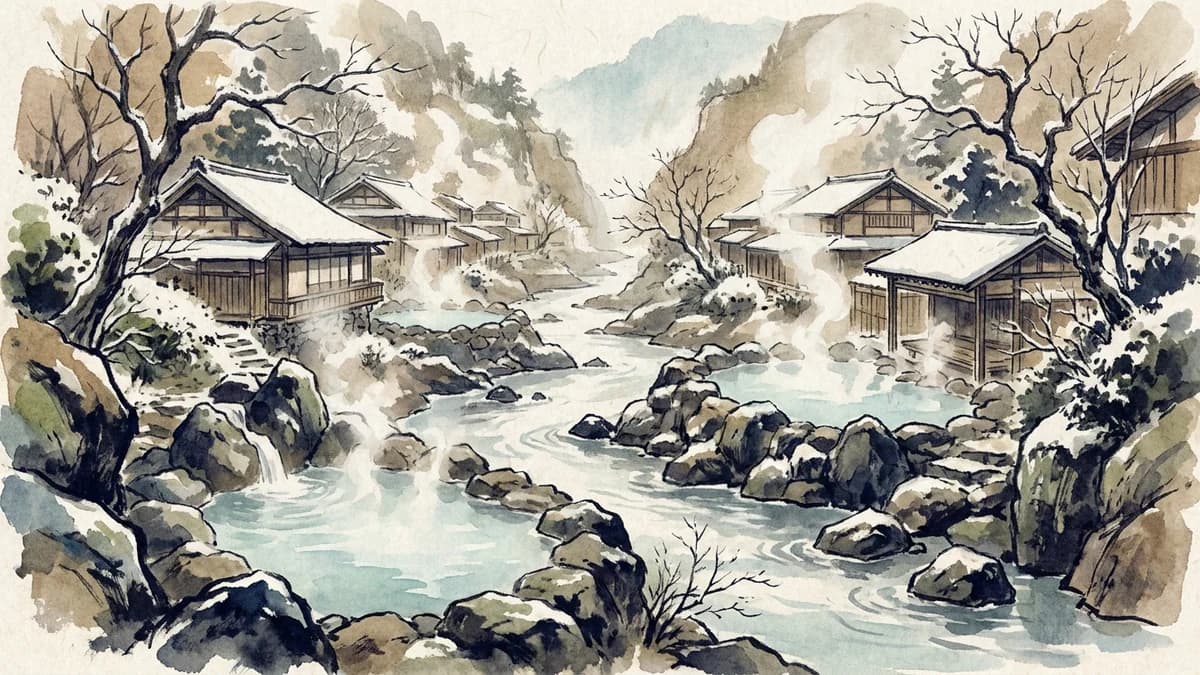
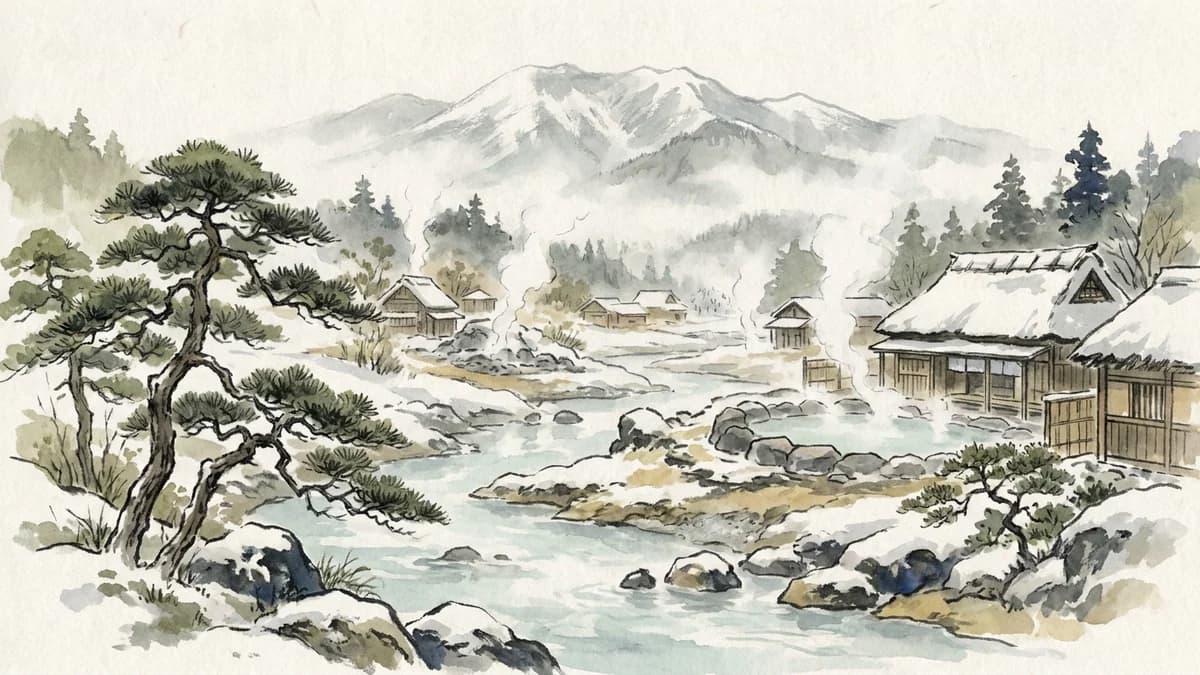
Hanamaki Minami Onsenkyo is the collective name for a group of hot spring inns scattered along the scenic Toyosawa River valley in southwestern Hanamaki, Iwate. It comprises several distinct onsen areas, including Osawa, Namari, Shidohira, Watari, and Yamanokami, each with its own unique history and atmosphere.
With a history dating back to the Edo period, it was once a therapeutic bathing spot for the lords of the Nanbu clan. In modern times, it became a beloved retreat for literary figures like Kenji Miyazawa and Kotaro Takamura, inspiring many of their works. The same tranquil nature and soothing waters that they cherished continue to offer healing and deep relaxation to visitors today.
Key Spring Qualities and Benefits
The onsen-kyo boasts multiple spring sources, primarily featuring gentle "Simple thermal springs" and "Chloride springs" known for their excellent heat retention, which provides a restorative warmth that lasts long after your bath. Most waters are clear and gentle on the skin, making them ideal for therapeutic bathing.
- Autonomic instabilityThe gentle warmth of a simple thermal spring can help soothe the nervous system and promote overall relaxation. This may help balance the body's stress responses, easing symptoms associated with an overactive or unstable autonomic nervous system. Bathing in this mild water is believed to have a calming effect on both mind and body.
- InsomniaSoaking in the warm, gentle waters helps to relax tense muscles and calm the mind, creating ideal conditions for sleep. The slight rise and subsequent fall in body temperature after bathing can also signal the brain to feel drowsy. This relaxing ritual may contribute to a more restful and deeper night's sleep.
- Sensitivity to cold
- Cuts
- Dry skin
Water Characteristics and Best Seasons to Visit
Many ryokans (traditional inns) have their own private spring sources, offering an abundance of free-flowing, untreated hot spring water (gensen kakenagashi). The open-air baths (rotenburo) along the river offer the luxurious experience of soaking while listening to the gentle sounds of the stream.
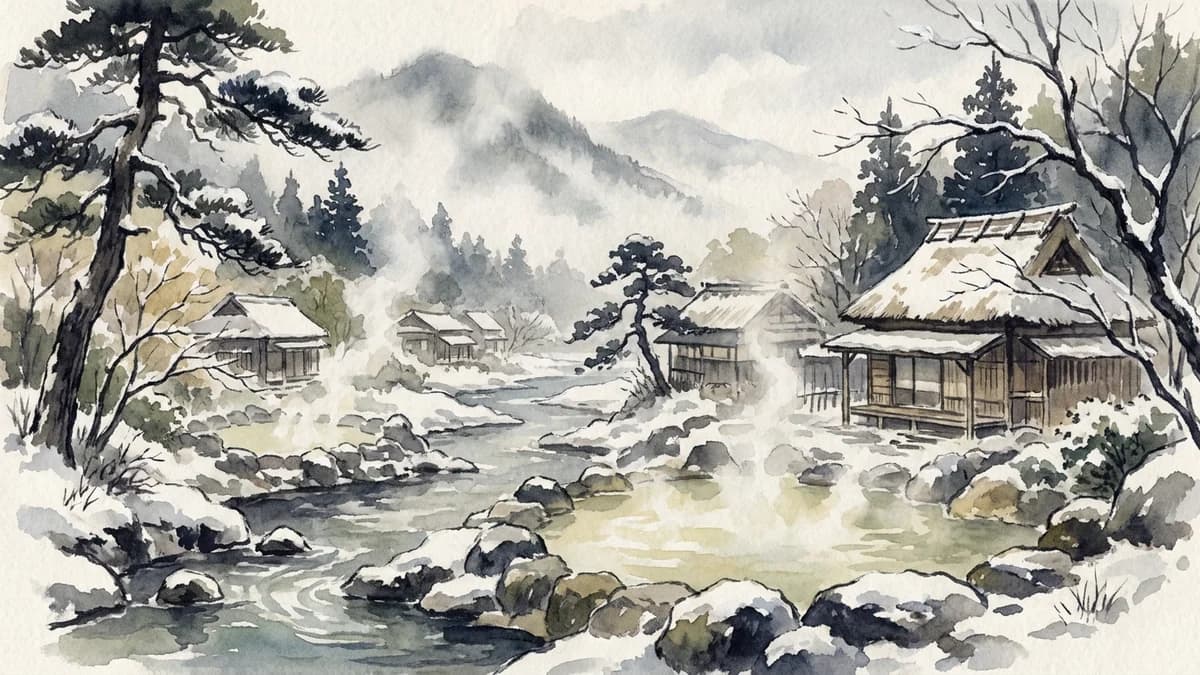
Hanamaki Minami Onsenkyo is captivating in every season: fresh green in spring, cool and refreshing in summer, ablaze with colors in autumn, and serene under a blanket of snow in winter. The best times to visit are from May to June for lush greenery and from mid-October to early November for stunning autumn foliage.
Access
Nearby Sightseeing and Local Cuisine
- Kenji Miyazawa Memorial Museum, Ihatov Museum, & Fairy Tale Village: Immerse yourself in the world of Hanamaki's beloved author.
- Takamura Sanso & Memorial Museum: Visit the former residence of sculptor and poet Kotaro Takamura.
- Wanko Soba: Try the famous all-you-can-eat soba noodle challenge, a Hanamaki specialty.
- Nanbu Toji Sake: Savor rich sake from the home of one of Japan's three great schools of master brewers.
- Kamabuchi Falls: A beautiful waterfall featured in Kenji Miyazawa's works.
- Shirokin-ton (Platinum Pork): Enjoy the juicy flavor of this local premium pork brand.
- Hanamaki Wine: Visit and taste at local wineries like Edel Wein.
MORE WITH THE SAME SPRING TYPE
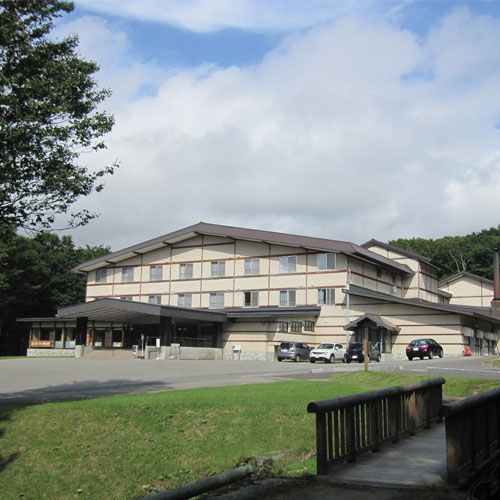
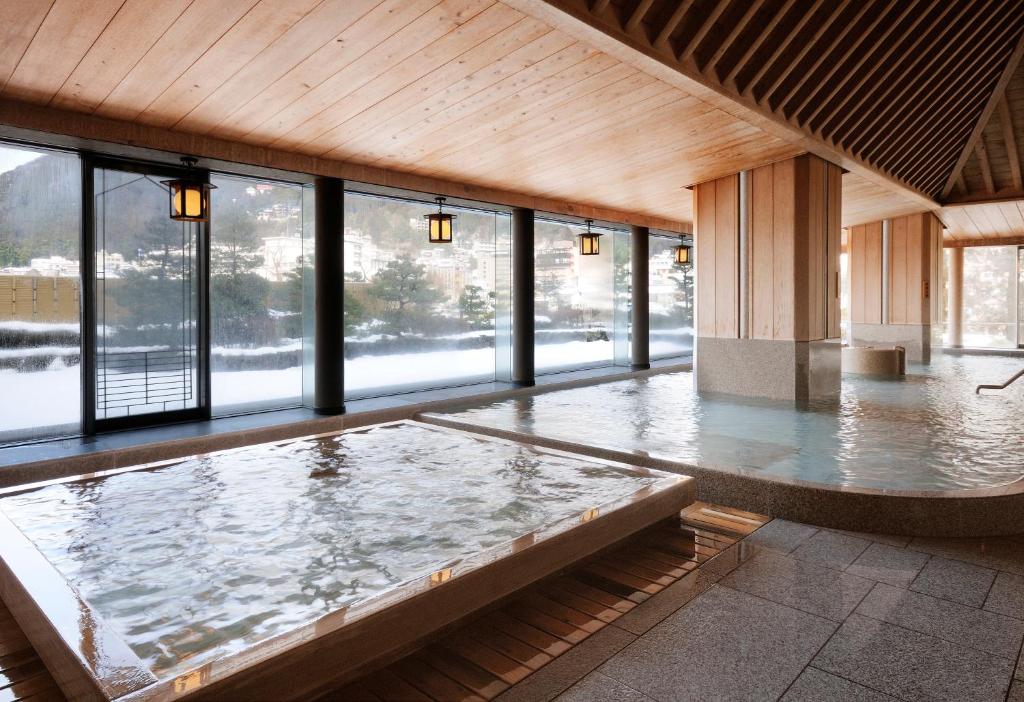
Loved the Simple Spring of Hanamaki Minami Onsenkyo? Try these too
Picked from onsen across Japan where you can enjoy the same Simple Spring.




Q & A
Frequently Asked Questions
Tap any question to expand the answer
Can I narrow down to only inns with a hot-spring analysis in Hanamaki Minami Onsenkyo?
Can I find tattoo-friendly inns with private baths or in-room open-air baths in Hanamaki Minami Onsenkyo?
Onsen towns are often rural with patchy Wi-Fi and limited public transport. Sort out data, tours and a car before you go.
- Japan eSIMAiralo
- Japan eSIMYesim
- Tours, passes & transfersGetYourGuide
- Tours, passes & transfersKKday
- Car rentalDiscover Cars
Includes affiliate links
References
Famous Onsen Areas with Simple Spring
Check access and tourist information on each onsen area column
Related Articles