Geto Onsen is known for its Chloride Spring; listed indications for this spring type include Skin Beauty, Wound Healing. Choose an inn by spring type, benefits and amenities, and book directly.
See inns in Geto OnsenOn this page you can filter Geto Onsen inns by spring type, benefits, tattoo-friendly, private bath and in-room open-air bath, and book on each property's Agoda or Rakuten page.
Overview
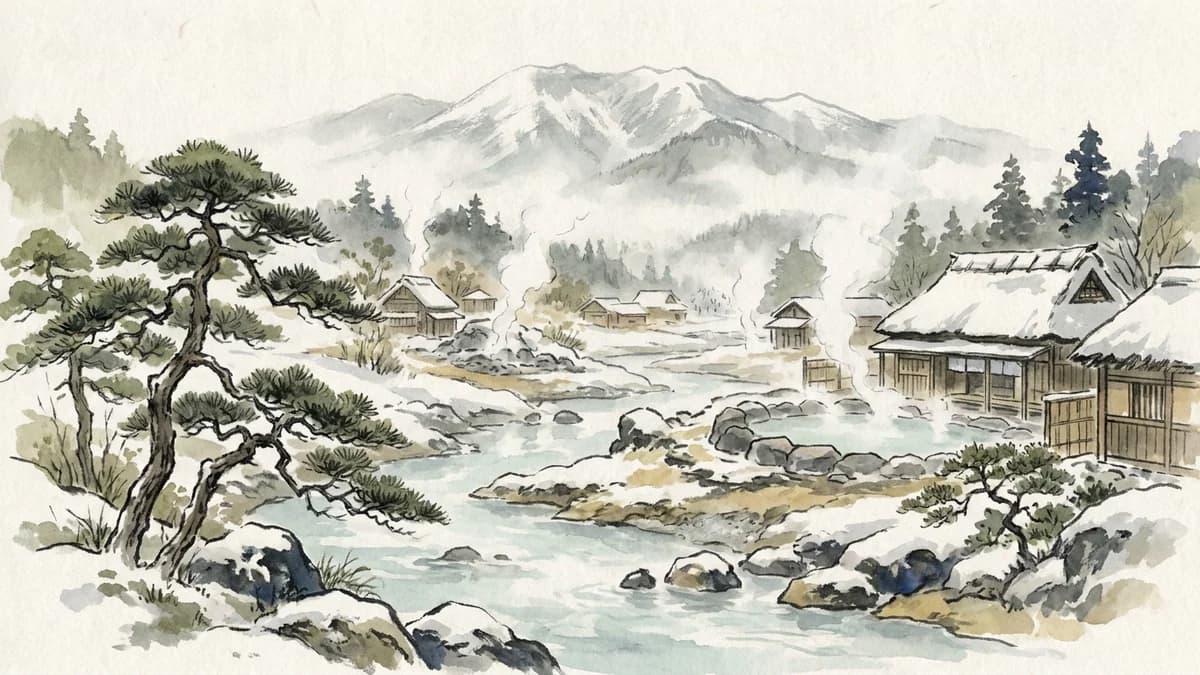
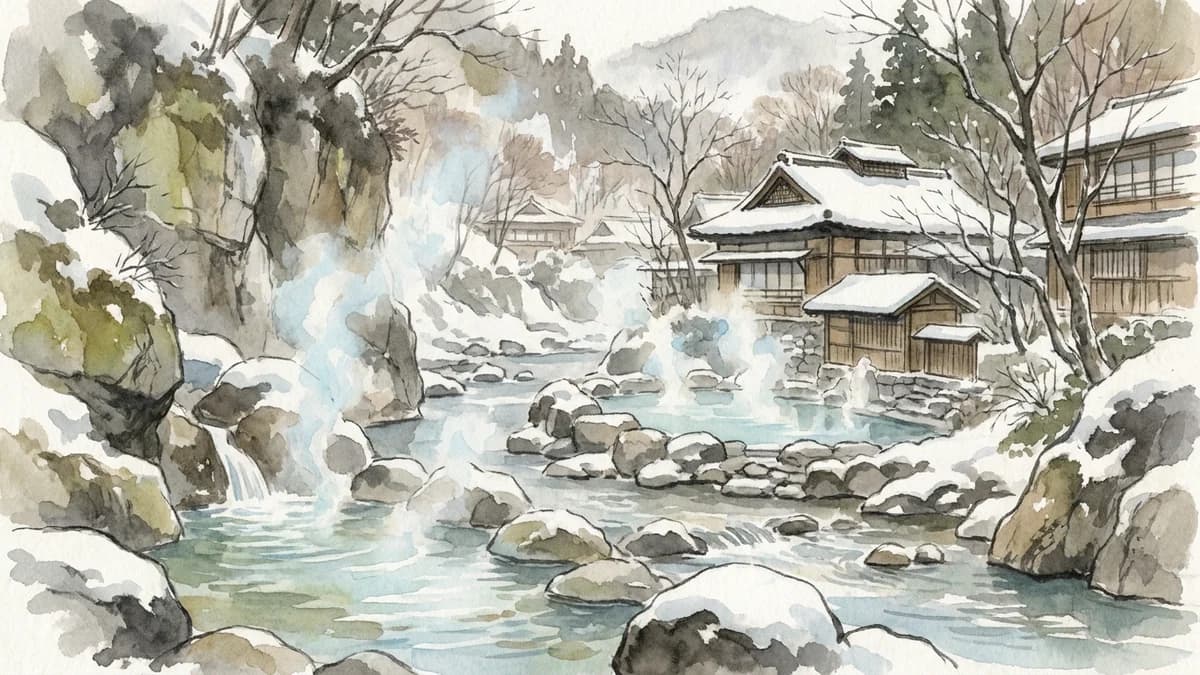
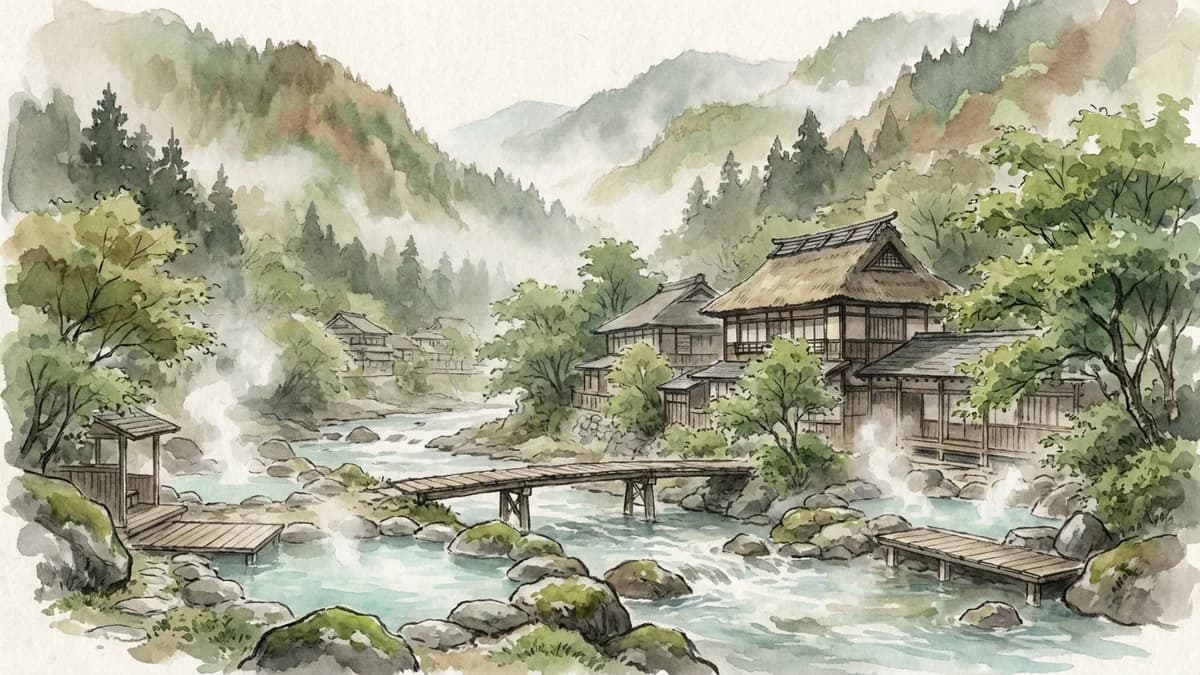
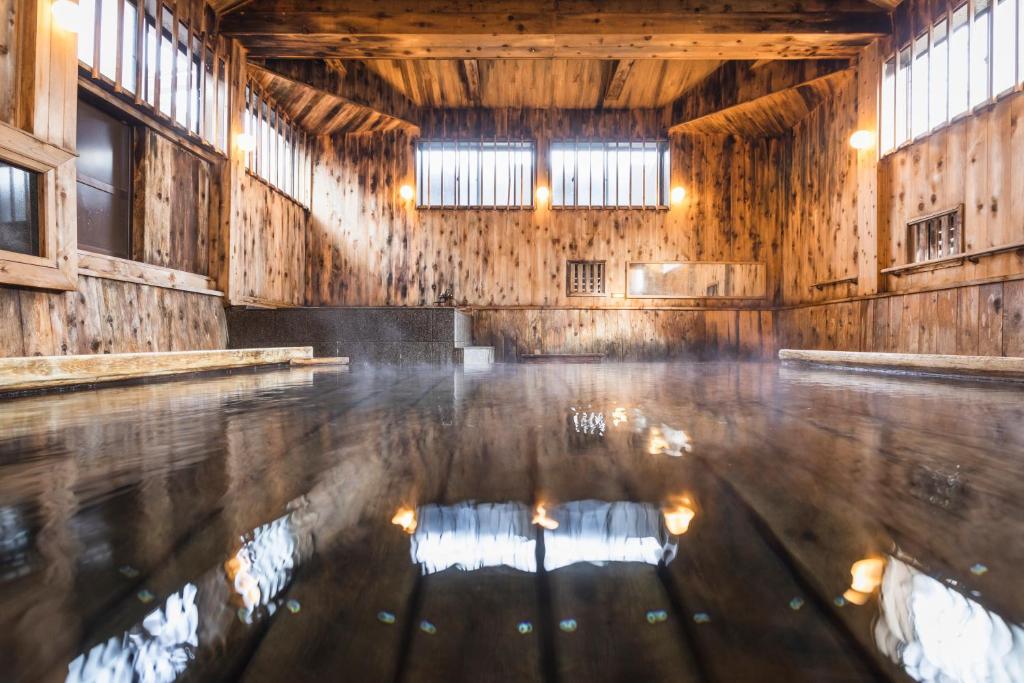
Geto Onsen is a secluded hot spring located at the foot of the Yakeishi mountain range in Kitakami, southern Iwate. Its history is ancient, said to have been discovered by the Heian period warrior Taira no Sadamitsu. It flourished as a "toji" (therapeutic bathing) site for the Date clan during the Edo period, and still retains a strong, traditional balneotherapy culture.
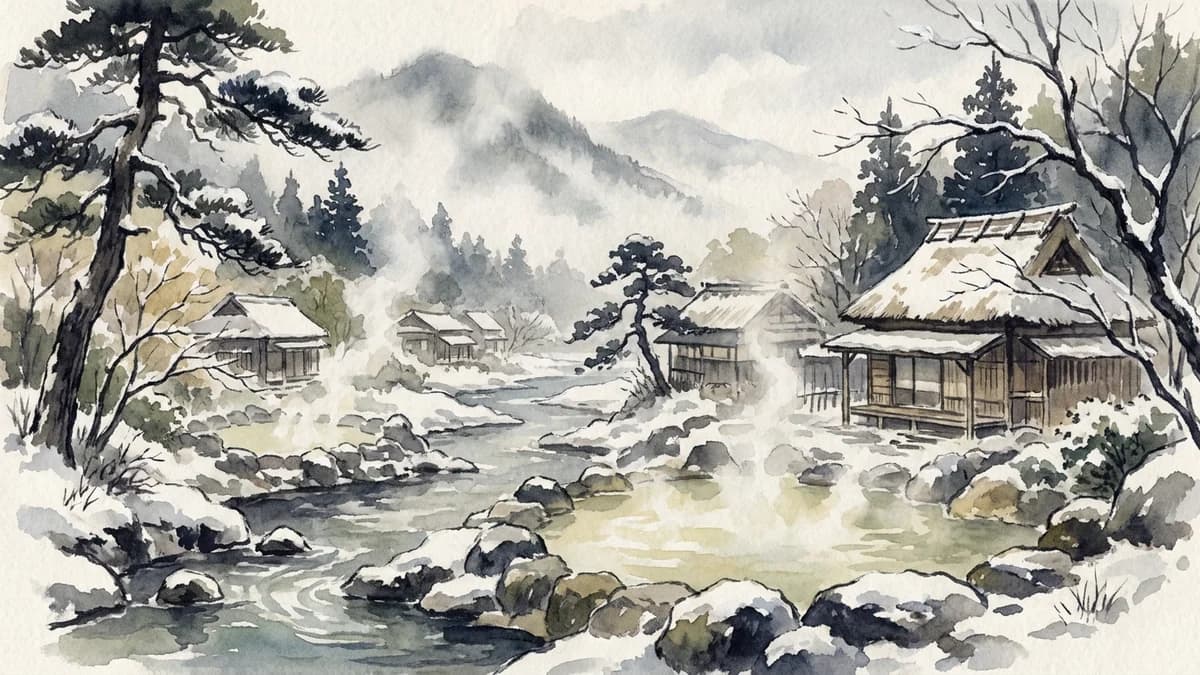
The most unique feature of this onsen is its location in one of the world's snowiest regions, causing it to be closed off from early November to early May each year. This harsh natural environment has preserved the pristine beauty of its beech forests and mountain streams, offering visitors a sense of tranquility and seclusion. It's a place to become one with nature, whether seeking cool breezes in summer or admiring the autumn foliage.
Key Spring Types & Benefits
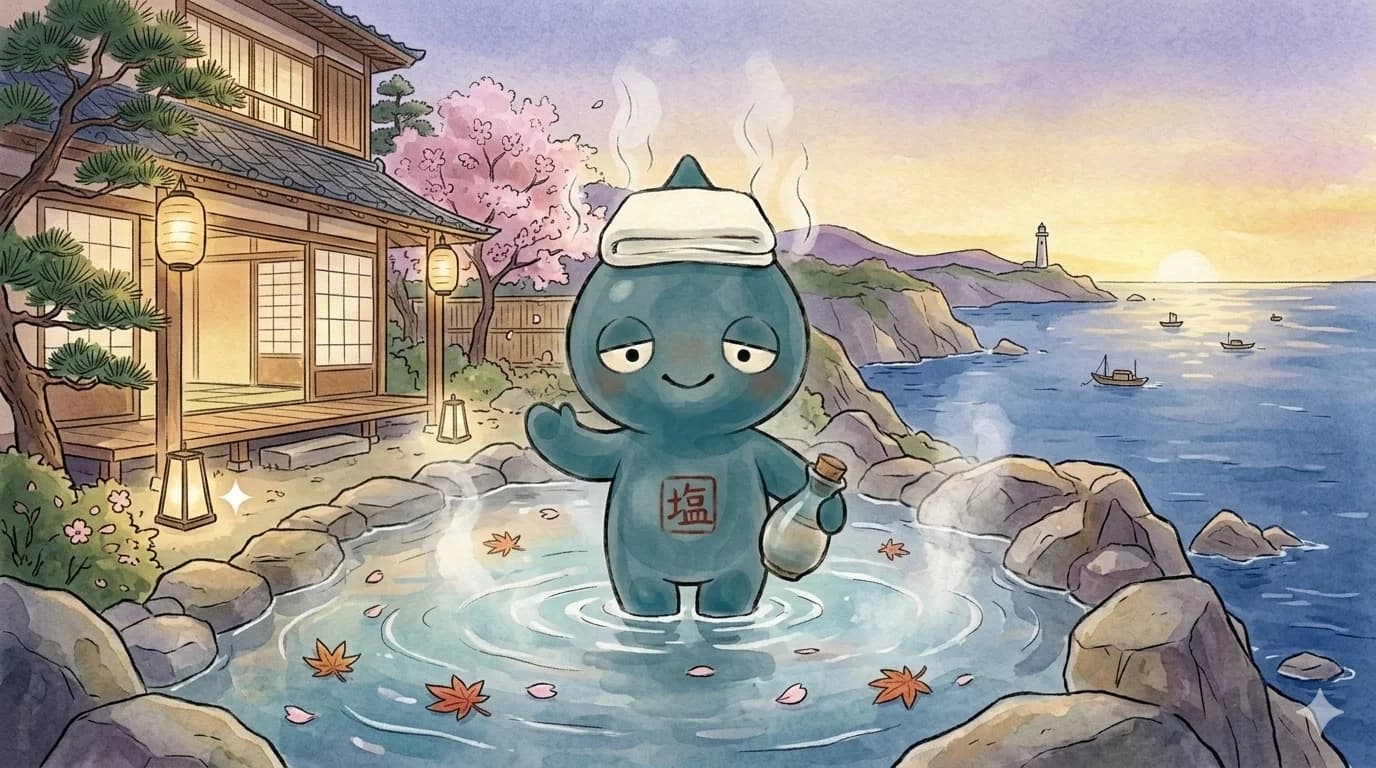
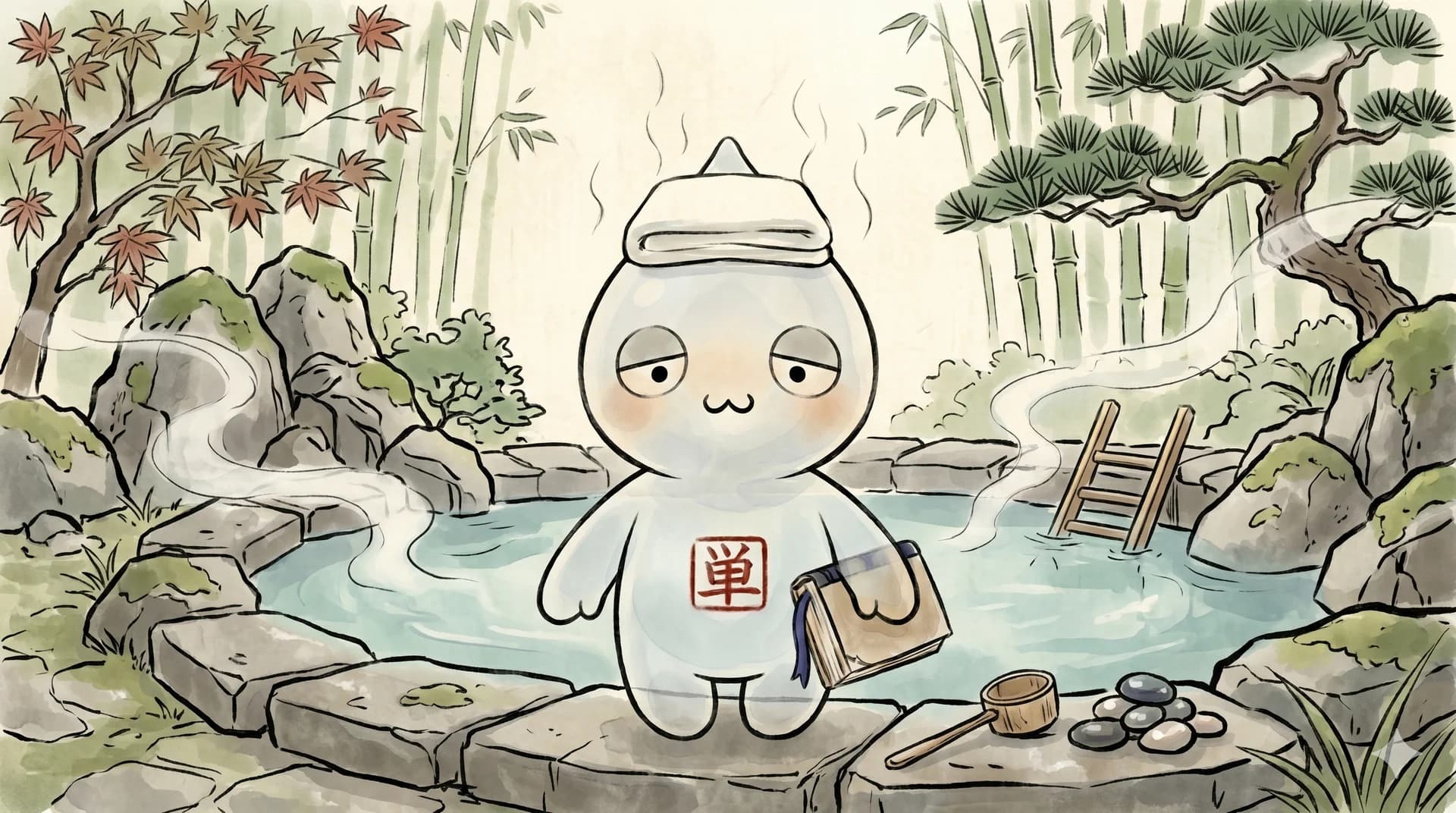
Geto Onsen is known for its variety of baths, with multiple sources dotted across the property. The main types are chloride springs that warm the body to the core, sulfur springs with a distinctive aroma that may promote silky skin, and gentle simple thermal springs. The ability to enjoy different water qualities in various baths is a major draw.
- CutsSoaking in the mineral-rich water may help with the healing of minor cuts. The warming properties of the chloride springs can improve circulation, which is said to support the body's natural recovery process.
- Poor peripheral circulation
- Sensitivity to coldGeto's chloride springs are particularly effective at warming the body from its core. The minerals form a light coating on the skin that helps retain heat long after bathing, which may help relieve chronic feelings of coldness.
- Dry skinThe sulfate springs found at Geto are known to have a moisturizing effect on the skin. Regular bathing may help replenish moisture and form a protective barrier, alleviating the discomfort and tightness associated with dry skin conditions.
- Atopic dermatitis
- Chronic eczema
- Autonomic instability
- Insomnia
Water Characteristics & Best Season
Geto Onsen boasts an abundant flow of hot spring water, with most baths being "gensen kakenagashi"—pure, free-flowing water straight from the source without any added water, heating, or circulation. Water temperatures vary by source, but soaking in a rustic open-air bath while listening to the sound of the stream is an exceptional experience. The operating season is from early May to early November. The most popular times to visit are from late May to June for the brilliant fresh green foliage, and October when the mountains are ablaze with autumn colors.
Access
Nearby Attractions & Local Cuisine
- Kitakami Tenshochi Park: A famous park known for its stunning cherry blossoms in spring.
- Michinoku Folklore Village: An open-air museum with relocated traditional houses, offering a glimpse into old Japanese life.
- Oni no Yakata (Ogre Museum): A unique museum dedicated to the 'Oni' (ogre) culture of the Kitakami area, including the 'Onikenbai' dance.
- Geto Kogen Ski Resort: For skiing and snowboarding in winter, or trekking and camping in the green season.
- Kitakami Croquette: A local specialty made with regional ingredients like taro, asparagus, and Japanese Black beef.
- Iwate Beef: A premium brand of beef known for its fine marbling and rich flavor.
- Irihata Dam: A dam on the Geto River, surrounded by beautiful natural scenery.
MORE WITH THE SAME SPRING TYPE
Loved the Chloride Spring of Geto Onsen? Try these too
Picked from onsen across Japan where you can enjoy the same Chloride Spring.




Q & A
Frequently Asked Questions
Tap any question to expand the answer
Can I narrow down to only inns with a hot-spring analysis in Geto Onsen?
Can I find tattoo-friendly inns with private baths or in-room open-air baths in Geto Onsen?
Onsen towns are often rural with patchy Wi-Fi and limited public transport. Sort out data, tours and a car before you go.
- Japan eSIMAiralo
- Japan eSIMYesim
- Tours, passes & transfersGetYourGuide
- Tours, passes & transfersKKday
- Car rentalDiscover Cars
Includes affiliate links
References
Famous Onsen Areas with Chloride Spring
Check access and tourist information on each onsen area column
Related Articles