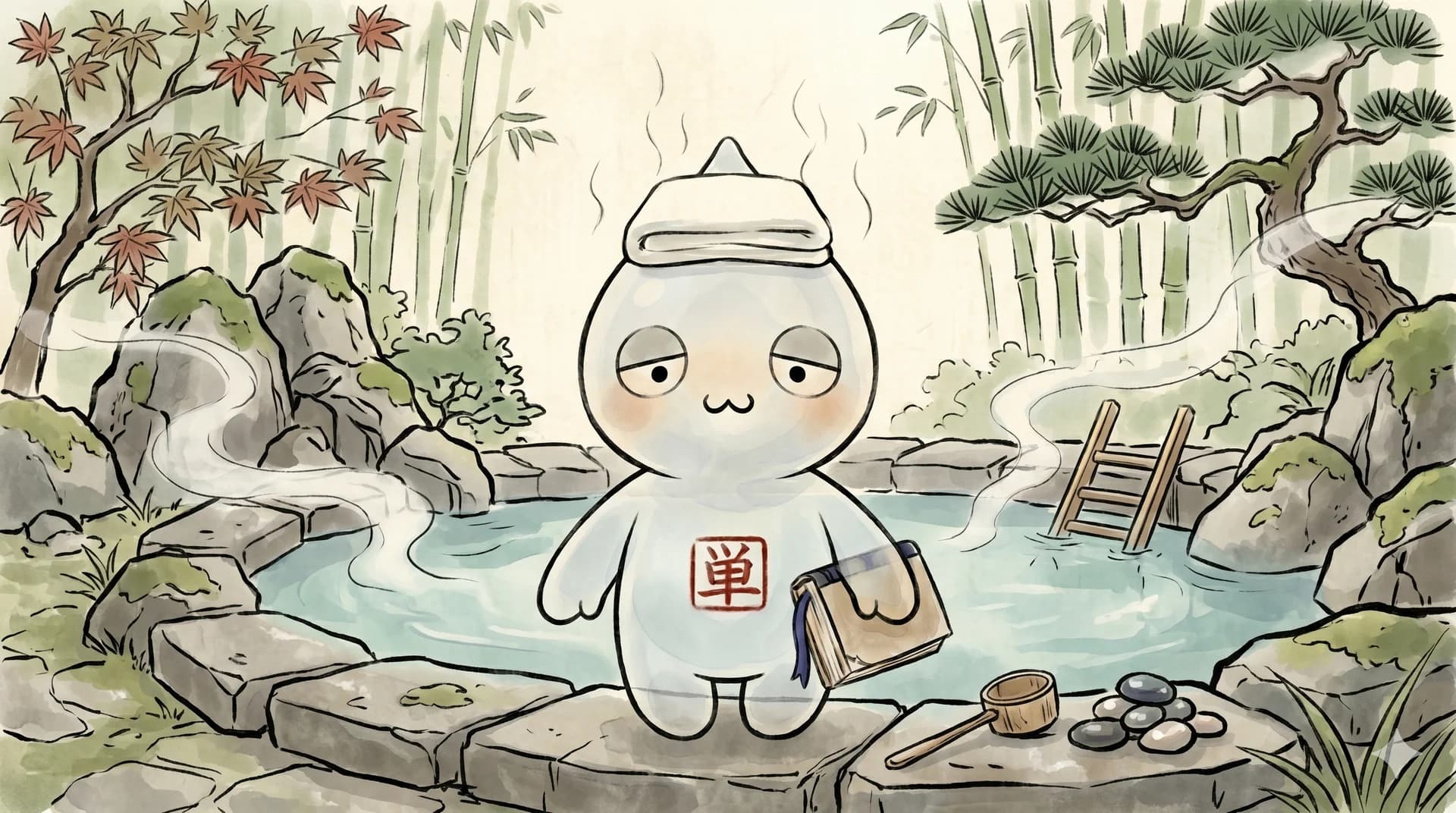
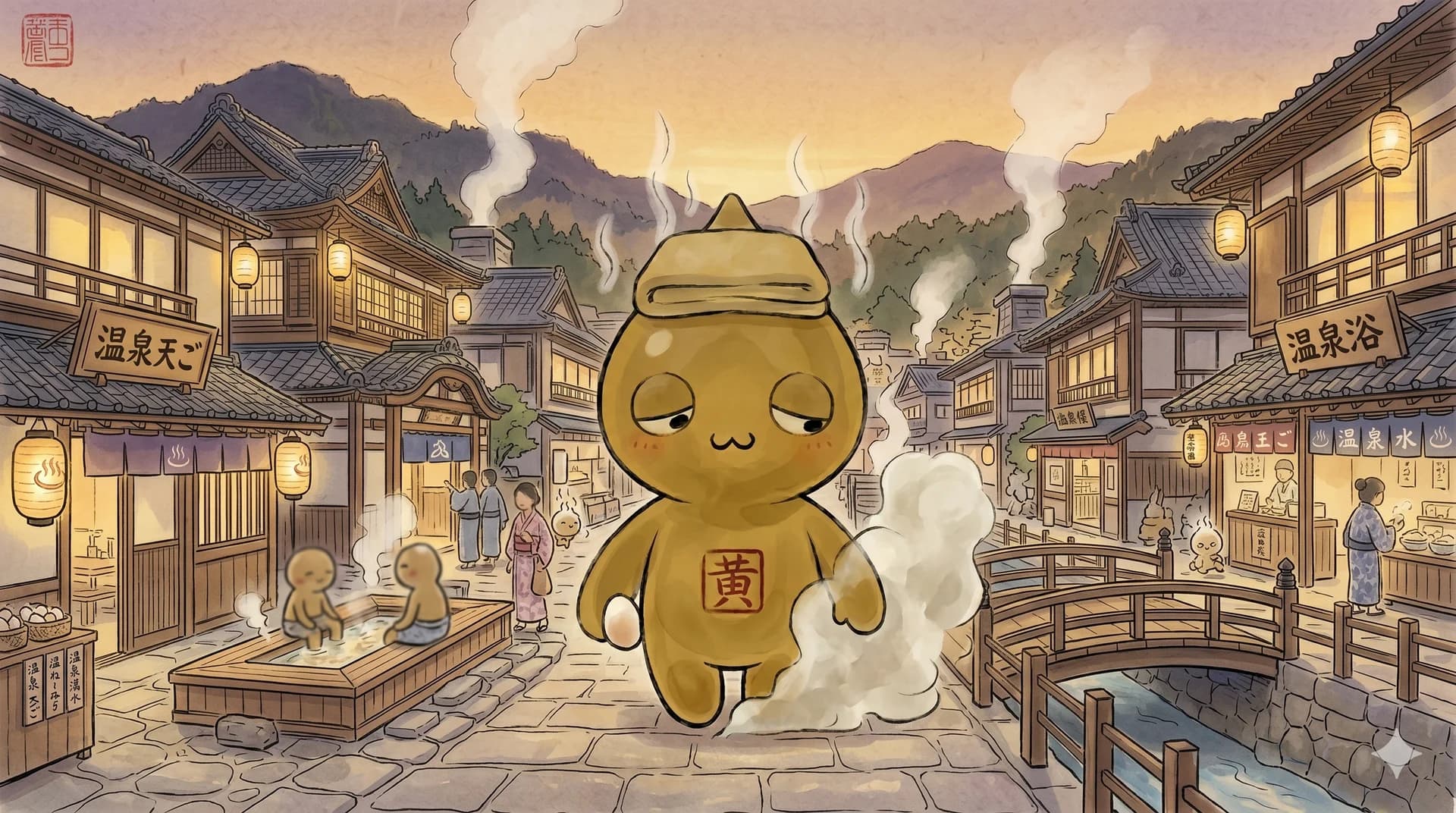
Oshuku Onsen is known for its Simple Hot Spring; listed indications for this spring type include Fatigue, Insomnia. Choose an inn by spring type, benefits and amenities, and book directly.
See inns in Oshuku OnsenOn this page you can filter Oshuku Onsen inns by spring type, benefits, tattoo-friendly, private bath and in-room open-air bath, and book on each property's Agoda or Rakuten page.
Overview
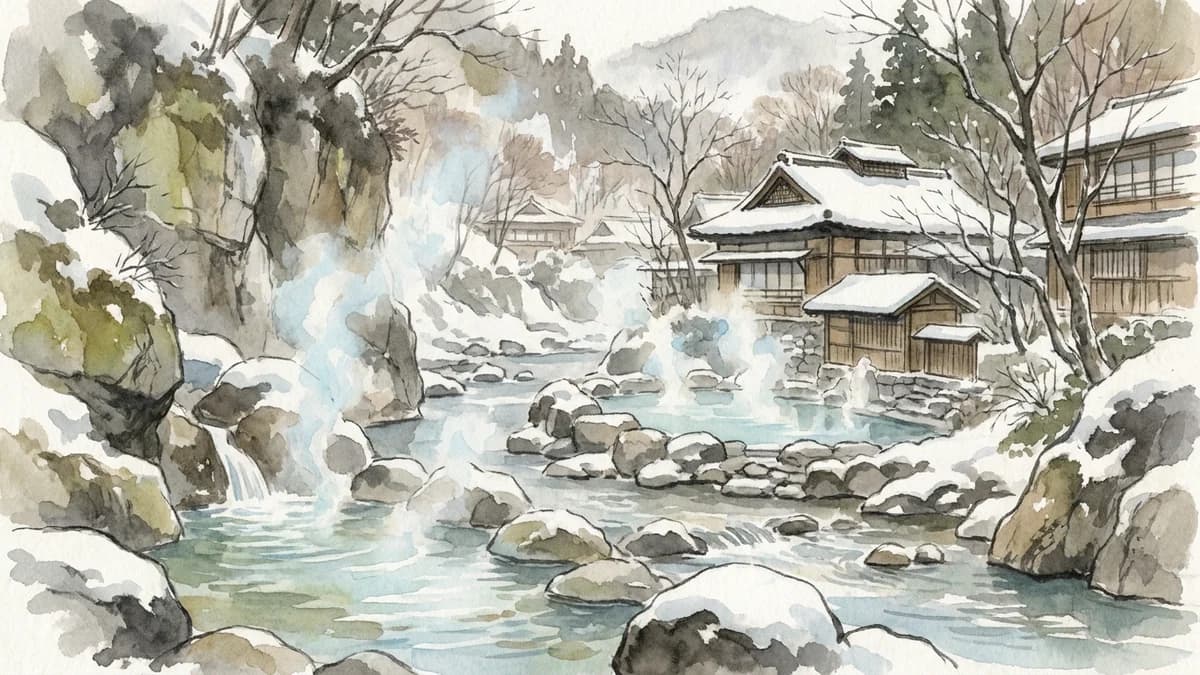
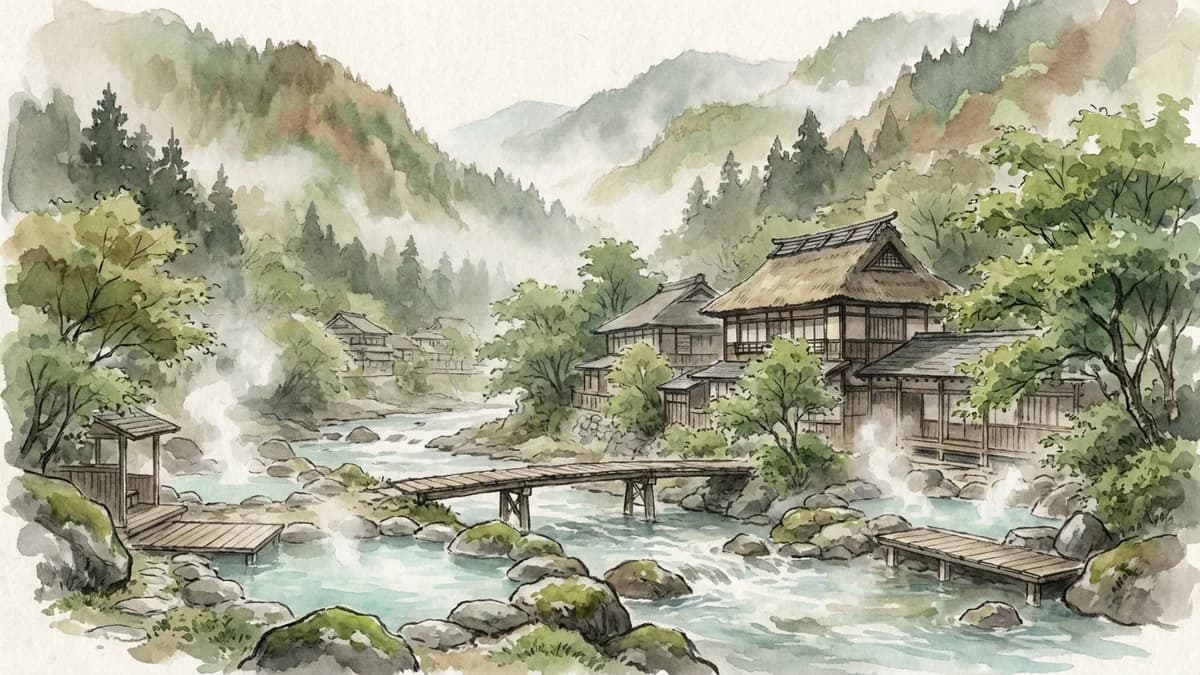
The history of Oshuku Onsen dates back about 450 years. Its name, which means "warbler's lodge," comes from a legend of an injured Japanese bush warbler that healed its leg in the bubbling spring before flying away. This story symbolizes the healing power of its waters.
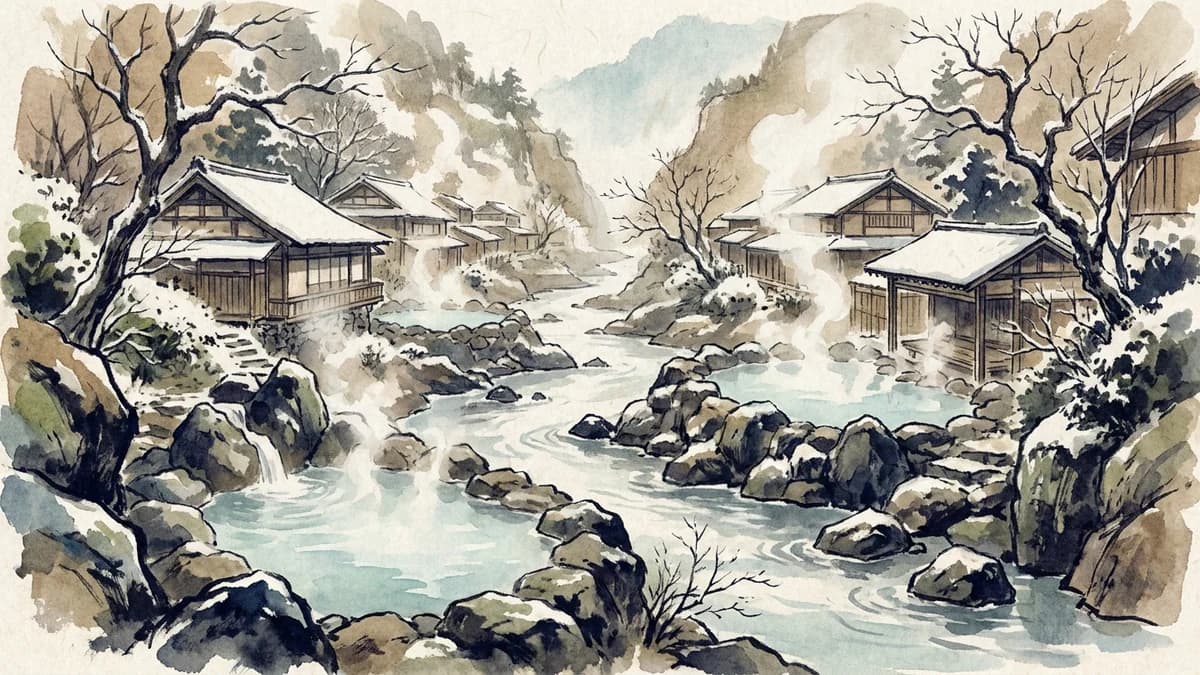
During the Edo period, it served as a therapeutic spa (toji) for the lord of the Morioka domain and has since healed countless visitors. Ryokans (traditional inns) line the clear Shizukuishi River, offering baths with views of the changing seasonal beauty of the valley. The quiet, nature-rich environment provides a perfect escape for deep relaxation.
Key Spring Qualities and Benefits
The primary spring type at Oshuku Onsen is alkaline simple thermal water, which is mild on the skin. With a high pH level, it is known as a "bijin-no-yu" (beauty-enhancing spring) for its expected effect of softening the skin's outer layer, resulting in a silky skin feel. Some facilities also feature sulfur springs, making it a noteworthy destination for balneotherapy.
- Autonomic instability
- Insomnia
- Sensitivity to coldThe thermal effects of bathing in the onsen's naturally hot water can help warm the body deeply. This improved circulation may provide relief for those who often feel cold or have a persistent sensitivity to lower temperatures.
- CutsThe healing properties of the onsen are said to be beneficial for minor cuts and scrapes. This belief is rooted in the onsen's founding legend, where a wounded warbler was seen healing itself in the spring's waters. The gentle nature of the simple thermal spring may help soothe the affected area.
- Atopic dermatitisThe spring water is noted for being gentle and non-irritating, making it suitable for sensitive skin. Soaking in the simple thermal spring may help soothe the skin and provide relief from the discomfort associated with atopic conditions.
- Chronic eczemaAs with other sensitive skin conditions, the gentle and soothing qualities of the simple thermal spring may be beneficial. Regular bathing may help calm irritation and manage the symptoms of persistent eczema by providing a non-irritating environment for the skin.
- Impaired glucose tolerance (diabetes)
Water Characteristics and Best Season
The source temperature is high, ranging from 50 to 60°C (122-140°F), and the springs boast an abundant flow. Many inns offer gensen kakenagashi baths, where fresh, free-flowing hot spring water is used. The water is clear and colorless, generally odorless but sometimes with a faint scent of sulfur, making it accessible to everyone. Its smooth, slightly viscous texture gently envelops the skin.
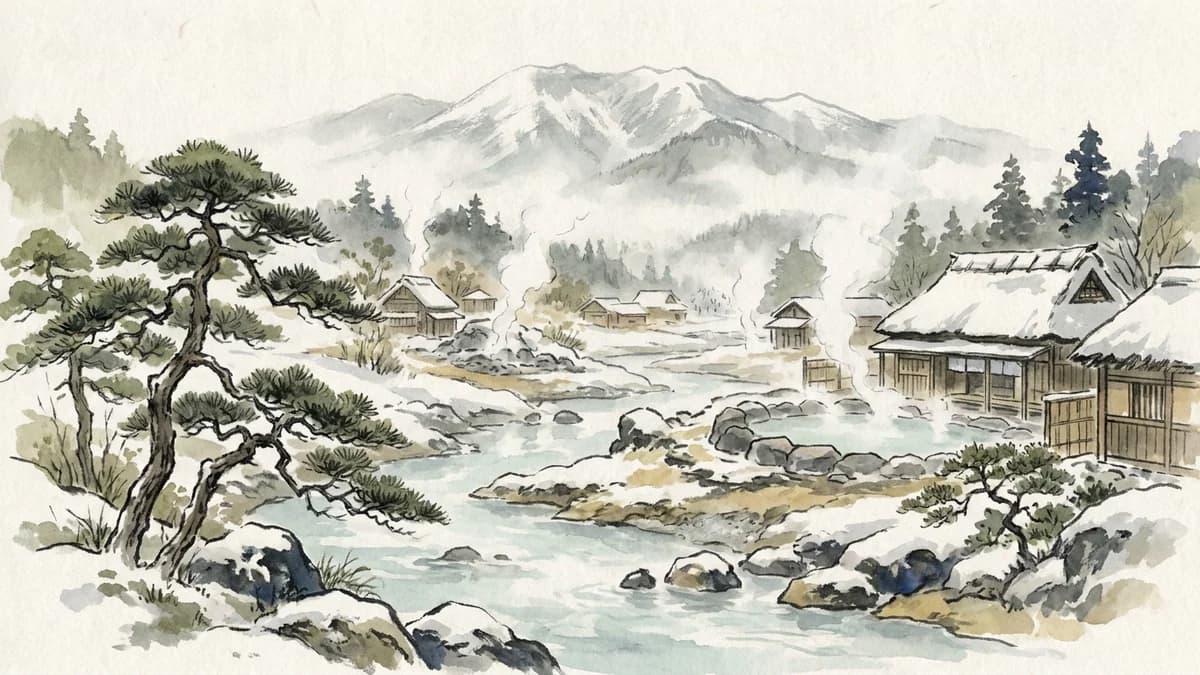
While Oshuku Onsen can be enjoyed year-round, the best times to visit are in spring (May-June) for the vibrant green foliage and autumn (October-November) when the valley is ablaze with fall colors. A winter visit also offers the special experience of a yukimi-buro (snow-viewing bath).
Access
Nearby Sightseeing and Local Cuisine
- Koiwai Farm Makibaen: A popular tourist spot with a vast farm where you can interact with nature and animals.
- Morioka Handi-Works Square: A facility where you can try making traditional Iwate crafts like Nambu ironware and dyed fabrics.This unique village gathers workshops for ten of Morioka's most famous traditional crafts in one location. Visitors can observe skilled artisans at work and even try their hand at creating their own masterpiece, such as Nambu ironware or hand-dyed textiles. It's an excellent place to find authentic, high-quality souvenirs directly from the makers.
- Shizukuishi Ski Resort: A winter destination known for its powder snow.
- Morioka's Three Great Noodles: Savor the authentic taste of Wanko Soba, Morioka Reimen, and Jajamen in Morioka City.
- Shizukuishi Beef: A local brand of beef, delicious as steak or yakiniku.
- Kenji World (Summer only): An indoor water park for fun regardless of the weather.
- Lake Gosho: An artificial lake perfect for lakeside strolls and activities like canoeing.
MORE WITH THE SAME SPRING TYPE
Loved the Simple Spring of Oshuku Onsen? Try these too
Picked from onsen across Japan where you can enjoy the same Simple Spring.




Q & A
Frequently Asked Questions
Tap any question to expand the answer
Can I narrow down to only inns with a hot-spring analysis in Oshuku Onsen?
Can I find tattoo-friendly inns with private baths or in-room open-air baths in Oshuku Onsen?
Onsen towns are often rural with patchy Wi-Fi and limited public transport. Sort out data, tours and a car before you go.
- Japan eSIMAiralo
- Japan eSIMYesim
- Tours, passes & transfersGetYourGuide
- Tours, passes & transfersKKday
- Car rentalDiscover Cars
Includes affiliate links
References
Famous Onsen Areas with Simple Spring
Check access and tourist information on each onsen area column
Related Articles