4 Spring Types Indicated for Cold Sensitivity
Japan's Ministry of the Environment lists four spring types with official bathing indications for peripheral circulatory failure (cold sensitivity, poor circulation):
Form a heat-retaining salt film on the skin — known as the "heat spring" (熱の湯)
Dilate skin capillaries and improve local blood flow
Support arterial circulation and peripheral recovery
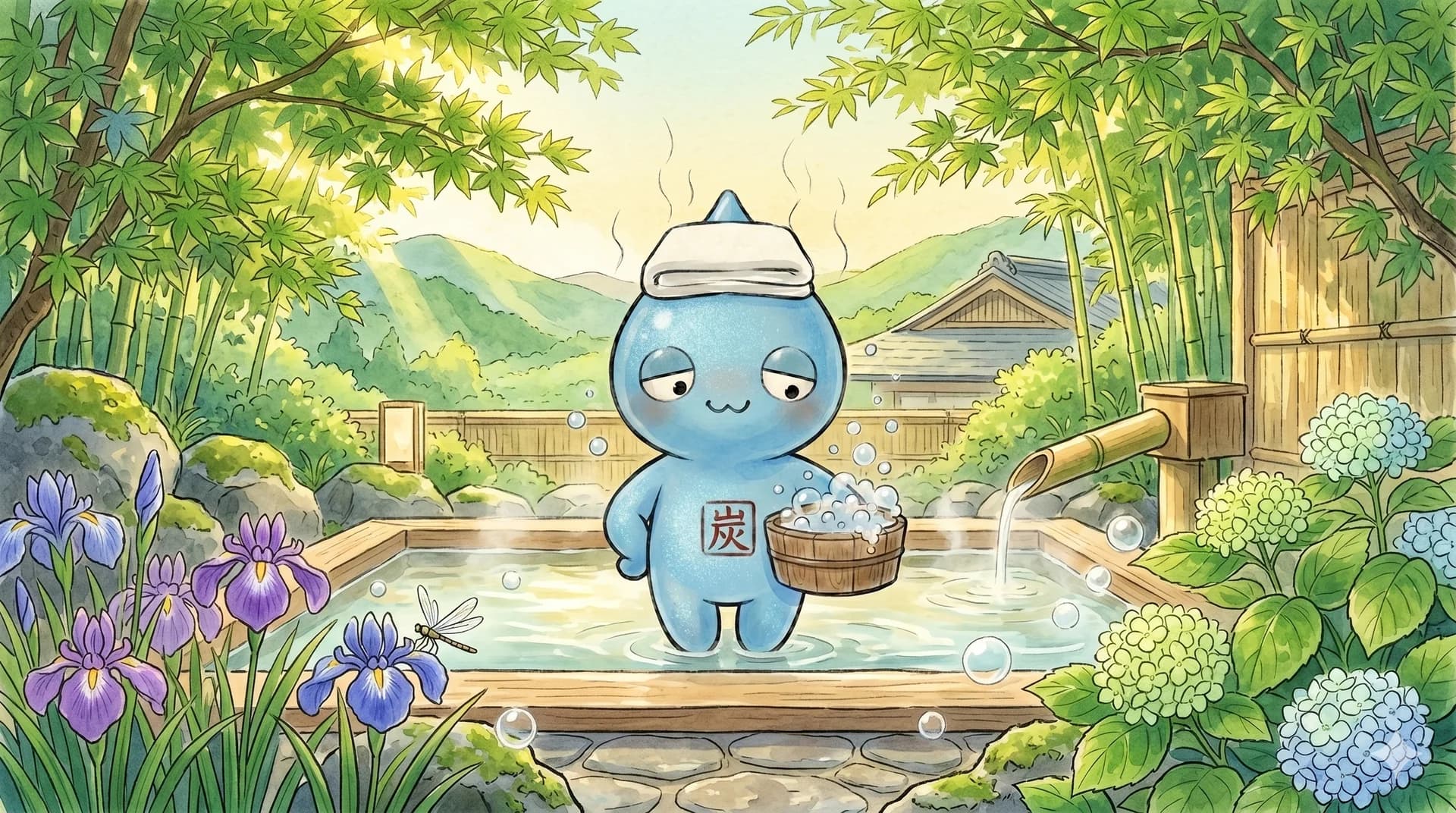
CO₂ absorbed through the skin dilates blood vessels without raising core body temperature — the "heart-friendly bath"
Onsen minerals involved in cold sensitivity
CO₂ absorbed through the skin dilates peripheral vessels and boosts blood flow — the key mineral for cold sensitivity.
Chloride ions form a salt film on the skin that sustains warmth long after the bath.
How onsen is thought to affect cold sensitivity
Cold sensitivity arises when peripheral vessels in the hands and feet constrict and blood flow stagnates. Thermal action widens the vessels and improves flow, while a chloride salt film prevents post-bath chilling. Carbon dioxide springs are often chosen because they are said to dilate vessels without sharply raising core temperature.
Filter on the map & mineral viewer
Filter by the relevant spring types and find onsen you like from the map or list. Compare analysis details with the mineral viewer.
Bathing tips for cold sensitivity
- Splash water on limbs before full immersion to prevent blood pressure spikesThis preparatory step helps your body acclimate to the water temperature. Gradually warming your extremities first can prevent the shock of full immersion, which may cause sudden and dangerous spikes in blood pressure.
- Ideal temperature: 40–41°C — above 42°C stimulates the sympathetic system and can worsen cold extremitiesBathing in water that is too hot can be counterproductive for improving circulation. Temperatures above 42°C may overstimulate the sympathetic nervous system, leading to the constriction of blood vessels and potentially worsening cold hands and feet.
- CO₂ springs run at 38–40°C; soak 15–30 minutes to maximise capillary dilationCarbon dioxide springs are effective at lower temperatures because the dissolved gas enhances circulation. Soaking for 15 to 30 minutes allows ample time for the CO₂ to be absorbed through the skin, which helps to dilate peripheral blood vessels without the strain of high heat.
- Dress quickly after a chloride spring bath to preserve the heat-retaining coatingChloride springs are known as 'waters of warmth' because they leave a fine salt film on the skin. This coating acts as an insulating layer, so dressing quickly after your bath helps trap this warmth and prolong the heat-retaining benefits.
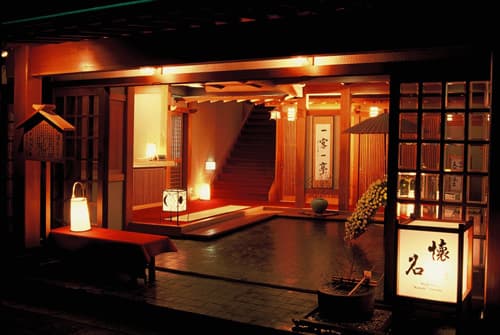
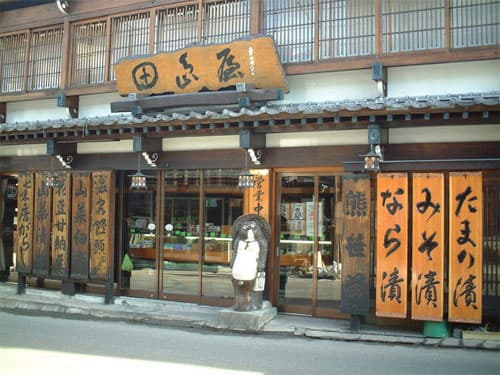
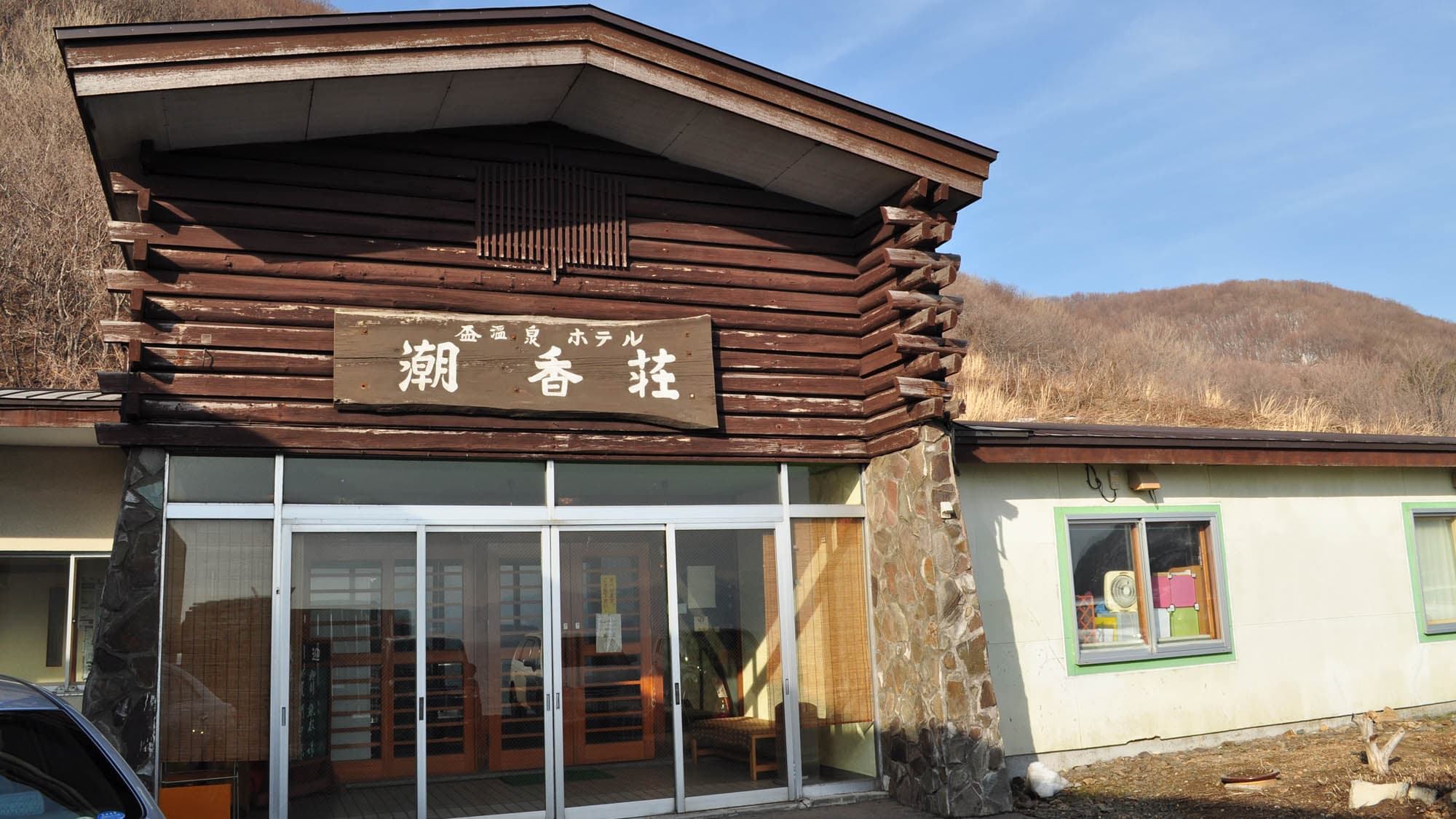
Related Onsen Facilities


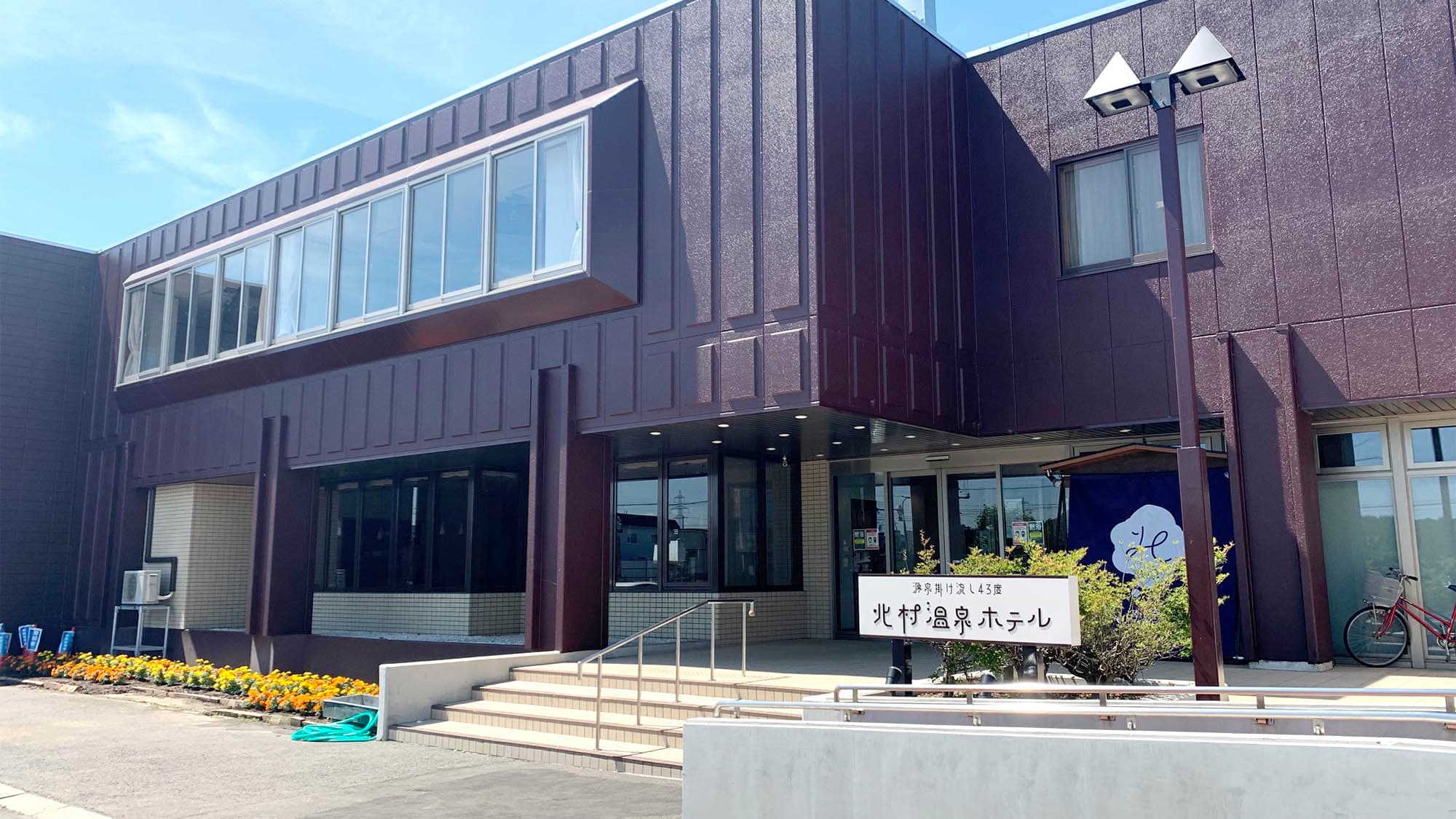





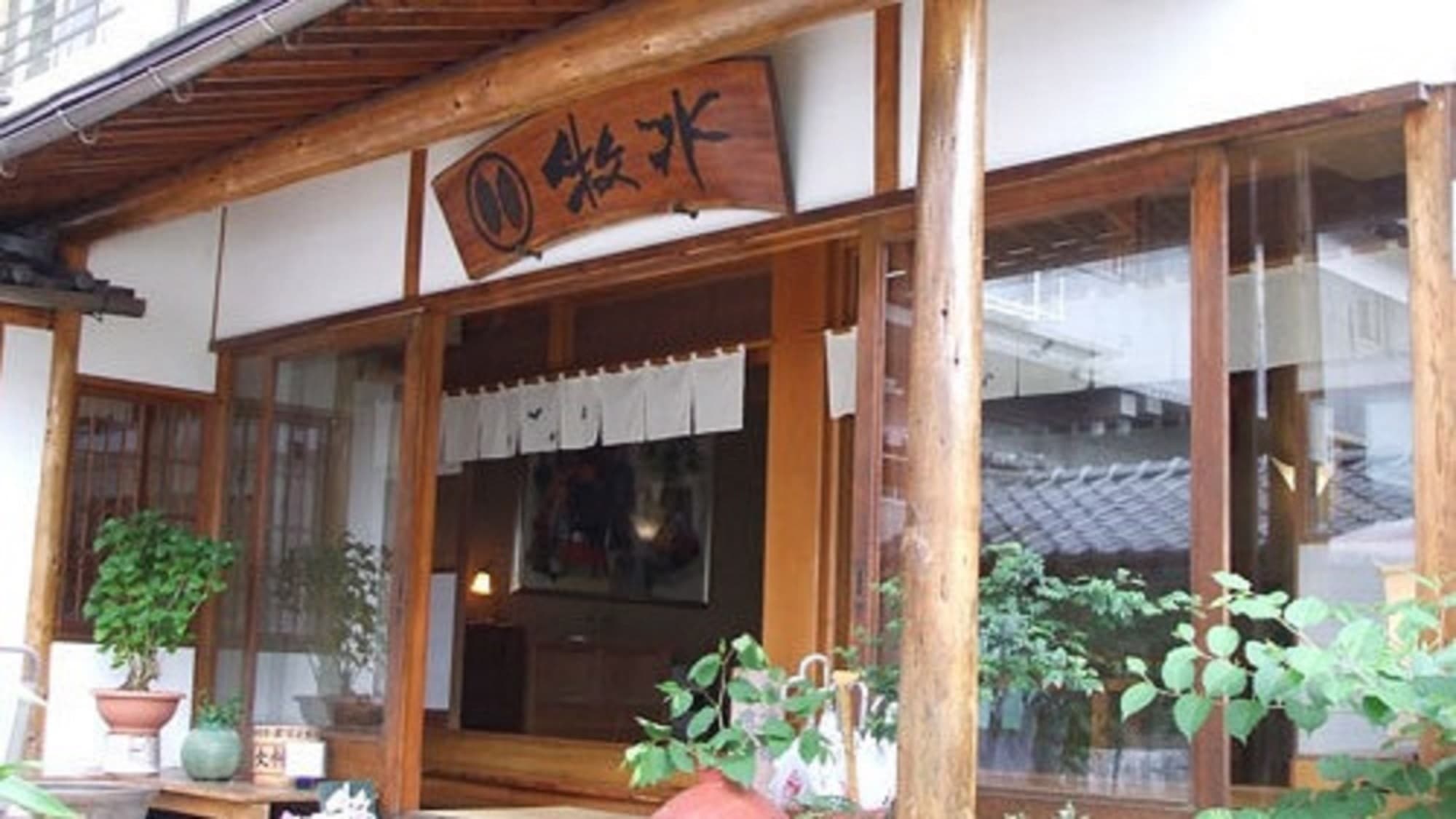


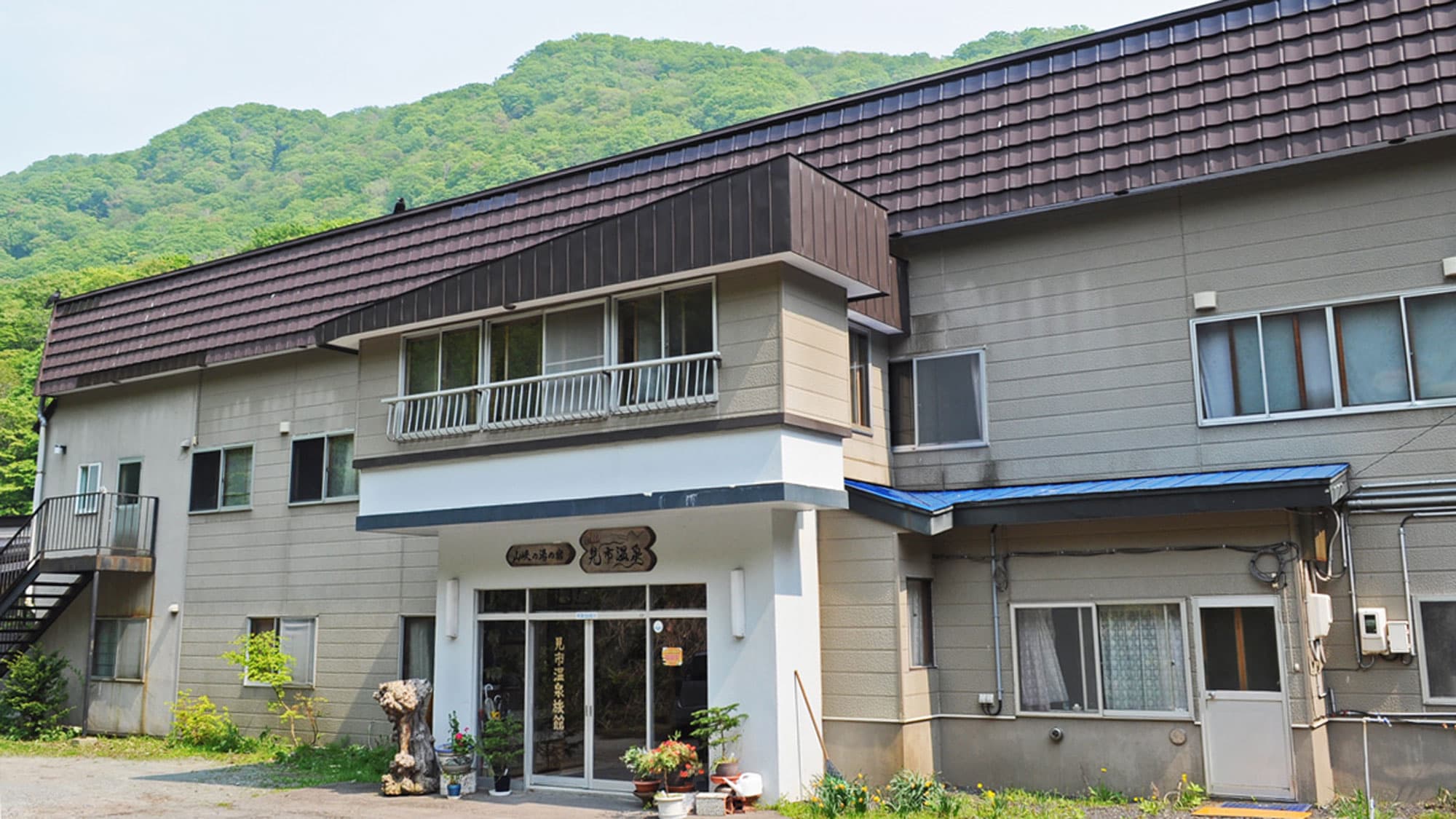










INTERACTIVE TOOLS
Tools available only on this site
Rank the best onsen for your symptom
Rank onsens whose spring types are indicated for Cold Sensitivity using analysis-sheet data, then jump straight to booking sites by area.
See ranked picks →Filter qualifying onsens on the interactive map
Plot only hot springs with spring types indicated for Cold Sensitivity on a nationwide map. Secondary filters available for distance and lodging category.
Open on map →Quick path from onsen pages to booking sites
From related onsen pages indicated for Cold Sensitivity, jump to Agoda, Rakuten Travel, Booking.com, and other booking sites in a single click.
View related onsens →Visualize chemical basis with real numbers (pH, minerals, temperature)
Filter spring types indicated for Cold Sensitivity on /explore, then refine by pH, temperature, and natural-flow status. Make decisions on actual measurements (metasilicic mg/kg, pH, temperature) — not AI-generated approximations.
Refine by real data →* Booking links on each onsen page (Agoda, Rakuten Travel, Booking.com, etc.) contain affiliate links. Please check each booking site for the latest terms and pricing.
Choose a ryokan by how you bathe
Onsen towns are often rural with patchy Wi-Fi and limited public transport. Sort out data, tours and a car before you go.
- Japan eSIMAiralo
- Japan eSIMYesim
- Tours, passes & transfersGetYourGuide
- Tours, passes & transfersKKday
- Car rentalDiscover Cars
Includes affiliate links
References
Explore Spring Types for This Condition
Related Articles