Spring types indicated for fatigue recovery
Fatigue recovery and health promotion are general indications shared by every spring type. Every spring type is listed, but for specific goals these types are popular choices.
strong heat retention — ideal for muscle fatigue after exercise
said to boost peripheral blood flow; a common choice for sluggishness and swelling
circulation and calming effects for chronic tiredness
gentle and easy to enter even when you are run down
How onsen bathing fights fatigue
Three universal mechanisms active in every spring type work together to restore energy:
- Thermal effect: Raised body temperature dilates blood vessels, accelerating removal of lactic acid and other fatigue metabolitesThe warmth of the onsen water raises your core body temperature. This causes blood vessels to expand and promotes circulation, and fatigue recovery is listed among the general indications for bathing.
- Hydrostatic pressure: Water pressure is thought to promote venous and lymphatic return and reduce oedema
- Buoyancy: Body weight drops to about one-ninth in water, releasing stress on muscles and joints for deep relaxationWhile submerged in water, your body feels significantly lighter, weighing only about one-ninth of its normal amount. This relieves the everyday strain on your muscles and joints, allowing them to release tension and enabling a state of deep physical relaxation.
Filter on the map & mineral viewer
Filter by the relevant spring types and find onsen you like from the map or list. Compare analysis details with the mineral viewer.
Optimal bathing technique for recovery
- Water temperature 40–41°C, soak time 10–15 minutes as a baselineThis specific temperature range is ideal for maximizing the onsen's thermal effect. It gently raises your body temperature to dilate blood vessels and promote circulation, leaving your muscles feeling relaxed.
- Rest 15–30 minutes after bathing to sustain the metabolite-clearance effectThe warmth of your bath continues even after you get out of the water. Taking time to rest allows your body to cool down gradually and settle, making this post-bath pause an important part of unwinding.
- Avoid bathing immediately after alcohol, when very hungry, or just after a large mealBathing under these conditions can place excessive strain on your body. Soaking after consuming alcohol can cause a sharp drop in blood pressure, while bathing on an empty stomach may lead to dizziness. A bath right after a meal can interfere with digestion and strain your heart.
- When exhausted, start with a half-body soak (5 minutes) rather than a full immersionWhen your body is already weakened by exhaustion, a full immersion in hot water can be overly strenuous. A shorter, five-minute half-body bath (hanshin-yoku) reduces the hydrostatic pressure and thermal load on your heart and lungs, offering a gentler path to recovery.
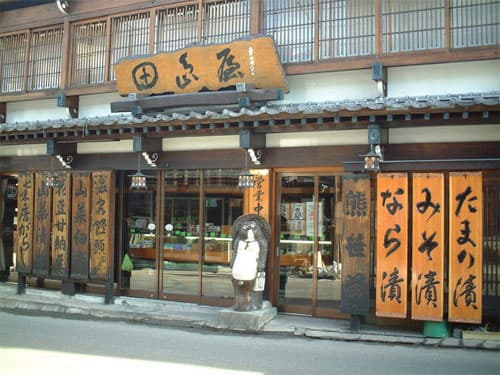
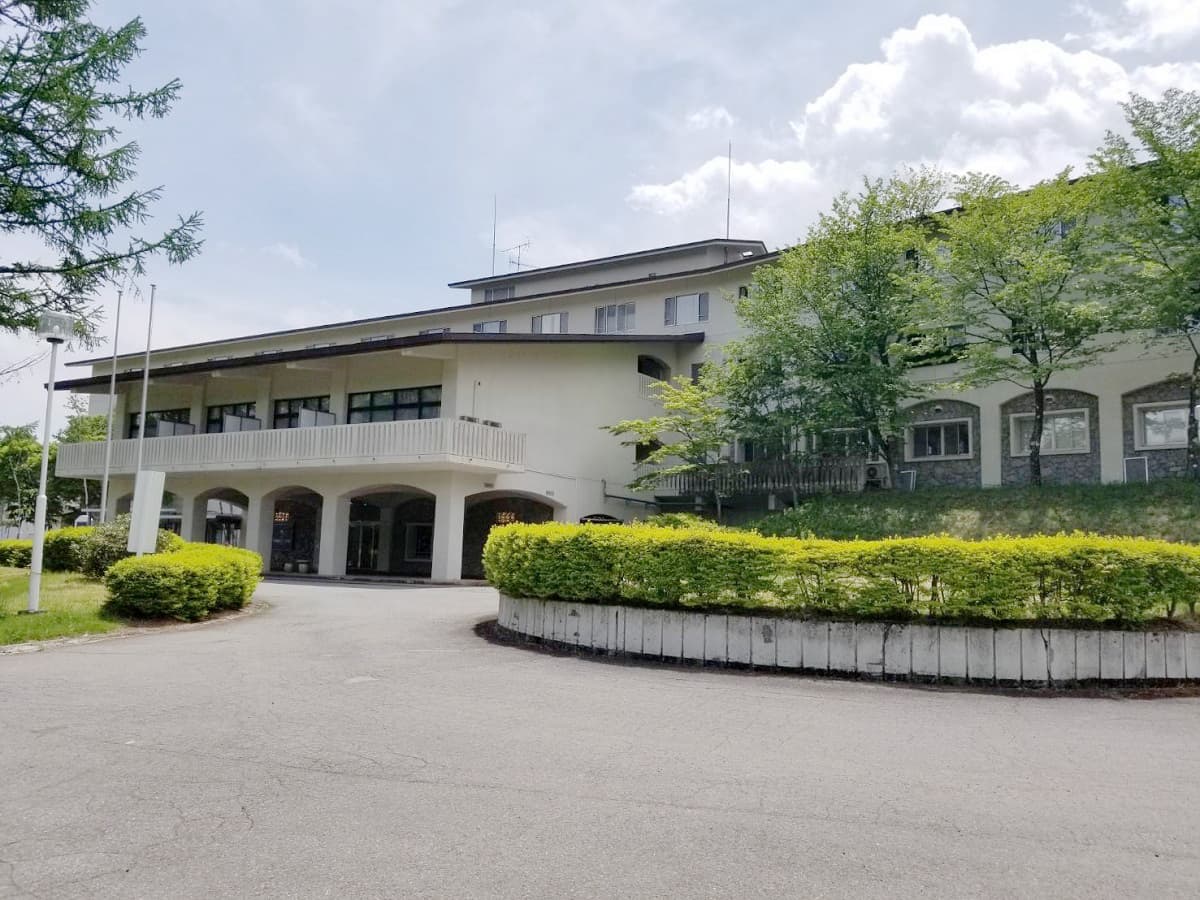
Related Onsen Facilities








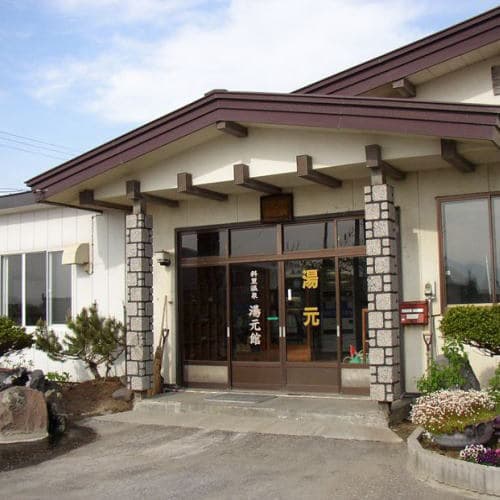
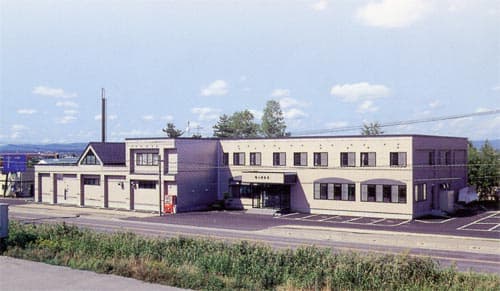

INTERACTIVE TOOLS
Tools available only on this site
Rank the best onsen for your symptom
Rank onsens whose spring types are indicated for Fatigue Recovery using analysis-sheet data, then jump straight to booking sites by area.
See ranked picks →Filter qualifying onsens on the interactive map
Plot only hot springs with spring types indicated for Fatigue Recovery on a nationwide map. Secondary filters available for distance and lodging category.
Open on map →Quick path from onsen pages to booking sites
From related onsen pages indicated for Fatigue Recovery, jump to Agoda, Rakuten Travel, Booking.com, and other booking sites in a single click.
View related onsens →Visualize chemical basis with real numbers (pH, minerals, temperature)
Filter spring types indicated for Fatigue Recovery on /explore, then refine by pH, temperature, and natural-flow status. Make decisions on actual measurements (metasilicic mg/kg, pH, temperature) — not AI-generated approximations.
Refine by real data →* Booking links on each onsen page (Agoda, Rakuten Travel, Booking.com, etc.) contain affiliate links. Please check each booking site for the latest terms and pricing.
Choose a ryokan by how you bathe
Onsen towns are often rural with patchy Wi-Fi and limited public transport. Sort out data, tours and a car before you go.
- Japan eSIMAiralo
- Japan eSIMYesim
- Tours, passes & transfersGetYourGuide
- Tours, passes & transfersKKday
- Car rentalDiscover Cars
Includes affiliate links
References
Explore Spring Types for This Condition
Related Articles