SYMPTOMS
Symptom Guide
Springs suited to specific symptoms
30 ARTICLES
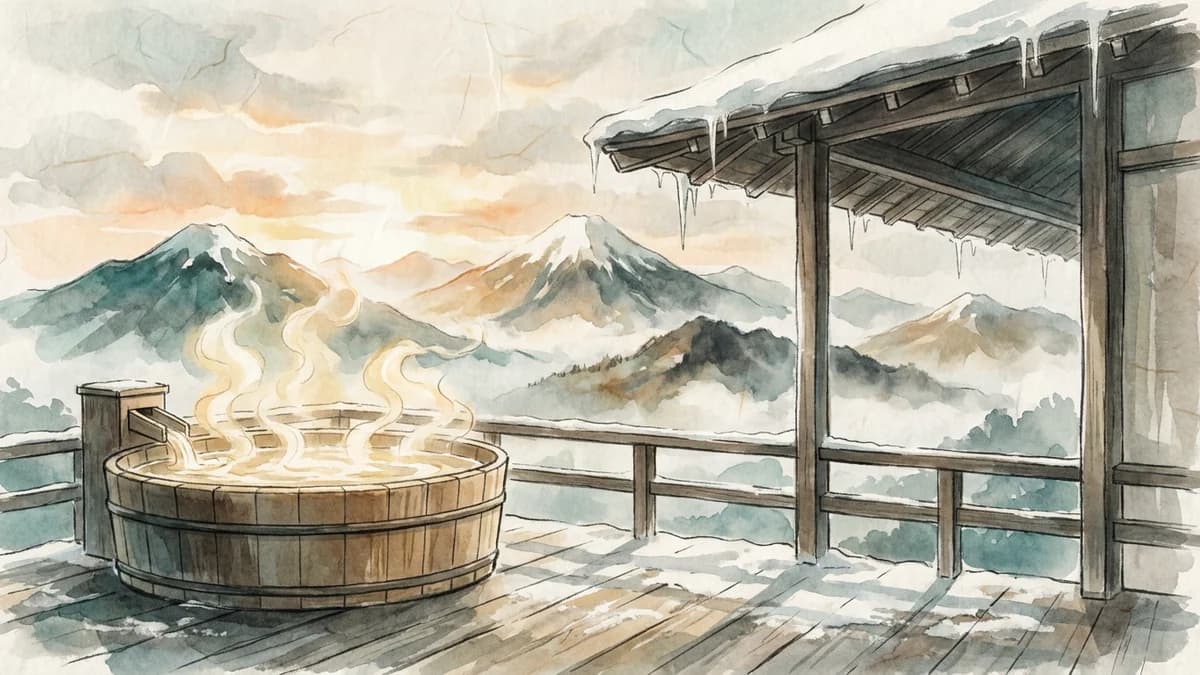
Hot Springs for Cold Sensitivity | 4 Spring Types Explained
Discover which hot spring types are officially indicated for cold sensitivity and peripheral circulatory disorders, based on Japan's Ministry of the Environment guidelines. Chloride springs form a heat-retaining salt film on the skin, while carbon dioxide springs dilate blood vessels directly through the skin without stressing the heart.
Peripheral Circulation Disorders & Onsen | All 10 Spring Types Indicated
Peripheral circulation disorders — poor blood flow to the extremities — carry a general bathing indication across all 10 Japanese spring types recognised by the Ministry of the Environment. Thermal dilation of peripheral blood vessels is the core mechanism, with sulfur springs (hydrogen sulfide type) additionally holding a specific type indication.
Hot Springs for Fatigue Recovery | All 10 Spring Types
Fatigue recovery and health promotion are general bathing indications recognised across all 10 Japanese hot spring types, from simple springs to radioactive springs. Three physical mechanisms — thermal, hydrostatic, and buoyancy — are thought to work together to flush metabolic waste, reduce swelling, and relax muscles regardless of mineral content.
Hot Springs for Autonomic Disorder & Stress | Guide Based on Official Indications
Autonomic nervous system disorder is a general bathing indication recognised across all 10 Japanese spring types. Simple springs additionally carry a specific indication for stress relief and autonomic instability. The thermal, buoyancy, and hydrostatic mechanisms of onsen bathing are thought to shift the nervous system toward parasympathetic dominance, helping to reset mind and body.
Hot Springs for Insomnia | General Indication Across All 10 Spring Types
Insomnia is listed as a general bathing indication for all 10 Japanese spring types. Simple springs carry an additional specific indication for insomnia, making them the gentlest choice for sensitive bathers. The key mechanism is the "core temperature rhythm": bathing temporarily raises deep body temperature, and the subsequent drop 1–2 hours later triggers natural sleep onset.
Hot Springs for Chronic Joint Pain & Neuralgia | All 10 Spring Types Including Radon
Chronic muscle pain, joint pain, and neuralgia are general bathing indications for all 10 Japanese spring types. Radioactive springs (radon springs) additionally carry specific indications for gout and rheumatoid arthritis. The combined effects of heat, hydrostatic pressure, and buoyancy — reinforced by mineral-specific actions — are thought to ease symptoms.
Rheumatoid Arthritis & Onsen | Radon Springs and the General Bathing Indication
Rheumatoid arthritis is included in the general bathing indication for all 10 Japanese spring types. Radioactive springs (radon springs) additionally hold a specific type indication: trace radon absorbed through the skin is studied for anti-inflammatory and immunomodulatory effects. Onsen therapy should be used alongside medical treatment during stable phases.

Depression & Low Mood | Onsen Bathing as Complementary Therapy
Depressive states carry a general bathing indication across all 10 Japanese spring types. Simple springs, chloride springs, and sulfate springs additionally hold specific type indications for depression. Thermal, buoyancy, and hydrostatic effects shift the nervous system toward parasympathetic dominance. Consult a psychiatrist before starting if taking antidepressants.
Muscle Paralysis & Motor Stiffness | Onsen as Rehabilitation Therapy
Stiffness from muscle paralysis carries a general bathing indication for all 10 Japanese spring types. The combined thermal, buoyancy, and hydrostatic effects of onsen are thought to relax spastic muscles and support joint range of motion. Onsen therapy is used as complementary rehabilitation after stroke and orthopaedic conditions.
Hot Springs for Beautiful Skin | Bicarbonate, Chloride & Sulfate Springs Explained
Three spring types carry official bathing indications for xeroderma (dry skin) under Japan's Ministry of the Environment guidelines, earning the informal title "beauty springs." Bicarbonate springs act as a gentle skin cleanser, chloride springs seal in moisture, and sulfate springs tighten and soothe. Any spring with metasilicic acid ≥ 50 mg/kg also qualifies as a "beauty spring" regardless of spring type.
Hot Springs for Atopic Dermatitis | Sulfur & Acidic Springs: Indications and Precautions
Sulfur springs and acidic springs are officially indicated for atopic dermatitis and psoriasis in Japan's Ministry of the Environment guidelines. However, their strong stimulating properties can worsen symptoms in some cases — consulting a dermatologist and post-bath moisturising are essential.
Psoriasis & Onsen | Acidic and Sulfur Springs Officially Indicated
Psoriasis vulgaris (plaque psoriasis) is officially listed as a bathing indication for both acidic springs and sulfur springs in Japan's Ministry of the Environment guidelines. The strong antimicrobial and keratolytic properties of these springs are said to help reduce excessive skin cell turnover and inflammation.
Chronic Eczema & Onsen | Sulfur Spring Indication Explained
Chronic eczema is officially listed as a bathing indication for sulfur springs in Japan's Ministry of the Environment guidelines. Hydrogen sulfide (H₂S) in sulfur springs is said to curb surface bacteria and allergens and calm chronic skin inflammation. Bathing is only appropriate during stable chronic phases — acute flares with weeping skin are a contraindication.
Skin Infections (Pyoderma) & Onsen | Strong Antimicrobial Action of Acidic and Sulfur Springs
Epidermal pyoderma (bacterial skin infections) is officially listed as a bathing indication for both acidic and sulfur springs. Both spring types are said to have strong antimicrobial properties against pathogenic bacteria such as Staphylococcus aureus. However, active infection with exudate is a contraindication.
Onsen & Cuts | 4 Spring Types That List Cuts as an Indication
Chloride, bicarbonate, sulphate, and carbon dioxide springs all carry official bathing indications for cuts and skin wounds. Their antiseptic, skin-softening, and circulation-boosting properties are believed to support tissue recovery.
Hot Spring Therapy for Mild Hypertension | All 10 Types & the Special Role of CO₂ Springs
Mild hypertension is a general indication shared by all 10 spring types in Japan's Ministry of the Environment guidelines. Carbon dioxide springs are especially noteworthy because they are said to transiently lower blood pressure through peripheral vasodilation. Severe hypertension is a contraindication — always consult your doctor.
Impaired Glucose Tolerance (Diabetes) & Onsen | Bathing and Drinking Indications
Impaired glucose tolerance carries a bathing indication across all 10 Japanese spring types, with bicarbonate and sulfur springs additionally recognised for drinking. Thermal improvement of insulin sensitivity and the metabolic effects of bicarbonate ions and sulfur compounds are studied mechanisms. Medical supervision is strongly recommended.

High Cholesterol & Onsen | Sulfate, Iodine & Sulfur Spring Drinking Indications
High cholesterol carries a general bathing indication across all 10 Japanese spring types. Sulfate, iodine, and sulfur springs additionally list high cholesterol as a drinking indication. Always follow facility drinking guidelines.
Poor Gastrointestinal Function & Onsen | Carbon Dioxide Springs Explained
Reduced gastrointestinal function carries a bathing indication across all 10 Japanese spring types. Carbon dioxide springs additionally hold a drinking indication: CO₂ is said to stimulate gastric motility and secretion. The parasympathetic activation from thermal bathing is also thought to support digestive function.
Drinking Spring Water for Constipation | Chloride, Sulfate & Bicarbonate Springs
Japan's official indications list constipation for drinking chloride and sulphate springs. Their mineral constituents are said to act on the intestinal tract to stimulate peristalsis. Drinking should only be done at licensed facilities under medical guidance.
Gastric & Duodenal Ulcers | Bicarbonate Spring Drinking Indication Explained
Japan's Ministry of the Environment recognises bicarbonate springs as having a drinking indication for gastric and duodenal ulcers. Bicarbonate ions (HCO₃⁻) are said to neutralise excess gastric acid and soothe inflamed mucosa. Note: active or bleeding ulcers are a contraindication. Always consult your doctor.
Gastroesophageal Reflux (GERD) & Onsen | Bicarbonate Spring Drinking Indication
Gastroesophageal reflux disease (GERD) involves stomach acid irritating the oesophagus. Japan's Ministry of the Environment recognises bicarbonate spring water as having a drinking indication for reflux, as bicarbonate ions raise stomach pH and reduce acid irritation. Consult a doctor for persistent symptoms.
Atrophic Gastritis & Onsen | Chloride Spring Drinking Indication
Atrophic gastritis involves thinning of the gastric mucosa and reduced acid secretion. Japan's Ministry of the Environment recognises chloride spring water as having a drinking indication: chloride ions are said to stimulate stomach cells to produce hydrochloric acid.
Biliary Dysfunction & Onsen | Sulfate Spring Drinking Indication
Biliary dysfunction (impaired gallbladder or bile duct function) has a recognised drinking indication for sulfate springs in Japan's Ministry of the Environment guidelines. Sulfate ions are said to stimulate gallbladder contraction and bile flow.
Iron Springs & Iron-Deficiency Anemia | Drinking Indication & Precautions
Iron springs (含鉄泉) carry an official drinking indication for iron-deficiency anemia in Japan's Ministry of the Environment guidelines. Drinking spring water rich in ferrous ions (Fe²⁺) is believed to supplement dietary iron intake effectively.
Hot Springs for Gout | Radon Springs (Bathing) & Bicarbonate Springs (Drinking)
Japan's Ministry of the Environment guidelines recognise radon springs for bathing and bicarbonate springs for drinking as indicated therapies for gout and hyperuricemia. Each spring type works through different mechanisms to help manage uric acid levels.
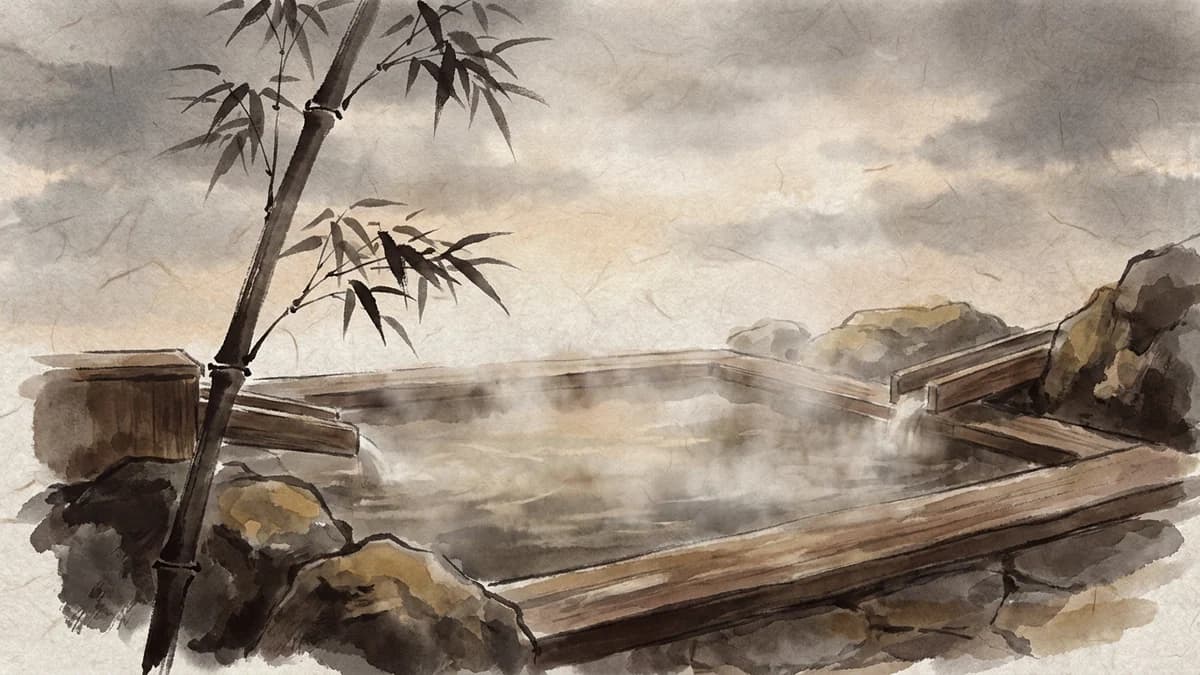
Ankylosing Spondylitis & Onsen | Radioactive (Radon) Springs Specifically Indicated
Ankylosing spondylitis — chronic inflammation of the spine and sacroiliac joints — is specifically listed as a bathing indication for radioactive (radon) springs by Japan's Ministry of the Environment. Trace radon absorbed through skin and breathing is studied for anti-inflammatory and immunomodulatory effects via low-dose radiation hormesis.
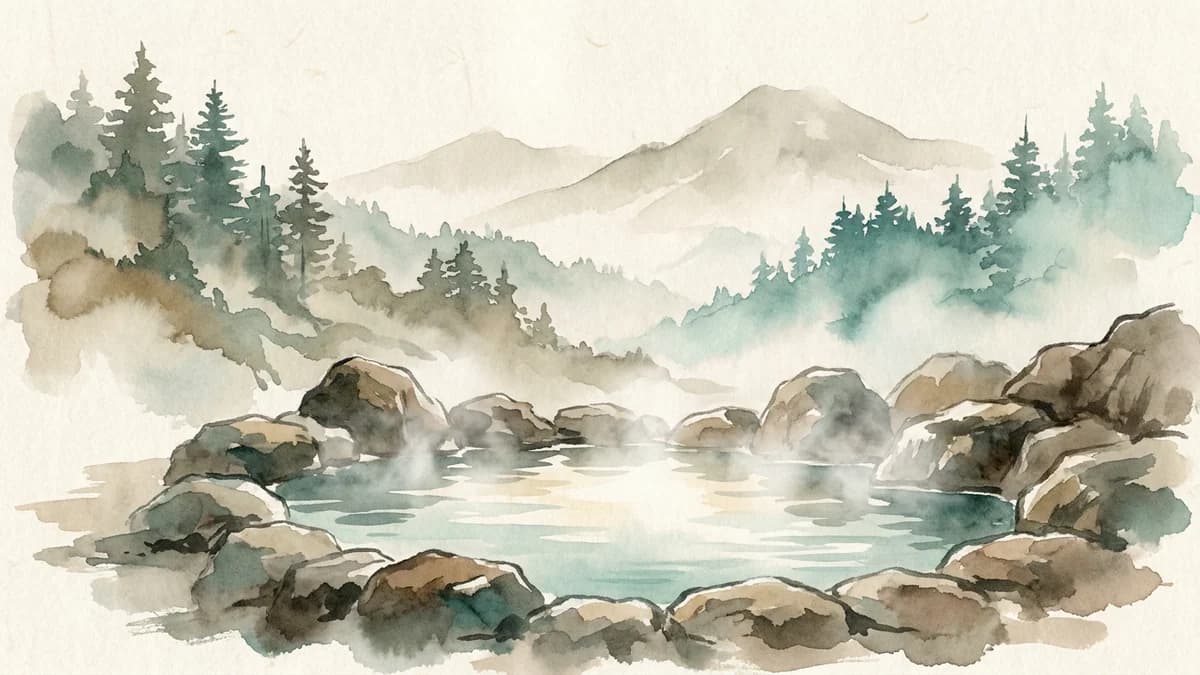
Mild Asthma & Emphysema | Onsen Bathing and Respiratory Function
Mild asthma and emphysema carry a general bathing indication across all 10 Japanese spring types. Hydrostatic pressure on the chest trains respiratory muscles, and warm humid air loosens mucus secretions. Severe asthma and acute attacks are contraindications.
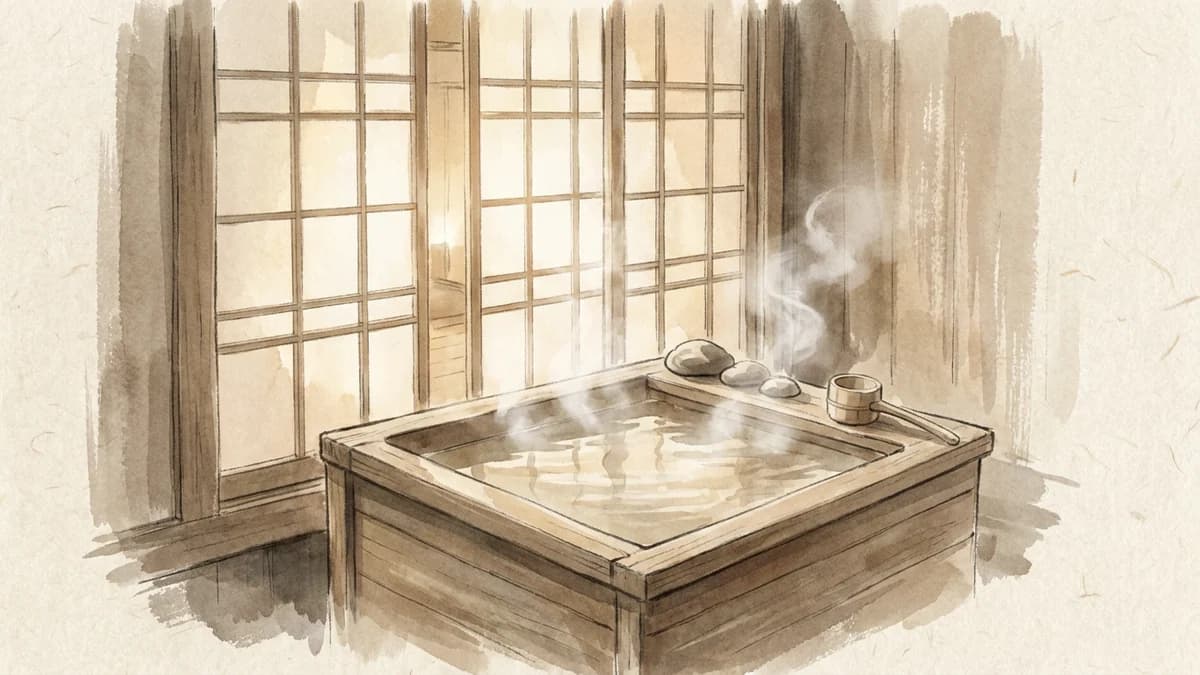
Haemorrhoid Pain & Onsen | General Indication & Anal Circulation
Haemorrhoid pain carries a general bathing indication across all 10 Japanese spring types. Thermal action is thought to promote local circulation and act on venous congestion and inflammation around the anus. Sitz baths (seated local baths) are a commonly recommended method.
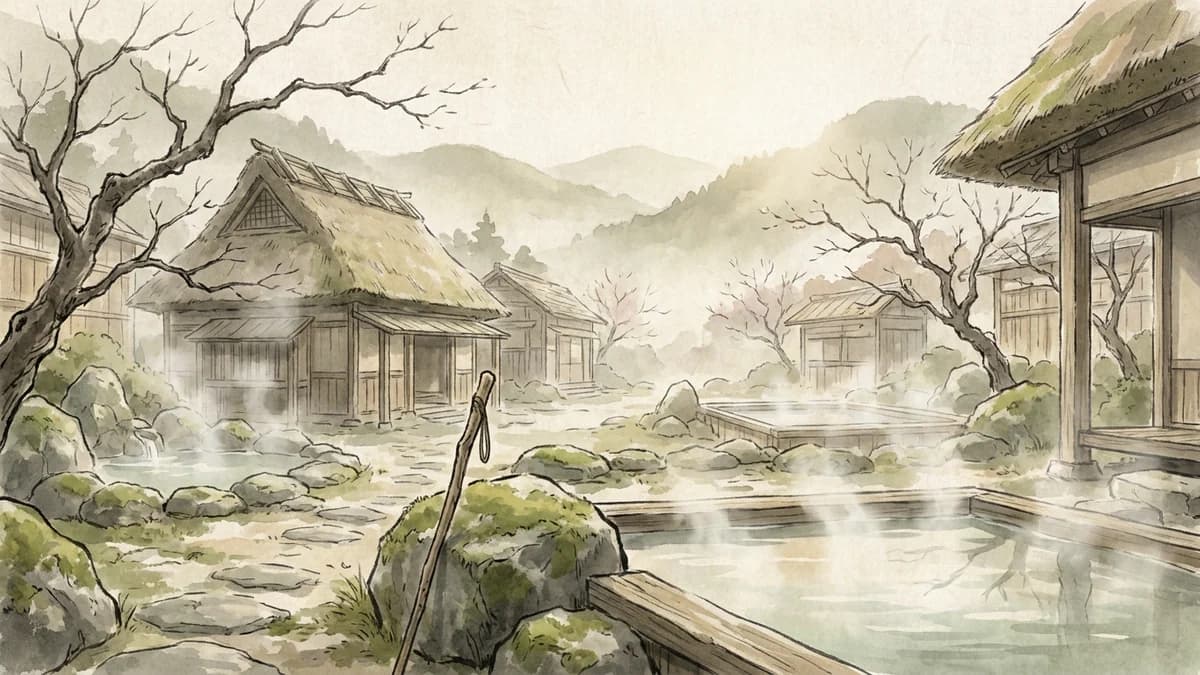
Post-Illness Recovery & Onsen | Thermal Therapy to Restore Vitality
Post-illness recovery (convalescence) carries a general bathing indication across all 10 Japanese spring types. Thermal promotion of metabolism, elimination of fatigue metabolites, and autonomic balance are thought to support recovery of vitality — the traditional Japanese "toji" therapeutic stay.