Spring types indicated for constipation
Japan's Ministry of the Environment lists constipation as a drinking indication for chloride and sulphate springs, whose minerals are said to act on the intestinal tract. Bicarbonate springs are not listed for constipation, but are included here as a spring known to be gentle on the stomach.
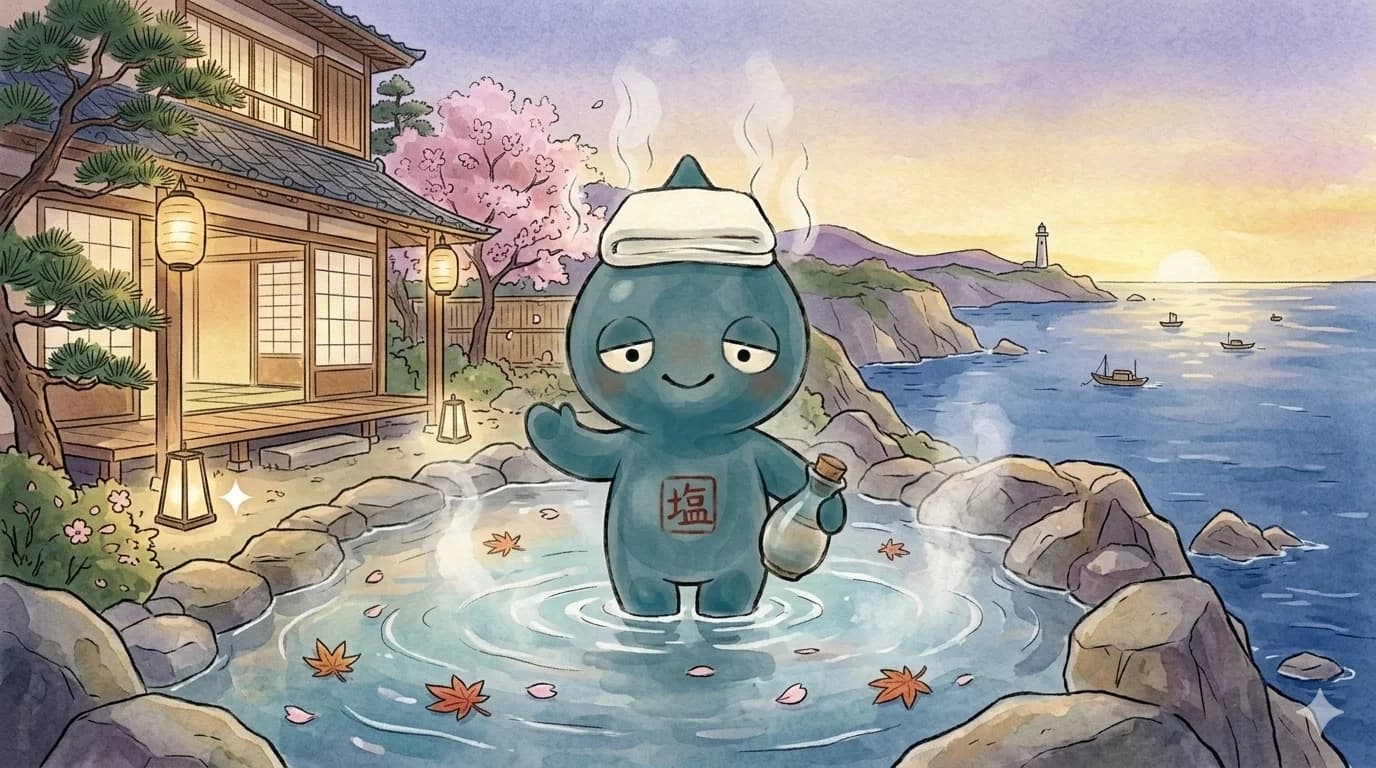
Salt is said to stimulate gastrointestinal secretion and intestinal motility; drinking indications include constipation and atrophic gastritis
Sulphate ions (SO₄²⁻) are said to stimulate the intestinal mucosa and promote peristalsis; drinking indications include constipation
Not listed for constipation; bicarbonate ions (HCO₃⁻) are said to protect the gastrointestinal mucosa. Drinking indications include gastric ulcers and acid reflux
The minerals involved
Said to retain water in the gut and stimulate the bowel (laxative action) — a key mineral for constipation in drinking.
Said to promote digestive secretion and aid bowel movement.
Said to protect the mucosa and regulate digestive function.
How to drink spring water and key precautions
- Only drink at licensed facilities (drinking fountains) and follow facility instructions
- Do not decide the amount, frequency or timing yourself — drink under medical guidance
- If you have a chronic condition or take medication, consult your doctor beforehand
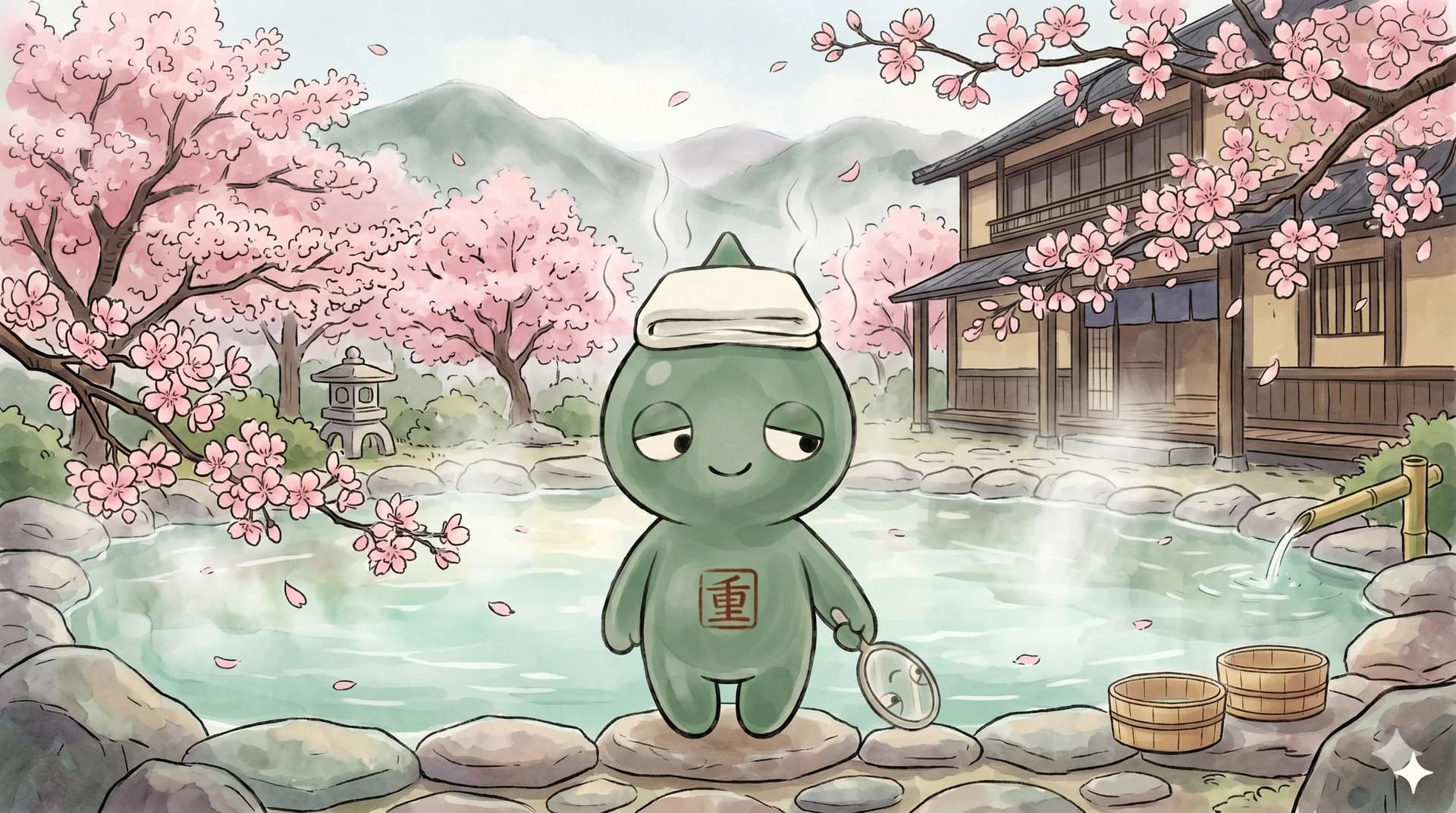
- Excessive drinking of high-sodium springs (chloride) may raise blood pressureConstipation is listed among the drinking indications for chloride springs, which have a high salt content. However, this same salt content can also lead to an increase in blood pressure if consumed in large quantities, so moderation is crucial.
- Stop immediately and consult a doctor if diarrhoea or abdominal pain occursWhile the goal is to stimulate bowel movements, symptoms like diarrhoea or stomach pain indicate that the treatment may be too strong for your system. Discontinue drinking the water immediately and seek medical advice to prevent dehydration or other complications.
Combining drinking and bathing
Beyond the action of drinking on the intestine, bathing activates the parasympathetic nervous system (the relaxation response), which is thought to be involved in gut motility via the autonomic nervous system. Resting at a hot spring resort is one way to spend time when constipation is a concern.
Filter on the map & mineral viewer
Filter by the relevant spring types and find onsen you like from the map or list. Compare analysis details with the mineral viewer.
Related Onsen Facilities




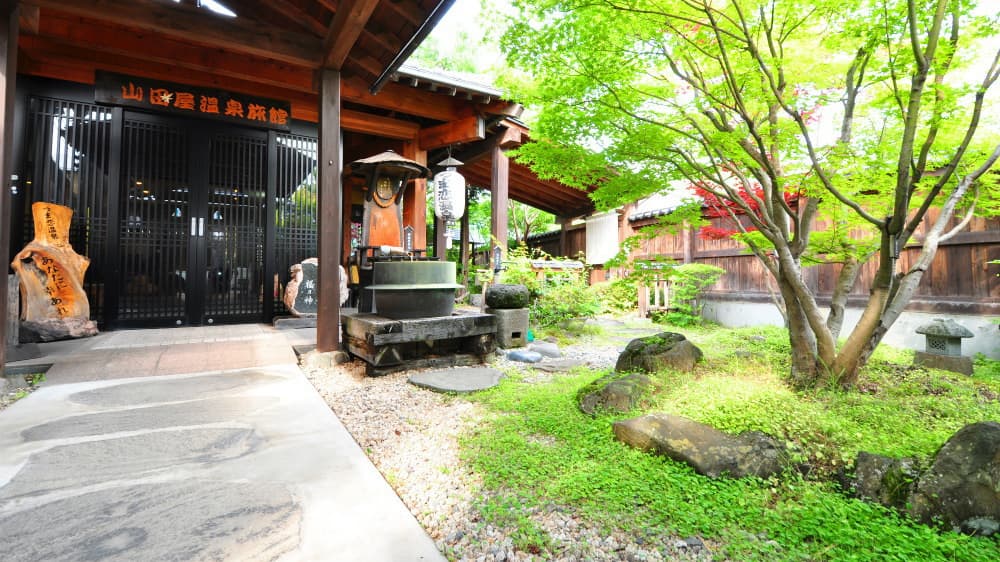

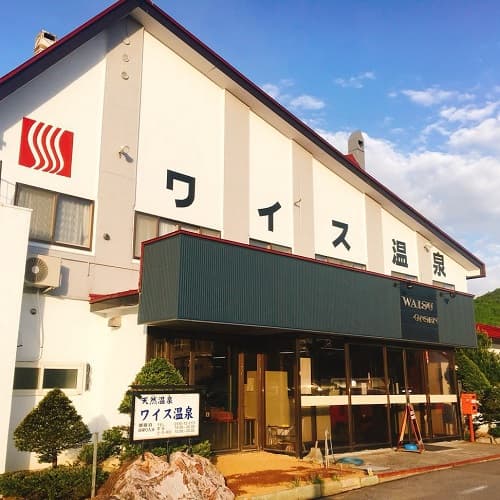


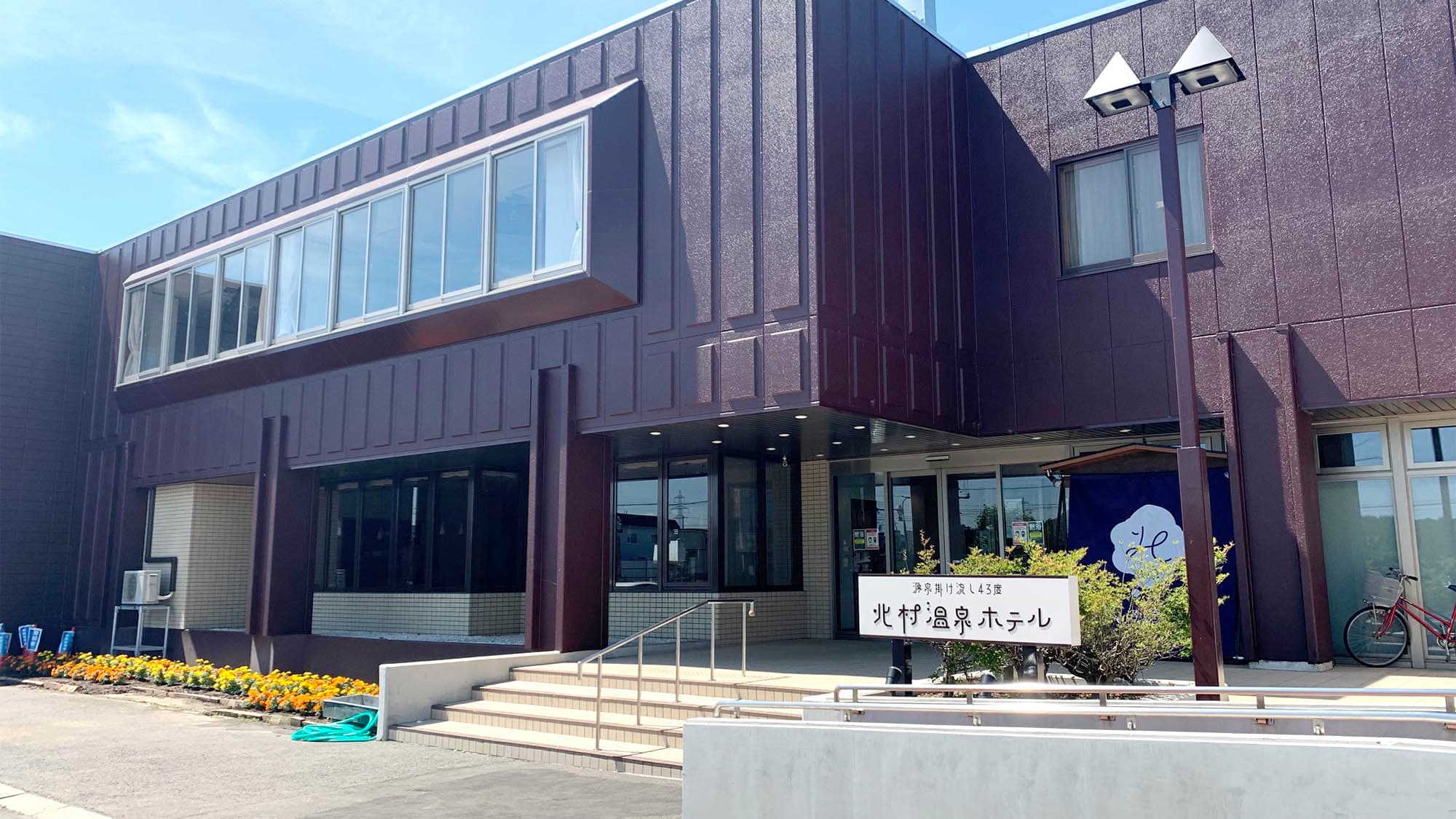








INTERACTIVE TOOLS
Tools available only on this site
Rank the best onsen for your symptom
Rank onsens whose spring types are indicated for Constipation using analysis-sheet data, then jump straight to booking sites by area.
See ranked picks →Filter qualifying onsens on the interactive map
Plot only hot springs with spring types indicated for Constipation on a nationwide map. Secondary filters available for distance and lodging category.
Open on map →Quick path from onsen pages to booking sites
From related onsen pages indicated for Constipation, jump to Agoda, Rakuten Travel, Booking.com, and other booking sites in a single click.
View related onsens →Visualize chemical basis with real numbers (pH, minerals, temperature)
Filter spring types indicated for Constipation on /explore, then refine by pH, temperature, and natural-flow status. Make decisions on actual measurements (metasilicic mg/kg, pH, temperature) — not AI-generated approximations.
Refine by real data →* Booking links on each onsen page (Agoda, Rakuten Travel, Booking.com, etc.) contain affiliate links. Please check each booking site for the latest terms and pricing.
Choose a ryokan by how you bathe
Onsen towns are often rural with patchy Wi-Fi and limited public transport. Sort out data, tours and a car before you go.
- Japan eSIMAiralo
- Japan eSIMYesim
- Tours, passes & transfersGetYourGuide
- Tours, passes & transfersKKday
- Car rentalDiscover Cars
Includes affiliate links
References
Explore Spring Types for This Condition
Related Articles