Spring types indicated for gout
Gout occurs when uric acid crystals accumulate in joints. Hot spring therapy addresses it through two routes — bathing and drinking — using different spring types.
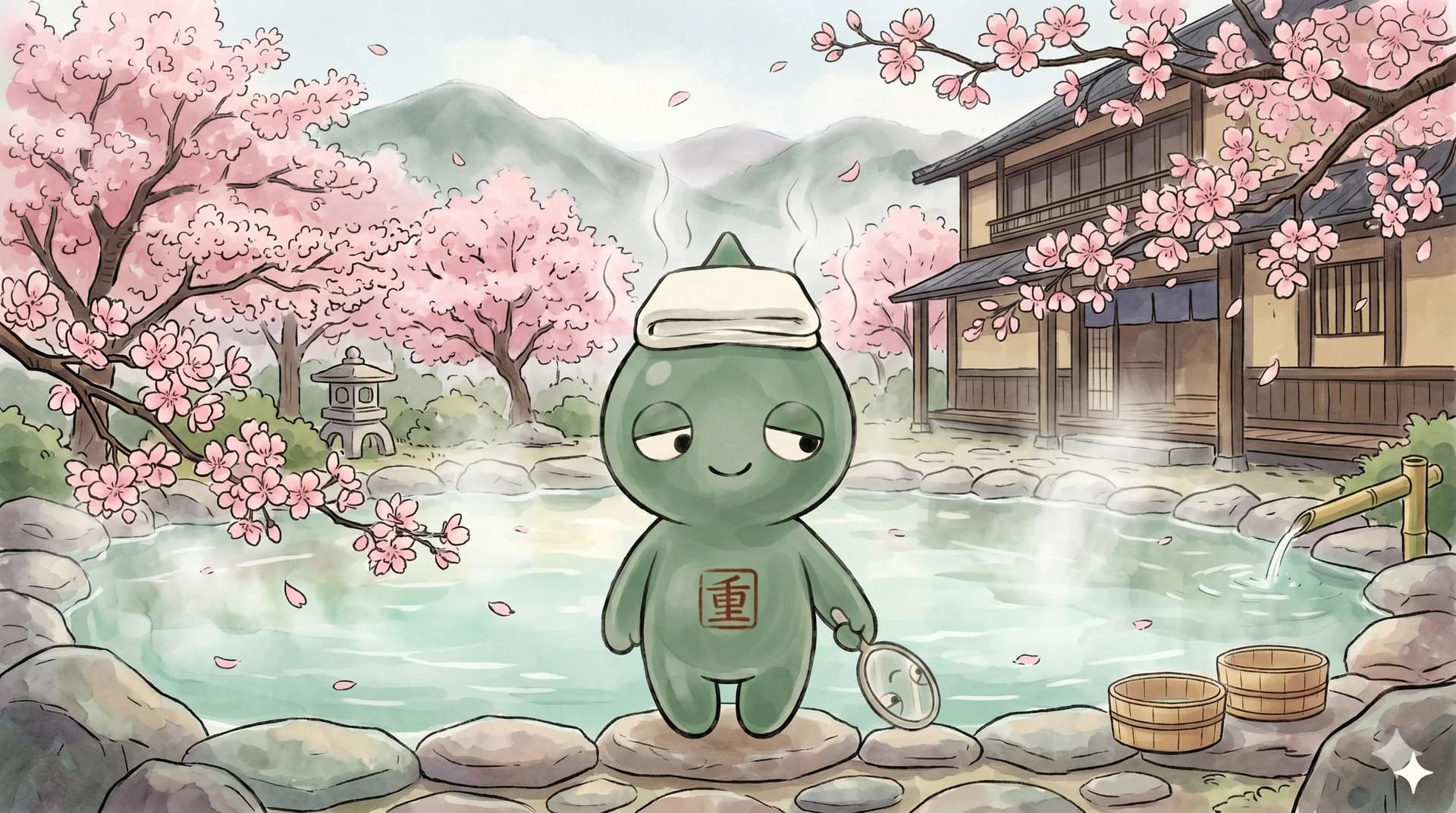
Radon absorbed through the skin is thought to regulate the autonomic nervous system and exert anti-inflammatory effects. Famous examples include Misasa Onsen and Masutomi Onsen.
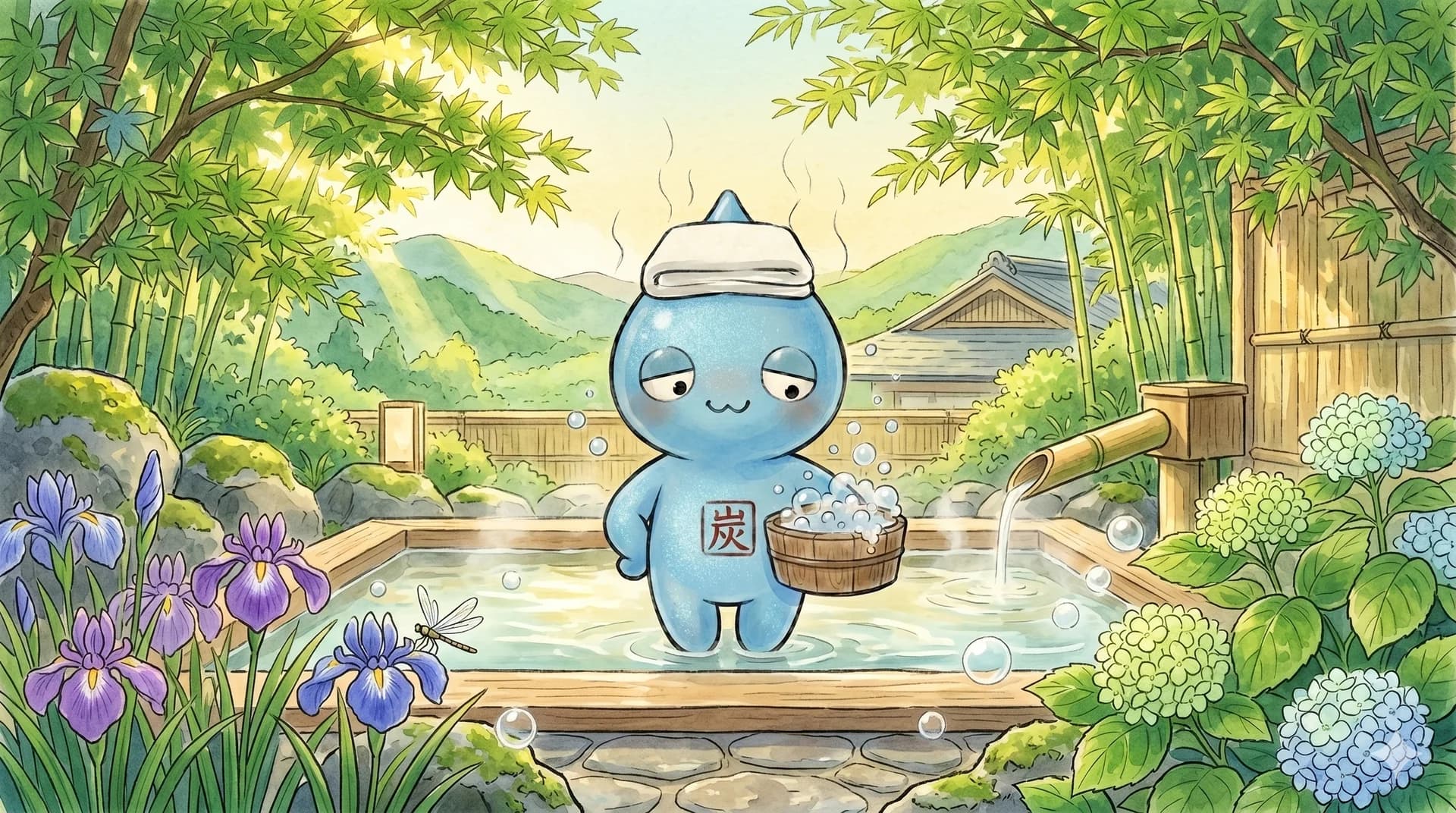
Alkaline spring water raises urinary pH, increasing uric acid solubility and promoting renal excretion — also used in European drinking-cure traditions.
The minerals involved
In bathing, thought to act through a low-dose-radiation hormesis effect, modulating inflammation and the autonomic system.
In drinking, said to alkalinise the urine, raising uric acid solubility and promoting its excretion.
About radon springs
Radon springs contain ≥30 Mache units (111 Bq/L) of radon (²²²Rn) as defined by Japanese law. Low-dose radiation is proposed to trigger a hormesis effect that modulates inflammation and immunity, though this remains a subject of ongoing scientific debate.
Bicarbonate spring drinking and uric acid excretion
Bicarbonate ions (HCO₃⁻) in drinking spring water raise urinary pH. Uric acid is poorly soluble in acidic urine but becomes more soluble as pH increases, facilitating greater renal excretion of uric acid.
Filter on the map & mineral viewer
Filter by the relevant spring types and find onsen you like from the map or list. Compare analysis details with the mineral viewer.
Tips for gout hot-spring therapy (bathing & drinking)
- Avoid bathing during an acute attack — heat worsens the inflamed joint; wait until pain subsides
- For bathing, soak in radon springs at 38–40°C for 15–20 minutes, relaxing without overheating
- For drinking, use a licensed bicarbonate-spring fountain — about 100–200 mL per session, following facility rules
- Stay well hydrated; drink water before and after bathing and around drinking sessions to support uric acid excretion
- Combine with lifestyle changes — limit purine-rich foods and alcohol
Related Onsen Facilities



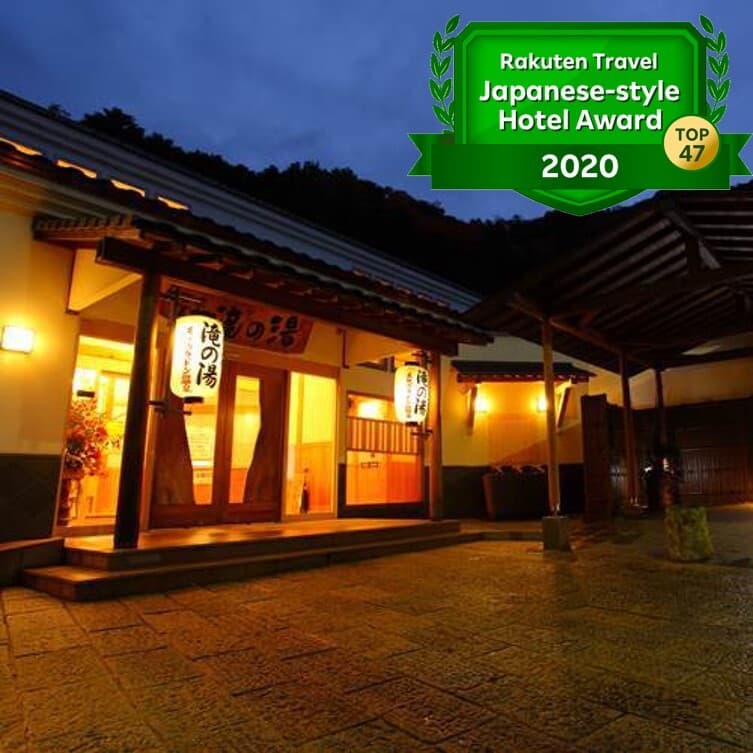
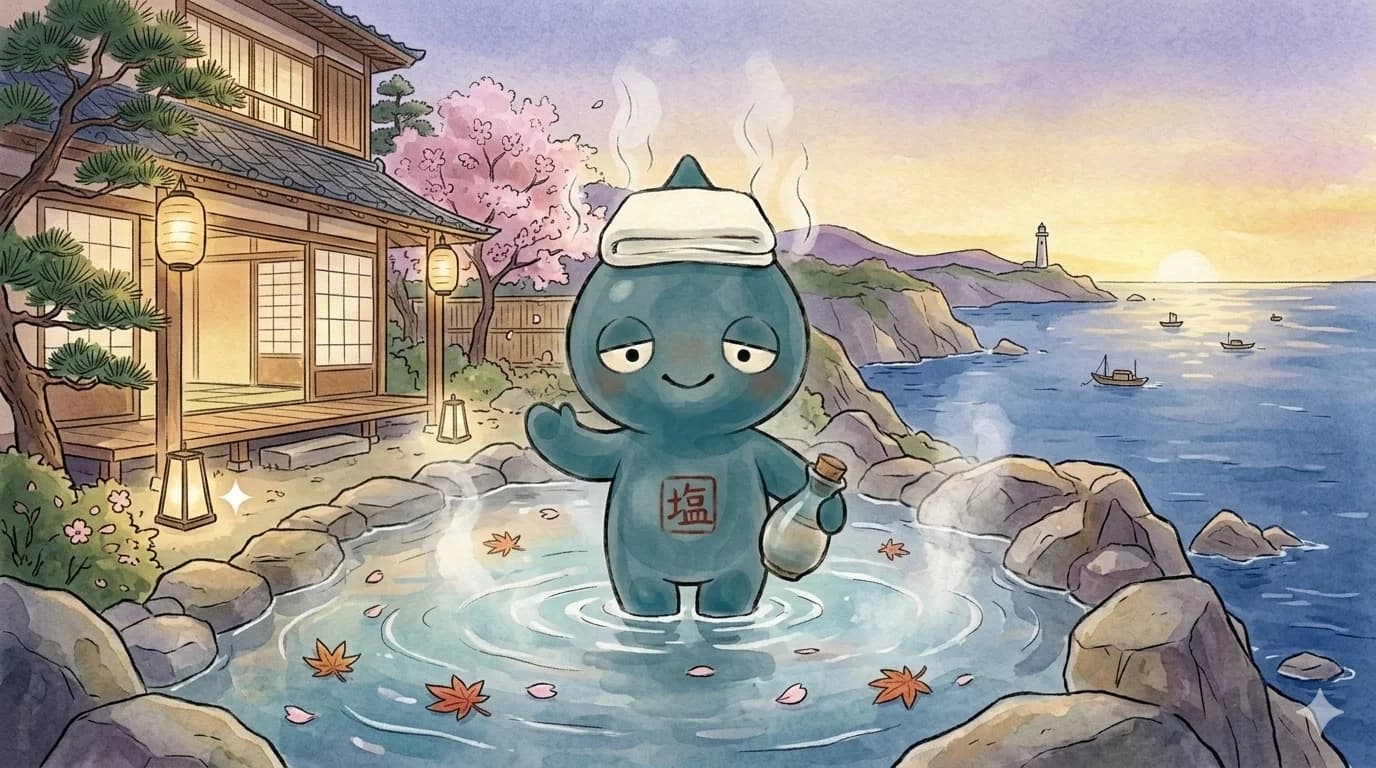






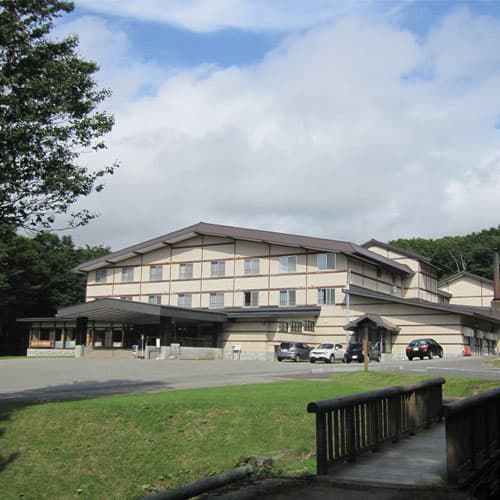


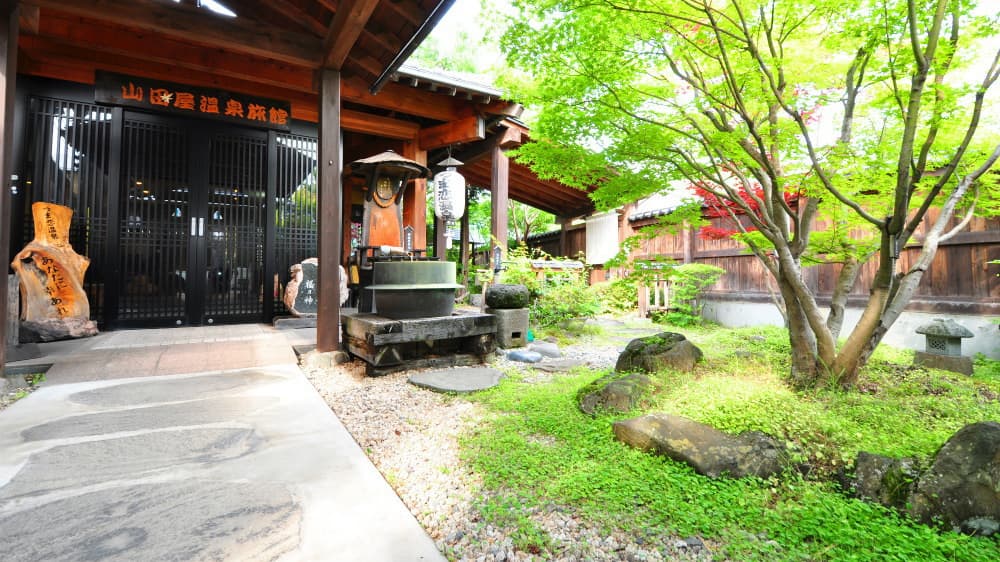
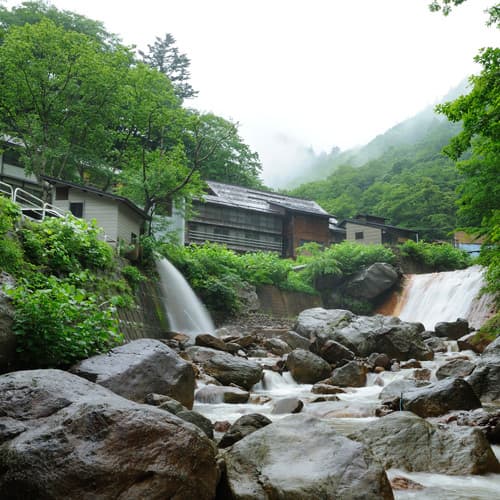
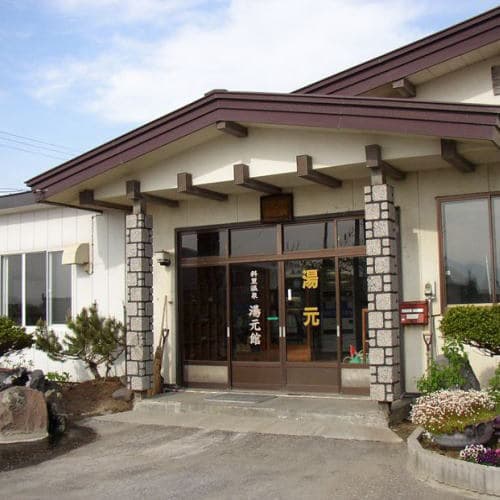


INTERACTIVE TOOLS
Tools available only on this site
Rank the best onsen for your symptom
Rank onsens whose spring types are indicated for Gout and Hyperuricemia using analysis-sheet data, then jump straight to booking sites by area.
See ranked picks →Filter qualifying onsens on the interactive map
Plot only hot springs with spring types indicated for Gout and Hyperuricemia on a nationwide map. Secondary filters available for distance and lodging category.
Open on map →Quick path from onsen pages to booking sites
From related onsen pages indicated for Gout and Hyperuricemia, jump to Agoda, Rakuten Travel, Booking.com, and other booking sites in a single click.
View related onsens →Visualize chemical basis with real numbers (pH, minerals, temperature)
Filter spring types indicated for Gout and Hyperuricemia on /explore, then refine by pH, temperature, and natural-flow status. Make decisions on actual measurements (metasilicic mg/kg, pH, temperature) — not AI-generated approximations.
Refine by real data →* Booking links on each onsen page (Agoda, Rakuten Travel, Booking.com, etc.) contain affiliate links. Please check each booking site for the latest terms and pricing.
Choose a ryokan by how you bathe
Onsen towns are often rural with patchy Wi-Fi and limited public transport. Sort out data, tours and a car before you go.
- Japan eSIMAiralo
- Japan eSIMYesim
- Tours, passes & transfersGetYourGuide
- Tours, passes & transfersKKday
- Car rentalDiscover Cars
Includes affiliate links
References
Explore Spring Types for This Condition
Related Articles