
What is a Radioactive Spring?
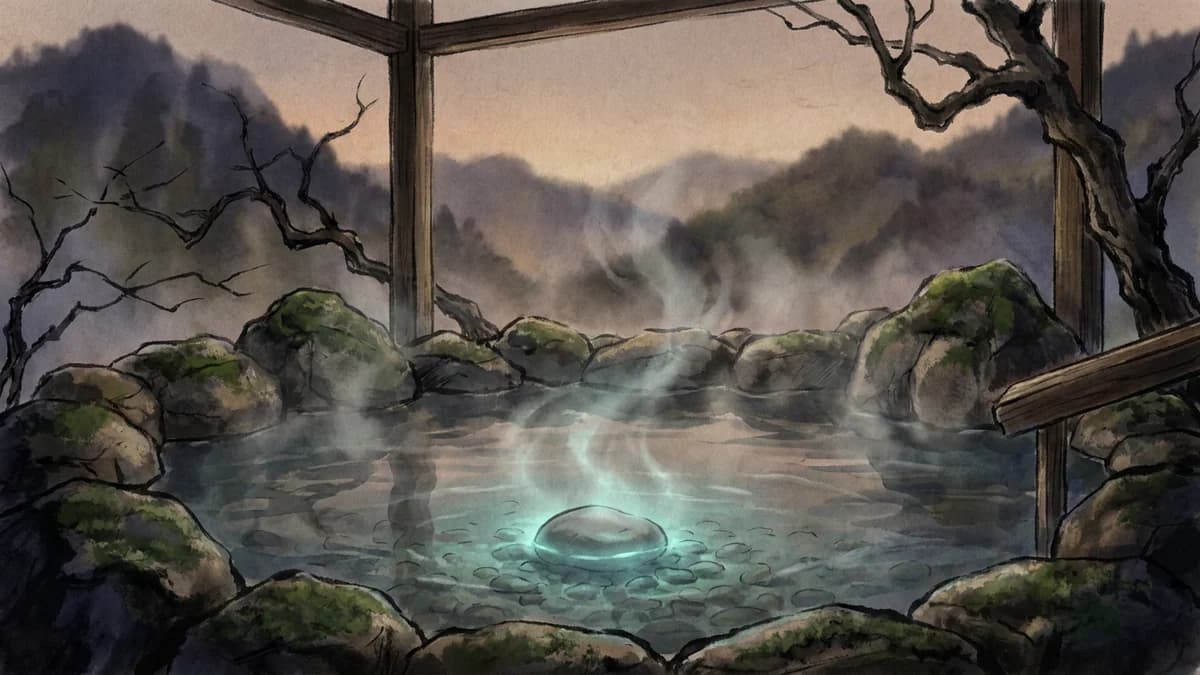
A radioactive spring contains radon (Rn) at 30×10⁻¹⁰ Ci per kilogram (8.25 Mache units) or more. Radon is a naturally occurring radioactive gas with a short half-life of about 3.8 days — it does not accumulate in the body.
In Japan, Tamagawa Onsen (Akita), Misasa Onsen (Tottori), and Masutomi Onsen (Yamanashi) have been renowned balneotherapy destinations for centuries, attracting long-stay guests with rheumatoid arthritis and gout.
Indications for Bathing
- Hyperuricemia (gout)Bathing in radon springs is thought to promote metabolism and have a diuretic effect, which may help the body excrete uric acid. This therapy is intended for the remission phase to manage the condition, not for treating acute flare-ups.
- Rheumatoid arthritisRadon springs have traditionally been used by people with chronic joint inflammation, and rheumatoid arthritis is listed among their indications. Traditional bathing therapy is typically continued for 2 to 3 weeks.
- Ankylosing spondylitis, etc.This is an official indication listed in Japan's Mineral Spring Analysis Guidelines for radioactive springs. Radon springs have traditionally been used for bathing cures for chronic joint and spinal conditions.
How to Bathe in a Radioactive Spring
- Radon is a volatile gas — it is also absorbed through breathing during the bath. This happens even in an outdoor bath.
- Water closest to the source spring has the highest radon concentration — bathe near the outlet if possible.Radon is a gas with a short half-life, meaning its concentration naturally decreases as it dissipates into the air and moves away from its source. To maximize exposure to the water's therapeutic properties, it is best to position yourself near the hot water inlet where the radon content is at its highest.
- Short sessions of 10–15 minutes, 2–3 times a day, are the traditional balneotherapy approach.This bathing method is based on the traditional practice of tōji (balneotherapy), which aims for a gentle, cumulative effect. Repeated, short immersions are thought to effectively stimulate the body's systems through low-dose radiation without causing undue stress, allowing for a sustained therapeutic response over time.
Related Onsen Facilities
13 matches


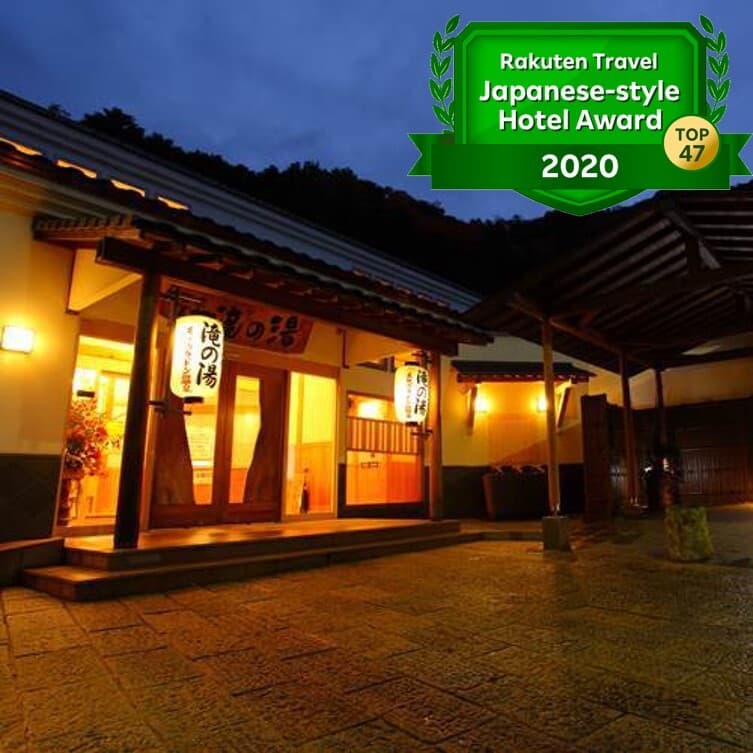
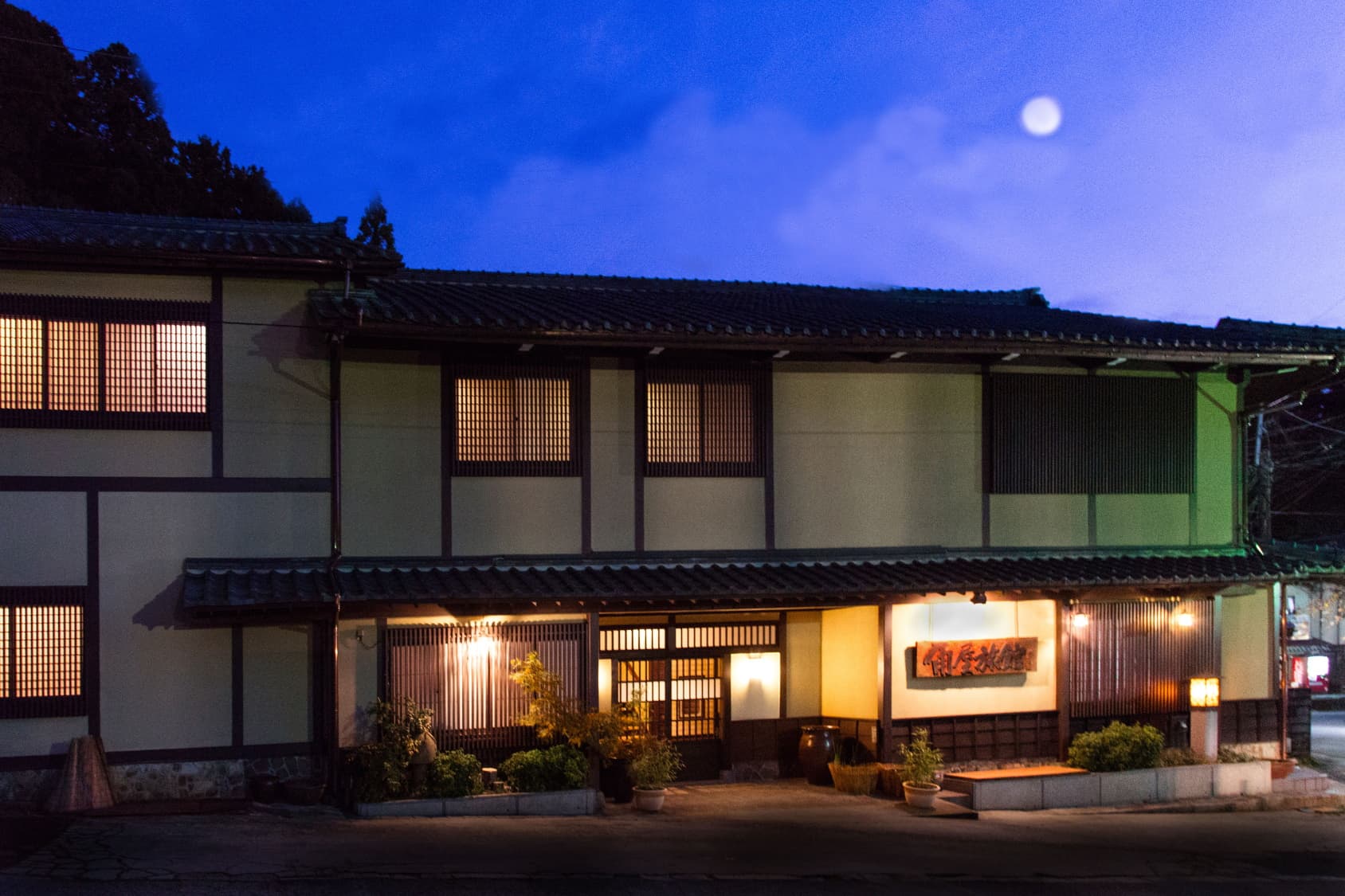


Choose a ryokan by how you bathe
Plan your onsen trip
Onsen towns are often rural with patchy Wi-Fi and limited public transport. Sort out data, tours and a car before you go.
- Japan eSIMAiralo
- Japan eSIMYesim
- Tours, passes & transfersGetYourGuide
- Tours, passes & transfersKKday
- Car rentalDiscover Cars
Includes affiliate links
References
Famous Onsen Areas with Radioactive Spring
Check access and tourist information on each onsen area column
Arima Onsen: Ancient Spa with Golden & Silver Waters, Loved by a Shogun →Futsukaichi Onsen: Dazaifu's Historic Retreat from the Manyoshu Poems →Misasa Onsen: A World-Class Radium Hot Spring for Healing and Rejuvenation →Shionoe Onsen: A Serene Kagawa Retreat with a Legendary Past →Tamagawa Onsen: Japan's Most Acidic Spring, a Sanctuary for Balneotherapy →Yuki Onsen: Hiroshima's Serene Retreat with Healing Radon Waters →
Related Articles