What is Radon?
Radon (Rn) is a natural radioactive gas. Hot springs with trace amounts are classified as "radioactive springs," indicated for gout and rheumatoid arthritis; their hormesis effect is under study.
Main Effects
- Indicated for gout and rheumatoid arthritisGout (hyperuricemia) and rheumatoid arthritis are listed among the bathing indications for radioactive (radon) springs. Traditional bathing cures at these springs typically involve short, repeated soaks.
- Hormesis effect (cellular stimulation)This refers to the idea that low-dose radiation can trigger a beneficial response in the body. Exposure to trace radon is said to stimulate cellular defenses.
- No body accumulation — 3.8-day half-lifeRadon is a volatile gas with a short half-life of 3.8 days. Due to these properties, it is quickly expelled from the body and does not accumulate, allowing for safe and repeated bathing to experience its therapeutic effects.
Radon Top 5 Hot Springs
Top 5 hot springs registered on this site with the highest content.
RANKING BY THIS MINERAL CONTENT
Top 5 by Content
50 matches

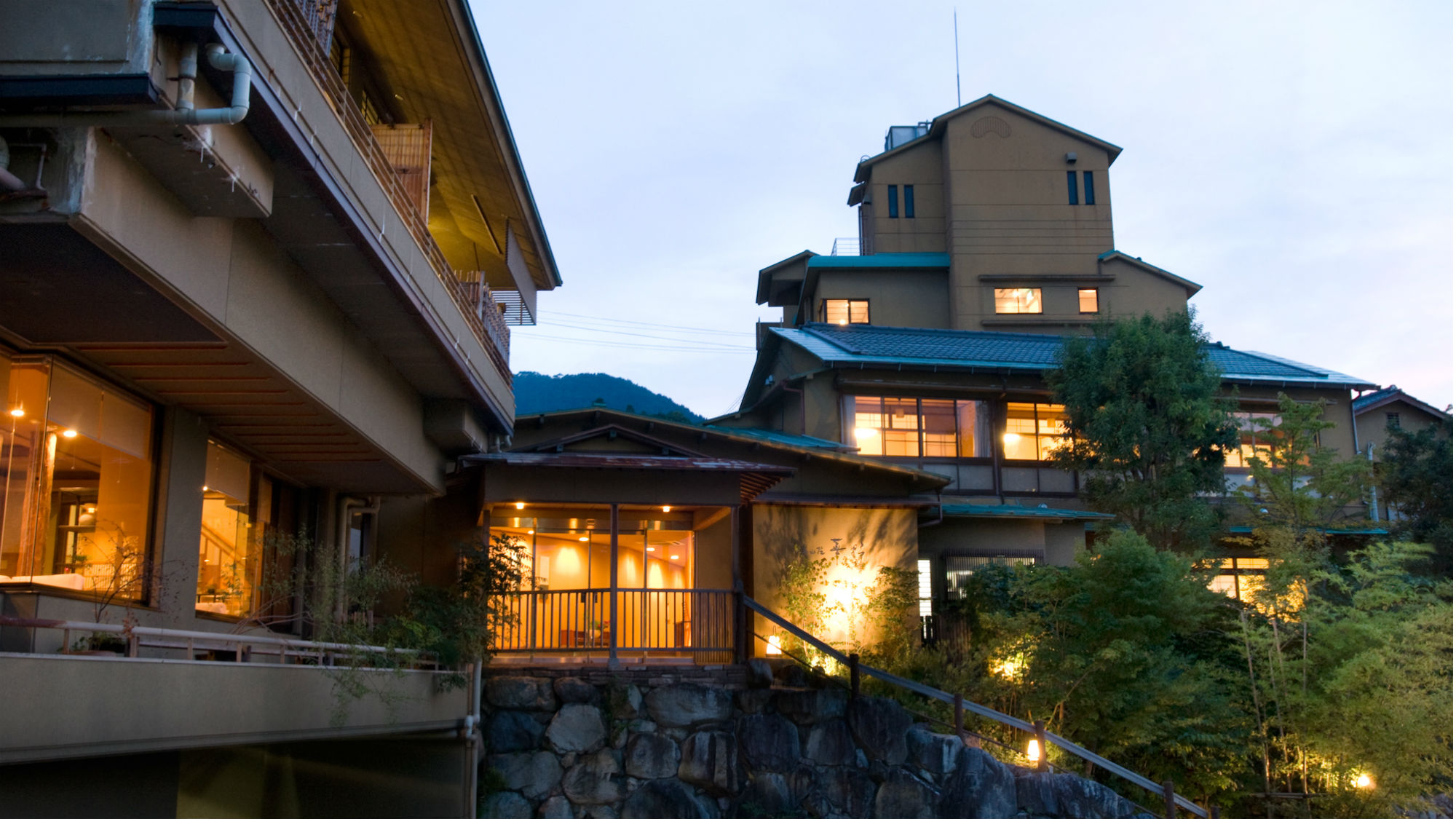

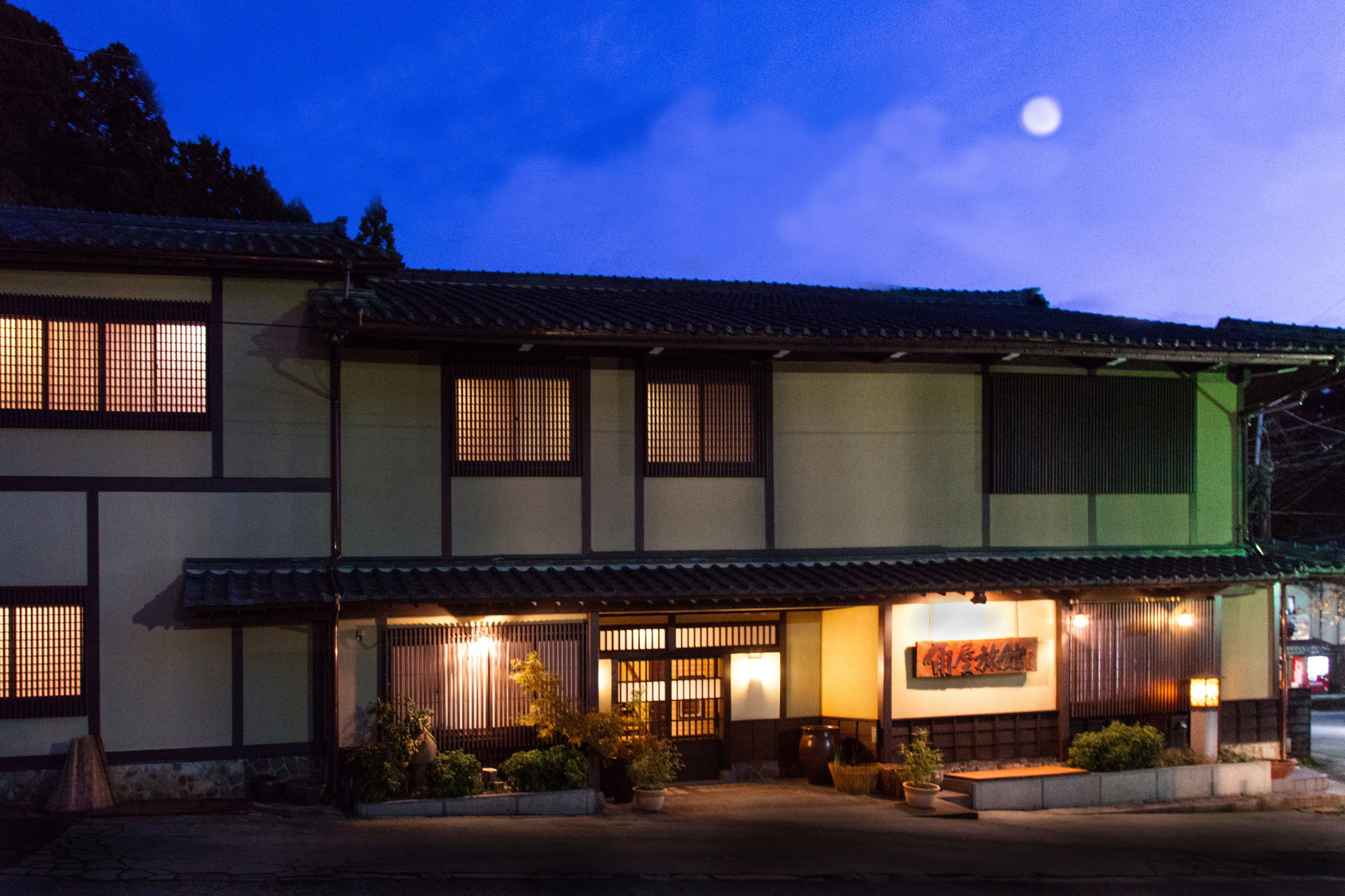
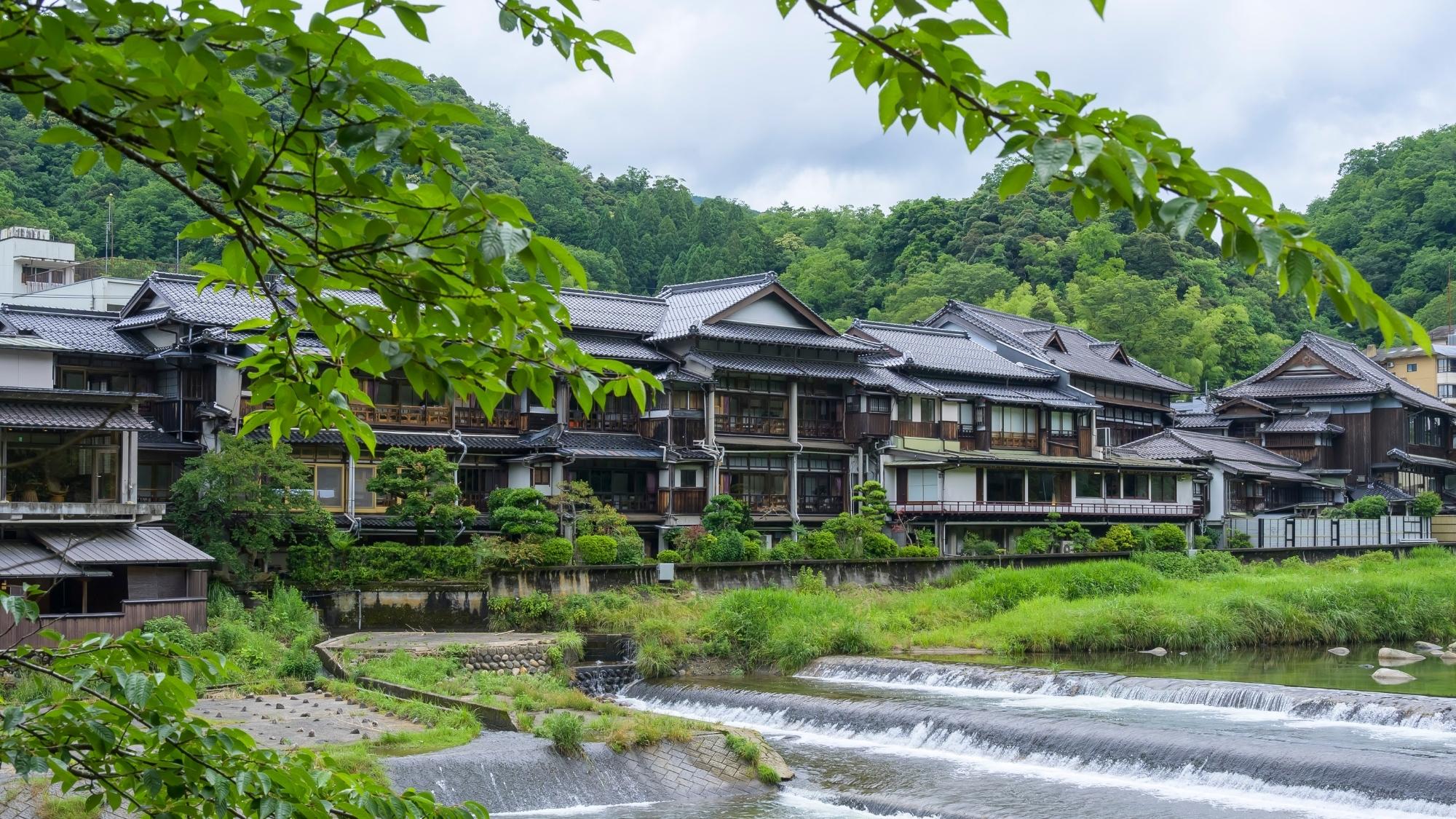
* Top 5 by mineral content matching the filters among onsen analysis records registered in this app
Choose a ryokan by how you bathe
Plan your onsen trip
Onsen towns are often rural with patchy Wi-Fi and limited public transport. Sort out data, tours and a car before you go.
- Japan eSIMAiralo
- Japan eSIMYesim
- Tours, passes & transfersGetYourGuide
- Tours, passes & transfersKKday
- Car rentalDiscover Cars
Includes affiliate links
References
- 鉱泉分析法指針(平成26年改訂)第1-1表
- 環境省「あんしん・あんぜんな温泉利用のいろは」(平成31年3月発行)
- 環境省「温泉地の多言語化促進マニュアル」(2021年版)
- 日本温泉気候物理医学会
Related Articles