
What is a Carbon Dioxide Spring?
A carbon dioxide spring contains free carbon dioxide (CO₂) at 1,000 mg per kilogram of spring water or more. These springs are rare in Japan but notable examples exist in Nagano and Oita prefectures.
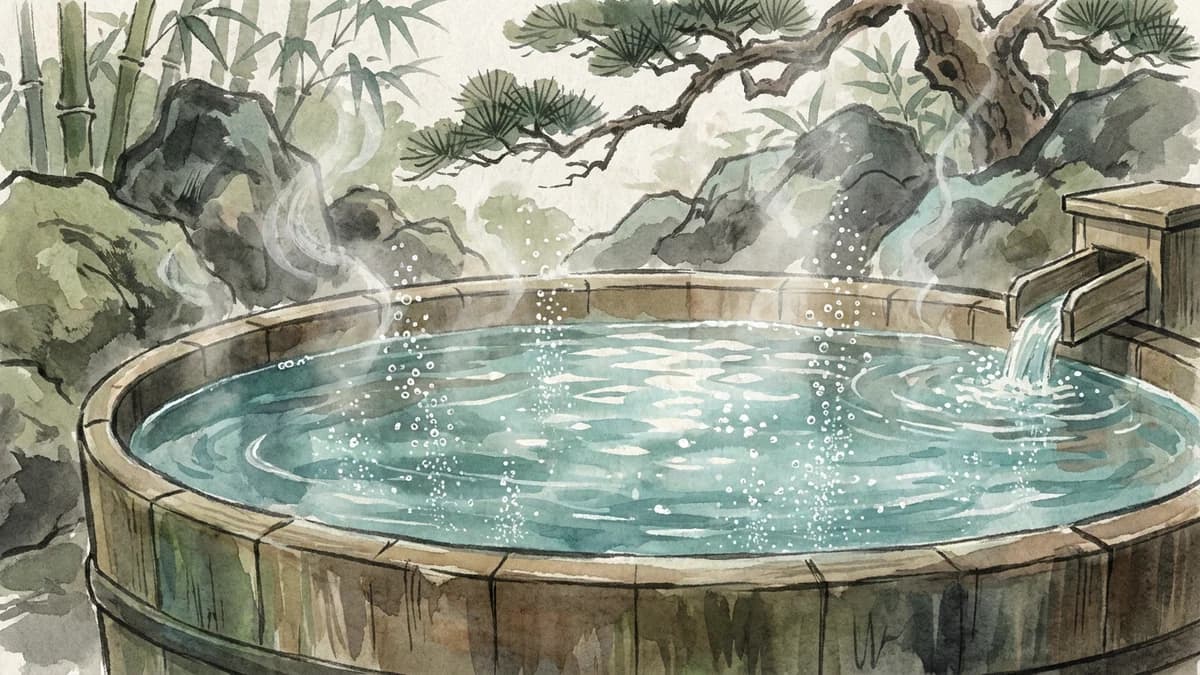
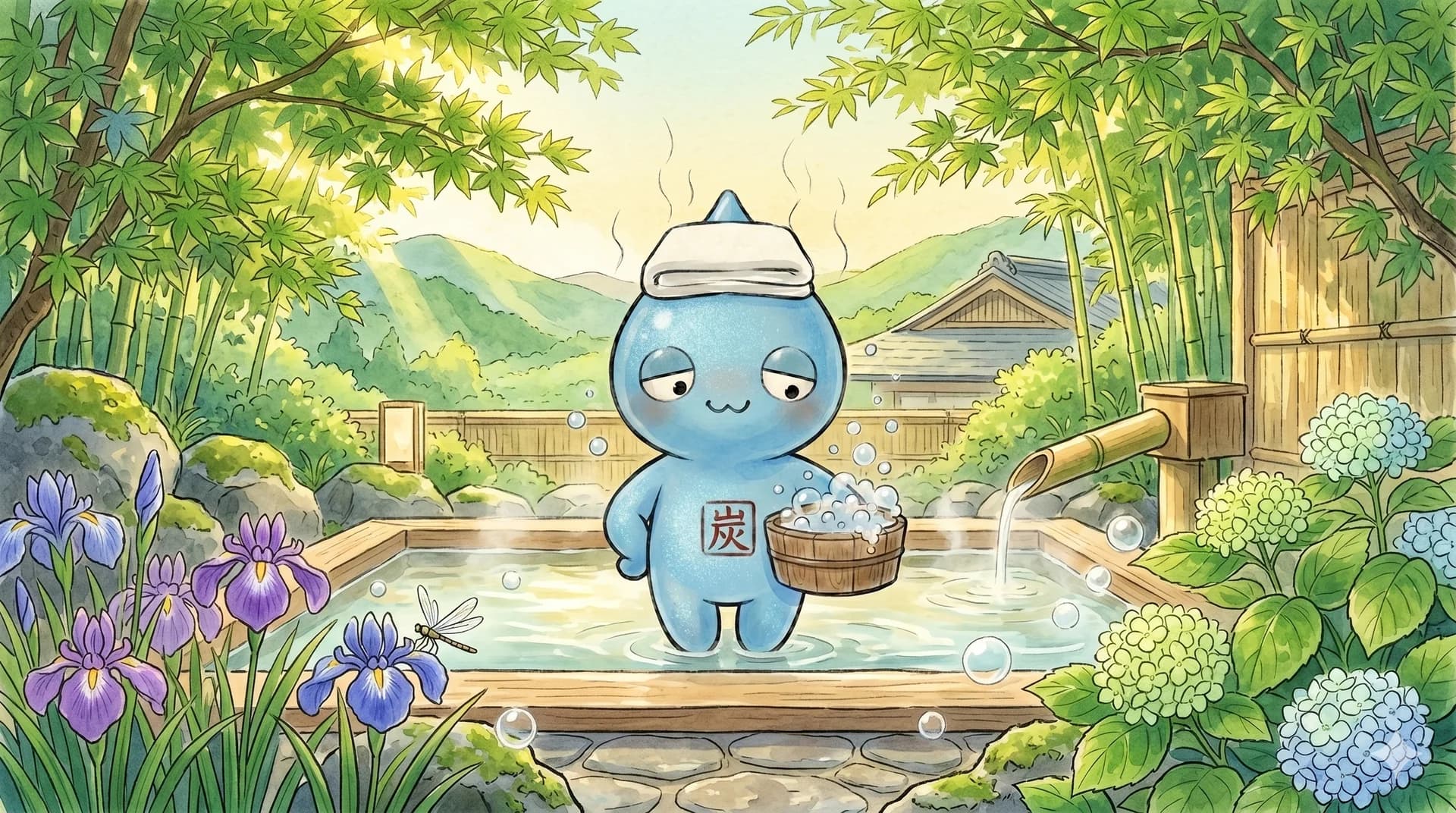
When you bathe, tiny CO₂ bubbles cling to your skin — nicknamed "the bubble waters" or "ramune waters." The CO₂ absorbed through the skin is said to dilate peripheral capillaries, so even lukewarm water (35–38°C) warms the body with less burden on the heart than hot baths.
Indications for Bathing
- CutsThe enhanced blood flow from absorbed carbon dioxide may help support the body's natural healing process for minor wounds. This improved circulation can deliver more oxygen and nutrients to the skin's surface.
- Peripheral circulatory failureCarbon dioxide absorbed through the skin is said to expand peripheral capillaries, increasing blood flow to the body's extremities, and peripheral circulatory disorders are listed among the indications for these springs.
- Excessive sensitivity to coldEven in lukewarm water, the vasodilation caused by CO₂ provides a deep warming effect that boosts circulation. This unique “chemical warming” is said to ease persistent coldness without putting stress on the heart.
- Autonomic instabilitySoaking slowly in the characteristically lukewarm water helps shift the body towards a state of rest, making the parasympathetic nervous system dominant. Autonomic imbalance is listed among the indications for these springs.
Indications for Drinking
- Gastrointestinal hypofunctionWhen consumed, the carbon dioxide in the spring water can provide gentle stimulation to the stomach's mucous membranes. This action may help promote gastric motility and the secretion of digestive juices, which can be beneficial for sluggish digestive function.
How to Bathe in a Carbon Dioxide Spring
- CO₂ escapes at high temperatures — soak in a lukewarm source (35–38°C) for longer, do not stir the water.The characteristic effects of these springs are attributed to the dissolved carbon dioxide gas, which escapes at higher temperatures. Soaking in lukewarm water (around 35–38°C) is recommended, as it allows the gas to remain in the water for longer. Avoid stirring the water to keep the CO₂ from dissipating.
- Gently lower yourself into the water; agitation disperses the bubbles.The small bubbles that cling to your skin are the source of the spring's unique effects. To preserve these carbon dioxide bubbles, you should enter the bath slowly and move gently. Vigorous movement can agitate the water, causing the beneficial gas to disperse into the air.
- Gentle for older bathers; if you have a heart condition, consult your doctor first. Stay hydrated.
Related Onsen Facilities


Choose a ryokan by how you bathe
Onsen towns are often rural with patchy Wi-Fi and limited public transport. Sort out data, tours and a car before you go.
- Japan eSIMAiralo
- Japan eSIMYesim
- Tours, passes & transfersGetYourGuide
- Tours, passes & transfersKKday
- Car rentalDiscover Cars
Includes affiliate links
References
Famous Onsen Areas with Carbon Dioxide Spring
Check access and tourist information on each onsen area column
Related Articles