What is Free carbon dioxide?
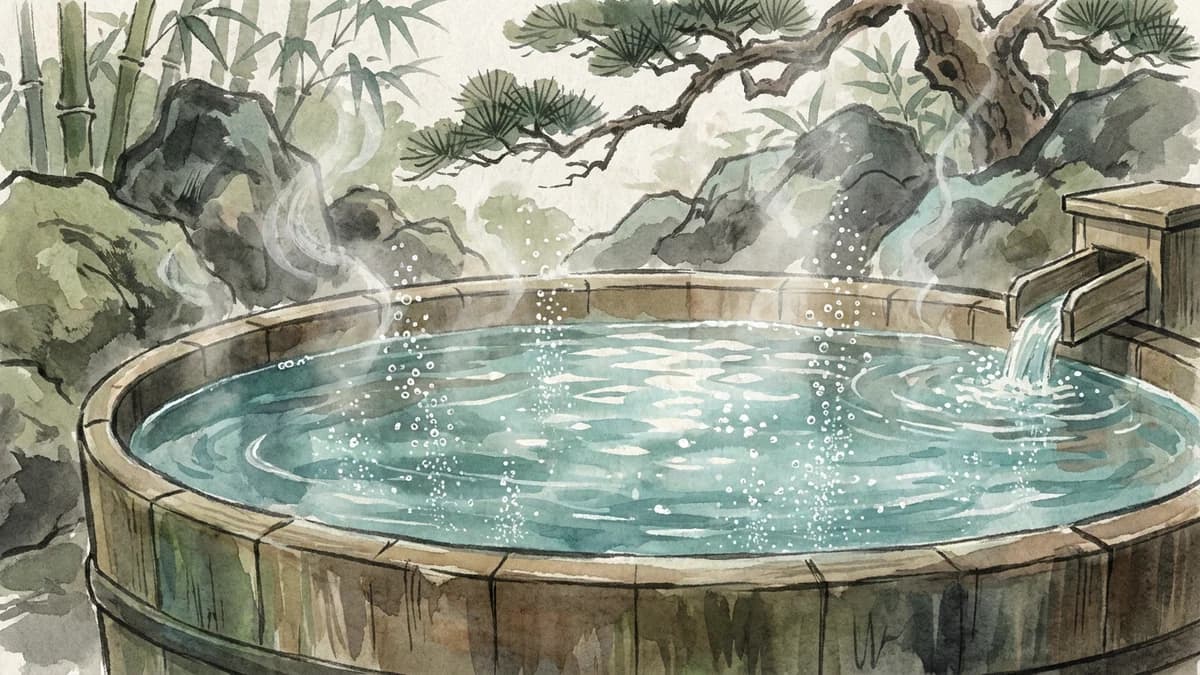
Hot springs with ≥ 1,000 mg/kg of free CO₂ are classified as "CO₂ springs." CO₂ bubbles cling to the skin, are absorbed transdermally, and are said to dilate peripheral blood vessels.
Main Effects
- Promotes circulation and peripheral vasodilationWhen absorbed through the skin, the carbon dioxide in the water may help to directly dilate peripheral capillaries. This action improves blood flow throughout the body, a signature effect of these so-called "bubble baths."
- Indicated for poor circulationThe chemical vasodilation caused by carbon dioxide helps to warm the body from its core. This effect is achieved without relying on high water temperatures, making it particularly suitable for those who tend to feel cold.
- Warms the body even at lukewarm temperaturesCarbon dioxide gas is volatile and dissipates in hot water, so these springs are typically kept at a lukewarm 35–38°C. This lower temperature allows for longer soaks that warm the body thoroughly without putting excess strain on the heart.
Free carbon dioxide Top 5 Hot Springs
Top 5 hot springs registered on this site with the highest content.
RANKING BY THIS MINERAL CONTENT
Top 5 by Content
50 matches
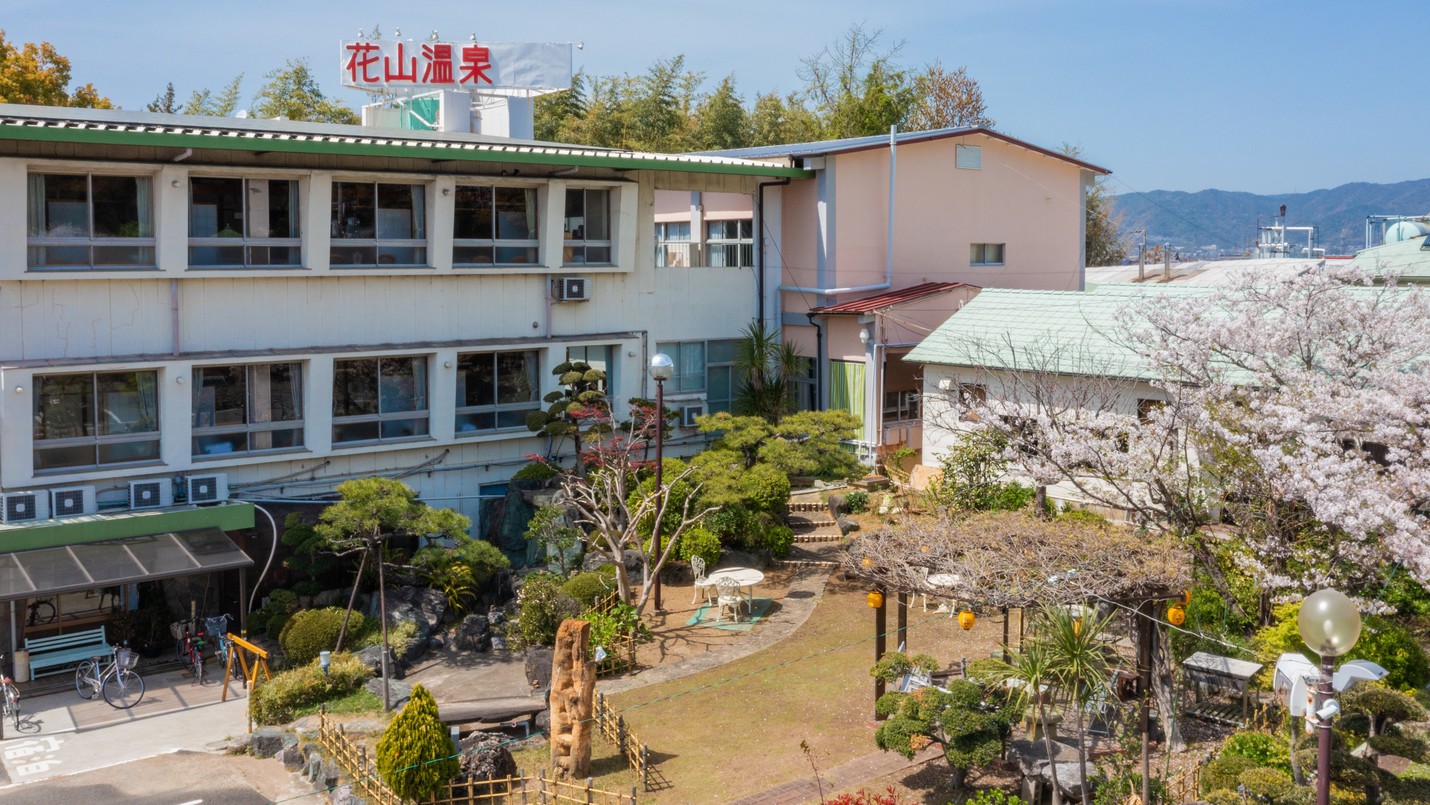
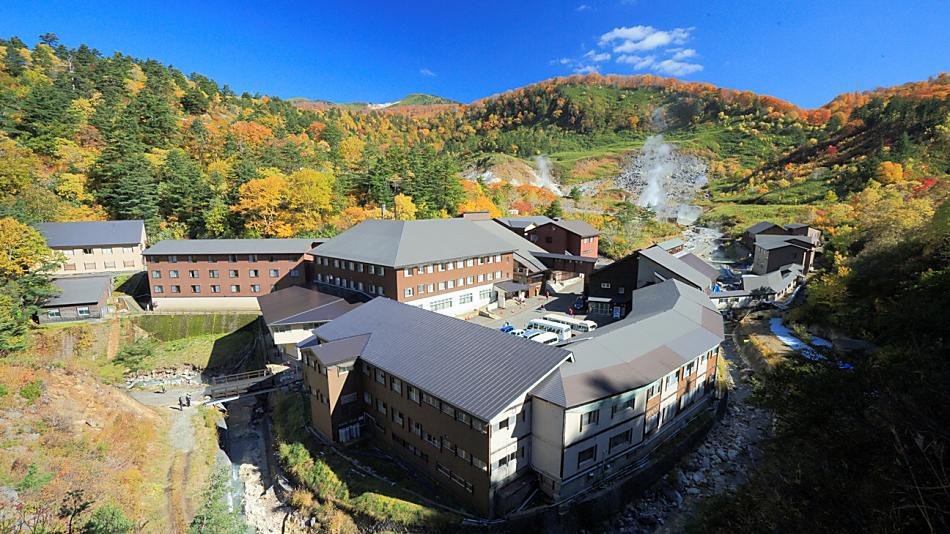
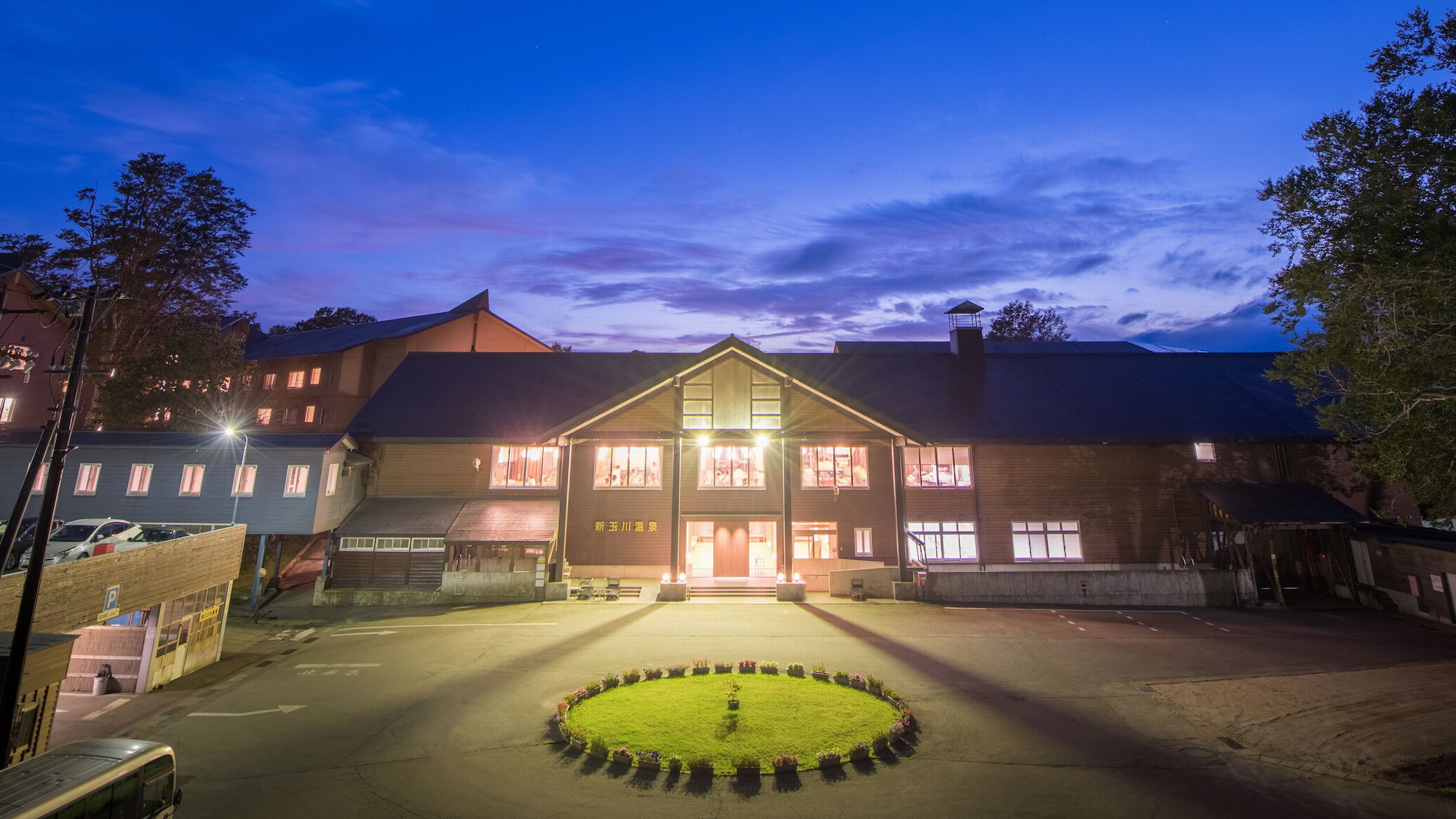

* Top 5 by mineral content matching the filters among onsen analysis records registered in this app
Choose a ryokan by how you bathe
Plan your onsen trip
Onsen towns are often rural with patchy Wi-Fi and limited public transport. Sort out data, tours and a car before you go.
- Japan eSIMAiralo
- Japan eSIMYesim
- Tours, passes & transfersGetYourGuide
- Tours, passes & transfersKKday
- Car rentalDiscover Cars
Includes affiliate links
References
- 鉱泉分析法指針(平成26年改訂)第1-1表
- 環境省「あんしん・あんぜんな温泉利用のいろは」(平成31年3月発行)
- 環境省「温泉地の多言語化促進マニュアル」(2021年版)
- 環境省 温泉の保護と利用
Related Articles