All Columns›Onsen Areas
ONSEN AREAS

Arima Onsen — hot springs by indication | Compare & book 11 inns

Published May 28, 2026·3min read

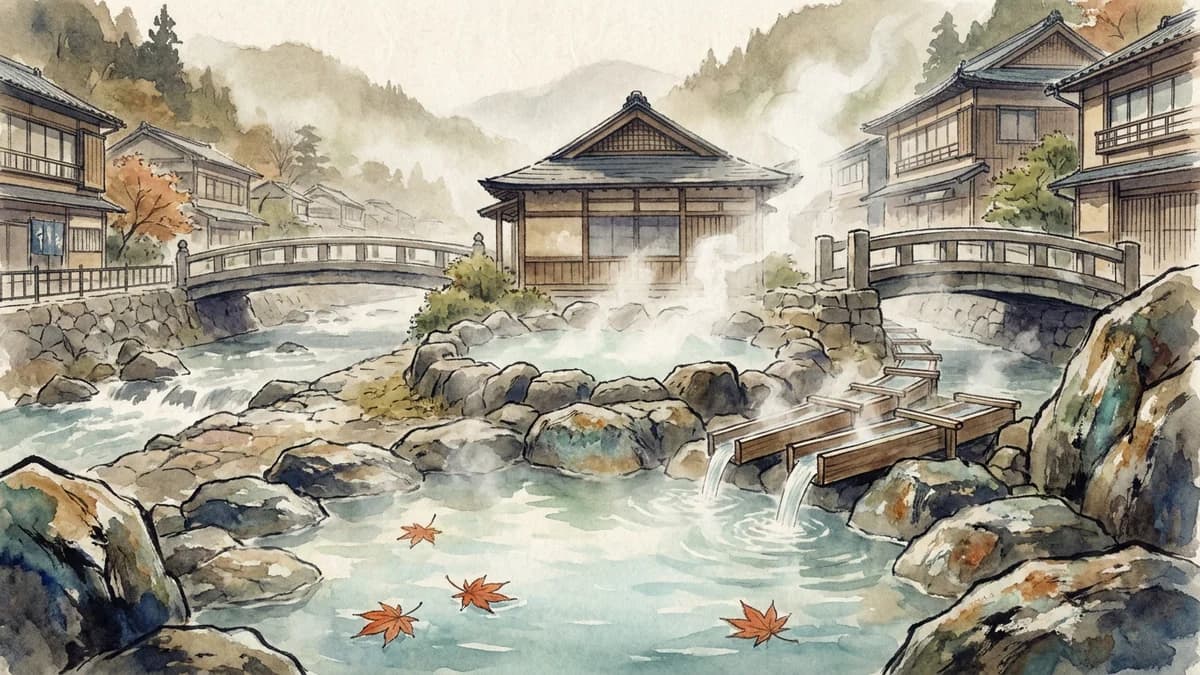
Arima Onsen, one of Japan's three ancient hot springs, offers a historic atmosphere famously cherished by the 16th-century ruler Toyotomi Hideyoshi. This unique spa town features two distinct spring types: the iron-rich, reddish-brown 'Kinsen' (gold spring) and the clear 'Ginsen' (silver spring). Visitors can experience deep restorative warmth and potential pain relief from these celebrated waters.

Arima Onsen is known for its Chloride Spring; listed indications for this spring type include Skin Beauty, Wound Healing. Choose from 11 inns with a hot-spring analysis on file, filtering by spring type, benefits and amenities, and book directly.

See inns in Arima Onsen

On this page you can filter Arima Onsen inns by spring type, benefits, tattoo-friendly, private bath and in-room open-air bath, and book on each property's Agoda or Rakuten page.

Ryokan with private onsen in Arima · 21 stays

Compare & book inns in Arima Onsen

36 matches
Browse free-flowing (kakenagashi) inns in Arima Onsen
Check Availability & Rates
PRIncludes affiliate links
TripAgodaExpediaBooking
Check Availability & Rates
PRIncludes affiliate links
Check Availability & Rates
PRIncludes affiliate links
TripAgodaExpediaBooking
Check Availability & Rates
PRIncludes affiliate links
Check Availability & Rates
PRIncludes affiliate links
TripAgodaExpediaBooking
Check Availability & Rates
PRIncludes affiliate links
Check Availability & Rates
PRIncludes affiliate links
TripAgodaExpediaBooking
Check Availability & Rates
PRIncludes affiliate links
Check Availability & Rates
PRIncludes affiliate links
TripAgodaExpediaBooking
Check Availability & Rates
PRIncludes affiliate links
Check Availability & Rates
PRIncludes affiliate links
TripAgodaExpediaBooking
Check Availability & Rates
PRIncludes affiliate links
Check Availability & Rates
PRIncludes affiliate links
TripAgodaExpediaBooking
Check Availability & Rates
PRIncludes affiliate links
Awaiting analysis(25)
♨
Nakanobou ZuienOnsen Ryokan
中の坊 瑞苑
Hyogo 北区
兵庫県 北区
Awaiting analysis
›
♨
Arima GoenOnsen Ryokan
有馬御苑
Hyogo 北区
兵庫県 北区
Awaiting analysis
›
♨
Taiko foot bathDay-use Bath
太閤の足湯
Hyogo 北区
兵庫県 北区
Awaiting analysis
›
♨
Tenjin-sengenDay-use Bath
天神泉源
Hyogo 北区
兵庫県 北区
Awaiting analysis
›
♨
Kin no YuDay-use Bath
金の湯
Hyogo 北区
兵庫県 北区
Awaiting analysis
›
♨
Taketori Tei Bekkan YasutakaDay-use Bath
竹取亭別館 康貴
Hyogo 北区
兵庫県 北区
Awaiting analysis
›
♨
Gosho-sengenDay-use Bath
御所泉源
Hyogo 北区
兵庫県 北区
Awaiting analysis
›
♨
Hyoe KoyokakuOnsen Ryokan
兵衛向陽閣
Hyogo 北区
兵庫県 北区
Awaiting analysis
›
♨
Ariake SengenDay-use Bath
有明泉源
Hyogo 北区
兵庫県 北区
Awaiting analysis
›
♨
Arima Royal HotelOnsen Ryokan
有馬ロイヤルホテル
Hyogo 北区
兵庫県 北区
Awaiting analysis
›
♨
Sumi no BoOnsen Ryokan
角の坊
Hyogo 北区
兵庫県 北区
Awaiting analysis
›
♨
Uwanari SpringDay-use Bath
姑泉源
Hyogo 北区
兵庫県 北区
Awaiting analysis
›
♨
Gokuraku SpringDay-use Bath
極楽泉源
Hyogo 北区
兵庫県 北区
Awaiting analysis
›
♨
Gin no YuDay-use Bath
銀の湯
Hyogo 北区
兵庫県 北区
Awaiting analysis
›
♨
Taikō no YuDay-use Bath
有馬温泉 太閤の湯
Hyogo 北区
兵庫県 北区
Awaiting analysis
›
♨
Arima Grand HotelOnsen Ryokan
有馬グランドホテル
Hyogo 北区
兵庫県 北区
Awaiting analysis
›
♨
KotoriOnsen Ryokan
小都里
Hyogo 北区
兵庫県 北区
Awaiting analysis
›
♨
Tansan SpringDay-use Bath
炭酸泉源
Hyogo 北区
兵庫県 北区
Awaiting analysis
›
♨
Arima Onsen Gekkoen YugetsusansouOnsen Ryokan
有馬温泉 月光園 游月山荘
Hyogo 神戸市北区
兵庫県 神戸市北区
Awaiting analysis
›
♨
Gakkoen Koro-rokanOnsen Ryokan
月光園 鴻朧館
Hyogo 北区
兵庫県 北区
Awaiting analysis
›
♨
Gokouushou HanayubiOnsen Ryokan
御幸荘 花結び
Hyogo 北区
兵庫県 北区
Awaiting analysis
›
♨
Maple ArimaOnsen Ryokan
メープル有馬
Hyogo 北区
兵庫県 北区
Awaiting analysis
›
♨
Ginsuiso ChourakuOnsen Ryokan
銀水荘 兆楽
Hyogo 北区
兵庫県 北区
Awaiting analysis
›
♨
Taketori-tei MaruyamaOnsen Ryokan
竹取亭円山
Hyogo 北区
兵庫県 北区
Awaiting analysis
›
♨
Tsuki e no FuneOnsen Ryokan
月への舟
Hyogo 神戸市北区
兵庫県 神戸市北区
Awaiting analysis
›

Choose a ryokan in Arima

Table of Contents
  1. Overview
  2. Signature Spring Qualities and Benefits
  3. Water Characteristics and Best Seasons
  4. Access
  5. Nearby Attractions and Local Cuisine
  6. FAQ

Overview

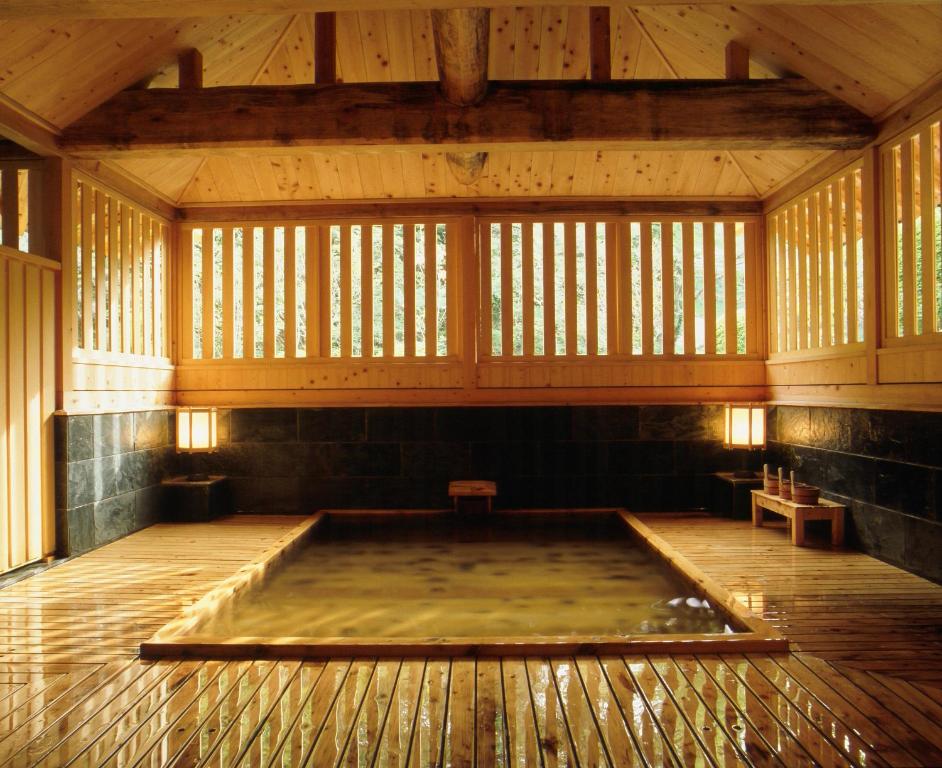
Located on the north side of Mt. Rokko, a short trip from downtown Kobe, Arima Onsen is one of Japan's Three Ancient Hot Springs, with its name appearing in the 'Nihon Shoki,' an 8th-century historical text. Legend says it was discovered by two deities in the age of mythology, and it has been a place of healing for centuries.

The spa is particularly famous for its association with the 16th-century warlord Toyotomi Hideyoshi, who visited frequently and sponsored large-scale renovations. The charming, sloping streets and alleys he once walked remain, making for a delightful historical stroll. Arima's most defining feature is the coexistence of two completely different spring types, 'Kinsen' (Gold Spring) and 'Ginsen' (Silver Spring), each offering distinct wellness benefits.

Signature Spring Qualities and Benefits

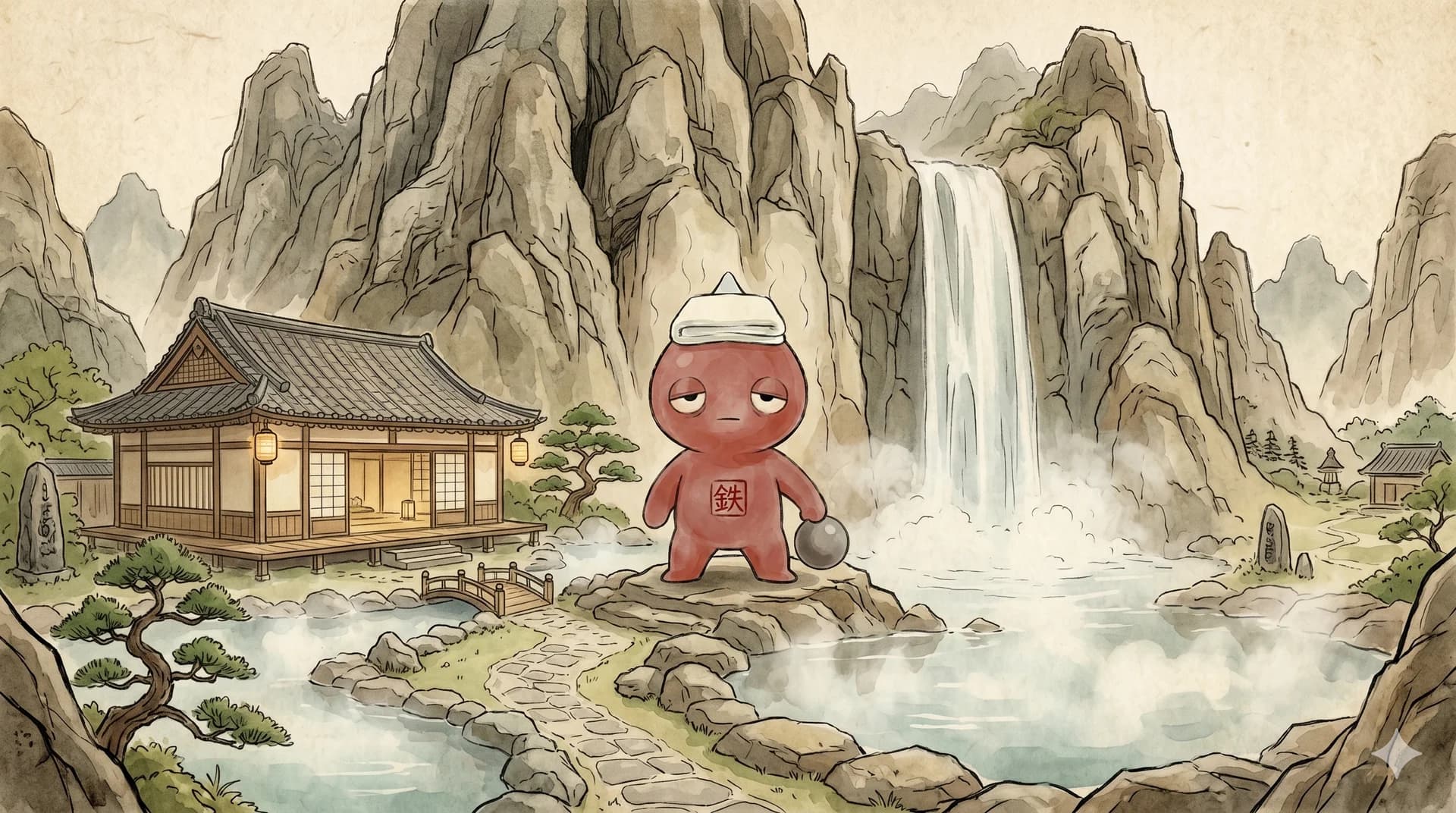
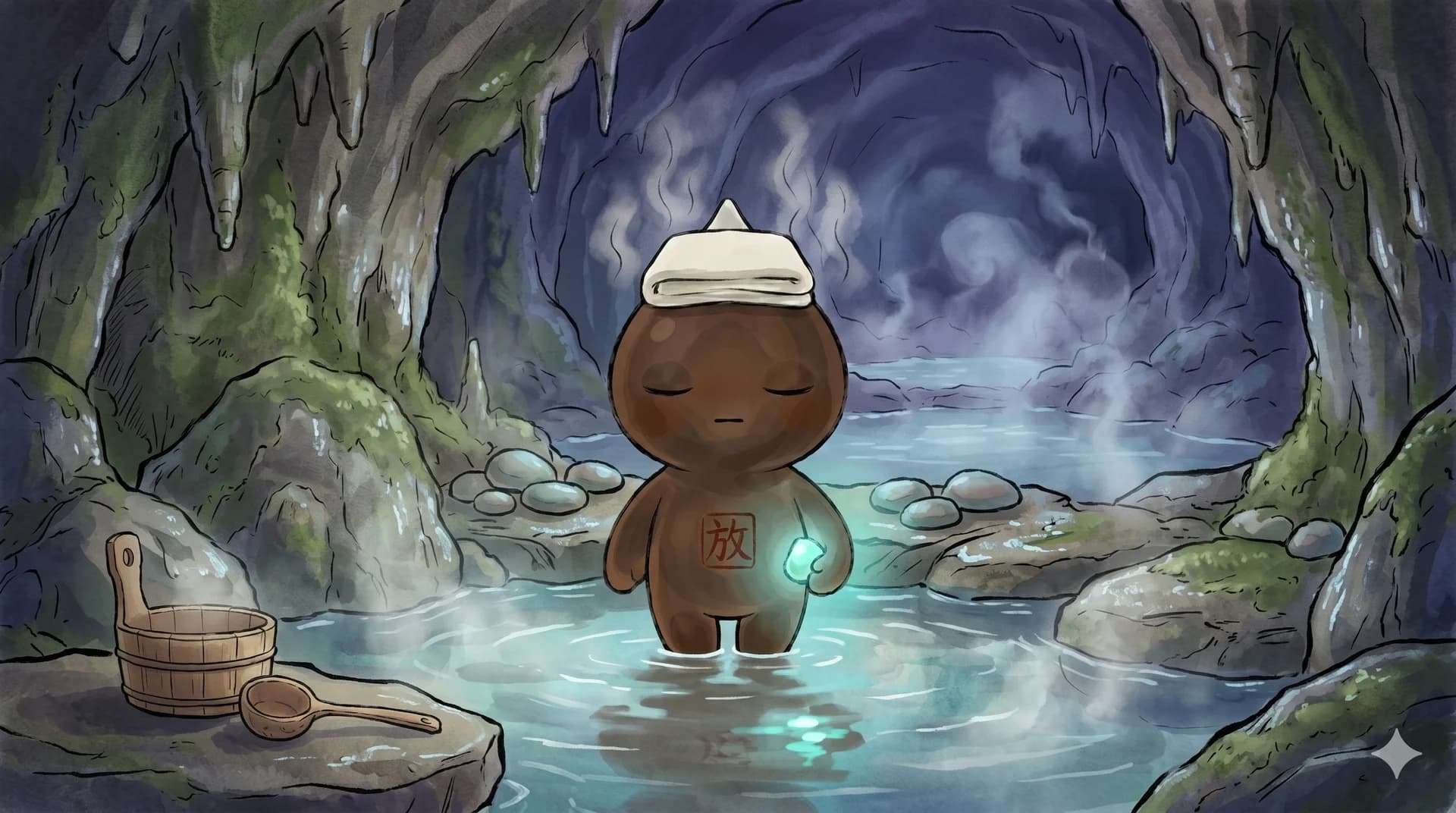
The iconic 'Kinsen' is an iron-rich sodium chloride spring. It turns a distinctive reddish-brown color when exposed to air, and its high salt content is known to provide excellent restorative warmth. In contrast, 'Ginsen' is a general term for the area's clear carbon dioxide and radioactive springs. The radioactive springs (containing radon) are believed to help relieve pain and support immune system stimulation.

  • Poor circulation
  • Peripheral circulatory disturbanceThe high salt content of the chloride springs, like Arima's Kinsen, creates a coating on the skin that helps retain body heat. This warming effect may improve blood flow to the hands and feet. Additionally, the carbon dioxide in the Ginsen can dilate blood vessels, further aiding circulation.
  • Dry skin
  • Iron-deficiency anemiaArima's famous Kinsen ("Gold Spring") is classified as an iron spring (含鉄泉) due to its high iron content. Bathing in this water is traditionally believed to help with this condition, as iron is an essential component of hemoglobin in the blood. The spring's reddish-brown color is a direct result of this iron.
  • Rheumatoid arthritisThe deep warming effect of the chloride springs (Kinsen) is said to soothe stiff joints and relieve muscle tension. The gentle buoyancy of the water also reduces stress on the joints, allowing for greater ease of movement, and chronic joint pain and stiffness are listed among the general indications for bathing.
  • Gout (Hyperuricemia)
  • Ankylosing spondylitis

Water Characteristics and Best Seasons

The Kinsen source is extremely hot, exceeding 90°C (194°F). While many facilities add cool water to regulate the temperature, you can still find baths with free-flowing spring water. The dense water, rich in salt and iron, warms you to the core. The Ginsen, with its lower temperature, offers a more refreshing bathing experience.

Arima can be enjoyed year-round, but autumn is particularly beautiful, with the stunning fall foliage at Zuihoji Park. Winter is the best season to truly appreciate the superior warming effect of the Kinsen. It helps you stay warm long after your bath, making it ideal for a cold-weather retreat.

Access

Tokyo StationTravel timeApprox. 3.5 hours
RouteTake the Tokaido Shinkansen (covered by JR Pass) to Shin-Kobe Station. Transfer to the subway and then the Kobe Electric Railway to Arima Onsen Station.
Shin-Osaka StationTravel timeApprox. 1 hour
RouteTake the JR Kobe Line to Sannomiya Station. Transfer to the subway and Kobe Electric Railway, or take a direct bus from Sannomiya.
Kansai Int'l Airport (KIX)Travel timeApprox. 75 mins
RouteA direct limousine bus to Arima Onsen is the most convenient option.
Haneda Airport (HND)Travel timeApprox. 3 hours
RouteFly to Osaka International Airport (Itami, ITM). From the airport, take a direct bus to Arima Onsen.

Nearby Attractions and Local Cuisine

  • Kin-no-yu & Gin-no-yu (public bathhouses)
  • Onsen-ji Temple & Yuzuruha Shrine (guardians of the hot springs)
  • Zuihoji Park (a famous autumn foliage spot praised by Hideyoshi)
  • Rokko-Arima Ropeway (panoramic views of the Rokko mountains)
  • Tansan Senbei (carbonated crackers, a local specialty)
  • Arima Baskets (traditional craft designated by the government)
  • Kobe Beef (world-renowned brand of beef)

MORE WITH THE SAME SPRING TYPE

Loved the Chloride Spring of Arima Onsen? Try these too

Picked from onsen across Japan where you can enjoy the same Chloride Spring.
Q & A

Frequently Asked Questions

Tap any question to expand the answer

Can I narrow down to only inns with a hot-spring analysis in Arima Onsen?
Yes. You can compare Arima Onsen inns that have a registered hot-spring analysis by spring type and benefits, and book from each property's Agoda or Rakuten page.
Can I find tattoo-friendly inns with private baths or in-room open-air baths in Arima Onsen?
Yes. Use the filters to select tattoo-friendly, private bath or in-room open-air bath, and only matching Arima Onsen inns will be shown.
TRY IT NOW

Find This Onsen on the Map

Plan your onsen trip

Onsen towns are often rural with patchy Wi-Fi and limited public transport. Sort out data, tours and a car before you go.

Includes affiliate links

References

Famous Onsen Areas with Chloride Spring

Check access and tourist information on each onsen area column

Related Articles
Chloride Springs: Benefits, Indications & Recommended Onsen
SPRING TYPEMay 5, 2026· 2min read

Chloride Springs: Benefits, Indications & Recommended Onsen

Chloride springs (Cl⁻ as the main anion) are known as "the hot-retaining waters" because the salt coating on your skin keeps body heat from escaping after bathing. Cold sensitivity and dry skin are among its official indications.

Ferruginous Springs: Iron-Rich, Rust-Red Waters & Their Drinking Indication
SPRING TYPEMay 5, 2026· 1min read

Ferruginous Springs: Iron-Rich, Rust-Red Waters & Their Drinking Indication

Ferruginous springs contain iron ions (Fe²⁺ + Fe³⁺) at 20 mg/kg or more. Clear at the source, they turn reddish-brown or golden on contact with air. Iron-deficiency anemia is its official drinking indication.

Radioactive Springs: Traditional Radon Waters & Their Indications
SPRING TYPEMay 5, 2026· 2min read

Radioactive Springs: Traditional Radon Waters & Their Indications

Radioactive springs contain radon (Rn) at 30×10⁻¹⁰ Ci/kg (8.25 Mache units) or more. Indicated for hyperuricemia (gout), rheumatoid arthritis, and ankylosing spondylitis. The trace radioactivity levels are comparable to natural background radiation in daily life, and the short radon half-life (3.8 days) means it does not accumulate in the body.

Kinosaki Onsen: A Charming Town of Seven Public Hot Springs
famous-onsenMay 28, 2026· 3min read

Kinosaki Onsen: A Charming Town of Seven Public Hot Springs

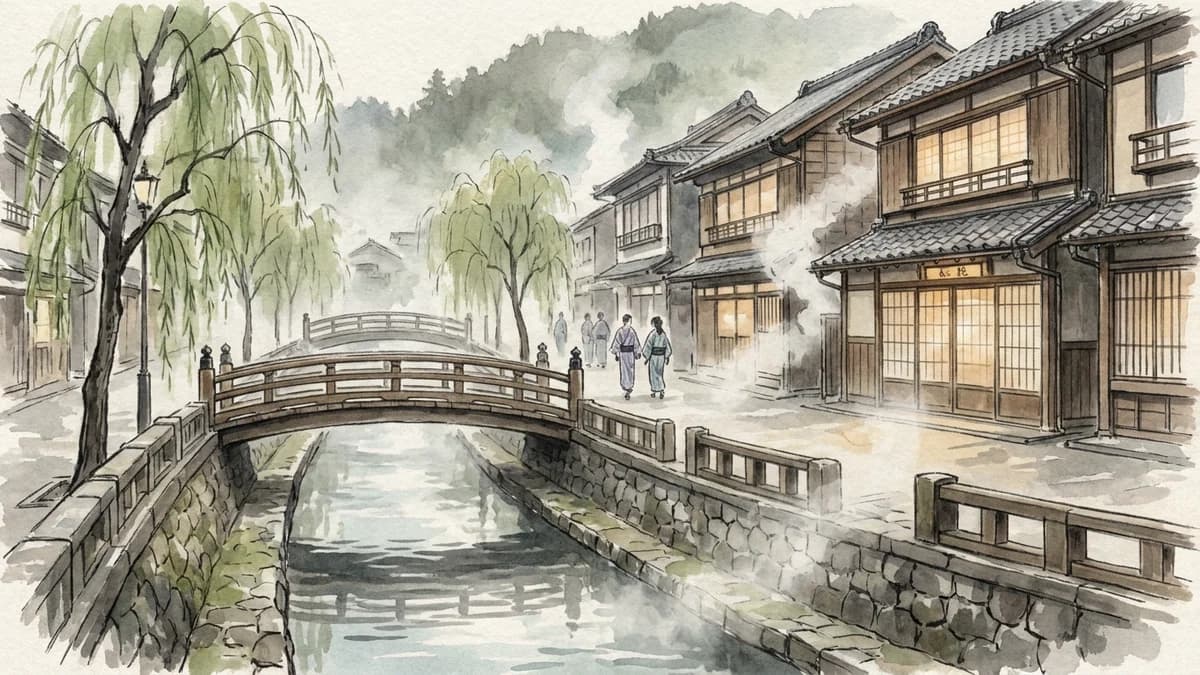
Discover Kinosaki Onsen, a town with 1,300 years of history. Its greatest charm is 'sotoyu meguri,' touring the seven public bathhouses in a yukata and geta along the willow-lined Otani River. The chloride spring water provides a restorative warmth that lasts long after your bath, offering deep relaxation and potential pain relief. It's an ideal destination for balneotherapy.

Yumura Onsen: A Town of Silky Skin Waters and its 98°C 'Arayu' Spring
famous-onsenMay 28, 2026· 3min read

Yumura Onsen: A Town of Silky Skin Waters and its 98°C 'Arayu' Spring

Nestled in the mountains of Hyogo Prefecture, Yumura Onsen is symbolized by 'Arayu,' one of Japan's hottest spring sources at 98°C. Its abundant, multi-mineral waters are expected to provide benefits like 'silky skin' and 'restorative warmth' that penetrates deep into the body, healing visitors' minds and bodies.