Kinosaki Onsen is known for its Chloride Spring; listed indications for this spring type include Skin Beauty, Wound Healing. Choose from 28 inns with a hot-spring analysis on file, filtering by spring type, benefits and amenities, and book directly.
See inns in Kinosaki OnsenOn this page you can filter Kinosaki Onsen inns by spring type, benefits, tattoo-friendly, private bath and in-room open-air bath, and book on each property's Agoda or Rakuten page.
Compare & book inns in Kinosaki Onsen

Awaiting analysis(4)
Overview
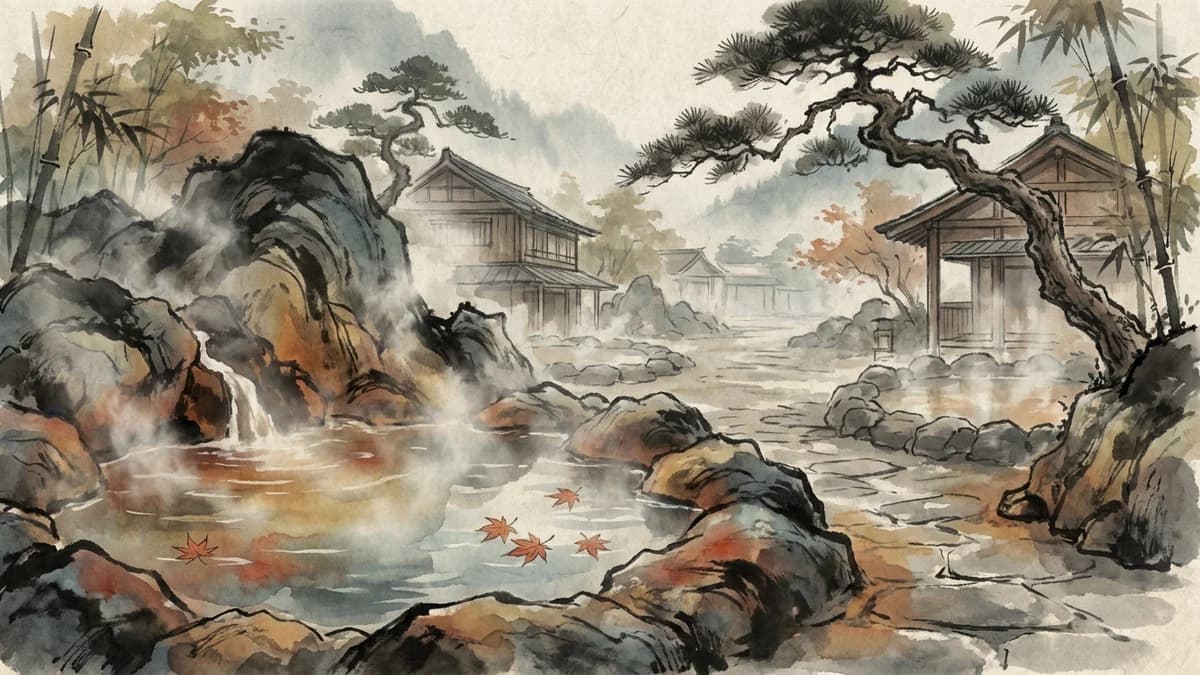
Located in northern Hyogo Prefecture near the Sea of Japan, Kinosaki Onsen is a historic hot spring town known since the Heian period (794-1185). Legend says it was discovered when an Oriental stork was seen healing its wounds in the waters. Kono-yu, the oldest public bathhouse in Kinosaki, is named after this legend.
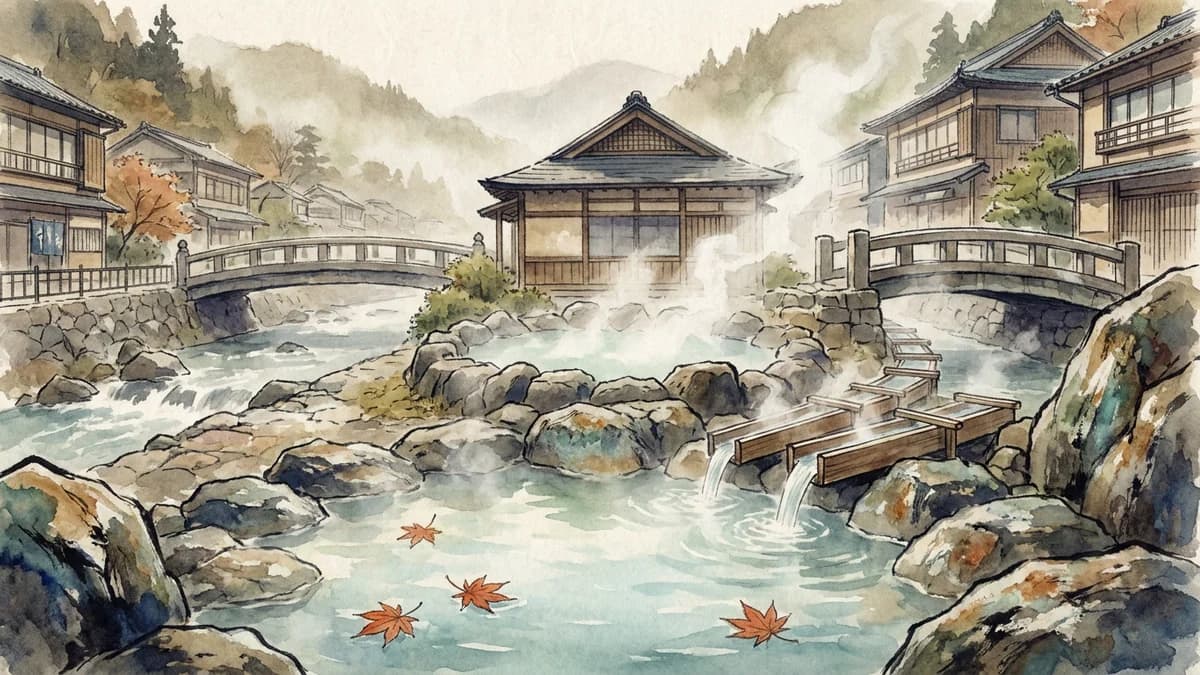
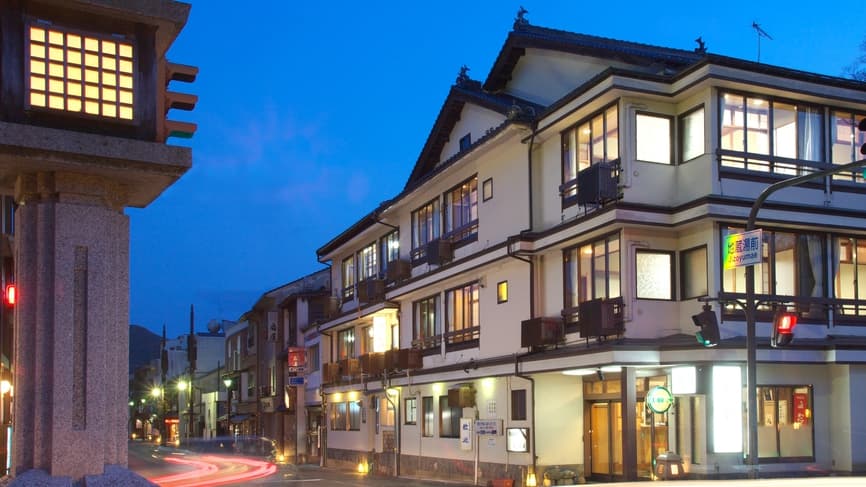
The main attraction of Kinosaki Onsen is 'sotoyu meguri,' or public bathhouse hopping. Guests don a yukata (light cotton kimono) and geta (wooden clogs) provided by their ryokan (inn) and are free to visit the town's seven distinct public bathhouses: Satono-yu, Ichino-yu, Goshono-yu, Mandara-yu, Jizo-yu, Kono-yu, and Yanagi-yu. The experience of strolling along the picturesque Otani River, from Satono-yu near the station to the other baths, is unique to Kinosaki. The town is also famous as the setting for the novel 'At Kinosaki' by the celebrated author Naoya Shiga, adding to its literary atmosphere.
Typical Spring Qualities and Benefits
Kinosaki Onsen's water is primarily a sodium/calcium-chloride and sulfate spring. Chloride springs are known as 'netsu-no-yu' (heat-retaining baths) because the salt content coats the skin and prevents sweat from evaporating, keeping the body warm. The inclusion of sulfate components also helps to prevent dry skin and is expected to relieve pain.
- CutsThe warming properties of this chloride spring can improve blood circulation. This enhanced blood flow may help support the body's natural healing process for minor cuts and scrapes.
- Peripheral circulatory disorders
- Sensitivity to coldKinosaki's water is known as a "spring of heat" for its excellent heat retention. The salts help warm the body to its core, an effect that may help alleviate chronic feelings of coldness.
- Dry skinThe salt components in the water form a thin veil on the skin's surface after bathing. This natural film helps prevent moisture from evaporating, leaving the skin feeling hydrated and soft.
- Rheumatoid arthritisThe spring's powerful heat-retaining qualities improve overall blood circulation. This sustained warmth may help to ease the chronic pain and stiffness associated with arthritic conditions.
- Reduced gastrointestinal function
Water Characteristics and Best Season to Visit
The source temperature at Kinosaki Onsen is high, ranging from 50-80°C (122-176°F), so most facilities add cool water to regulate the temperature. A centralized distribution system supplies the hot spring water to the seven public baths and local ryokans. The best seasons to visit are spring (April-June) and autumn (September-November), when the weather is perfect for strolling in a yukata. Winter is also popular, as it is the peak season for Matsuba crab, a local delicacy from the Sea of Japan.
Access
Nearby Sightseeing and Local Cuisine
- Sotoyu Meguri (hopping between the seven public baths)
- Onsenji Temple & Kinosaki Onsen Ropeway
- Genbudo Park (National Natural Monument)
- Kinosaki Marine World
- Matsuba Crab (Snow Crab) dishes (Nov-Mar)
- Tajima Beef steak and sushi
- Onsen Tamago (hot spring egg) making
- Kinosaki Craft Beer
MORE WITH THE SAME SPRING TYPE
Loved the Chloride Spring of Kinosaki Onsen? Try these too
Picked from onsen across Japan where you can enjoy the same Chloride Spring.





Q & A
Frequently Asked Questions
Tap any question to expand the answer
Can I narrow down to only inns with a hot-spring analysis in Kinosaki Onsen?
Can I find tattoo-friendly inns with private baths or in-room open-air baths in Kinosaki Onsen?
Onsen towns are often rural with patchy Wi-Fi and limited public transport. Sort out data, tours and a car before you go.
- Japan eSIMAiralo
- Japan eSIMYesim
- Tours, passes & transfersGetYourGuide
- Tours, passes & transfersKKday
- Car rentalDiscover Cars
Includes affiliate links
References
Famous Onsen Areas with Chloride Spring
Check access and tourist information on each onsen area column
Related Articles