Wakura Onsen is known for its Chloride Spring; listed indications for this spring type include Skin Beauty, Wound Healing. Choose an inn by spring type, benefits and amenities, and book directly.
See inns in Wakura OnsenOn this page you can filter Wakura Onsen inns by spring type, benefits, tattoo-friendly, private bath and in-room open-air bath, and book on each property's Agoda or Rakuten page.
Compare & book inns in Wakura Onsen
Awaiting analysis(5)
Overview
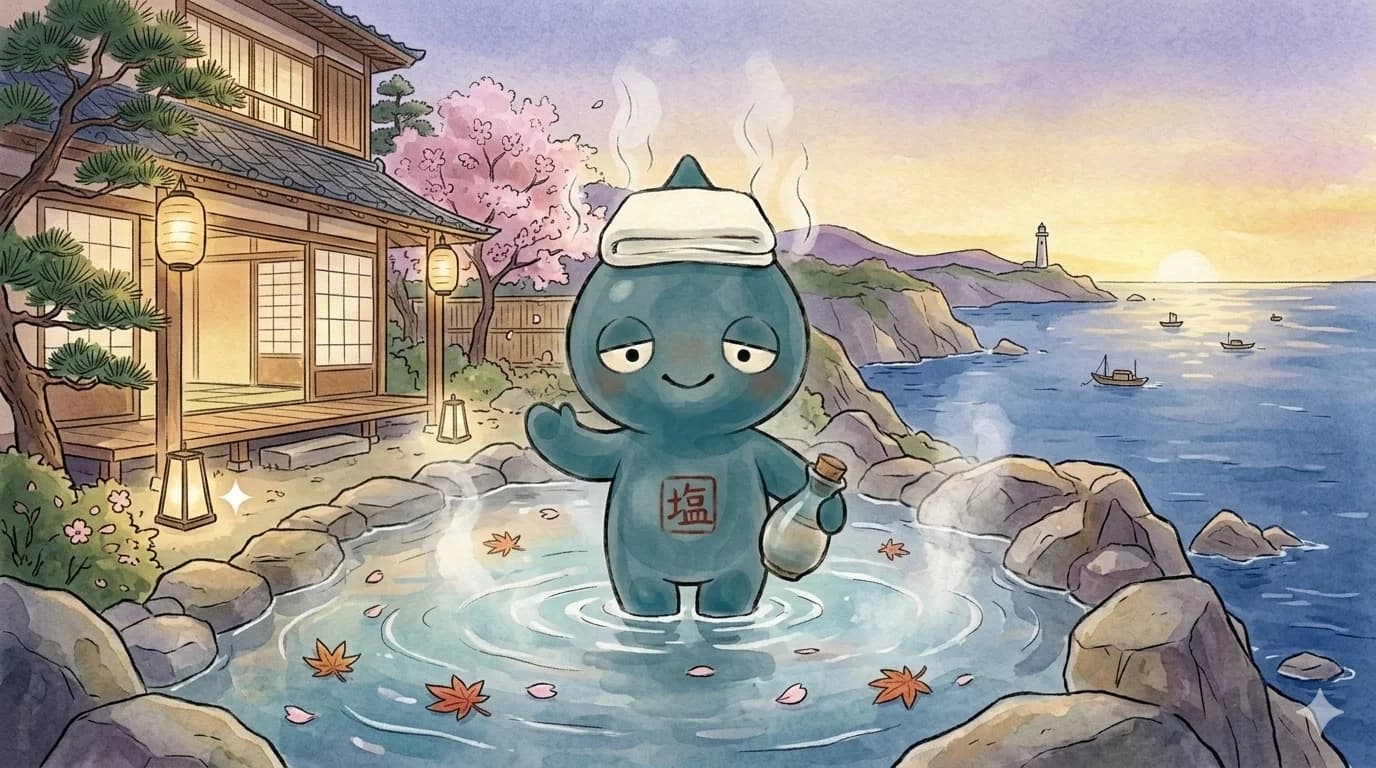
The history of Wakura Onsen dates back approximately 1,200 years. Legend says it was discovered when a wounded white heron was seen healing itself in a seaside spring. The hot spring originally bubbled up from within Nanao Bay, earning it the name "the ocean's onsen."
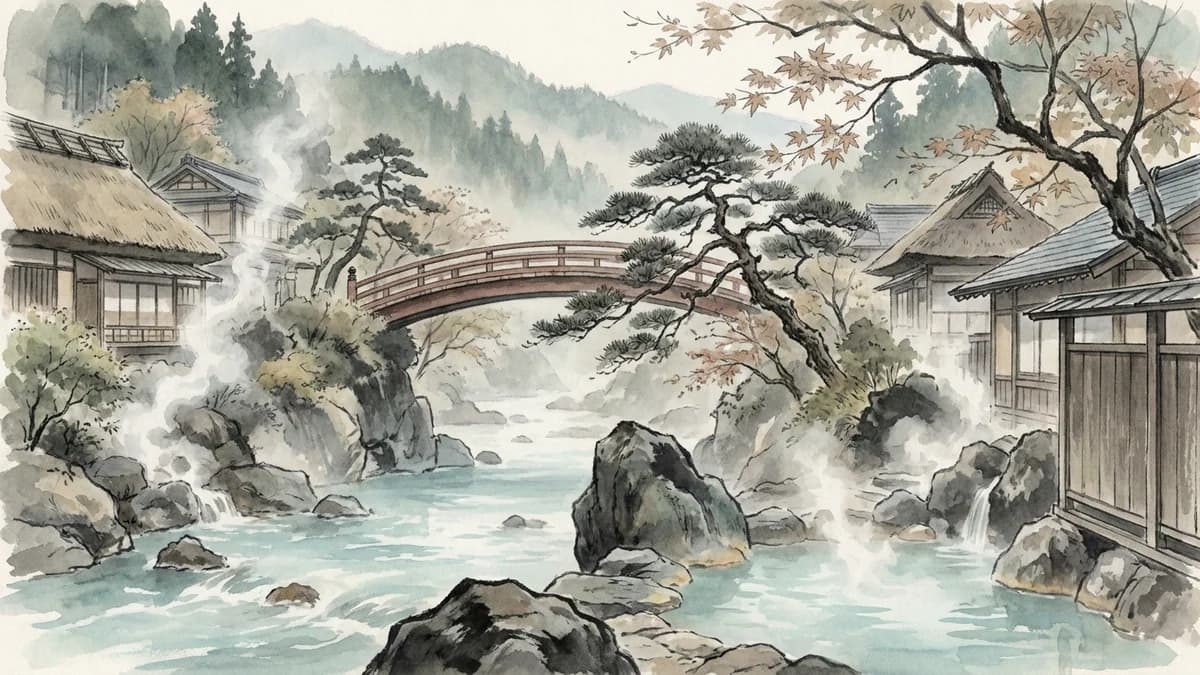
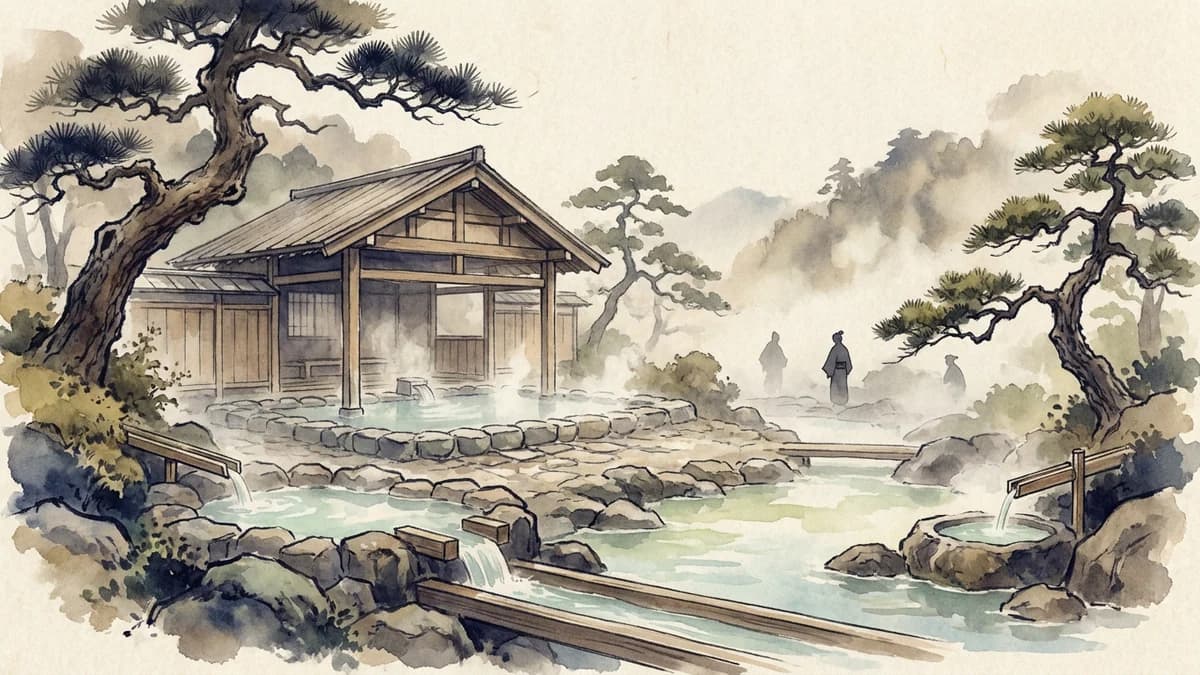
During the Edo period, it served as a therapeutic retreat for the lords of the Kaga Domain, and its fame spread throughout Japan. In the Meiji era, it was developed into a modern hot spring resort, becoming a coveted destination for many writers and artists. Today, it continues to attract tourists from Japan and abroad, drawn by the high-quality spring water and the scenic beauty of Nanao Bay.
Main Spring Types and Indications
The spring is a Sodium/Calcium-Chloride type, distinguished by one of the highest salt concentrations in Japan. This salt forms a thin veil on the skin, preventing heat from escaping and providing an exceptional restorative warmth effect. The high salinity is also said to have sterilizing properties and may help to relieve pain. The water is also potable, and drinking it is believed to aid digestive health.
- CutsThe high salt concentration of this chloride spring is said to have a strong sterilizing effect, which may help to disinfect minor abrasions and support the natural healing process.
- Poor peripheral circulation
- Sensitivity to coldThe abundant salt in the water forms a thin veil on the skin. This coating prevents body heat from escaping, warming you to the core and leaving a lasting sense of warmth.
- Dry skinThis spring is known for its excellent moisturizing effects. The salt coats the skin, which helps prevent moisture from evaporating, and cutaneous xerosis (dry skin) is listed among the indications for chloride springs.
- Rheumatoid arthritisThe potent warming effect of the spring helps to warm the body from its core. This deep, lasting heat may improve circulation and help soothe the chronic pain associated with stiff joints.
- Atrophic gastritis
- Constipation
Water Characteristics and Best Time to Visit
The source temperature is extremely high at around 90°C (194°F), so most inns and public baths add cool water to bring it to a comfortable temperature. The clear, salty water leaves a coating of salt on the skin after bathing, which prevents sweat from evaporating and keeps you feeling warm long after you get out.
Wakura Onsen can be enjoyed year-round, but the best time to visit is from autumn to winter. In autumn, the air is clear, offering the most beautiful views of the sunset over Nanao Bay. Winter is the peak season for Noto's culinary treasures, such as oysters, yellowtail, and crab, making it a luxurious time to enjoy both hot springs and gourmet food.
Access
Nearby Sightseeing and Local Gourmet
- Notojima Island (Aquarium, Glass Art Museum)
- Nanao Bay CruiseTake a scenic boat tour around Nanao Bay, the very body of water where Wakura Onsen's spring was originally discovered bubbling up from the sea. The cruise offers beautiful views of the coastline, Notojima Island, and the surrounding natural landscape.
- Le Musée de H (pastry chef Hironobu Tsujiguchi's museum)
- Noto Shokusai Market
- Wakura Onsen Sweets Tour
- Noto Oysters and Noto Pufferfish
- Nodoguro (Blackthroat Seaperch) dishes
- Ipponsugi-dori Street (Hananoren Museum)
MORE WITH THE SAME SPRING TYPE
Loved the Chloride Spring of Wakura Onsen? Try these too
Picked from onsen across Japan where you can enjoy the same Chloride Spring.




Q & A
Frequently Asked Questions
Tap any question to expand the answer
Can I narrow down to only inns with a hot-spring analysis in Wakura Onsen?
Can I find tattoo-friendly inns with private baths or in-room open-air baths in Wakura Onsen?
Onsen towns are often rural with patchy Wi-Fi and limited public transport. Sort out data, tours and a car before you go.
- Japan eSIMAiralo
- Japan eSIMYesim
- Tours, passes & transfersGetYourGuide
- Tours, passes & transfersKKday
- Car rentalDiscover Cars
Includes affiliate links
References
Famous Onsen Areas with Chloride Spring
Check access and tourist information on each onsen area column
Related Articles