Yamanaka Onsen is known for its Sulfate Spring; listed indications for this spring type include Skin Beauty, Wound Healing. Choose an inn by spring type, benefits and amenities, and book directly.
See inns in Yamanaka OnsenOn this page you can filter Yamanaka Onsen inns by spring type, benefits, tattoo-friendly, private bath and in-room open-air bath, and book on each property's Agoda or Rakuten page.
Compare & book inns in Yamanaka Onsen
Awaiting analysis(7)
Overview
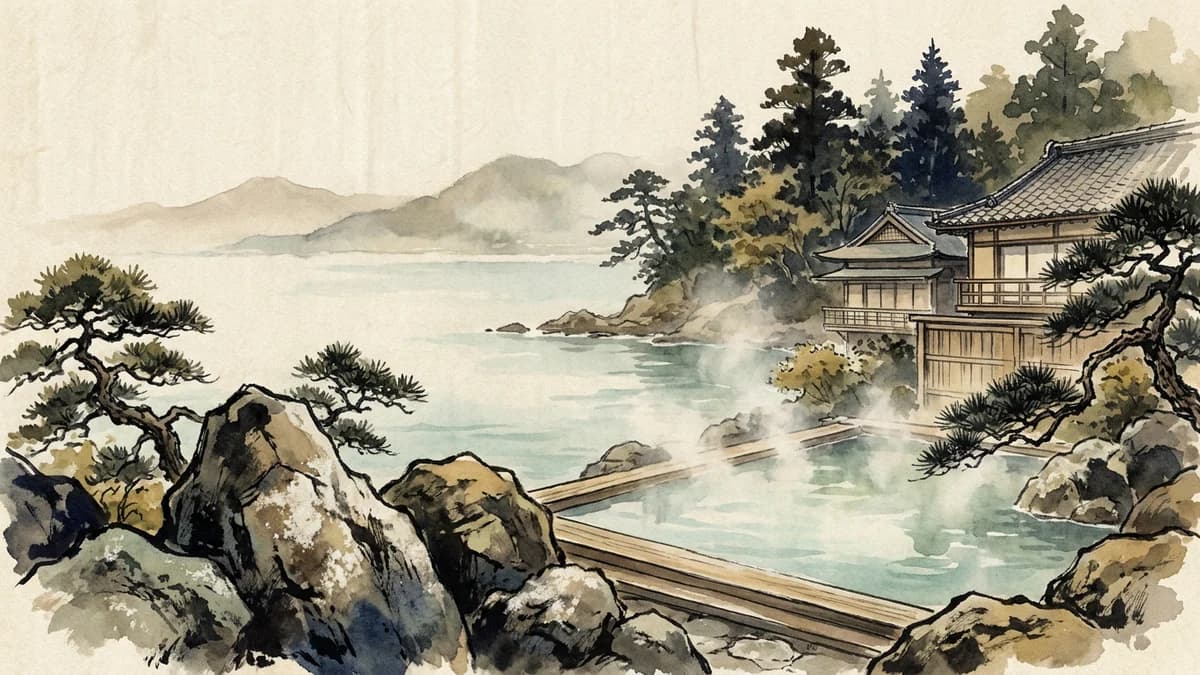
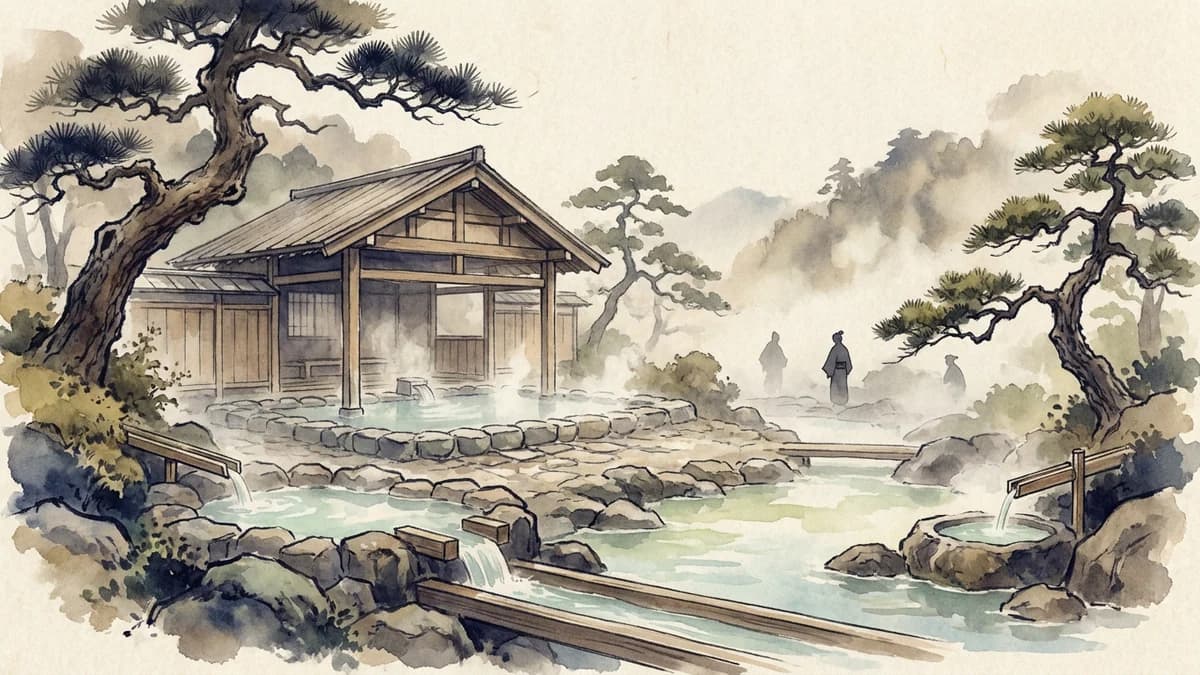
Yamanaka Onsen is a historic hot spring area, said to have been discovered by the Buddhist monk Gyoki during the Nara period, about 1,300 years ago. It is part of the Kaga Onsenkyo (Kaga Hot Spring Village), beloved by many alongside Awazu, Katayamazu, and Yamashiro onsens.
During the Edo period, the haiku poet Matsuo Basho famously stayed here for nine days during his journey for "The Narrow Road to the Deep North," composing the poem, "In Yamanaka / no need to pick chrysanthemums / the scent of the springs." Basho praised its waters as being on par with Arima and Kusatsu, which he considered the three best hot springs in Japan. The harmonious scenery of the Kakusenkei Gorge and the traditional onsen town provides a deeply healing and peaceful experience for visitors.
Signature Spring Quality and Benefits
The main spring type at Yamanaka Onsen is a Calcium/Sodium-Sulfate spring. The clear, colorless water is gentle on the skin with a smooth texture. It is known as a "warming spring" for its ability to promote blood circulation and warm the body to its core. It is also said to have moisturizing effects on the skin.
- Joint rheumatism
- CutsYamanaka Onsen has historically been called a "bath for wounds." The properties of its sulfate spring are believed to be beneficial for soothing minor cuts and scrapes. Soaking in this gentle water may help support the skin's natural healing process.
- Poor peripheral circulation
- Sensitivity to coldThe onsen's ability to warm the body from its core makes it suitable for those who often feel cold. The bath is said to promote blood flow, providing a deep and lasting warmth, especially in the limbs.
- Dry skinThe mineral components of this gentle, soft-textured water can help moisturize the skin. The calcium and sodium ions are said to form a light veil on the skin's surface, which helps it retain moisture and feel hydrated after bathing.
Water Characteristics & Best Season
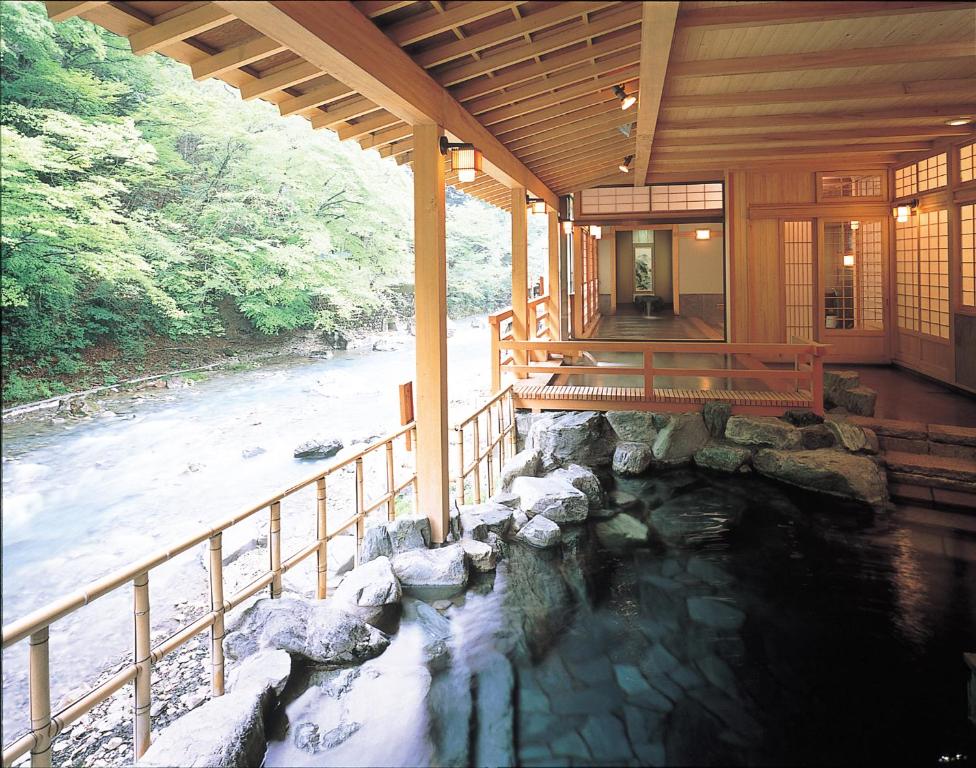
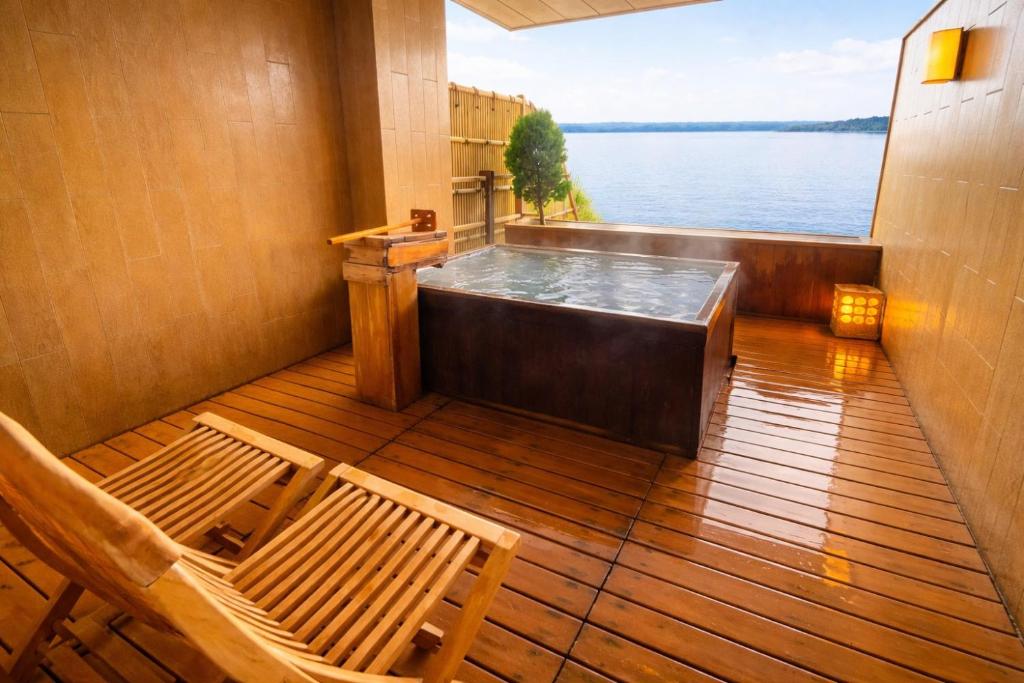
While the source temperature varies, the water in most inns and public baths is regulated to a comfortable 40-43°C (104-109°F). Many establishments take advantage of the abundant hot water by offering gensen kakenagashi (free-flowing water directly from the source). The open-air baths (rotenburo) offering close-up views of the Kakusenkei Gorge are a signature experience of Yamanaka Onsen.
The area is beautiful year-round, but autumn (late October to mid-November) is especially popular, as visitors can enjoy both the hot springs and the vibrant autumn foliage along the gorge. The tranquility of bathing in an onsen surrounded by a beautiful winter snowscape is also a special experience.
Access
Nearby Sightseeing & Local Cuisine
- Strolling through Kakusenkei Gorge (Korogi Bridge, Ayatori Bridge, Kurotani Bridge)
- Visiting the public bathhouse "Kiku-no-Yu"
- Watching traditional performances and geisha dances at Yamanaka-za Theater
- Visiting Yamanaka lacquerware workshops or trying a wood-turning experience
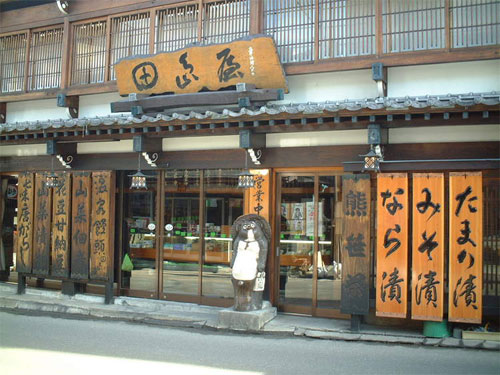
- Snacking along Yuge Kaido street (try Nyanya Manju or croquettes)
- Fresh seafood from the Sea of Japan (especially snow crab in winter)
- Local specialty "Jibu-ni," a simmered dish with Kaga vegetables
MORE WITH THE SAME SPRING TYPE
Loved the Sulphate Spring of Yamanaka Onsen? Try these too
Picked from onsen across Japan where you can enjoy the same Sulphate Spring.



Q & A
Frequently Asked Questions
Tap any question to expand the answer
Can I narrow down to only inns with a hot-spring analysis in Yamanaka Onsen?
Can I find tattoo-friendly inns with private baths or in-room open-air baths in Yamanaka Onsen?
Onsen towns are often rural with patchy Wi-Fi and limited public transport. Sort out data, tours and a car before you go.
- Japan eSIMAiralo
- Japan eSIMYesim
- Tours, passes & transfersGetYourGuide
- Tours, passes & transfersKKday
- Car rentalDiscover Cars
Includes affiliate links
References
Famous Onsen Areas with Sulphate Spring
Check access and tourist information on each onsen area column
Related Articles