Dake Onsen (Fukushima) is known for its Acidic Spring; listed indications for this spring type include Dry Skin / Atopy. Choose an inn by spring type, benefits and amenities, and book directly.
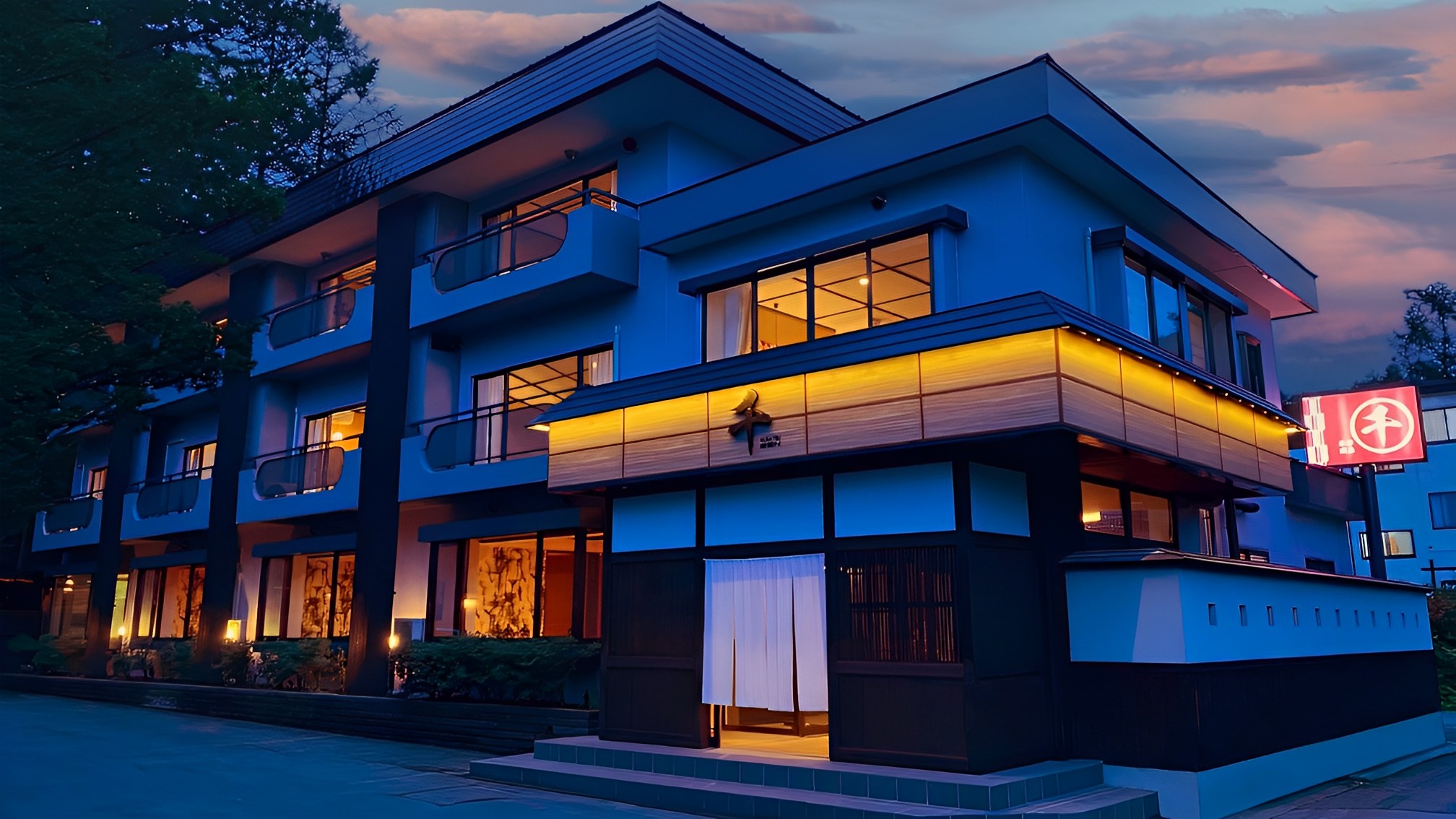
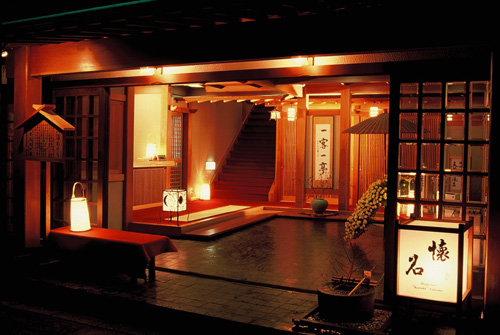
See inns in Dake Onsen (Fukushima)On this page you can filter Dake Onsen (Fukushima) inns by spring type, benefits, tattoo-friendly, private bath and in-room open-air bath, and book on each property's Agoda or Rakuten page.
Compare & book inns in Dake Onsen (Fukushima)
Awaiting analysis(2)
Overview
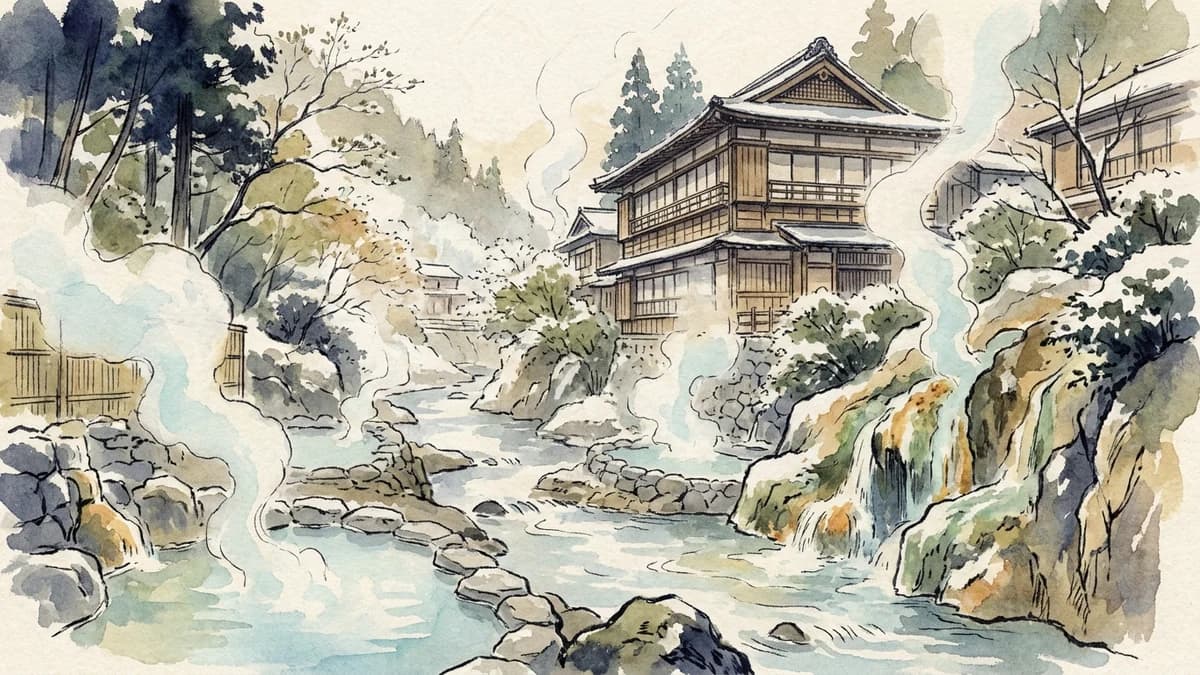
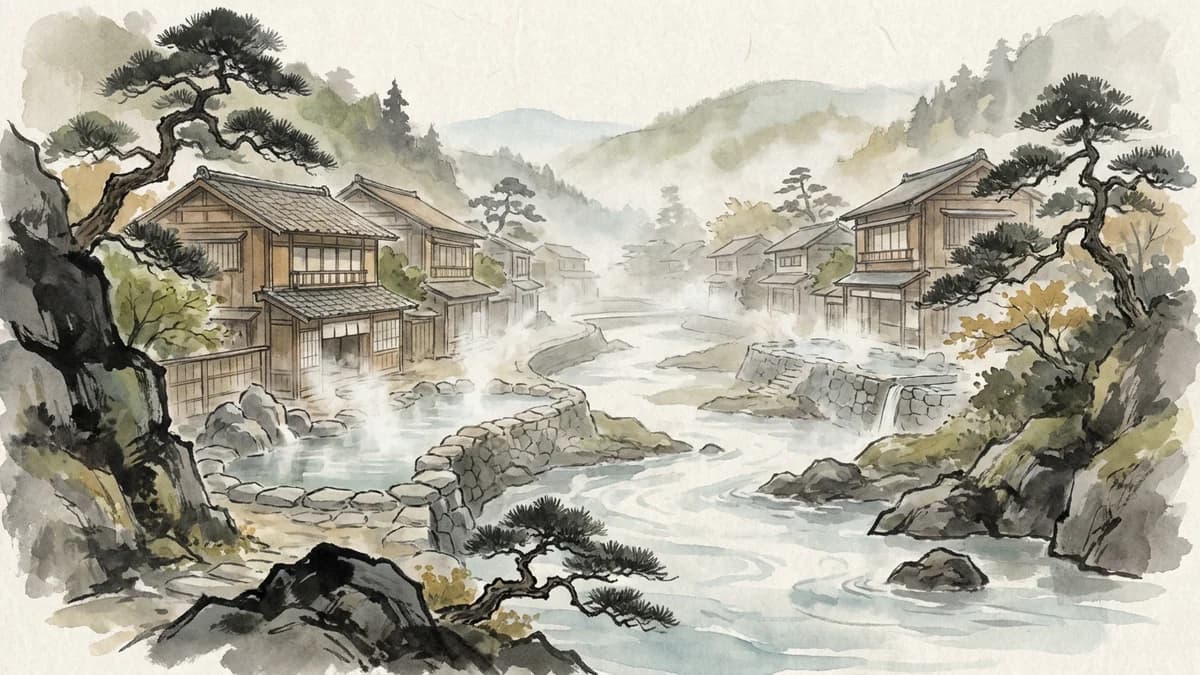
With a history spanning over 1,200 years, Dake Onsen's source lies at an altitude of 1,500 meters on Mt. Adatara. The water is channeled through an 8-kilometer-long pipe to the onsen town. This long journey naturally mellows the highly acidic water, resulting in a surprisingly gentle feel on the skin, which is its most defining characteristic.
The town is characterized by its charming main street lined with Himalayan cedars, creating a tranquil atmosphere. Traditional "Yumori" (hot spring guardians) continue to manage the source and pipes using age-old methods, preserving the exceptional quality of the spring water.
Primary Spring Type and Benefits
This is a strongly acidic spring with a pH of around 2.5, known for its high sterilizing properties. As the water travels the long distance from its source, it comes into contact with the air, causing oxidation and neutralization that softens its effect on the skin. A faint sulfur aroma adds to the authentic onsen experience.
- Atopic dermatitisDake Onsen's water is strongly acidic, and atopic dermatitis is listed among the indications for acidic springs.
- Psoriasis vulgarisPsoriasis vulgaris is listed among the indications for acidic springs such as this one.
- Impaired glucose tolerance (Diabetes)Impaired glucose tolerance (diabetes) is listed among the indications for acidic springs, and the warmth of bathing is said to promote circulation.
- Cuts
- Superficial skin infections
Water Characteristics and Best Season to Visit
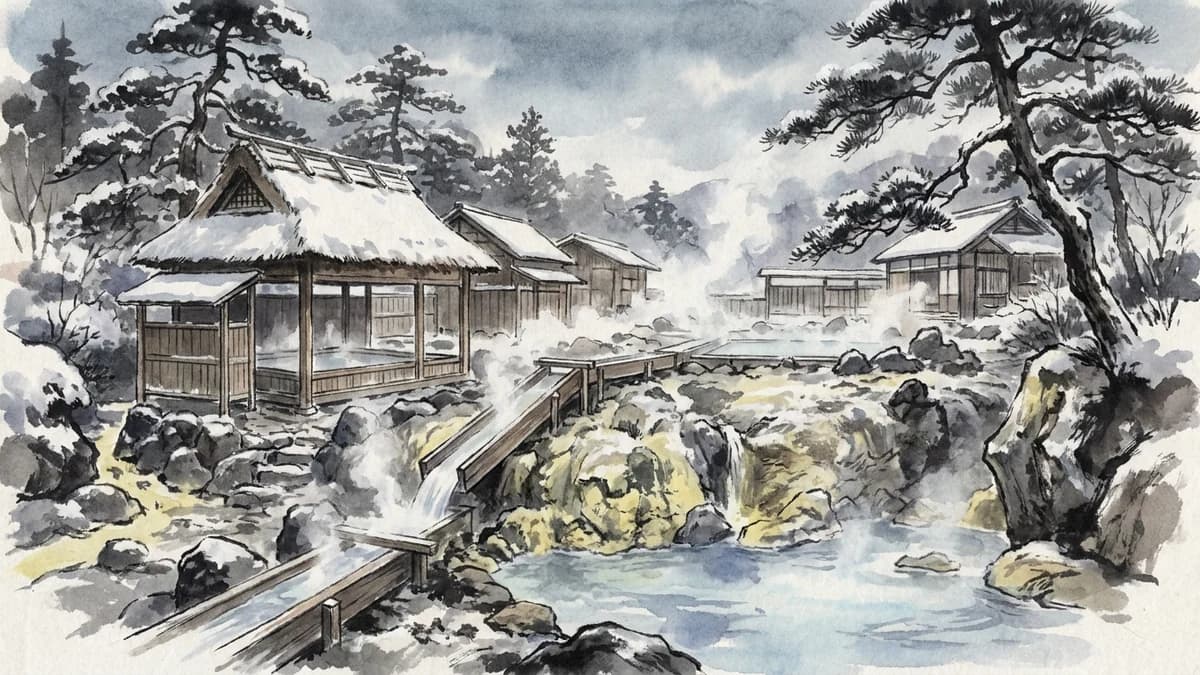
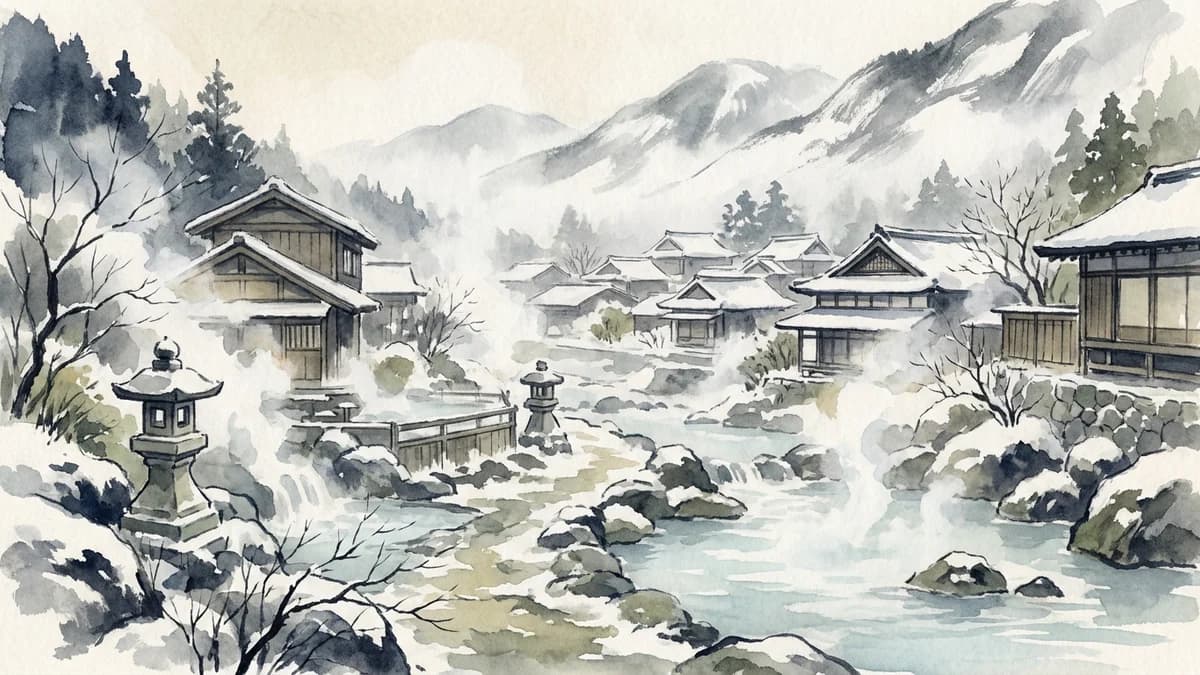
The water temperature at the source is about 68°C (154°F), but it cools to a comfortable temperature by the time it reaches the baths. Many facilities offer gensen-kakenagashi (free-flowing, non-recirculated spring water). The area is beautiful year-round: fresh green in spring, cool in summer, vibrant with autumn colors, and serene with snow in winter. The autumn foliage season on Mt. Adatara (around October) is particularly spectacular.
Access
Nearby Sightseeing and Local Cuisine
- Mt. Adatara (hiking, Adatara Express ropeway)
- Kagami-ga-ike Pond
- Adatara Valley Nature Trail
- Nihommatsu Castle Ruins (Kasumigajo Park)
- Chieko's Birthplace and Memorial Museum
- Local specialty: Sauce Katsudon (pork cutlet on rice with sauce)
- Local Sake (Okunomatsu, Daishichi, etc.)
MORE WITH THE SAME SPRING TYPE
Loved the Acidic Spring of Dake Onsen (Fukushima)? Try these too
Picked from onsen across Japan where you can enjoy the same Acidic Spring.




Q & A
Frequently Asked Questions
Tap any question to expand the answer
Can I narrow down to only inns with a hot-spring analysis in Dake Onsen (Fukushima)?
Can I find tattoo-friendly inns with private baths or in-room open-air baths in Dake Onsen (Fukushima)?
Onsen towns are often rural with patchy Wi-Fi and limited public transport. Sort out data, tours and a car before you go.
- Japan eSIMAiralo
- Japan eSIMYesim
- Tours, passes & transfersGetYourGuide
- Tours, passes & transfersKKday
- Car rentalDiscover Cars
Includes affiliate links
References
Famous Onsen Areas with Acidic Spring
Check access and tourist information on each onsen area column
Related Articles