Higashiyama Onsen is known for its Sulfate Spring; listed indications for this spring type include Skin Beauty, Wound Healing. Choose an inn by spring type, benefits and amenities, and book directly.
See inns in Higashiyama OnsenOn this page you can filter Higashiyama Onsen inns by spring type, benefits, tattoo-friendly, private bath and in-room open-air bath, and book on each property's Agoda or Rakuten page.
Compare & book inns in Higashiyama Onsen
Awaiting analysis(4)
Overview
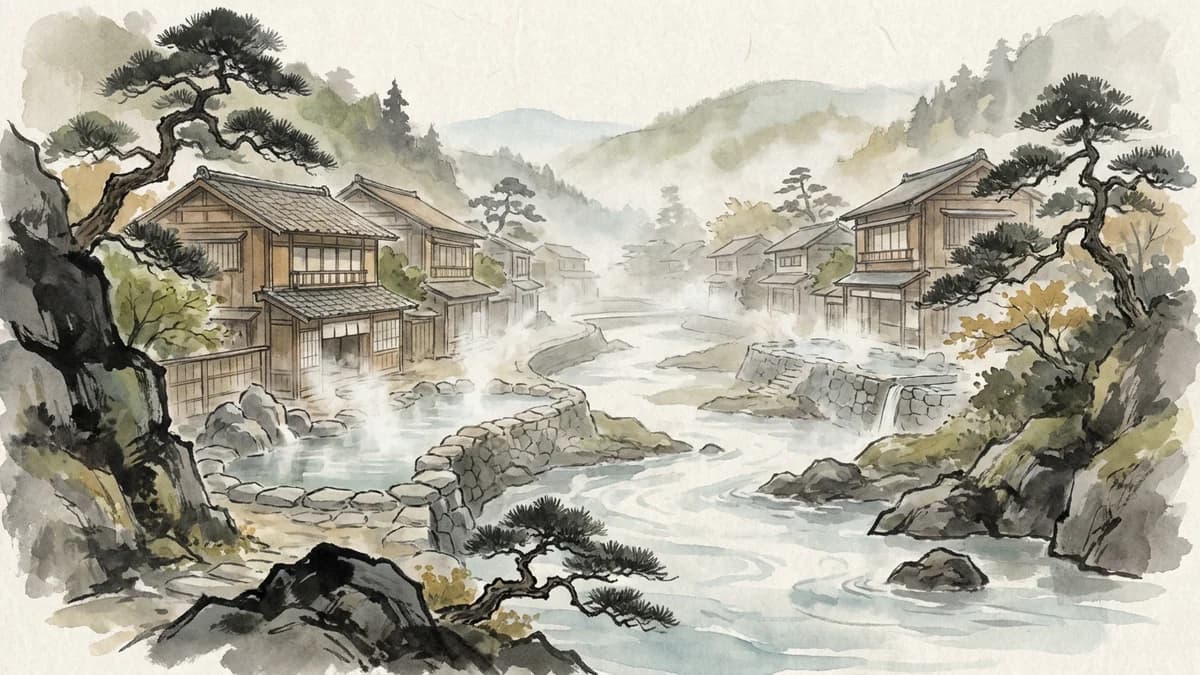
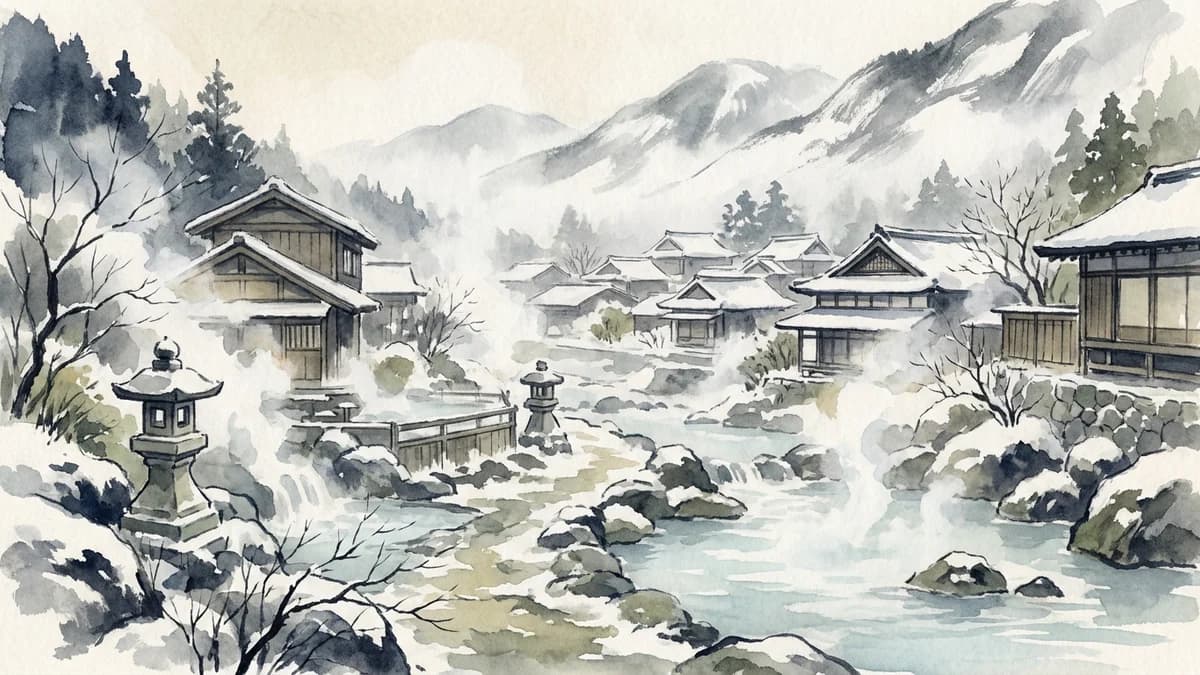
Higashiyama Onsen is a historic hot spring village, said to have been discovered about 1,300 years ago by the high priest Gyoki. Known as the "inner parlor of Aizu," it features charming traditional inns lining the Yugawa River. Its spring water has been highly valued since ancient times and was a favorite of the successive lords of the Aizu domain during the Edo period for its therapeutic properties.
The onsen also has deep ties to the history of the Bakumatsu period. It is famously known as the place where Hijikata Toshizo, the vice-commander of the Shinsengumi, healed his wounds during the Boshin War. In this historic setting, you can enjoy a peaceful moment listening to the murmuring of the valley stream.
Spring Quality & Benefits
The main spring type at Higashiyama Onsen is the colorless and transparent "Sulfate spring," which is gentle on the skin. This quality is sometimes called "the water for cuts" or "the water for strokes," and it is expected to promote blood circulation. A key feature is its lasting restorative warmth, which prevents the body from cooling down after bathing by locking in moisture.
- CutsThe sulfate spring quality of the water is traditionally associated with healing. Historically called "Kizu no Yu" (the water for wounds), it lists cuts among its indications and may help soothe minor cuts and abrasions.
- Peripheral circulatory disturbance
- Sensitivity to coldThe thermal properties of the spring are known for warming the body to its core, an effect that can persist after bathing. This improved heat retention and circulation may offer comfort to those with a chronic sensitivity to cold.
- Dry skinThe water here is known for being gentle and leaving the skin feeling supple and moisturized post-bath. The minerals in this sulfate spring are believed to form a light veil on the skin, helping it retain moisture and combat dryness.
- Rheumatoid arthritis
Water Characteristics & Best Season
The water at Higashiyama Onsen is kept at a comfortable average temperature of around 42°C (107.6°F). Its smooth, silky texture makes it ideal for long, relaxing soaks. Many facilities offer free-flowing spring water (gensen kakenagashi), allowing you to enjoy the freshest thermal water. The open-air baths along the valley provide an immersive experience, making you feel at one with nature.
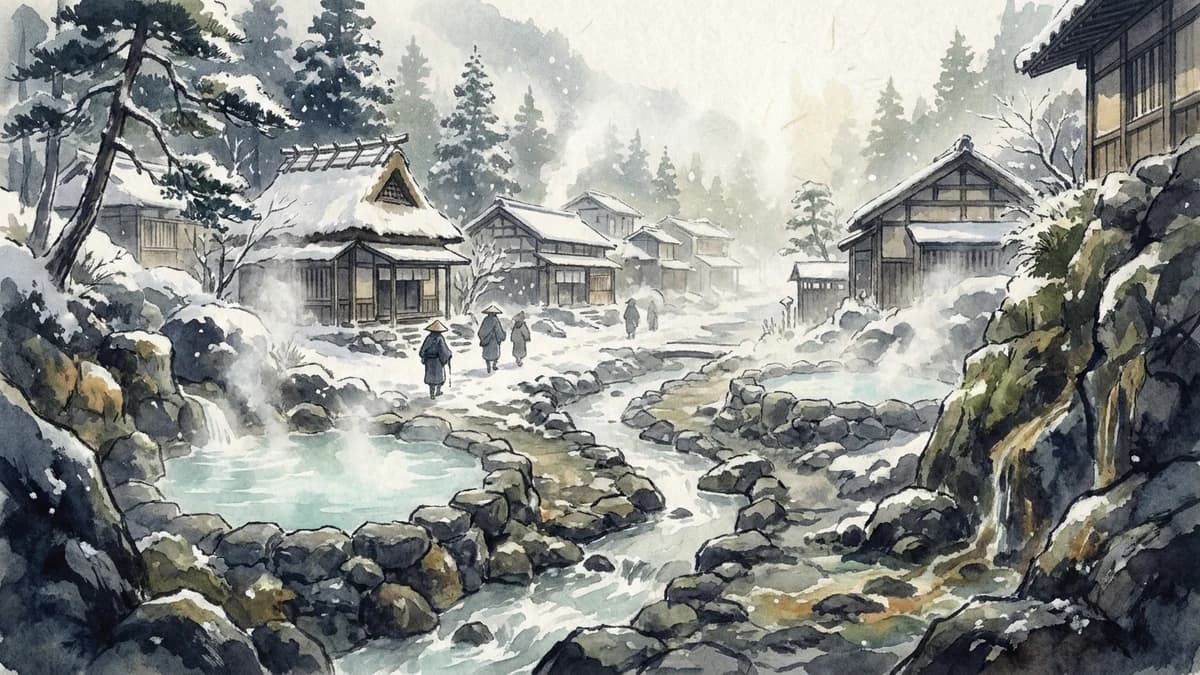
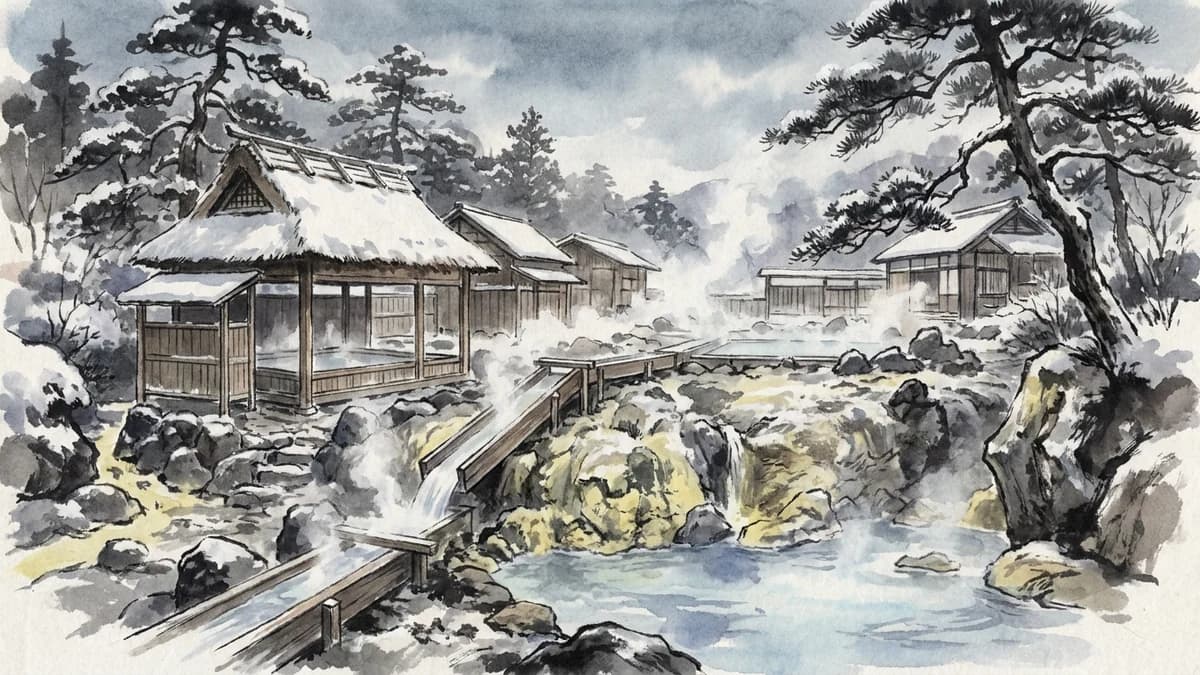
While the valley is beautiful in all four seasons, it is particularly stunning during the autumn foliage season (late October to early November) and in winter, when it is blanketed in snow. Enjoying an open-air bath while watching the snow fall is a uniquely atmospheric experience.
Access
Sightseeing & Local Cuisine
- Tsuruga-jo Castle: The symbol of Aizu, famous for its red roof tiles.
- Aizu Bukeyashiki (Samurai Residence): Located within the onsen area, offering a glimpse into the life of samurai during the Edo period.
- Iimoriyama Hill: A historic site known as the place where the young Byakkotai warriors committed seppuku.
- Nanokamachi Street: A charming street with retro buildings, perfect for a stroll.
- Sauce Katsudon: A local specialty of deep-fried pork cutlet on rice, covered in a sweet and savory sauce.
- Wappa-meshi: A regional dish of steamed rice and various ingredients in a round wooden container made of cypress.
- Kozuyu: A representative Aizu hospitality dish, a light soup with a scallop-based broth.
MORE WITH THE SAME SPRING TYPE
Loved the Sulphate Spring of Higashiyama Onsen? Try these too
Picked from onsen across Japan where you can enjoy the same Sulphate Spring.




Q & A
Frequently Asked Questions
Tap any question to expand the answer
Can I narrow down to only inns with a hot-spring analysis in Higashiyama Onsen?
Can I find tattoo-friendly inns with private baths or in-room open-air baths in Higashiyama Onsen?
Onsen towns are often rural with patchy Wi-Fi and limited public transport. Sort out data, tours and a car before you go.
- Japan eSIMAiralo
- Japan eSIMYesim
- Tours, passes & transfersGetYourGuide
- Tours, passes & transfersKKday
- Car rentalDiscover Cars
Includes affiliate links
References
Famous Onsen Areas with Sulphate Spring
Check access and tourist information on each onsen area column
Related Articles