Takayu Onsen is known for its Sulfur Spring; listed indications for this spring type include Dry Skin / Atopy, Asthma. Choose from 1 inns with a hot-spring analysis on file, filtering by spring type, benefits and amenities, and book directly.
See inns in Takayu OnsenOn this page you can filter Takayu Onsen inns by spring type, benefits, tattoo-friendly, private bath and in-room open-air bath, and book on each property's Agoda or Rakuten page.
Compare & book inns in Takayu Onsen

Awaiting analysis(1)
Overview
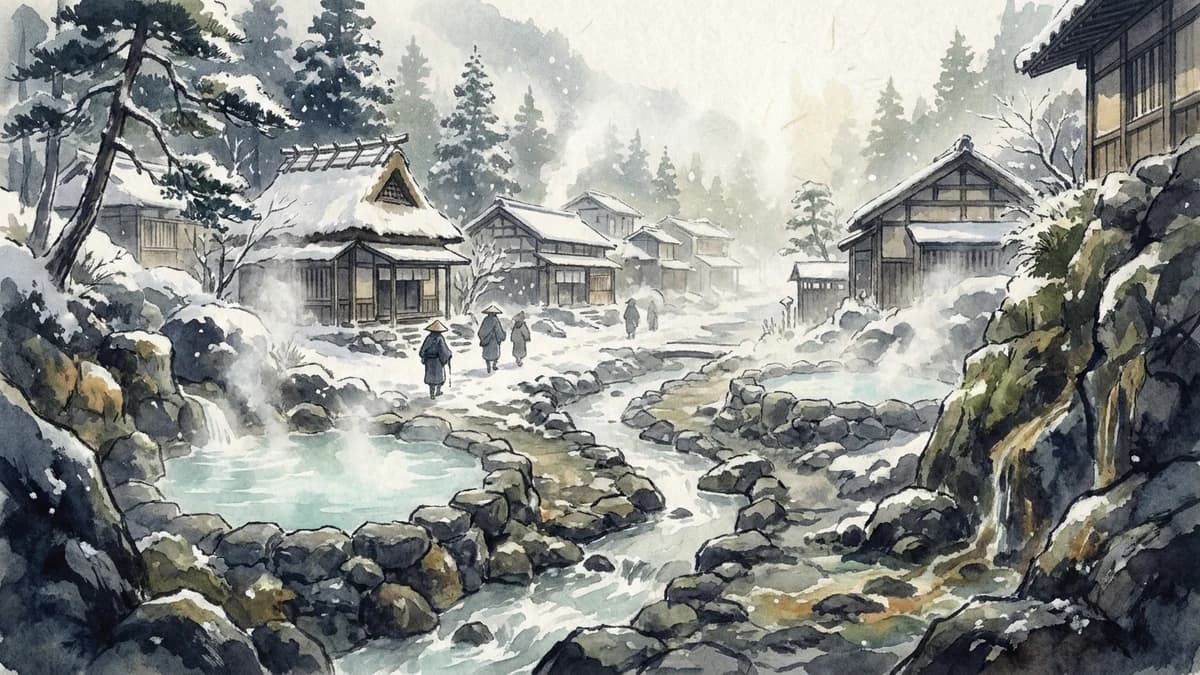
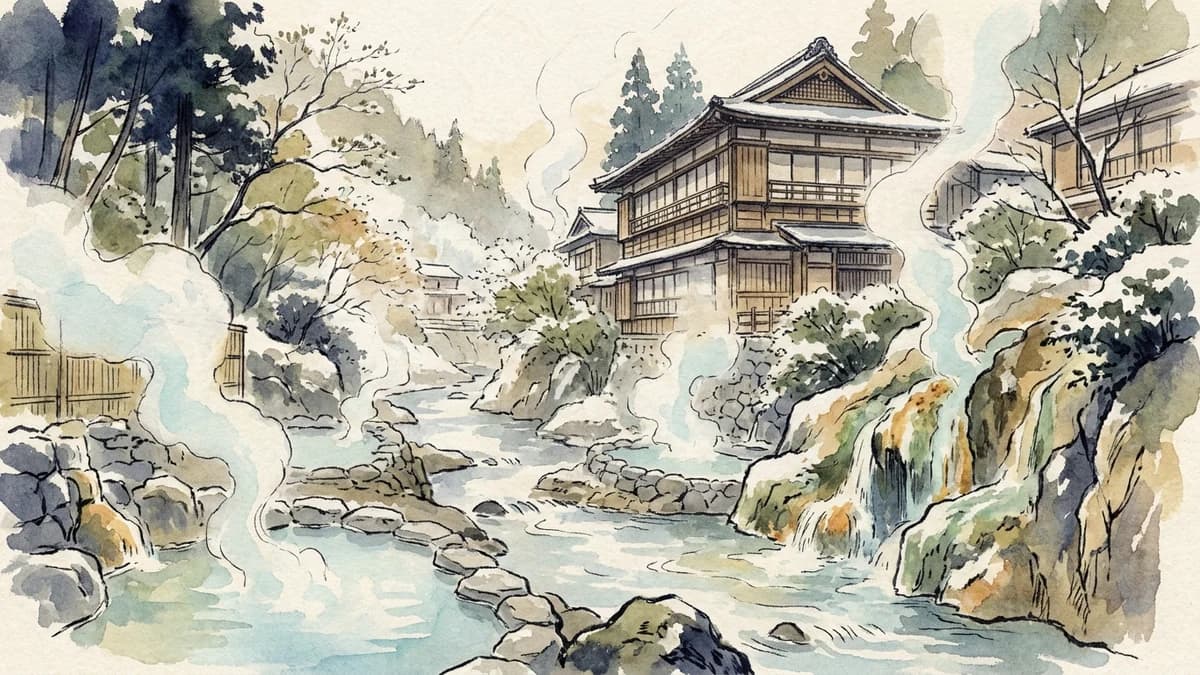
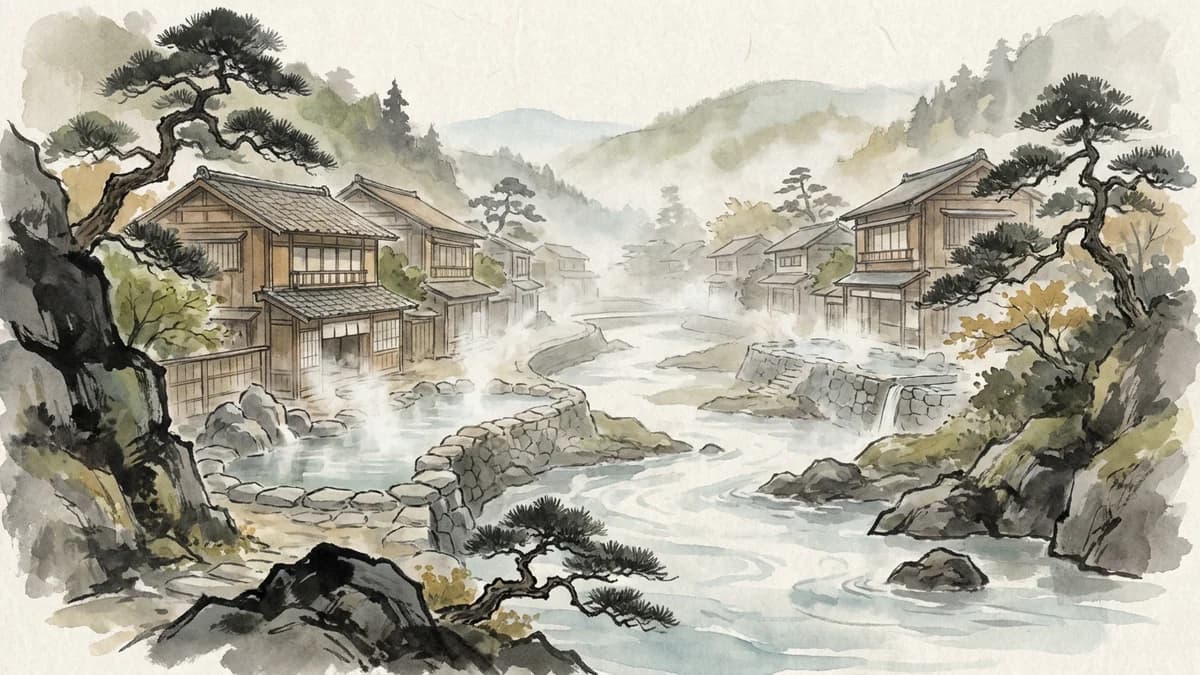
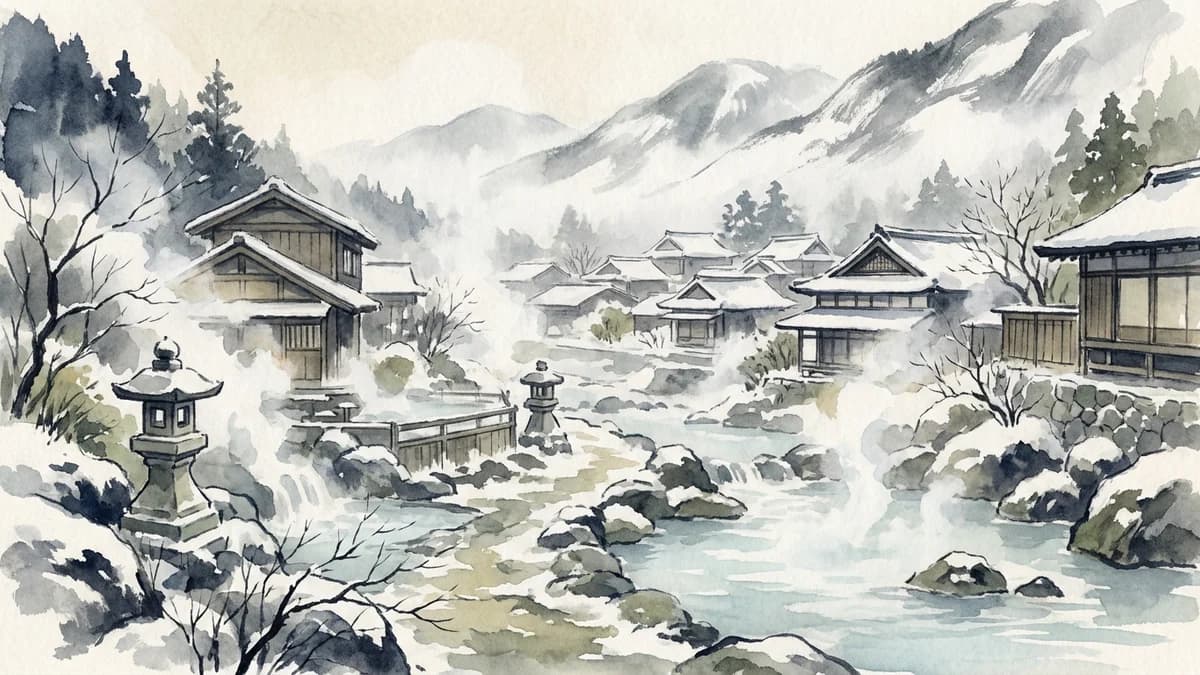
Takayu Onsen is a hot spring resort located at an altitude of 750 meters at the foot of the Azuma mountain range in Fukushima Prefecture. Founded in 1607, it has been cherished as a 'toji' (hot spring cure) destination for over 400 years. It has cultivated a tradition of maintaining a quiet environment for its guests, famously prohibiting 'all noisy entertainment,' which contributes to its serene atmosphere today.
Its most defining feature is the milky-white onsen water, which has one of the highest sulfur contents in the nation. To protect this precious resource, all inns and facilities in Takayu Onsen have declared a commitment to using 100% free-flowing spring water, without any added tap water, heating, or circulation. Here, you can have an authentic onsen experience, enjoying nature's gift as it is.
Spring Quality & Benefits
The water of Takayu is classified as an acidic, sulfur-containing, aluminum/calcium-sulfate spring (hydrogen sulfide type) with a pH of 2.8. Its bluish-white milky appearance and distinct sulfur aroma are highly regarded from a balneotherapy perspective, with effects on the skin being particularly anticipated.
- Atopic dermatitisThe spring's natural acidity is said to have a gentle antiseptic effect, and atopic dermatitis is listed among the indications for both sulfur and acidic springs.
- Psoriasis vulgarisThe sulfur compounds in the water are said to soften the skin's surface, and psoriasis is listed among the indications for sulfur springs. Regular bathing is said to leave the skin feeling smoother.
- Chronic eczemaThe spring's rich sulfur content and acidity are said to gently disinfect the skin, and chronic eczema is listed among the indications for sulfur springs.
- Dry skin
- Impaired glucose tolerance (Diabetes)Bathing in the hot, sulfurous water may help improve peripheral blood circulation. Impaired glucose tolerance (diabetes) is listed among the general indications for bathing.
- Rheumatoid arthritis
- CutsThe spring's distinct acidity and high sulfur concentration are said to give it natural disinfectant properties, which is why it has historically been used as a 'tōji' (hot spring cure) for minor wounds, a practice dating back centuries.
Water Characteristics & Best Season
The source temperature is relatively high, ranging from 42°C to 51°C, but it is skillfully adjusted by 'yumori' (bath masters) at each facility using natural methods like air cooling. The tingling sensation characteristic of sulfur springs and the refreshing feeling after bathing are part of its charm. To prevent 'yun-atari' (dizziness from bathing), it's best to take short baths with breaks in between.
The area is beautiful year-round: fresh green in spring, cool breezes in summer, fiery autumn foliage, and tranquil snow-viewing baths in winter. The period from spring to autumn, when the Bandai-Azuma Skyline road is open, is especially perfect for a trip combining a scenic drive with an onsen retreat.
Access
Nearby Attractions & Local Cuisine
- Bandai-Azuma Skyline: A scenic mountain road with breathtaking views. Jododaira and the Azuma-Kofuji crater walk are popular stops.
- Attaka-yu Public Bath: A day-use bathhouse in the center of Takayu Onsen, offering an easy way to experience the famous waters.
- Fudozawa Bridge: A beautiful bridge selected as one of Japan's 100 best. Especially stunning during the autumn foliage season.
- Enban Gyoza: A soul food of Fukushima City. Dumplings are arranged in a circle and pan-fried.
- Ika-ninjin: A local dish of Fukushima made with shredded dried squid and carrots seasoned with soy sauce and mirin.
- Fruit Line: A road where you can enjoy fruit picking for peaches, cherries, and pears in season.
- Hanamiyama Park: A 'paradise' in spring, with dozens of varieties of flowers like plum, cherry, and forsythia blooming all at once.
MORE WITH THE SAME SPRING TYPE
Loved the Sulphur Spring of Takayu Onsen? Try these too
Picked from onsen across Japan where you can enjoy the same Sulphur Spring.



Q & A
Frequently Asked Questions
Tap any question to expand the answer
Can I narrow down to only inns with a hot-spring analysis in Takayu Onsen?
Can I find tattoo-friendly inns with private baths or in-room open-air baths in Takayu Onsen?
Onsen towns are often rural with patchy Wi-Fi and limited public transport. Sort out data, tours and a car before you go.
- Japan eSIMAiralo
- Japan eSIMYesim
- Tours, passes & transfersGetYourGuide
- Tours, passes & transfersKKday
- Car rentalDiscover Cars
Includes affiliate links
References
Famous Onsen Areas with Sulphur Spring
Check access and tourist information on each onsen area column
Related Articles