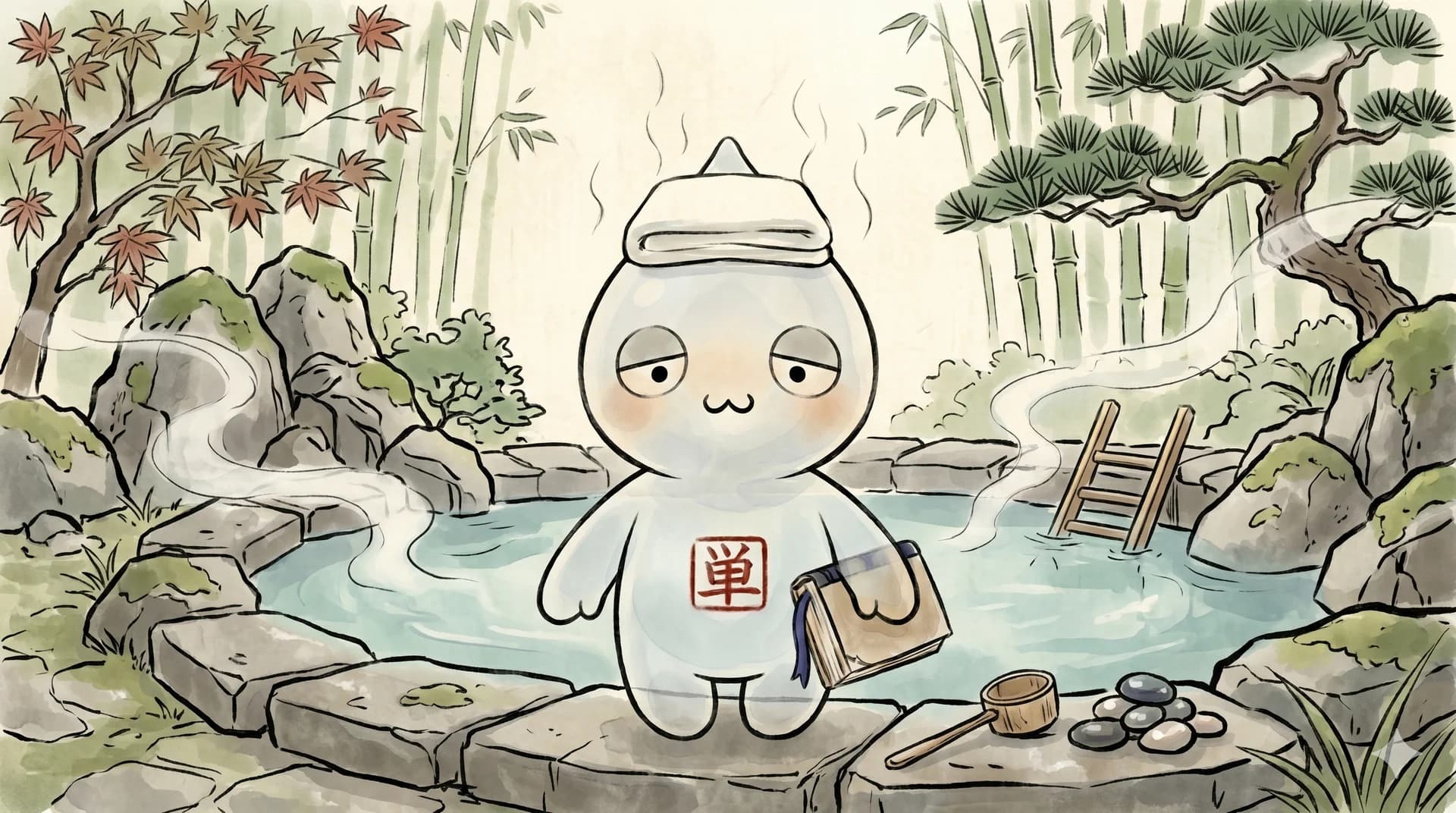
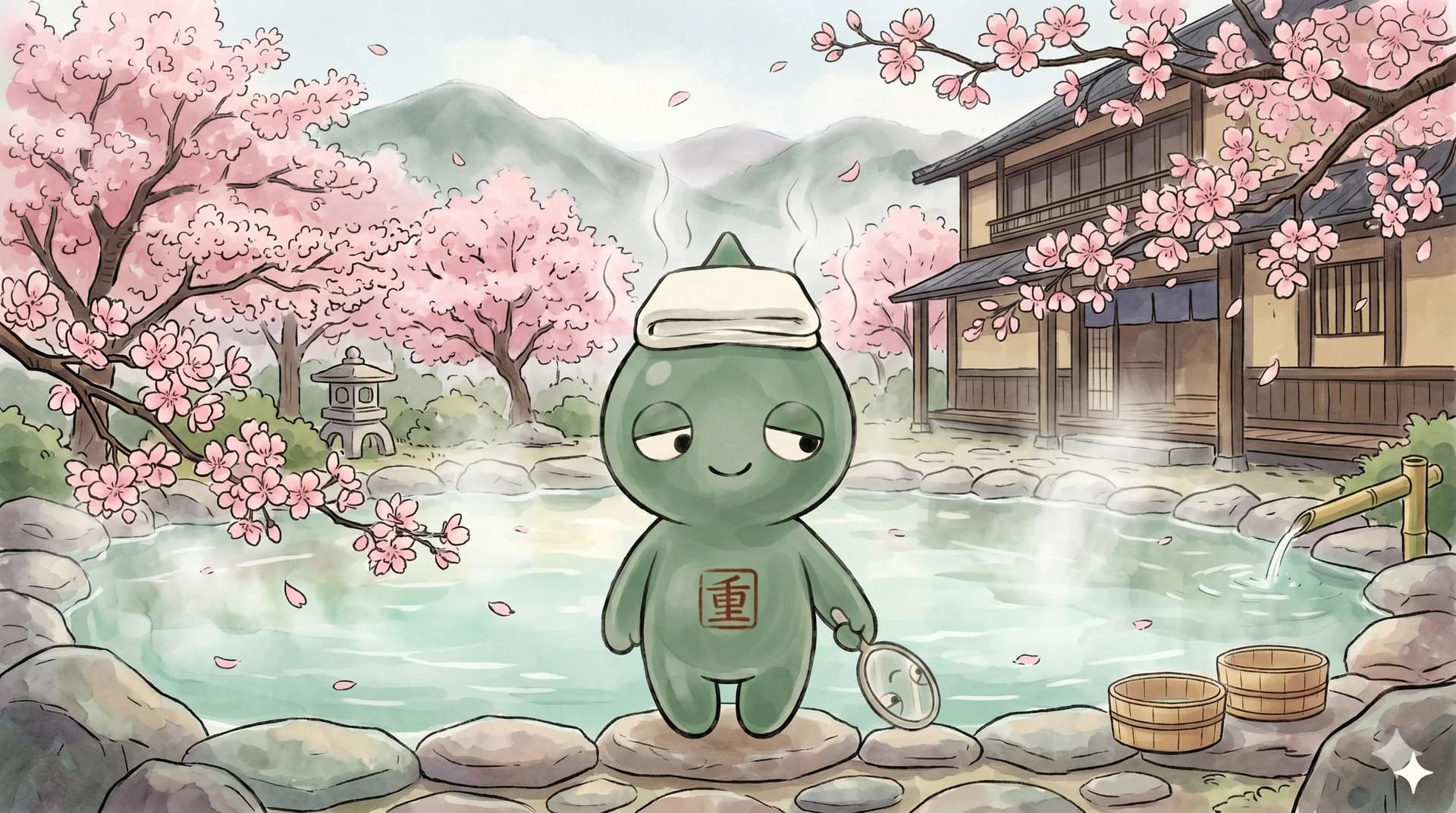
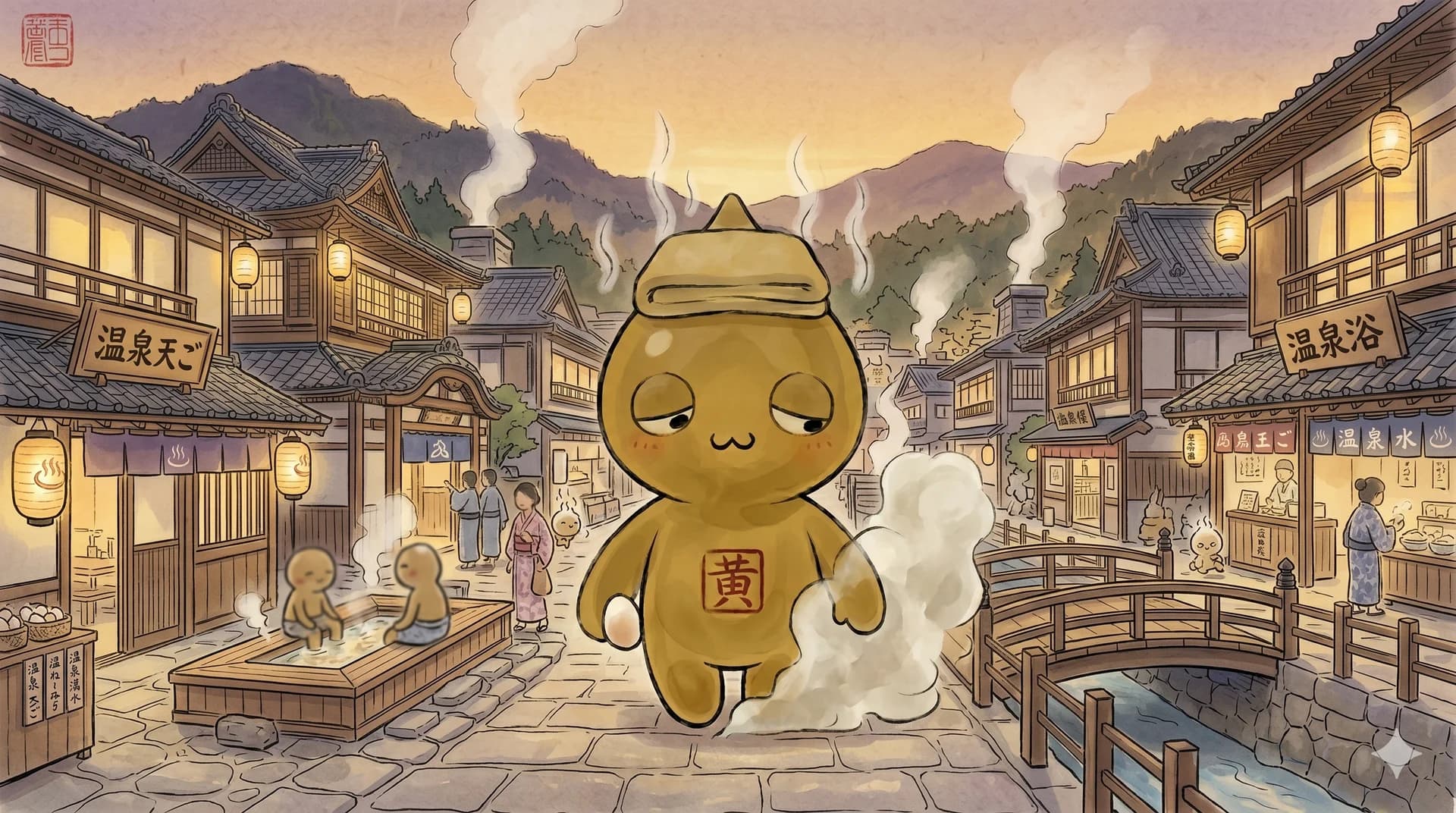
Tsuchiyu Onsen is known for its Simple Hot Spring; listed indications for this spring type include Fatigue, Insomnia. Choose an inn by spring type, benefits and amenities, and book directly.
See inns in Tsuchiyu OnsenOn this page you can filter Tsuchiyu Onsen inns by spring type, benefits, tattoo-friendly, private bath and in-room open-air bath, and book on each property's Agoda or Rakuten page.
Compare & book inns in Tsuchiyu Onsen
Awaiting analysis(8)
Overview
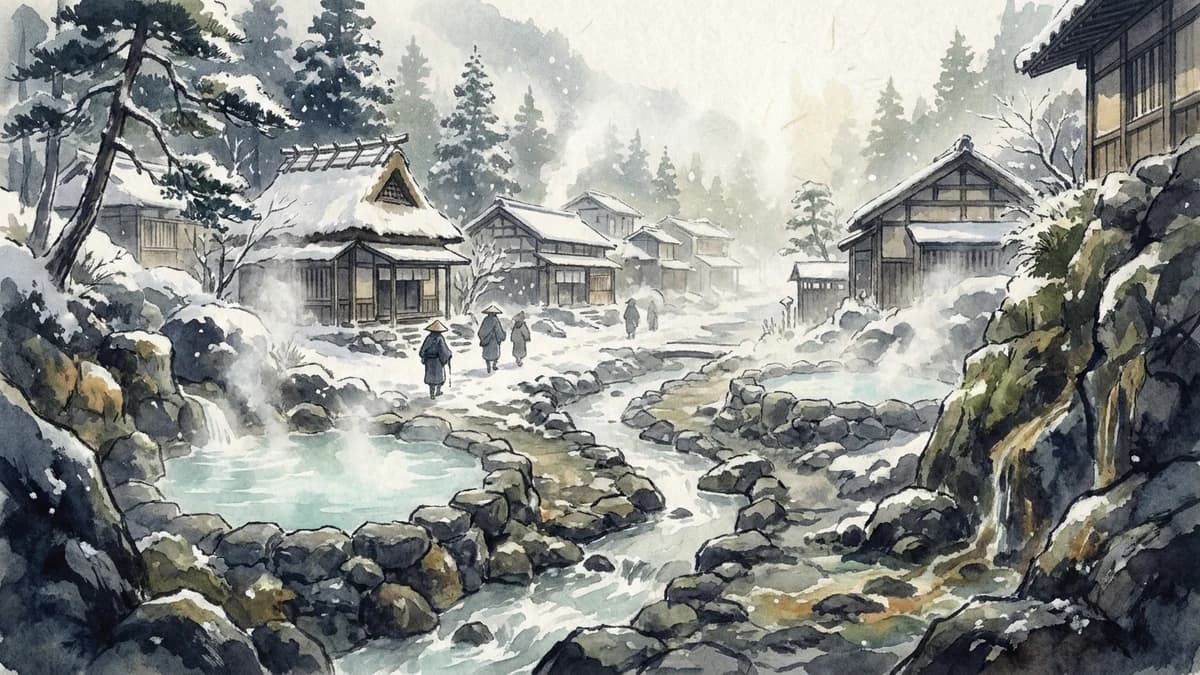
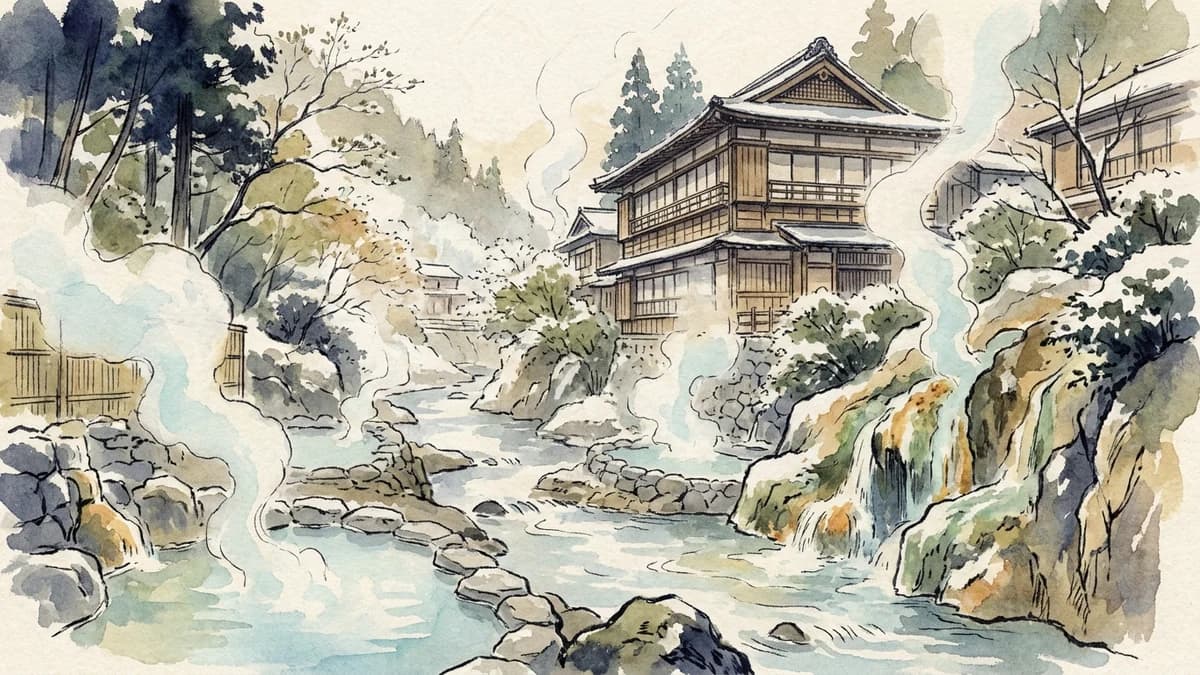
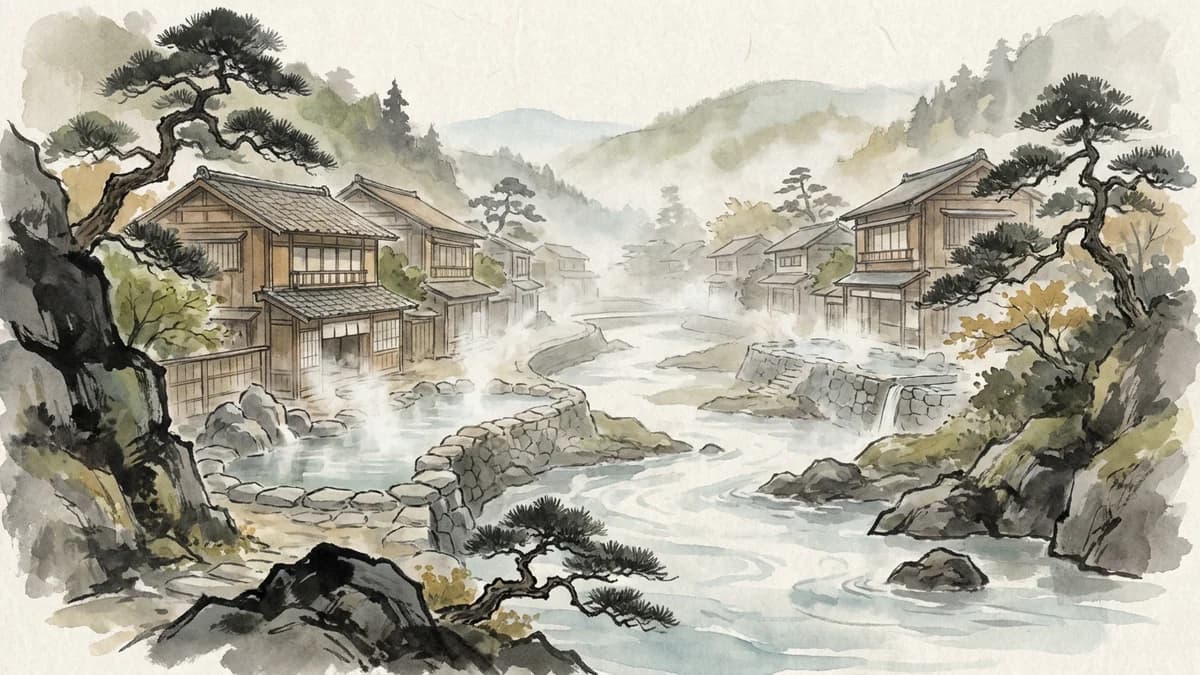
Tsuchiyu Onsen is a hot spring resort located at the foot of the Azuma mountain range, about a 30-minute drive from central Fukushima City. Legend says it was discovered some 1,400 years ago by order of Prince Shotoku. Inns and hotels line the clear Arakawa River, captivating visitors with seasonal valley views.
The town is also nationally famous as the birthplace of 'Tsuchiyu Kokeshi' dolls, characterized by their small heads, slender bodies, and charming expressions. Kokeshi workshops are scattered throughout the town, offering visitors a chance to try painting their own. As a symbol of recovery from the Great East Japan Earthquake, Tsuchiyu is a forward-thinking resort actively embracing renewable energy, including small-scale hydroelectric power.
Typical Spring Qualities and Benefits
The greatest appeal of Tsuchiyu Onsen is its diversity of spring qualities. With over 10 different types concentrated in a small area, it's perfect for onsen-hopping. You can enjoy various baths depending on the inn, from gentle 'Simple springs' suitable for everyone, to 'Bicarbonate springs' known for their skin-beautifying effects, and 'Sulfur springs' said to help with lifestyle-related conditions.
- Autonomic instabilitySoaking in the onsen's warm waters may help soothe the nervous system and restore balance. The relaxing environment and mineral properties of the springs can alleviate stress and tension, which are often linked to autonomic dysfunction.
- InsomniaThe warmth of the hot spring is said to help regulate the body's internal clock. A slight rise in body temperature followed by a gradual cool-down after bathing is said to make it easier to feel sleepy, and insomnia is listed among the indications for simple thermal springs.
- CutsThe mineral composition of certain springs, such as sulfur springs, is traditionally believed to have mild cleansing and restorative properties. Soaking may support the skin's natural healing process for minor cuts and abrasions.
- Sensitivity to cold
- Dry skinThe gentle, moisturizing qualities of Tsuchiyu's simple hot springs can help hydrate the skin. Minerals in the water form a light coating that helps the skin retain moisture, leaving it feeling smoother and more hydrated.
- Atopic dermatitisSome of Tsuchiyu's springs are sulfur springs, and atopic dermatitis is listed among the indications for this spring type, though care should be taken not to over-bathe.
- Abnormal glucose tolerance (Diabetes)
Water Characteristics and Best Season to Visit
Many facilities offer gensen kakenagashi (free-flowing hot spring water), allowing you to directly experience the fresh, powerful benefits of the onsen. Water temperatures vary by source but are generally adjusted to a comfortable 42°C (107°F). The abundant flow of water allows for a luxurious, long soak.
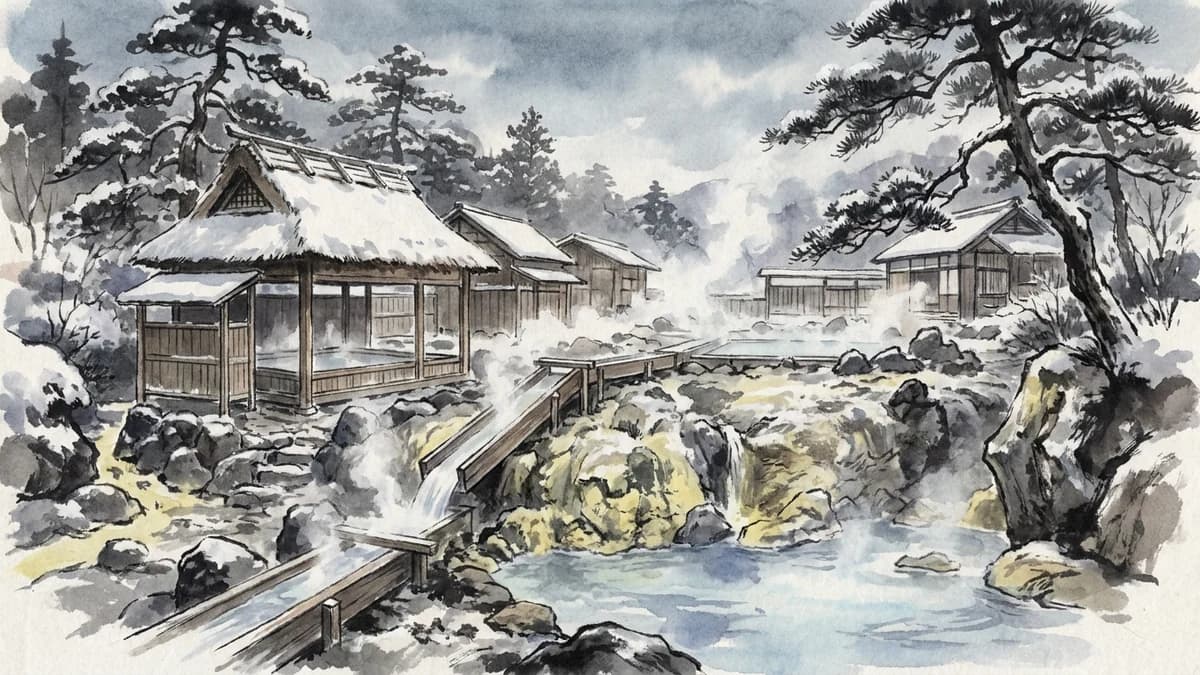
While the natural scenery is beautiful year-round, the best time to visit is autumn (mid-October to early November), when the mountains are ablaze with color. A drive along the Bandai-Azuma Skyline combined with your visit is highly recommended. In winter, bathing in an outdoor onsen while viewing the snowy landscape is a magical experience.
Access
Nearby Sightseeing & Local Cuisine
- Tsuchiyu Kokeshi Dolls: Purchase directly from artisans or try a painting workshop.
- Public Bath Hopping: Easily experience the waters at the 'Naka-no-yu' public bath or the town's footbaths (ashiyu).
- Nitanuma Marsh: A beautiful wetland with large colonies of white skunk cabbage in early summer.
- Bandai-Azuma Skyline: A scenic road selected as one of the '100 Best Roads in Japan'.
- Jododaira & Mt. Azuma-Kofuji: A volcanic area with a Mars-like landscape, offering easy hiking trails.
- Onsen Tamago: A classic hot spring town treat; soft-cooked eggs slow-cooked in onsen water.
- Mountain Vegetables & River Fish: Simple, nourishing dishes made with fresh, local seasonal ingredients.
MORE WITH THE SAME SPRING TYPE
Loved the Simple Spring of Tsuchiyu Onsen? Try these too
Picked from onsen across Japan where you can enjoy the same Simple Spring.




Q & A
Frequently Asked Questions
Tap any question to expand the answer
Can I narrow down to only inns with a hot-spring analysis in Tsuchiyu Onsen?
Can I find tattoo-friendly inns with private baths or in-room open-air baths in Tsuchiyu Onsen?
Onsen towns are often rural with patchy Wi-Fi and limited public transport. Sort out data, tours and a car before you go.
- Japan eSIMAiralo
- Japan eSIMYesim
- Tours, passes & transfersGetYourGuide
- Tours, passes & transfersKKday
- Car rentalDiscover Cars
Includes affiliate links
References
Famous Onsen Areas with Simple Spring
Check access and tourist information on each onsen area column
Related Articles