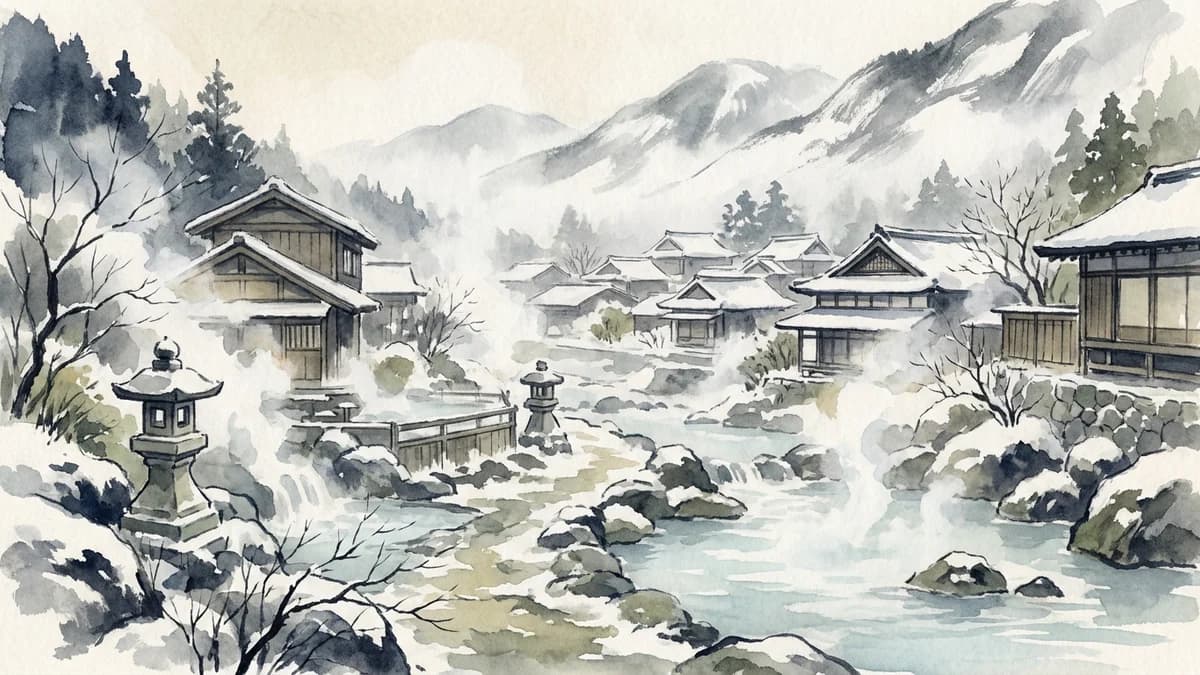
Iizaka Onsen is known for its Simple Hot Spring; listed indications for this spring type include Fatigue, Insomnia. Choose an inn by spring type, benefits and amenities, and book directly.
See inns in Iizaka OnsenOn this page you can filter Iizaka Onsen inns by spring type, benefits, tattoo-friendly, private bath and in-room open-air bath, and book on each property's Agoda or Rakuten page.
Compare & book inns in Iizaka Onsen
Awaiting analysis(13)
Overview
Iizaka Onsen is one of Tohoku's most renowned hot spring resorts, counted among the "Three Great Hot Springs of Oshu" along with Akiu and Naruko Onsen in Miyagi Prefecture. Its history is ancient; legend says it was discovered by the prince Yamato Takeru during his eastern expedition, who healed his ailments in its waters. This led to it being named "Sabako no Yu" (Mackerel Lake Spring), and it has been cherished by many since ancient times.
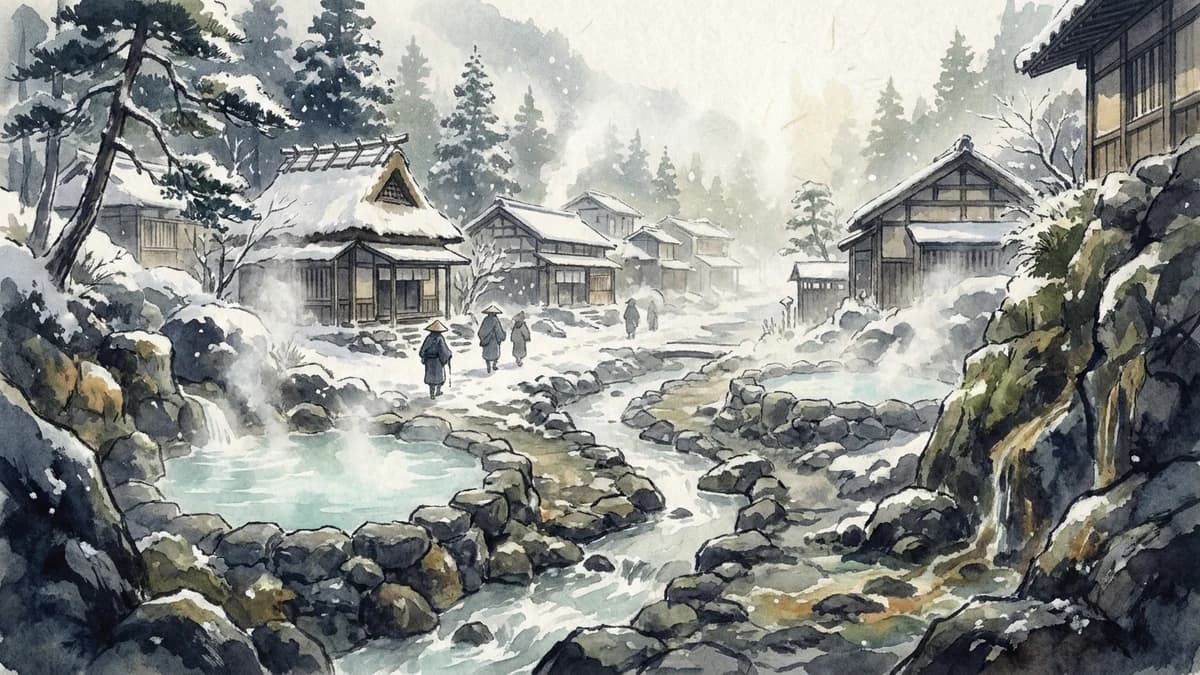
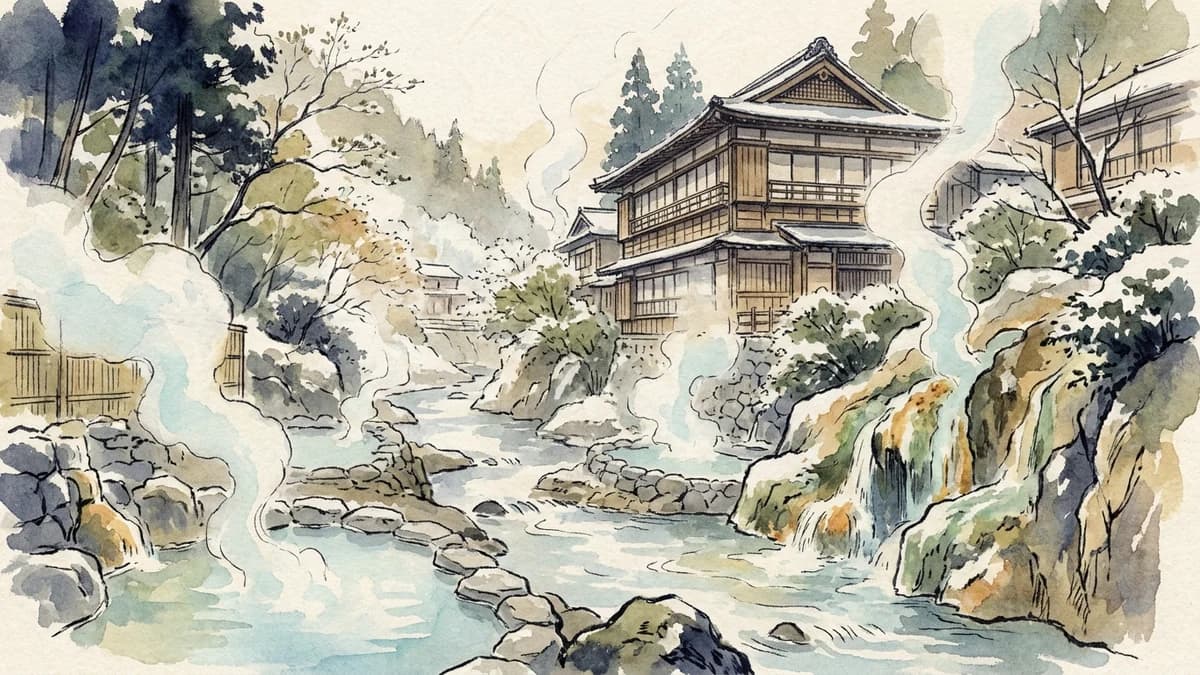
During the Edo period, the haiku master Matsuo Basho visited on his journey for "The Narrow Road to the Deep North," immortalizing his stay in a poem. The atmospheric town, with inns and hotels lining the Surikami River valley, is dotted with nine public bathhouses, serving as social hubs for locals and tourists alike. Among them, Sabako-yu, the symbol of Iizaka Onsen, is famous as Japan's oldest wooden public bathhouse.
Typical Spring Quality and Indications
The water at Iizaka Onsen is a colorless, odorless "Simple Thermal Spring." With a mildly alkaline pH of around 8.5, it is gentle on the skin, making it suitable for everyone from children to the elderly. It is also known as "Bijin-no-yu" (water for beautiful skin) as it is said to soften the skin's outer layer, leaving it smooth.
- Autonomic instabilityThe gentle, warming properties of a simple spring are thought to help soothe the nervous system. Immersing yourself in the hot water encourages physical and mental relaxation, which may help restore balance to the autonomic functions of the body.
- InsomniaSoaking in the hot spring warms your body from the core. As your body temperature gradually falls after bathing, it can signal the brain that it's time to sleep, potentially leading to a more restful night. The deep relaxation also helps to quiet an active mind.
- Depressive states
- Cold sensitivity
- Peripheral circulatory disorders
Water Characteristics and Best Season
The most defining feature of Iizaka Onsen is its hot water. The source temperature averages a high 50-60°C (122-140°F), and many facilities offer it directly from the source without adding cold water (gensen kakenagashi). The abundant flow ensures a constant supply of fresh, high-quality spring water. If you are not used to hot baths, it's best to enter slowly, far from the water inlet, to acclimate your body.
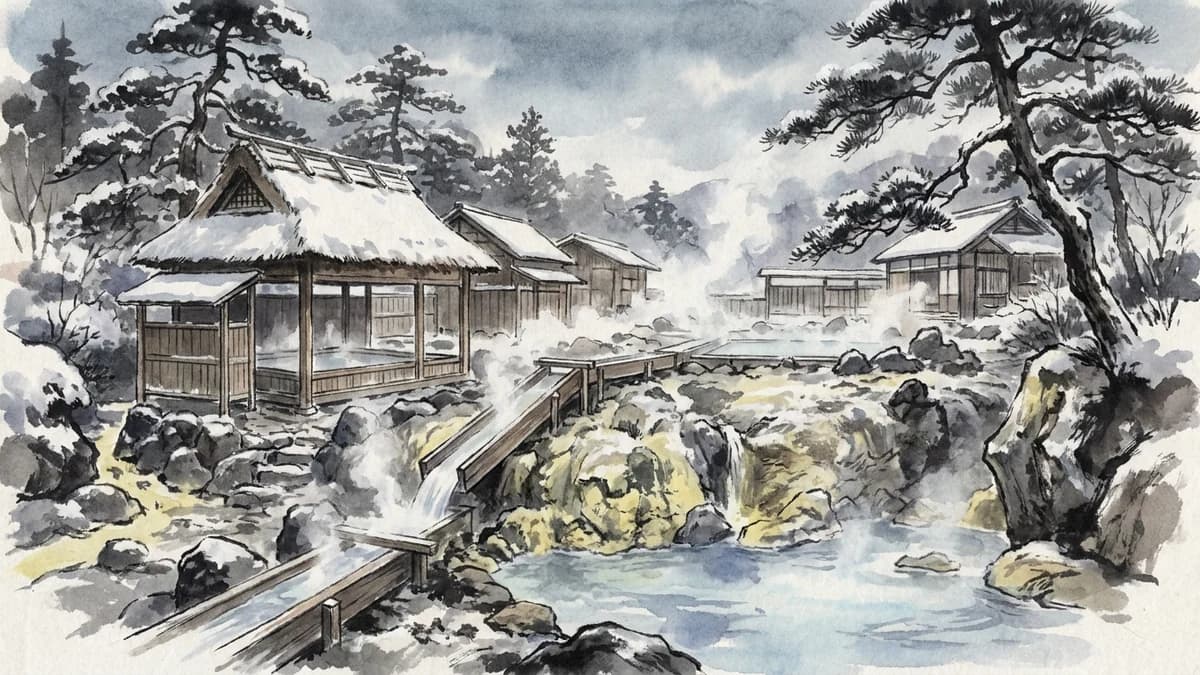
While enjoyable year-round, the best time to visit is from summer to autumn. The nearby "Fruit Line" road offers seasonal fruit picking for cherries, peaches, pears, and grapes. Alternatively, soaking in the hot springs to warm up from the core while admiring the beautiful winter snowscape is an exceptional experience.
Access
Nearby Sightseeing & Local Cuisine
- Public bathhouse hopping (9 baths including Sabako-yu and Hakoyu)
- Former Horikiri Residence (a historic residence of a wealthy farmer and merchant)
- Enban Gyoza (Fukushima's famous pan-fried dumplings arranged in a disc)
- Radium Tamago (Iizaka's specialty soft-boiled eggs cooked in hot spring water)
- Fruit picking along the Fruit Line (peaches, pears, cherries, etc.)
- Nakano Fudoson Temple (one of Japan's three great Fudo Myo-o temples)
- Iizaka Kenka Matsuri (Fighting Festival, held annually in October)
MORE WITH THE SAME SPRING TYPE
Loved the Simple Spring of Iizaka Onsen? Try these too
Picked from onsen across Japan where you can enjoy the same Simple Spring.
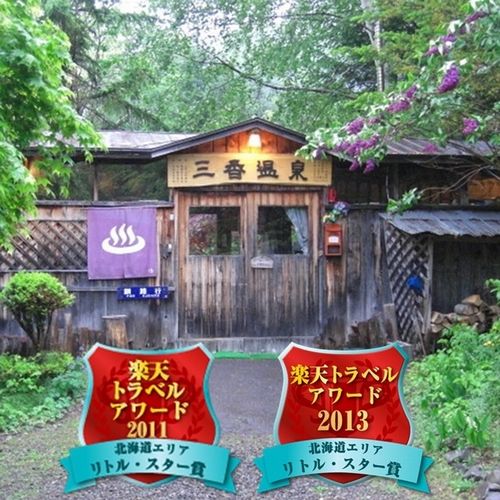


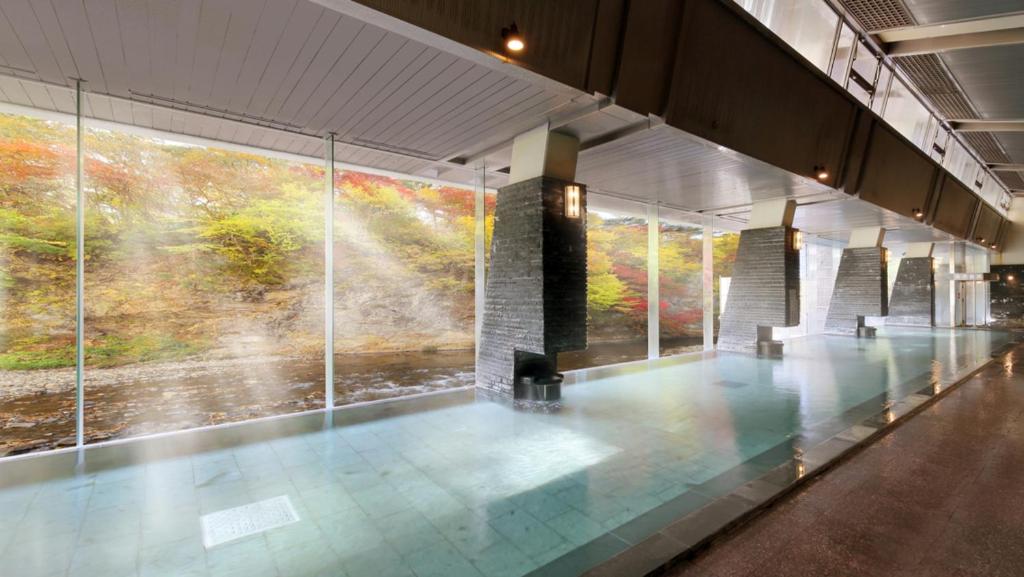

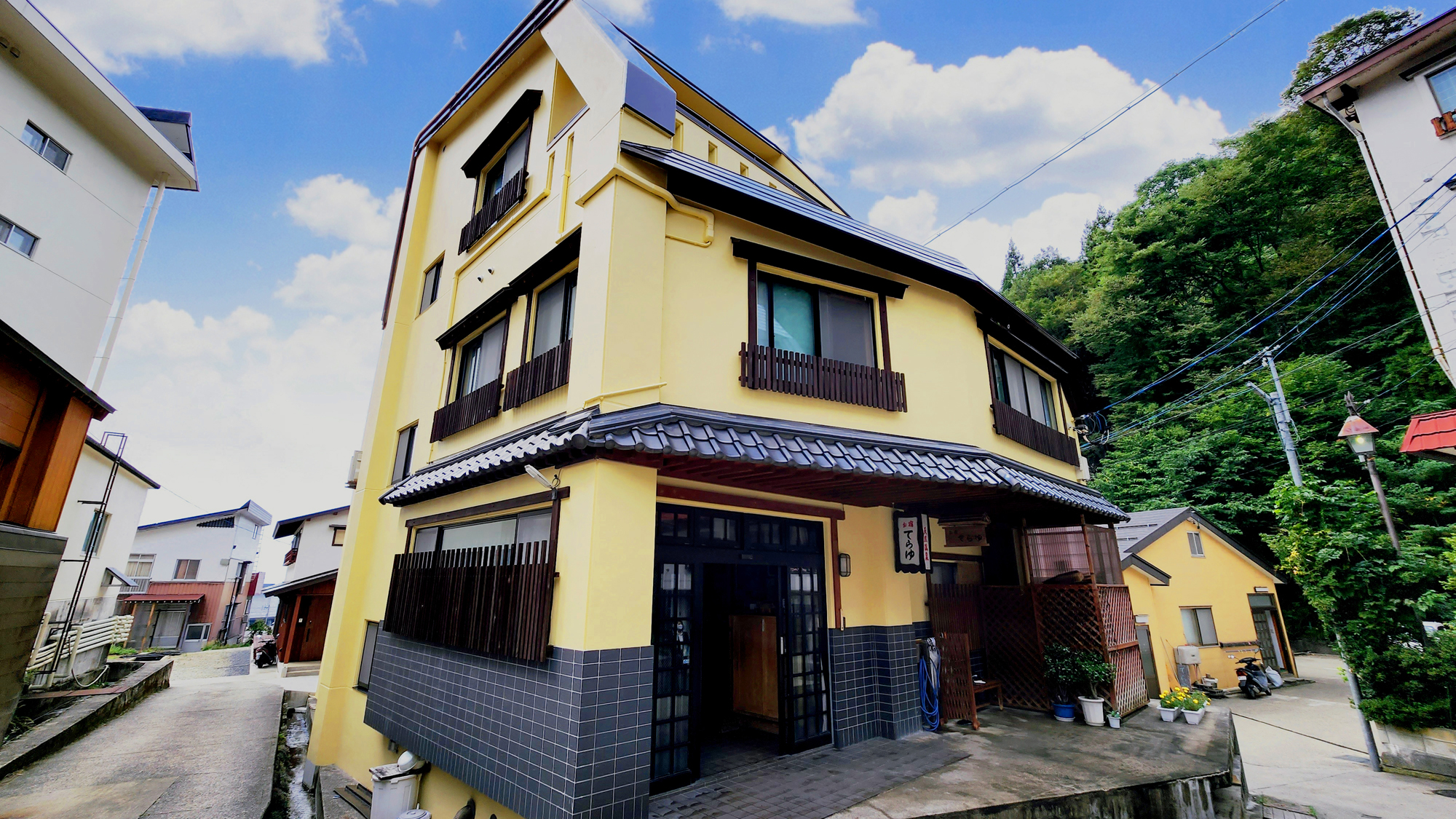

Q & A
Frequently Asked Questions
Tap any question to expand the answer
Can I narrow down to only inns with a hot-spring analysis in Iizaka Onsen?
Can I find tattoo-friendly inns with private baths or in-room open-air baths in Iizaka Onsen?
Onsen towns are often rural with patchy Wi-Fi and limited public transport. Sort out data, tours and a car before you go.
- Japan eSIMAiralo
- Japan eSIMYesim
- Tours, passes & transfersGetYourGuide
- Tours, passes & transfersKKday
- Car rentalDiscover Cars
Includes affiliate links
References
Famous Onsen Areas with Simple Spring
Check access and tourist information on each onsen area column
Related Articles