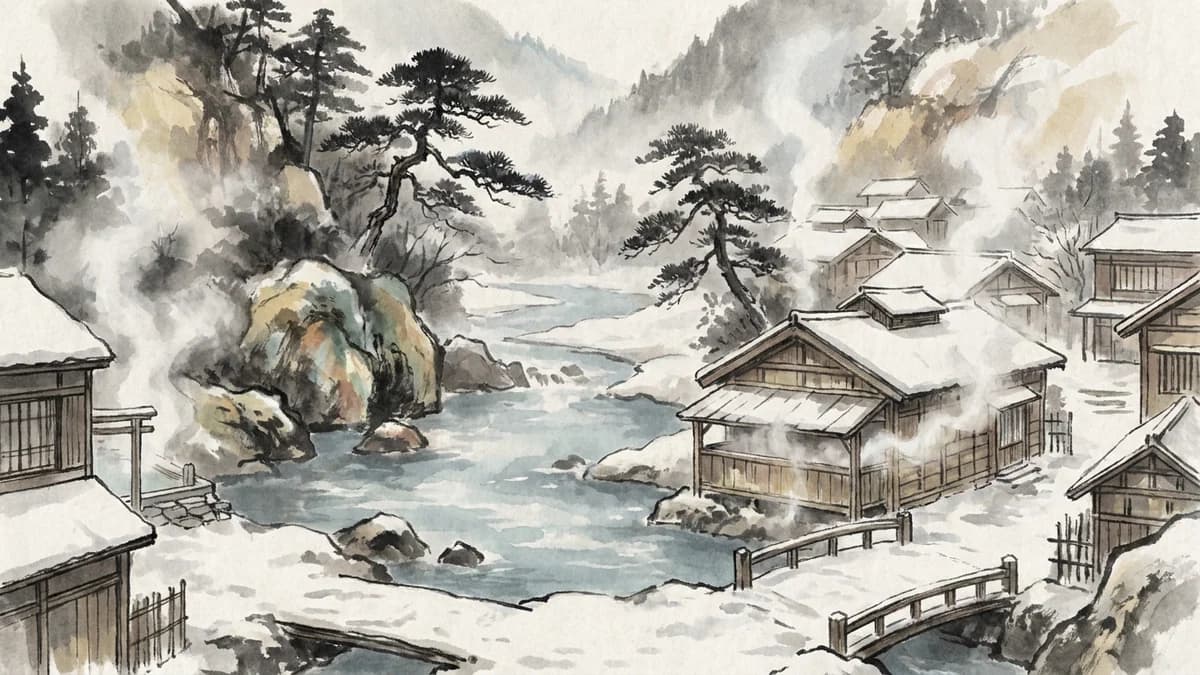
Asama Onsen is known for its Simple Hot Spring; listed indications for this spring type include Fatigue, Insomnia. Choose from 1 inns with a hot-spring analysis on file, filtering by spring type, benefits and amenities, and book directly.
See inns in Asama OnsenOn this page you can filter Asama Onsen inns by spring type, benefits, tattoo-friendly, private bath and in-room open-air bath, and book on each property's Agoda or Rakuten page.
Compare & book inns in Asama Onsen

Awaiting analysis(7)
Overview
Located in Matsumoto City, Nagano Prefecture, Asama Onsen is an ancient hot spring with a history stretching back over 1,300 years. Legend has it that a white fox healed its wounds by bathing in these waters. During the Edo period, it served as the private spa for the lords of the Matsumoto domain, earning the name "Matsumoto's inner parlor" and was beloved by feudal lords and samurai.
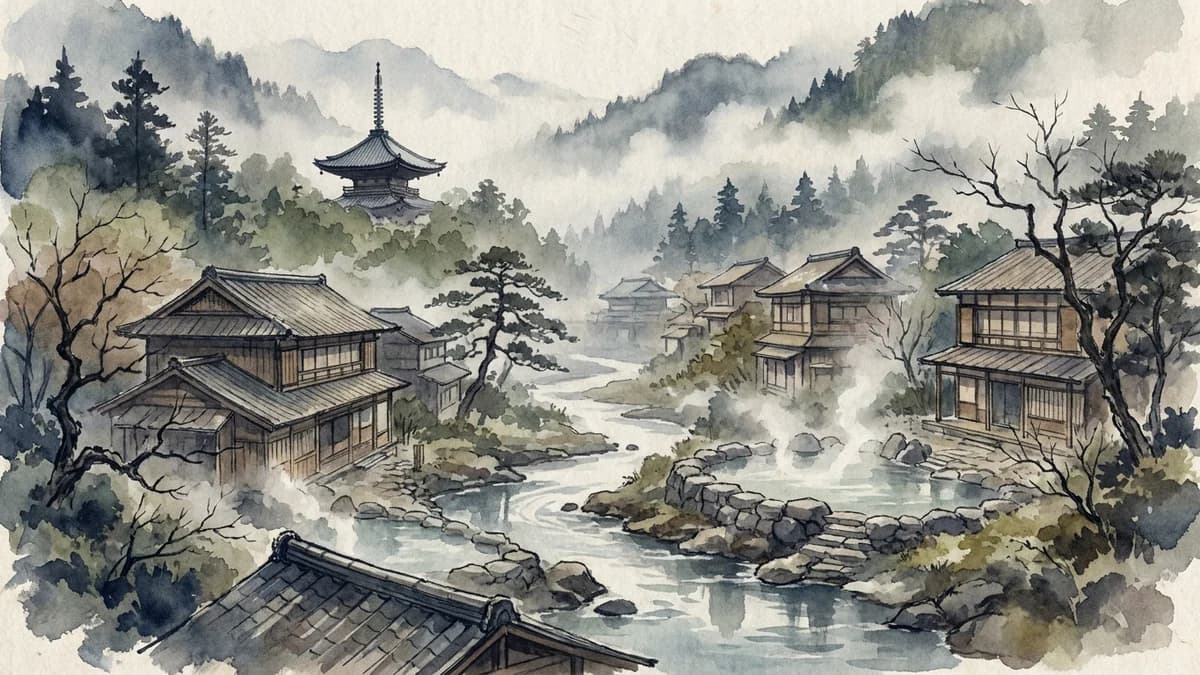
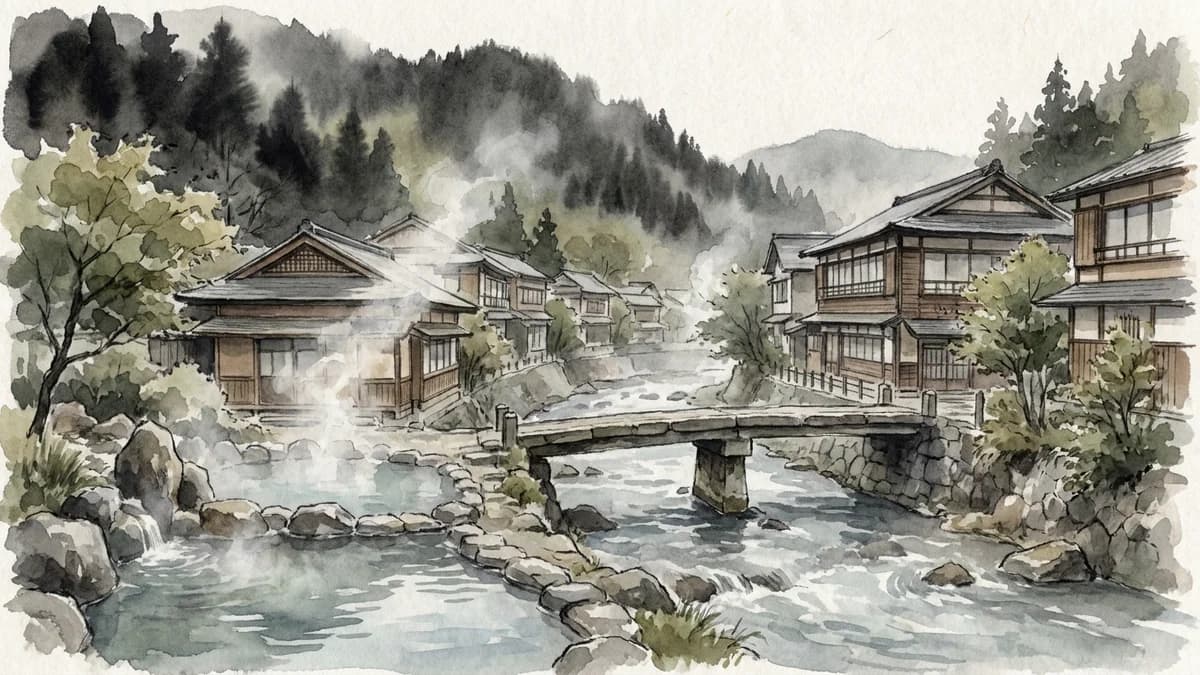
Today, its abundant, high-quality waters continue to flow, surrounded by a charming onsen town that has attracted many writers and artists. Its convenient location, just a 10-minute drive from the National Treasure Matsumoto Castle, makes it perfect for a trip that combines historical exploration with the therapeutic pleasure of onsen bathing.
Spring Quality and Benefits
The main spring type at Asama Onsen is an alkaline simple hot spring with a pH of 8.5 or higher. It is colorless, odorless, and tasteless, making it very gentle on the skin and suitable for everyone, from children to the elderly. The alkaline water is said to gently exfoliate old skin cells, earning it the nickname "Bijin-no-yu" (water for beautiful skin). It warms the body to the core, supporting deep relaxation.
- Autonomic instabilityThe gentle, warming properties of this simple thermal spring can help soothe the nervous system. This relaxing effect may assist in balancing the body's autonomic functions and reducing stress.
- InsomniaSoaking in the hot spring water warms the body from its core, helping to relieve physical and mental fatigue. This deep relaxation is said to make it easier to fall asleep and may improve overall sleep quality.
- Depressive states
- Peripheral circulatory disorders
- Sensitivity to coldThe spring's high temperature and abundant flow deeply warm the body and can help improve circulation. Regular bathing may help alleviate the chronic feeling of coldness in the hands and feet.
- Poor gastrointestinal function
Water Characteristics and Best Season
Asama Onsen boasts a plentiful flow of about 2,000 liters per minute. The source temperature ranges from 42°C to 52°C (108°F to 126°F), which is ideal for bathing. Many inns offer luxurious "gensen kake-nagashi" baths, where the water flows directly from the source without much added water or heating. The clear, soft water is perfect for long, relaxing soaks.
While the area is beautiful year-round, the best times to visit are spring, to see the stunning cherry blossoms at Matsumoto Castle, and autumn, for the beautiful fall foliage of the Northern Alps. An open-air bath in the snow during winter is also an exceptional experience.
Access
Nearby Attractions and Local Cuisine
- Matsumoto Castle (National Treasure): Japan's oldest existing castle with a five-story, six-floor keep.
- Matsumoto City Museum of Art: Famous for its collection of Yayoi Kusama's works and its unique exterior.
- Former Kaichi School: A beautiful, quasi-Western style school building from the early Meiji era.
- Nakamachi & Nawate Streets: Enjoy strolling through a street lined with traditional storehouses and a shopping street famous for its frog statues.
- Shinshu Soba Noodles: Fragrant buckwheat noodles grown in the cool climate.
- Sanzoku-yaki: A local soul food of chicken marinated in a garlic-soy sauce and deep-fried.
- Basashi (Horse Sashimi): A Shinshu specialty, known for its fresh, tender, and melt-in-your-mouth texture.
- Shinshu Wine: High-quality wine made from grapes grown in Nagano Prefecture.
MORE WITH THE SAME SPRING TYPE
Loved the Simple Spring of Asama Onsen? Try these too
Picked from onsen across Japan where you can enjoy the same Simple Spring.



Q & A
Frequently Asked Questions
Tap any question to expand the answer
Can I narrow down to only inns with a hot-spring analysis in Asama Onsen?
Can I find tattoo-friendly inns with private baths or in-room open-air baths in Asama Onsen?
Onsen towns are often rural with patchy Wi-Fi and limited public transport. Sort out data, tours and a car before you go.
- Japan eSIMAiralo
- Japan eSIMYesim
- Tours, passes & transfersGetYourGuide
- Tours, passes & transfersKKday
- Car rentalDiscover Cars
Includes affiliate links
References
Famous Onsen Areas with Simple Spring
Check access and tourist information on each onsen area column
Related Articles