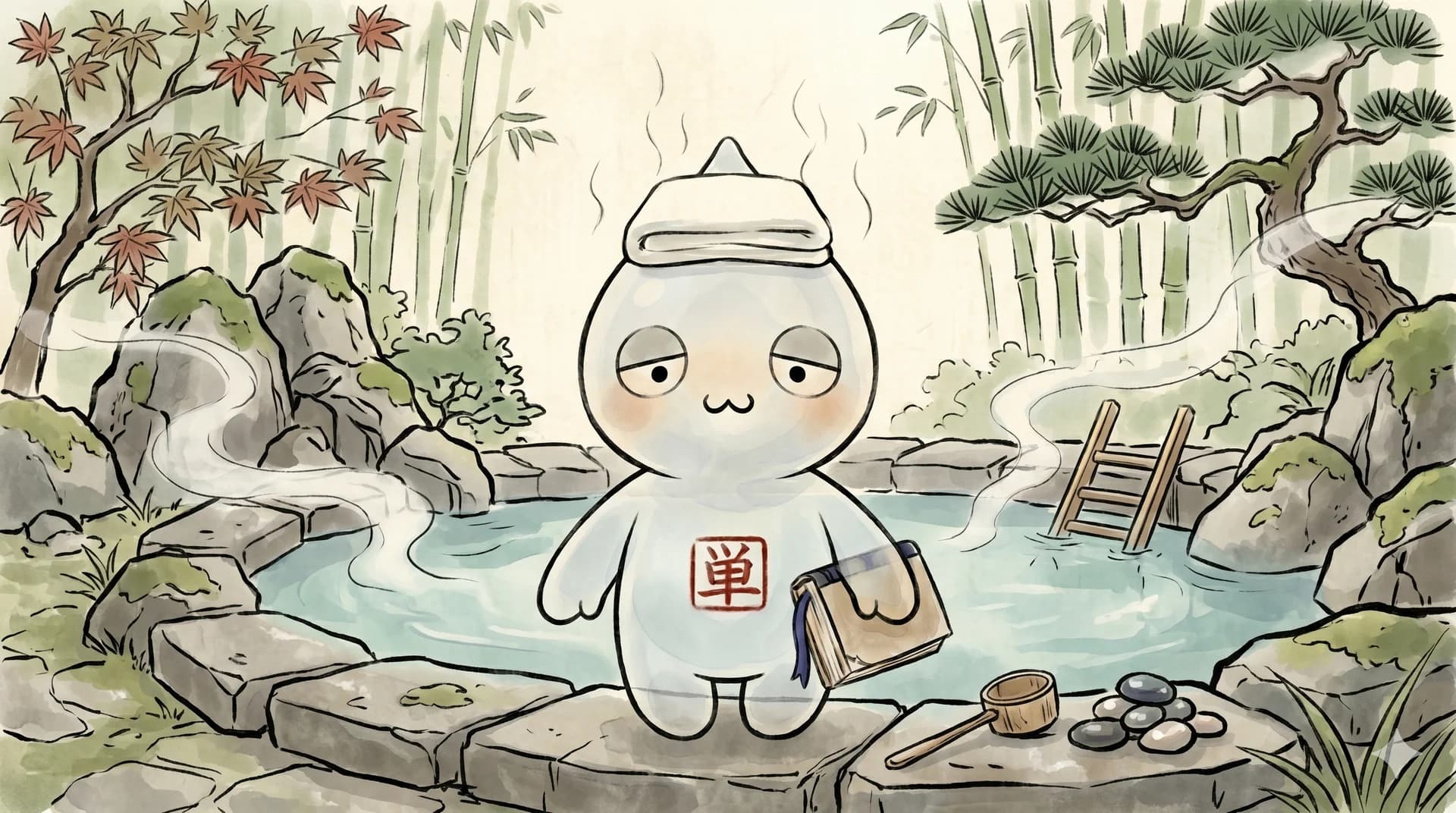
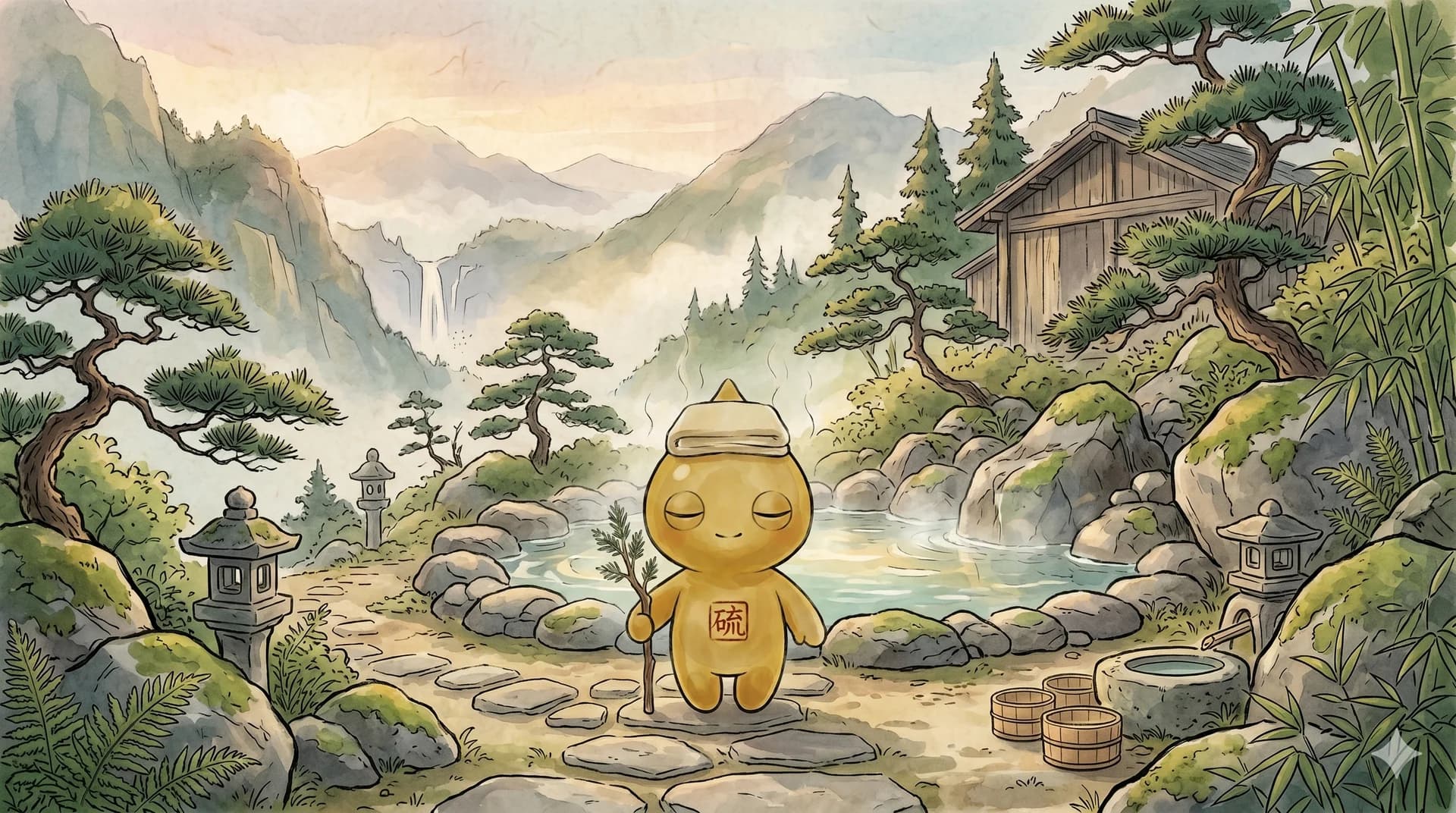
Kakeyu Onsen is known for its Simple Hot Spring; listed indications for this spring type include Fatigue, Insomnia. Choose an inn by spring type, benefits and amenities, and book directly.
See inns in Kakeyu OnsenOn this page you can filter Kakeyu Onsen inns by spring type, benefits, tattoo-friendly, private bath and in-room open-air bath, and book on each property's Agoda or Rakuten page.
Compare & book inns in Kakeyu Onsen
Awaiting analysis(4)
Overview
Kakeyu Onsen's history is rooted in a legend where the Bodhisattva Monju, disguised as a deer, led a devout hunter to the spring's location. This story gives Kakeyu its name, which translates to "hot water taught by a deer."
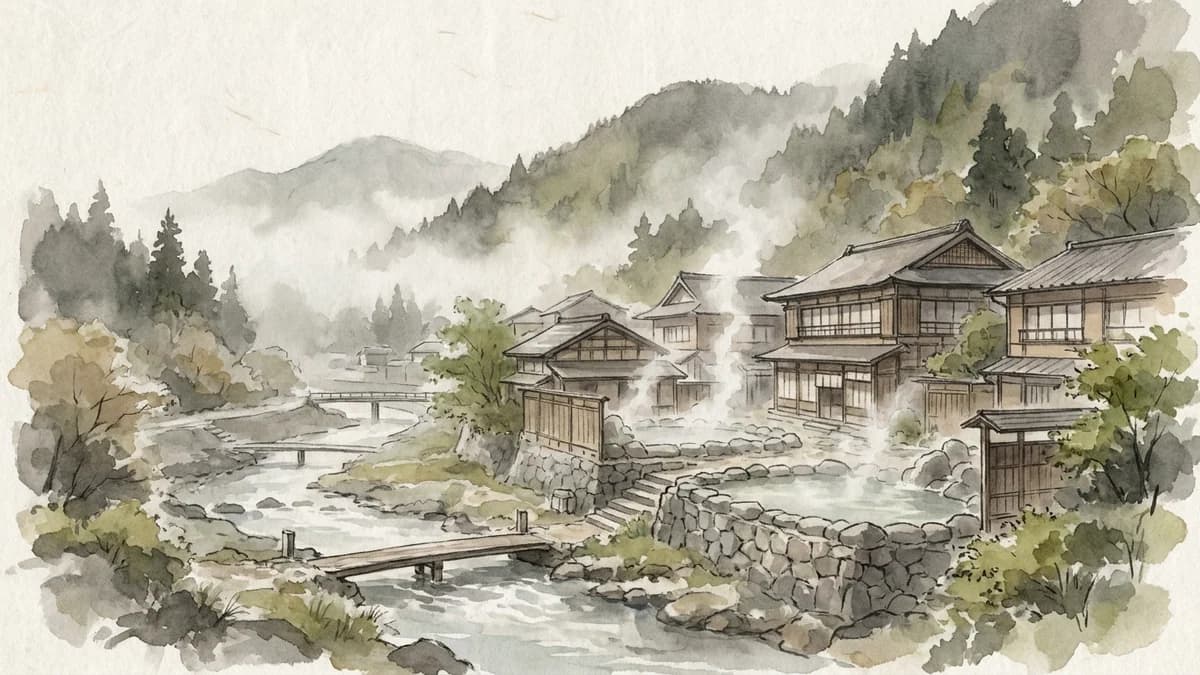
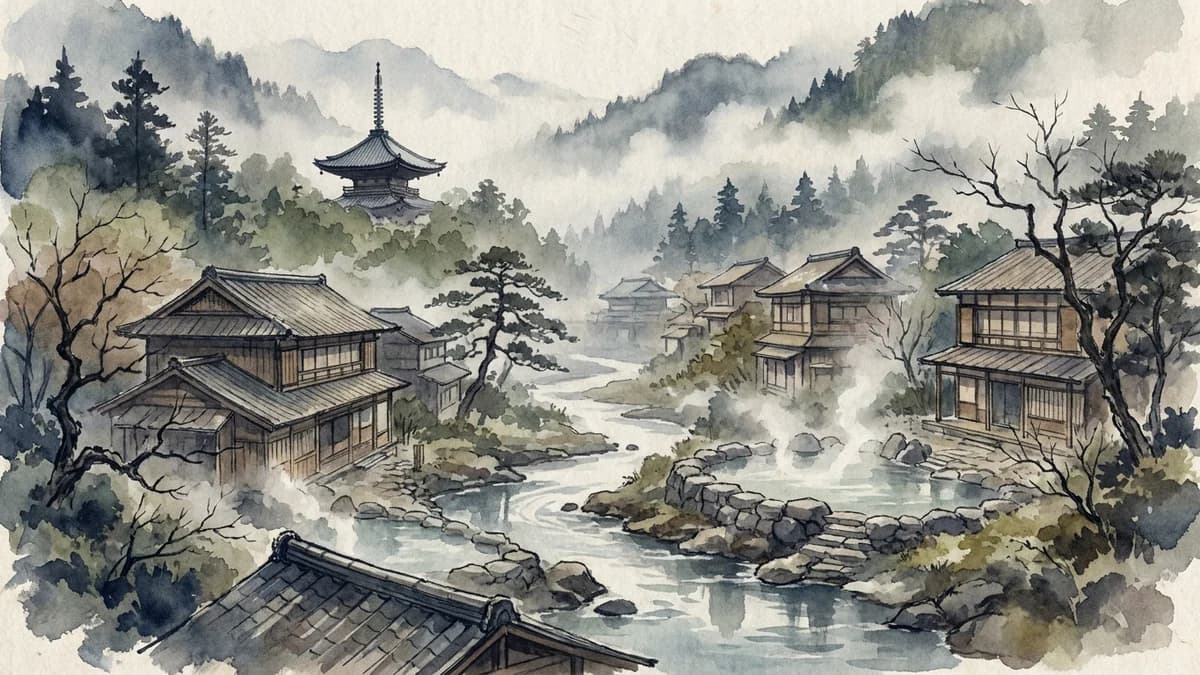
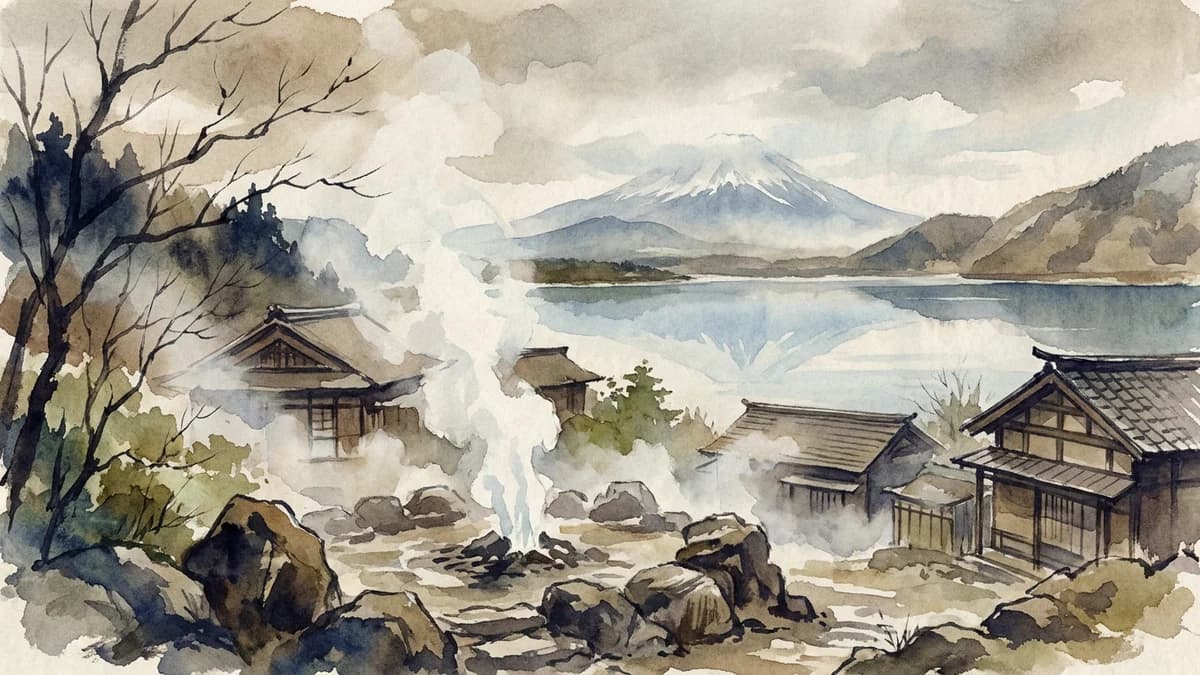
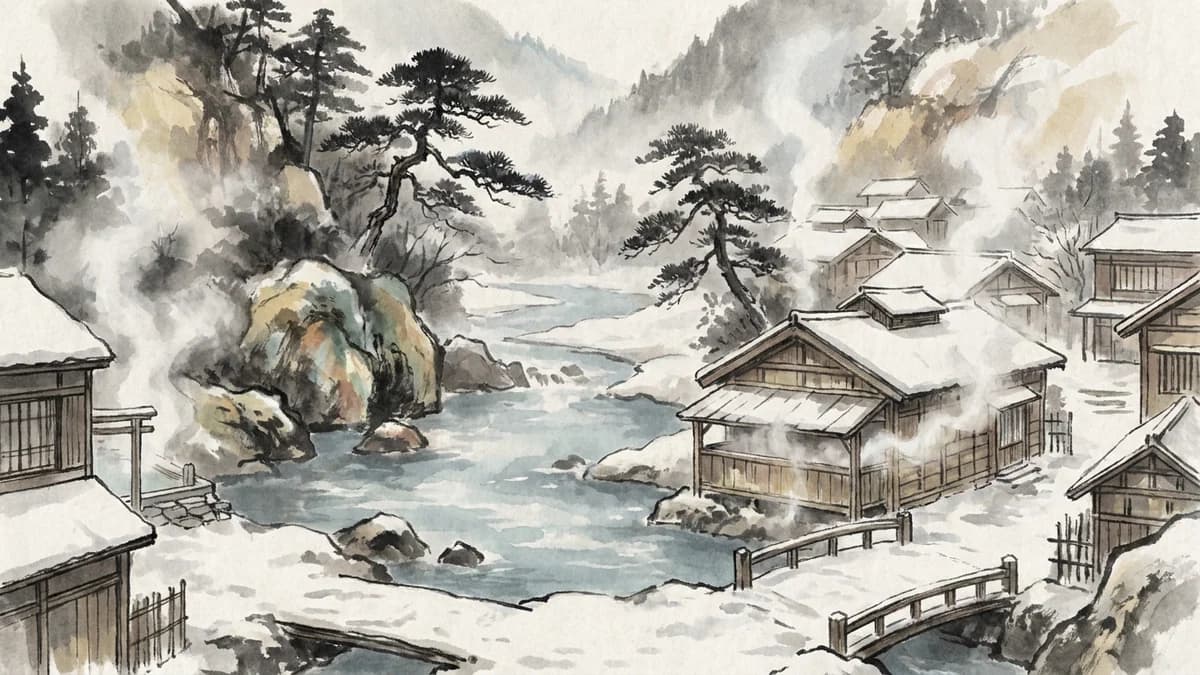
Designated as one of Japan's first National Hot Spring Health Resorts in 1956 and a National Health Promotion Hot Spring in 1961, Kakeyu is a leading therapeutic spa destination (toji). Its most distinctive feature is the presence of a specialized rehabilitation hospital, making it a pioneer in balneotherapy integrated with medical care. Ryokans (traditional inns) line the clear Uchiyamada River, creating a serene and peaceful atmosphere.
Signature Spring Types and Benefits
The main spring types are Simple thermal and Sodium/Calcium-Sulfate springs. The water is clear, colorless, and gentle on the body. True to its nickname, the "spring where you forget your cane," it is highly regarded for alleviating musculoskeletal conditions such as post-stroke paralysis and rheumatoid arthritis, attracting many visitors for long-term therapeutic stays.
- Rheumatoid arthritisThe warmth of the water is said to soothe stiff joints, while the water's buoyancy lessens the weight on painful joints. Chronic joint pain and stiffness are listed among the general indications for bathing.
- Ankylosing spondylitis
- CutsThe gentle, weakly alkaline properties of the water make it suitable for cleansing the skin. Sulfate springs are often considered beneficial for supporting the skin's natural recovery process for minor abrasions and cuts.
- Peripheral circulatory disorders
- Sensitivity to coldThis condition is often linked to poor blood flow. The spring's properties are thought to widen blood vessels, which enhances circulation and may help warm the body from the core to the extremities.
- Impaired gastrointestinal function
Water Characteristics & Best Season
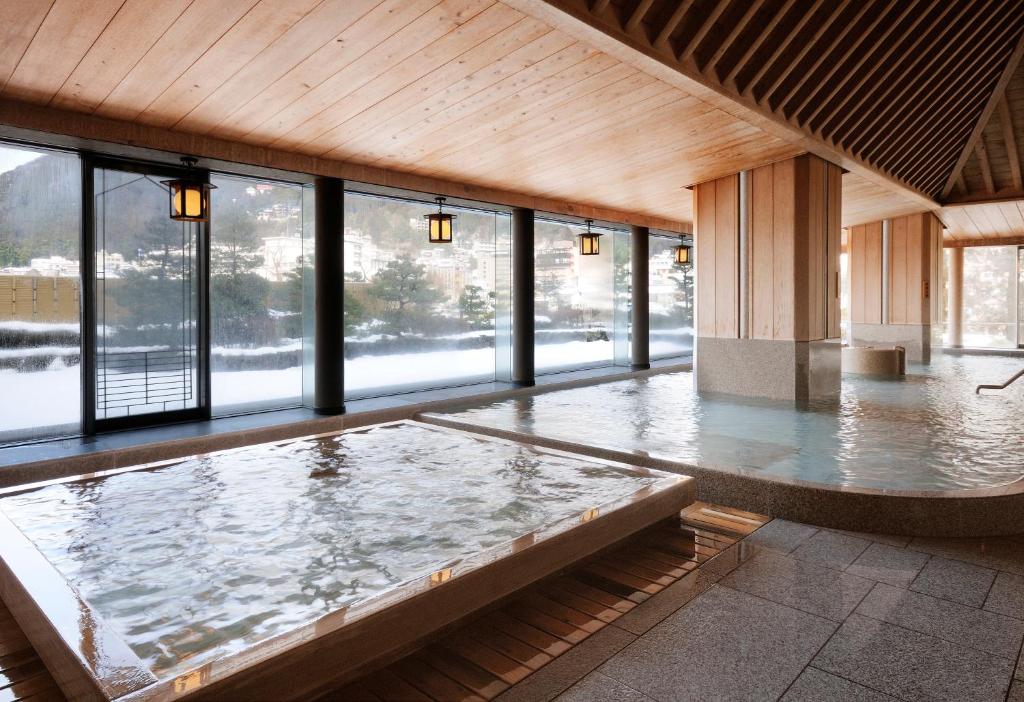
The source temperature is around 45°C (113°F), but it is adjusted to a comfortable bathing temperature at each facility. Thanks to the abundant flow, many inns offer gensen kakenagashi (free-flowing hot spring water) baths. The gentle quality of the water makes it ideal for long soaks to warm the body to its core. The water is also potable and is said to aid digestion.
The valley's beauty can be enjoyed year-round, but spring (April-June) with its fresh greenery and autumn (October-November) with its vibrant foliage are particularly wonderful seasons to combine scenic walks with hot spring therapy. While winter offers beautiful snowy landscapes, be cautious of icy roads.
Access
Nearby Attractions & Local Cuisine
- Strolling to Monju-do Hall and the covered Gotai-bashi Bridge
- Visiting Yakushi-do Temple
- Kakeyu Onsen Ice Lantern Festival (winter only)
- Exploring the historic Ueda Castle Ruins Park
- Tasting various types of Shinshu soba noodles
- Trying 'oyaki,' a local savory dumpling
- Enjoying river fish dishes like carp and char
MORE WITH THE SAME SPRING TYPE
Loved the Simple Spring of Kakeyu Onsen? Try these too
Picked from onsen across Japan where you can enjoy the same Simple Spring.




Q & A
Frequently Asked Questions
Tap any question to expand the answer
Can I narrow down to only inns with a hot-spring analysis in Kakeyu Onsen?
Can I find tattoo-friendly inns with private baths or in-room open-air baths in Kakeyu Onsen?
Onsen towns are often rural with patchy Wi-Fi and limited public transport. Sort out data, tours and a car before you go.
- Japan eSIMAiralo
- Japan eSIMYesim
- Tours, passes & transfersGetYourGuide
- Tours, passes & transfersKKday
- Car rentalDiscover Cars
Includes affiliate links
References
Famous Onsen Areas with Simple Spring
Check access and tourist information on each onsen area column
Related Articles