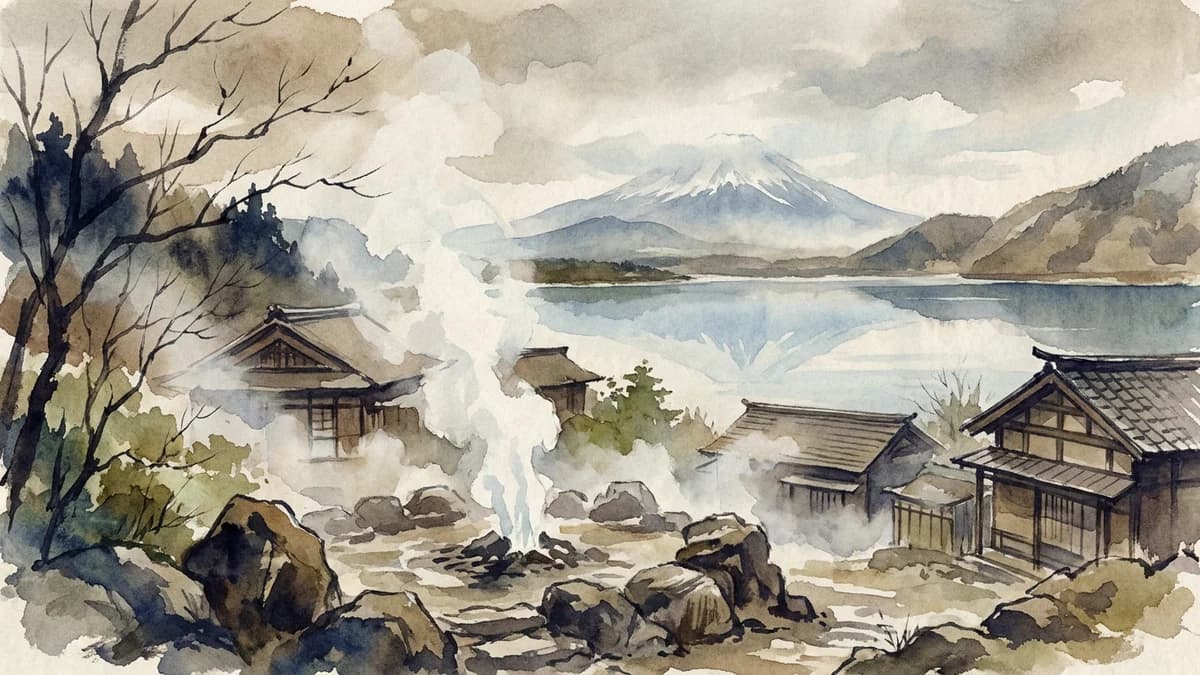
Nozawa Onsen is known for its Sulfur Spring; listed indications for this spring type include Dry Skin / Atopy, Asthma. Choose from 3 inns with a hot-spring analysis on file, filtering by spring type, benefits and amenities, and book directly.
See inns in Nozawa OnsenOn this page you can filter Nozawa Onsen inns by spring type, benefits, tattoo-friendly, private bath and in-room open-air bath, and book on each property's Agoda or Rakuten page.
Compare & book inns in Nozawa Onsen


Awaiting analysis(20)
Overview
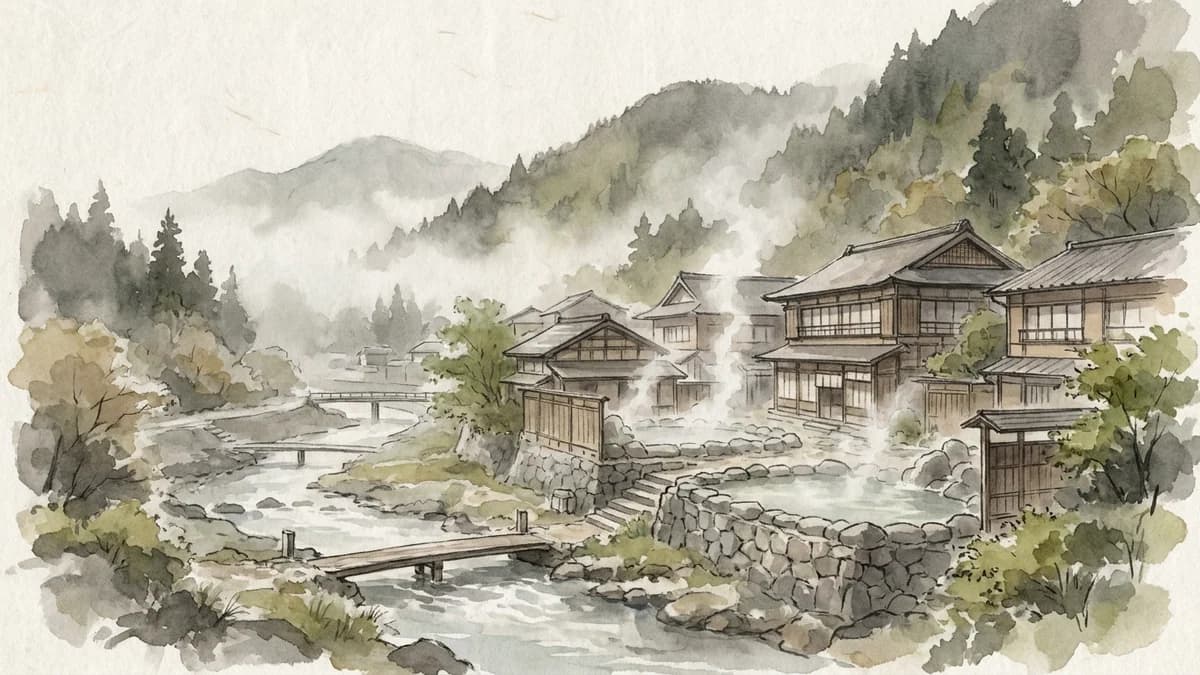
Located in the northern part of Nagano Prefecture, Nozawa Onsen is an ancient hot spring area, with legends tracing its discovery to the Nara period. Another theory suggests it was found by Minamoto no Yoritomo during the Kamakura period. It has long been known as a 'toji' (therapeutic spa) destination, attracting many writers and artists during the Edo period, which helped spread its fame throughout Japan.
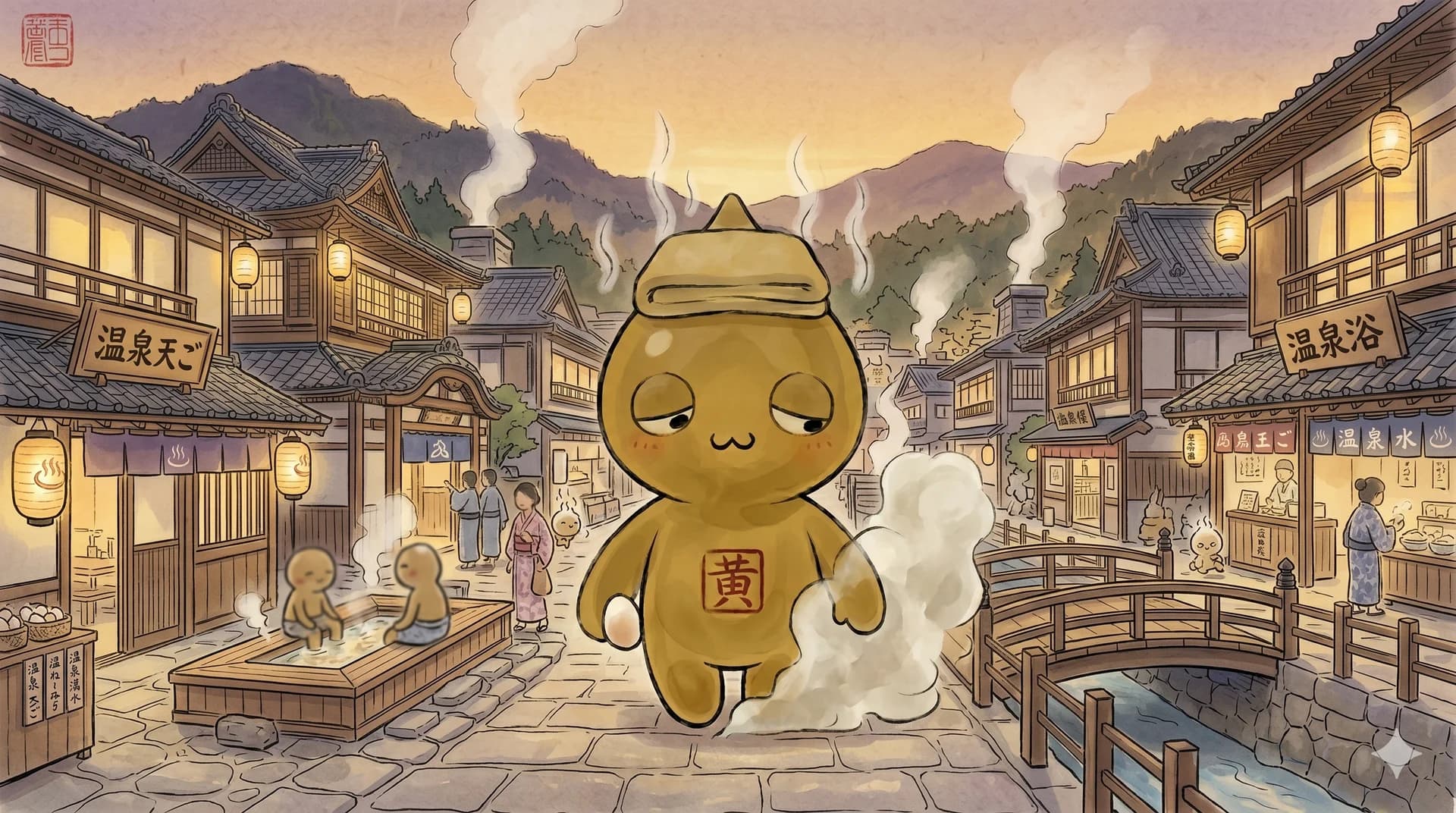
The most distinctive feature of Nozawa Onsen is its 13 public bathhouses, or 'soto-yu,' scattered throughout the village. These are managed and maintained by a local community organization called 'yunakama,' preserving a cherished hot spring culture. At 'Ogama,' the heart of the onsen town, spring water close to 100°C (212°F) gushes out. The sight of locals cooking vegetables and eggs in the hot spring water is a unique and charming scene.
Primary Spring Type and Indications
Many of Nozawa Onsen's sources are simple sulfur springs, characterized by a distinct sulfur aroma. The water color varies from milky white to greenish depending on the source, and it is rich in 'yunohana,' or mineral deposits. It is known as a 'bijin-no-yu' (beauty-enhancing water) for its properties that soften the skin's keratin layer and may help prevent blemishes.
- Atopic dermatitisThe sulfur content in the water is said to gently soften the skin's outer keratin layer. This effect may help soothe the dry, itchy, and inflamed skin associated with this condition.
- Psoriasis vulgarisFor this chronic condition involving thickened skin, the onsen's properties may offer some relief. The sulfur spring is known to soften the skin's surface, which could help manage scaly patches.
- Chronic eczemaSoaking in a sulfur spring is believed to have a gentle effect on the skin's surface. This may help to soften hardened skin and provide comfort for the persistent irritation common with chronic eczema.
- Dry skin
- Cuts
- Peripheral circulatory disturbanceThe hot spring is said to promote blood circulation, and peripheral circulatory disorders are listed among the indications for this type of spring. The warmth of the water helps dilate blood vessels, potentially improving blood flow to the hands and feet.
- Sensitivity to cold
- Impaired glucose tolerance (diabetes)Impaired glucose tolerance (diabetes) is listed among the indications for drinking sulfur spring water, one of the spring types found at Nozawa. Bathing in the warm water also promotes blood circulation.
- Gastrointestinal hypofunction
Water Characteristics and Best Season to Visit
Nozawa Onsen has over 30 spring sources, many of which are nearly 90°C (194°F) at the source. For this reason, locals skillfully mix hot and cold water to achieve the right bathing temperature in the soto-yu. Most facilities for tourists have the water adjusted to a comfortable temperature. Many baths are 'gensen kakenagashi,' meaning the water flows directly from the source, allowing you to enjoy fresh, pristine water.
In winter, the onsen is perfect for warming up after a day of skiing, attracting many winter sports enthusiasts. In contrast, summer offers a chance to enjoy a leisurely bath crawl in the cool mountain climate. With autumn foliage and spring mountain vegetables, each season offers its own unique charm.
Access
Nearby Sightseeing & Local Cuisine
- Soto-yu Meguri (Public Bath Hopping): Collect stamps as you visit the 13 public baths.
- Visit Ogama: See the main spring source, known as the village's kitchen.
- Nozawa Onsen Snow Resort: One of Japan's premier ski resorts, famous for vast slopes and powder snow.
- Dosojin Fire Festival: A major fire festival held annually on January 15, designated as a National Important Intangible Folk Cultural Property.
- Nozawana: A crunchy, pickled leafy green, a specialty of the Shinshu region and a perfect souvenir.
- Onsen Manju: A classic hot spring town treat. Many shops sell them freshly steamed.
- Japan Ski Museum: Exhibits on the history of skiing in Japan.
- Local Sake and Craft Beer: Enjoy beverages made with the pure water of the Shinshu region.
MORE WITH THE SAME SPRING TYPE
Loved the Sulphur Spring of Nozawa Onsen? Try these too
Picked from onsen across Japan where you can enjoy the same Sulphur Spring.




Q & A
Frequently Asked Questions
Tap any question to expand the answer
Can I narrow down to only inns with a hot-spring analysis in Nozawa Onsen?
Can I find tattoo-friendly inns with private baths or in-room open-air baths in Nozawa Onsen?
Onsen towns are often rural with patchy Wi-Fi and limited public transport. Sort out data, tours and a car before you go.
- Japan eSIMAiralo
- Japan eSIMYesim
- Tours, passes & transfersGetYourGuide
- Tours, passes & transfersKKday
- Car rentalDiscover Cars
Includes affiliate links
References
Famous Onsen Areas with Sulphur Spring
Check access and tourist information on each onsen area column
Related Articles