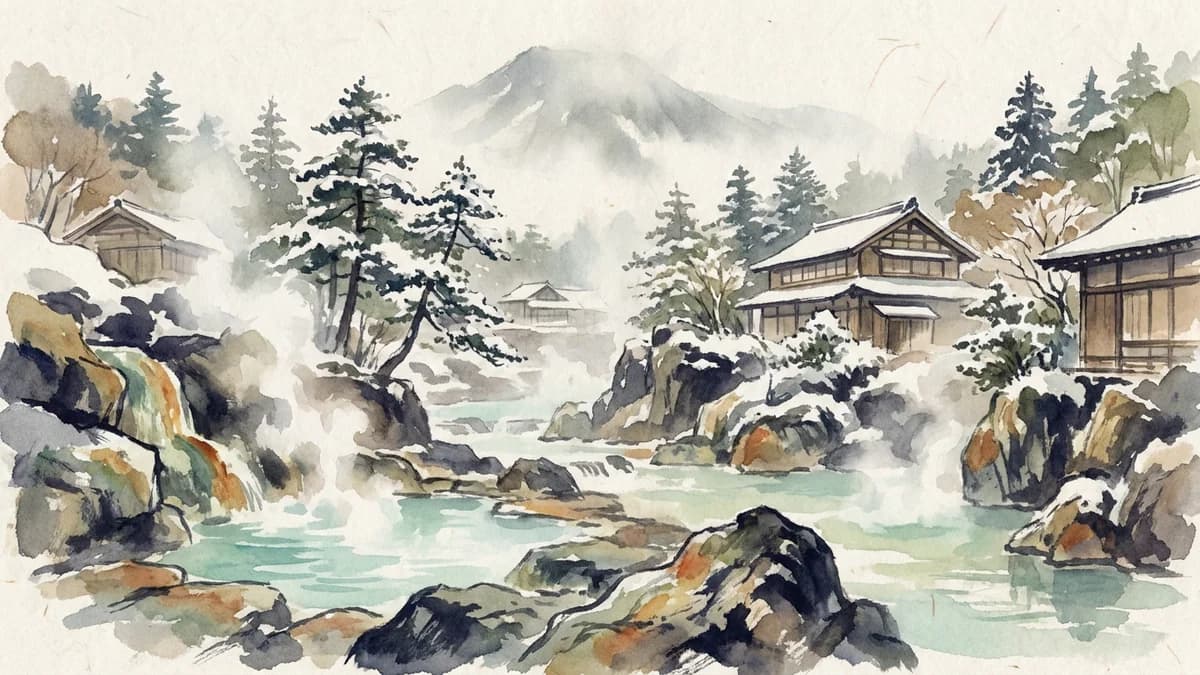
Shima Onsen is known for its Sulfate Spring; listed indications for this spring type include Skin Beauty, Wound Healing. Choose from 3 inns with a hot-spring analysis on file, filtering by spring type, benefits and amenities, and book directly.
See inns in Shima OnsenOn this page you can filter Shima Onsen inns by spring type, benefits, tattoo-friendly, private bath and in-room open-air bath, and book on each property's Agoda or Rakuten page.
Compare & book inns in Shima Onsen


Awaiting analysis(12)
Overview
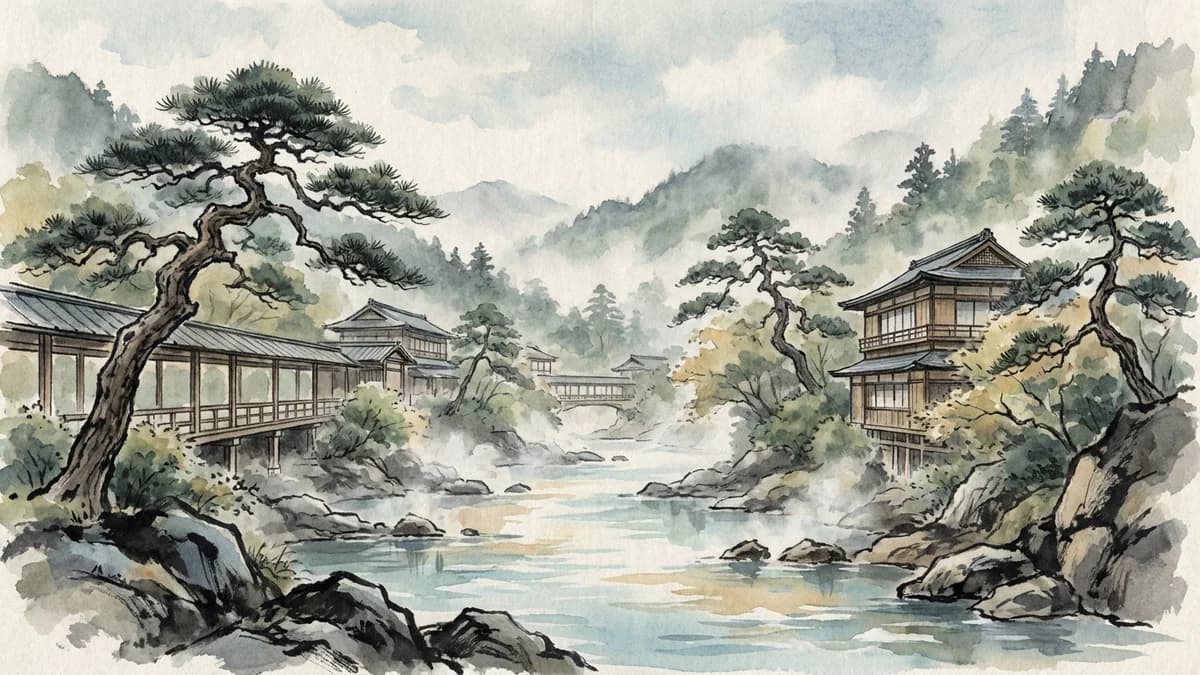
Shima Onsen is a hot spring resort spread along the clear Shima River in the mountains of Nakanojo, Gunma Prefecture. Its history is ancient, with legends attributing its discovery to the general Sakanoue no Tamuramaro in the Heian period. The name "Shima" (literally "forty thousand") is said to come from its reputation as a sacred spring capable of healing 40,000 ailments. In recognition of its therapeutic benefits, it was designated as one of Japan's first National Hot Spring Health Resorts in 1954, alongside Kusatsu and Noboribetsu.
The onsen town exudes a retro Showa-era atmosphere with old-fashioned game arcades and shops. The historic Sekizenkan ryokan is particularly famous, said to be one of the inspirations for a renowned animated film, and it captivates many visitors. It's a place for tranquil moments, whether you're hopping between baths, listening to the murmuring river, or strolling through the nostalgic streets.
Prominent Spring Qualities and Indications
The waters of Shima Onsen are primarily sodium/calcium—chloride/sulfate springs, which are clear, colorless, and soft on the skin. The water is also potable and known as a "great spring for the stomach and intestines." It has excellent heat-retention properties, preventing post-bath chills, and is expected to relieve pain and improve circulation by warming the body from its core.
- CutsThe sulfate spring quality is thought to possess properties that can aid in the healing of minor cuts and abrasions. Bathing in these waters may help to gently clean and soothe the affected area, promoting natural recovery.
- Poor peripheral circulationShima's sulfate springs are known to help promote blood circulation. Soaking in the warm, mineral-rich water may improve blood flow to the body's extremities, such as hands and feet, which can alleviate symptoms associated with this condition.
- Sensitivity to coldThis condition is often linked to poor blood flow. The hot spring is said to promote circulation and warm the body from its core, and sensitivity to cold is listed among the indications for sulfate springs.
- Dry skinAs a designated "beauty spring," Shima Onsen is particularly beneficial for moisturizing the skin. The sulfate minerals in the water are said to form a thin film on the skin's surface, helping to retain moisture and alleviate dryness.
- Weak gastrointestinal function
Water Characteristics and Best Season to Visit
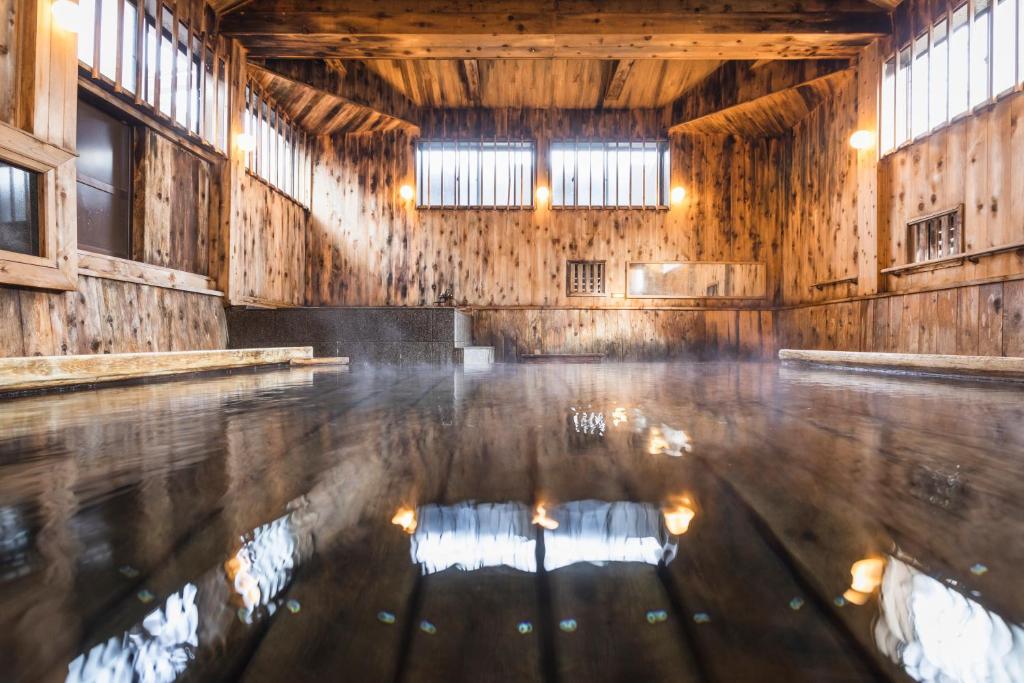
With over 40 sources, Shima Onsen has an abundant supply of hot spring water. Many ryokans and public baths offer fresh, free-flowing water straight from the source (gensen kakenagashi). Water temperatures vary by source but are generally adjusted to a comfortable 40°C (104°F). The water is gentle on the skin, making it suitable for long soaks.
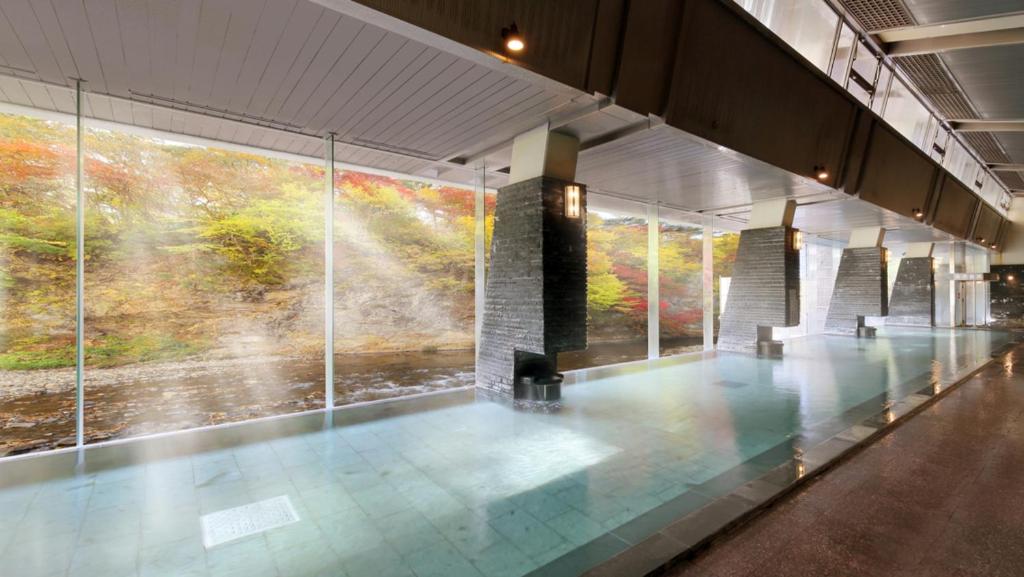
While Shima Onsen is beautiful in all four seasons, it is particularly stunning in spring (April-June) when the valley is covered in fresh green, and in autumn (October-November) when the mountains are ablaze with red and yellow foliage. In winter, you can enjoy a yukimi-buro (snow-viewing bath), making it a charming destination year-round.
Access
Nearby Sightseeing and Local Cuisine
- Lake Okushima: A dam lake famous for its mystical "Shima Blue" water. Canoeing is a popular activity.
- Shima no Oketsu (Potholes): A National Natural Monument featuring large and small potholes carved by the river over centuries.
- Sekizenkan: A historic ryokan and a prefectural important cultural property. Also open for day-use bathing.
- Hinatami Yakushido: A charming temple with a thatched roof, said to be Japan's oldest wooden hot spring inn architecture.
- Yakimanju: A Gunma soul food of grilled buns coated in a sweet miso sauce.
- Okkirikomi: A local noodle dish with wide noodles and vegetables simmered in a savory broth.
- Onsen Manju: The classic sweet bun, a must-have snack while strolling through an onsen town.
MORE WITH THE SAME SPRING TYPE
Loved the Sulphate Spring of Shima Onsen? Try these too
Picked from onsen across Japan where you can enjoy the same Sulphate Spring.



Q & A
Frequently Asked Questions
Tap any question to expand the answer
Can I narrow down to only inns with a hot-spring analysis in Shima Onsen?
Can I find tattoo-friendly inns with private baths or in-room open-air baths in Shima Onsen?
Onsen towns are often rural with patchy Wi-Fi and limited public transport. Sort out data, tours and a car before you go.
- Japan eSIMAiralo
- Japan eSIMYesim
- Tours, passes & transfersGetYourGuide
- Tours, passes & transfersKKday
- Car rentalDiscover Cars
Includes affiliate links
References
Famous Onsen Areas with Sulphate Spring
Check access and tourist information on each onsen area column
Related Articles