Manza Onsen is known for its Sulfur Spring; listed indications for this spring type include Dry Skin / Atopy, Asthma. Choose an inn by spring type, benefits and amenities, and book directly.
See inns in Manza OnsenOn this page you can filter Manza Onsen inns by spring type, benefits, tattoo-friendly, private bath and in-room open-air bath, and book on each property's Agoda or Rakuten page.
Compare & book inns in Manza Onsen
Awaiting analysis(3)
Overview
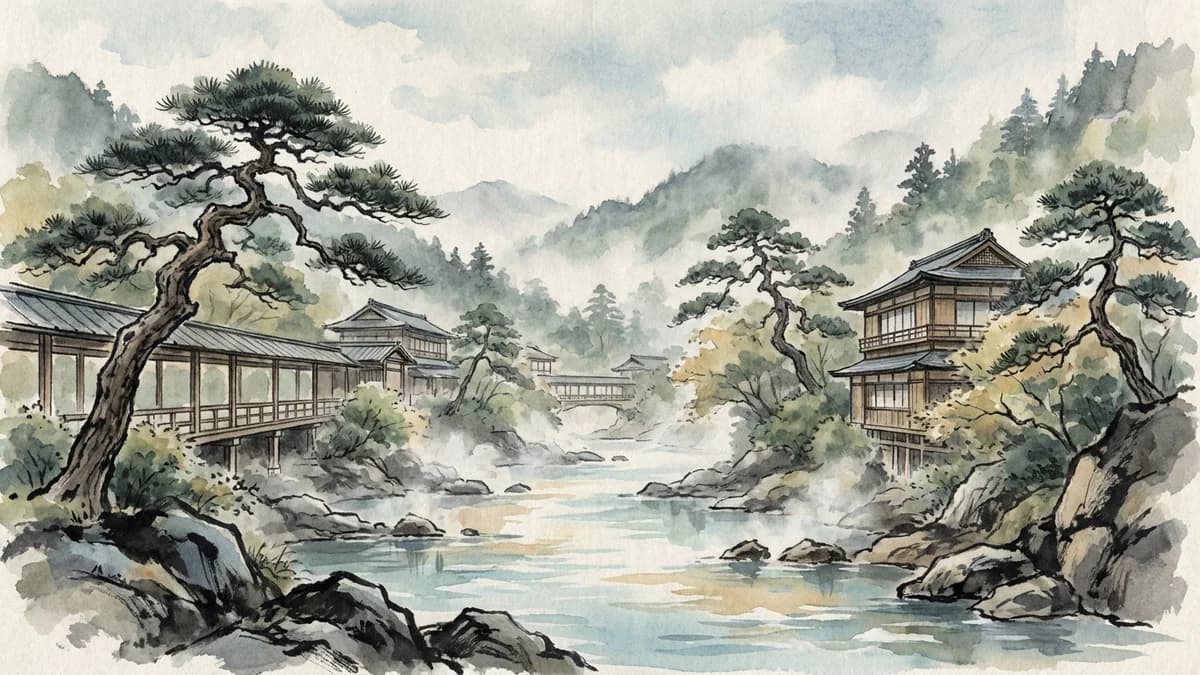
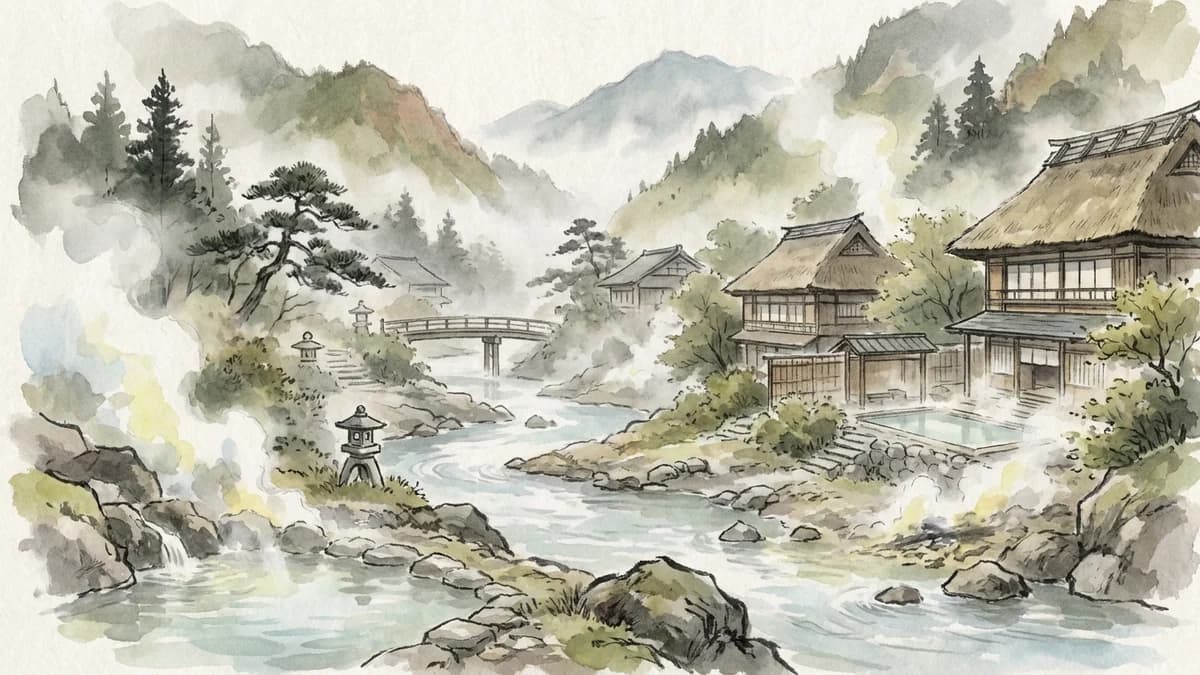
Manza Onsen is one of Japan's premier high-altitude hot spring resorts, located within Joshin'etsukogen National Park near the border of Gunma and Nagano prefectures. Often called "the closest onsen to the stars" due to its 1,800-meter elevation, its history dates back to the late Edo period. It has long been known as a therapeutic spa (toji) for healing various ailments.
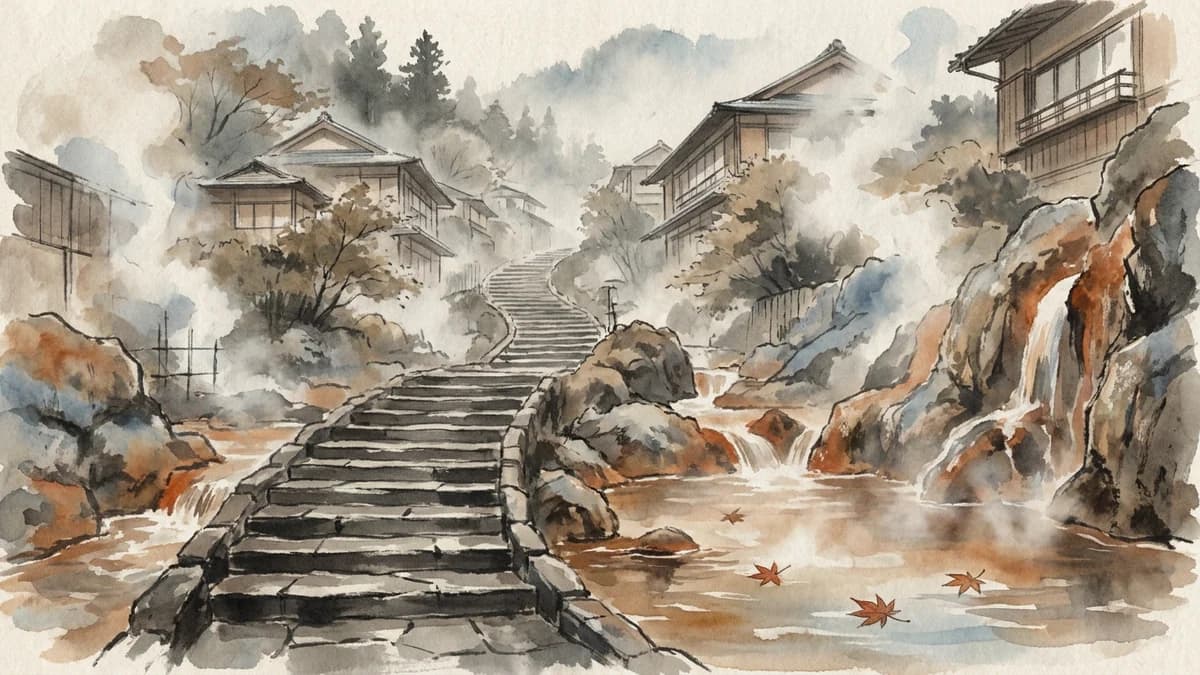
The steam rising from the "Karabuki" source area is a symbolic sight of Manza Onsen. With an impressive daily output of 5.4 million liters, the onsen is characterized by its milky-white to yellowish-green water and a distinct sulfur aroma. Surrounded by magnificent nature that changes with the seasons, you can fully experience the earth's blessings.
Primary Spring Qualities and Indications
Its most defining feature is the highly acidic sulfur spring, which has the highest sulfur concentration in Japan. With a pH of around 2.4, the strong acidity is said to have high sterilizing properties. The abundant sulfur content promotes blood circulation and has a peeling effect that removes old skin cells, earning it the name "beauty-enhancing water" (bihada-no-yu). This quality is also thought to help stimulate the immune system.
- Atopic dermatitisManza's waters are both highly acidic and rich in sulfur, and atopic dermatitis is listed among the indications for both acidic and sulfur springs.
- Psoriasis vulgarisAs a "sulfur spring," Manza Onsen is traditionally sought out for skin ailments, and psoriasis vulgaris is listed among the indications for sulfur springs.
- Impaired glucose tolerance (Diabetes)Sulfur springs like Manza list impaired glucose tolerance (diabetes) among their indications, part of the category of "lifestyle-related diseases." Bathing in the mineral-rich water is believed to promote peripheral circulation.
- Chronic eczemaThe spring combines strong acidity with Japan's highest sulfur concentration, and chronic eczema is listed among the indications for sulfur springs.
- Rheumatoid arthritisThe warmth of the hot spring is said to soothe stiff and painful joints, and chronic joint pain and stiffness are listed among the general indications for bathing.
Water Characteristics and Best Season to Visit
The source temperature is high, around 80°C (176°F), and most facilities offer it as "gensen kakenagashi"—free-flowing from the source without added water or heating. The milky-white water changes color upon contact with air, sometimes appearing bluish or greenish. The sulfur components coat the skin, keeping the body warm and preventing post-bath chills.
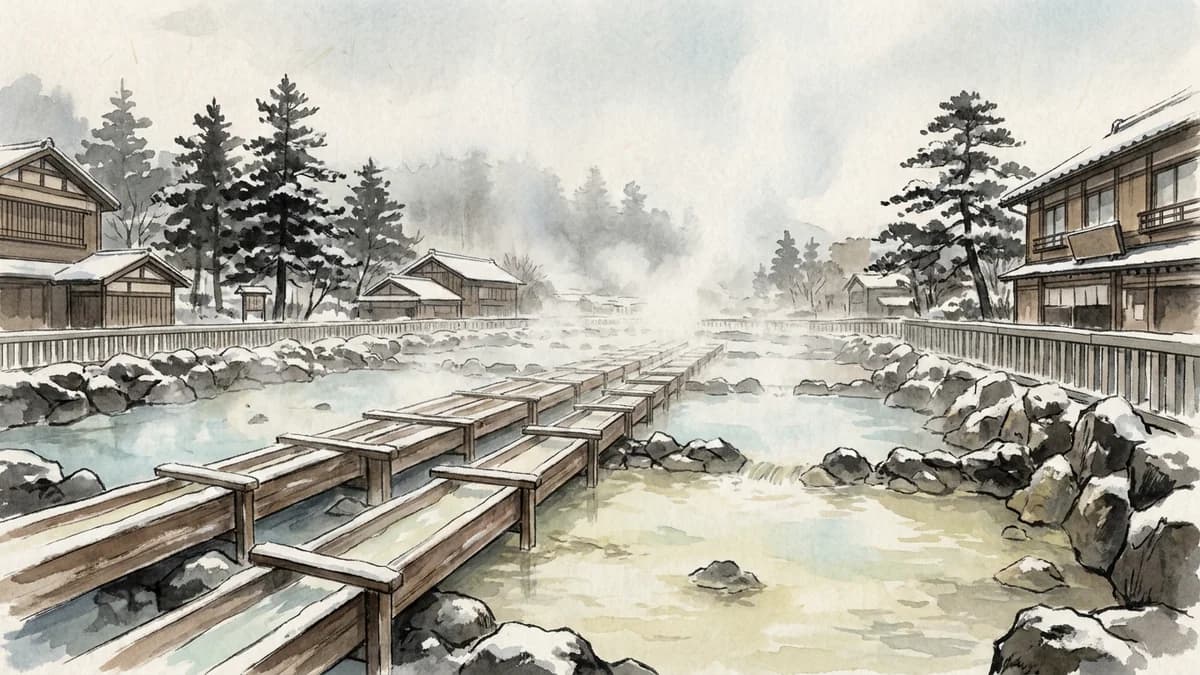
While enjoyable year-round, the scenery is particularly stunning in early summer (June-July) with alpine flowers in bloom, and in autumn (late Sept-mid Oct) when the mountains are ablaze with color. In winter, it transforms into a ski resort with some of Japan's best powder snow, offering the exceptional experience of an open-air bath while viewing the snow (yukimi-buro).
Access
Nearby Sightseeing and Local Cuisine
- Manza Onsen Yubatake: A 'hot water field' where you can see the source spring up close.
- Karabuki: The symbol of Manza, where volcanic steam vents white smoke.
- Manza Highway: A scenic driving route with beautiful views in every season.
- Shiga-Kusatsu Kogen Route: A popular route passing the highest point of any national highway in Japan (closed in winter).
- Tsumagoi Cabbage: Sweet and tender highland cabbage, in season from summer to autumn.
- Sweet-simmered Hanain-gen Beans: A local dish made from beans grown at high altitudes.
- Maitake Mushroom Dishes: Aromatic local maitake mushrooms served as tempura or in kamameshi (kettle rice).
- Kusatsu Onsen: One of Japan's three most famous onsen, about a 40-minute drive away for a day trip.
MORE WITH THE SAME SPRING TYPE
Loved the Sulphur Spring of Manza Onsen? Try these too
Picked from onsen across Japan where you can enjoy the same Sulphur Spring.


Q & A
Frequently Asked Questions
Tap any question to expand the answer
Can I narrow down to only inns with a hot-spring analysis in Manza Onsen?
Can I find tattoo-friendly inns with private baths or in-room open-air baths in Manza Onsen?
Onsen towns are often rural with patchy Wi-Fi and limited public transport. Sort out data, tours and a car before you go.
- Japan eSIMAiralo
- Japan eSIMYesim
- Tours, passes & transfersGetYourGuide
- Tours, passes & transfersKKday
- Car rentalDiscover Cars
Includes affiliate links
References
Famous Onsen Areas with Sulphur Spring
Check access and tourist information on each onsen area column
Related Articles