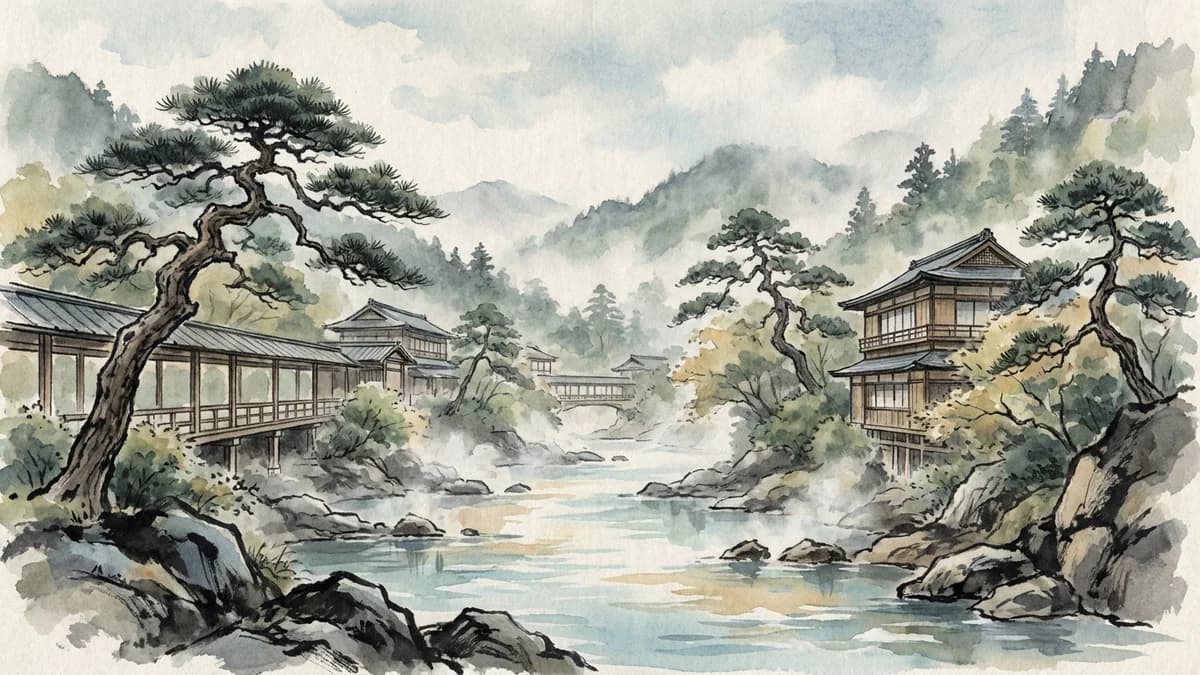
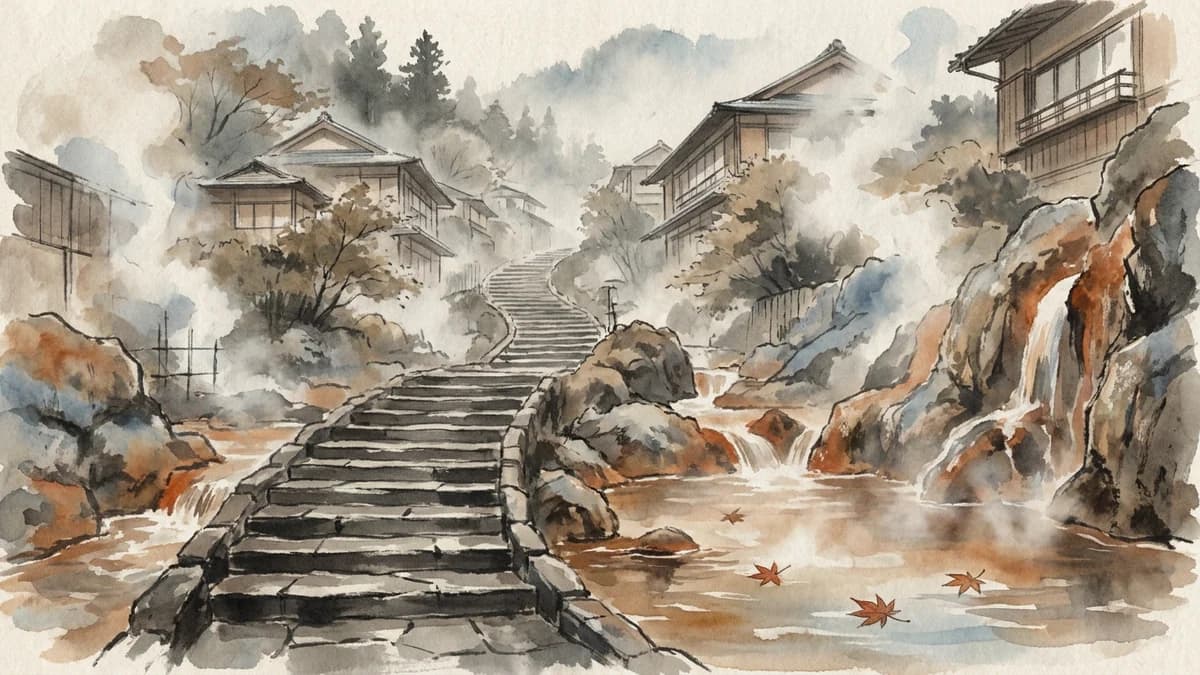
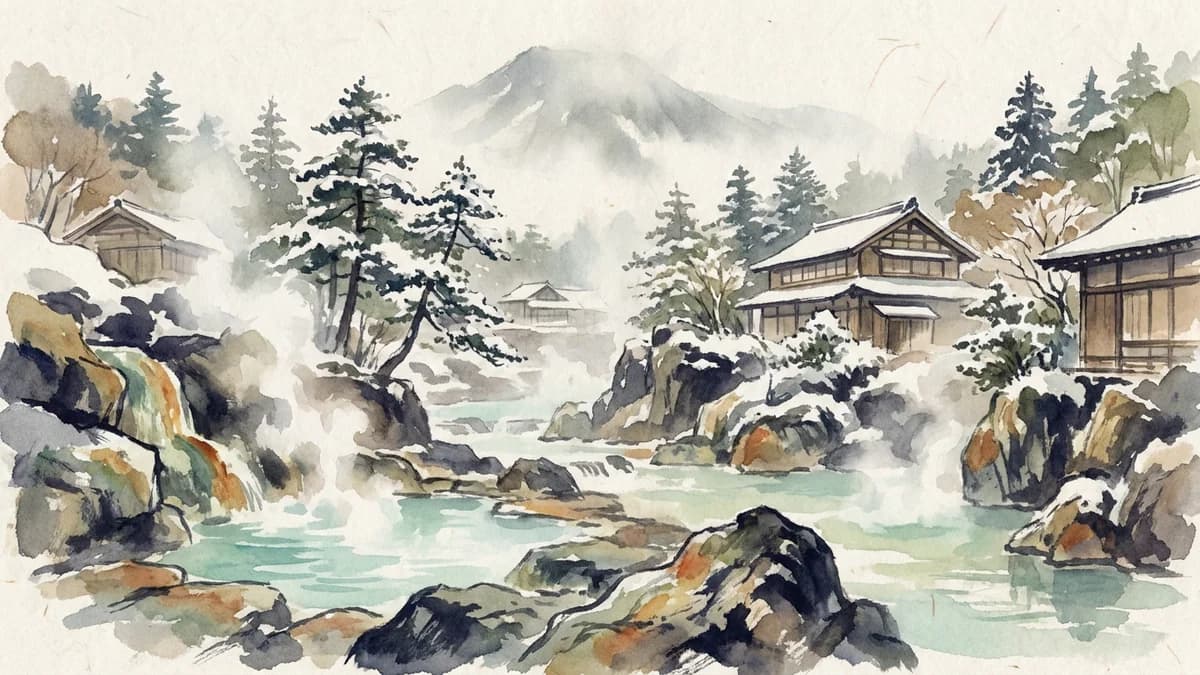
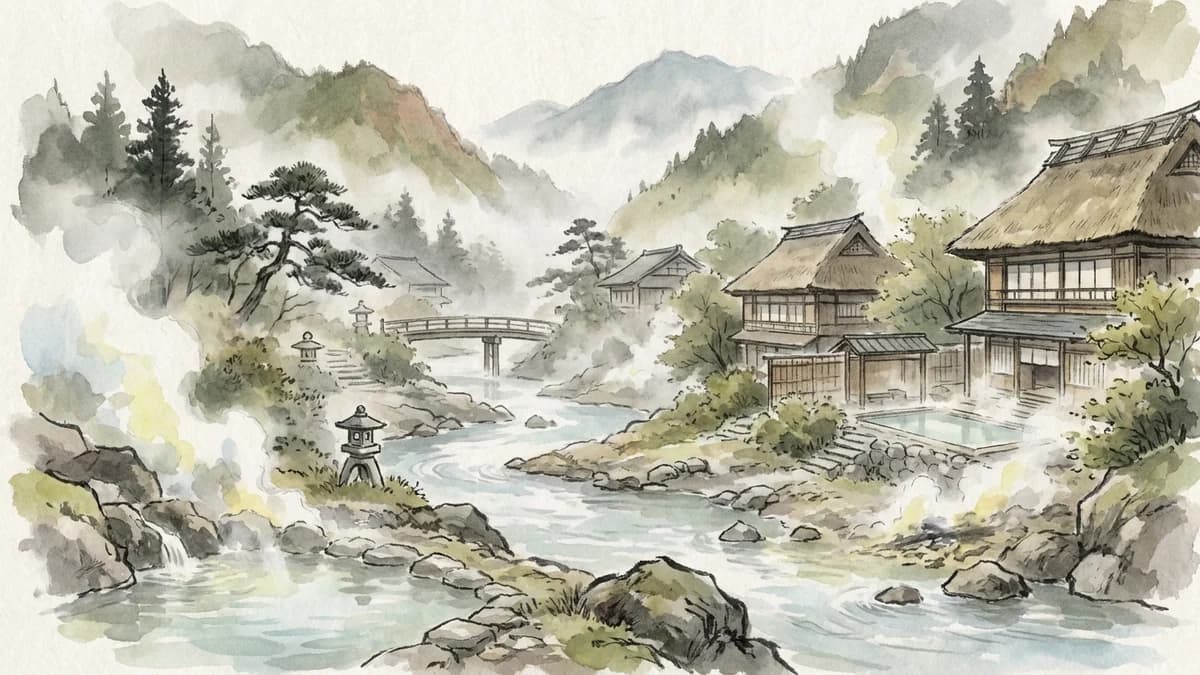
Kusatsu Onsen is known for its Acidic Spring; listed indications for this spring type include Dry Skin / Atopy. Choose from 31 inns with a hot-spring analysis on file, filtering by spring type, benefits and amenities, and book directly.
See inns in Kusatsu OnsenOn this page you can filter Kusatsu Onsen inns by spring type, benefits, tattoo-friendly, private bath and in-room open-air bath, and book on each property's Agoda or Rakuten page.
Compare & book inns in Kusatsu Onsen





Awaiting analysis(25)
Overview
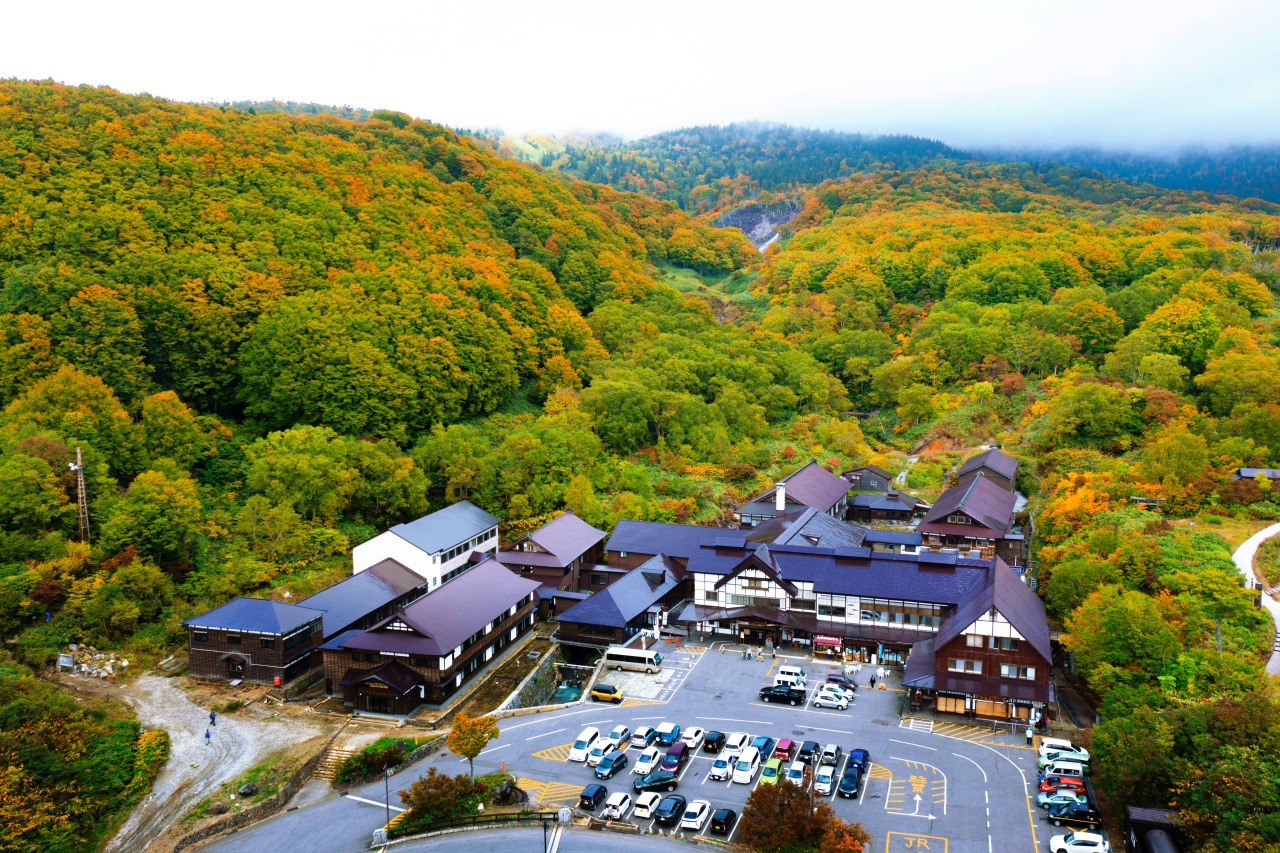
Located in Gunma Prefecture, Kusatsu Onsen is one of Japan's most famous hot spring resorts, ranked among the "Three Great Onsen of Japan" alongside Arima and Gero. Its history is ancient, with legends attributing its discovery to figures like Prince Yamato Takeru and Minamoto no Yoritomo. The heart of the town is the iconic "Yubatake" (hot water field), where 4,000 liters of hot spring water gush out every minute, creating clouds of steam.
The source water in Kusatsu is extremely hot, ranging from 50°C to over 90°C. To cool it down, the water is channeled through the Yubatake's wooden conduits or stirred using a traditional method called "Yumomi." The "Yumomi and Dance" performance is a popular tourist attraction, offering a glimpse into Kusatsu's unique onsen culture. Praised as a cure for "all ills but lovesickness," it continues to attract countless visitors seeking its potent benefits.
Signature Spring Types and Indications
Kusatsu's water is known for being one of Japan's most acidic, with a pH of around 2.1, giving it strong sterilizing properties. It is also rich in sulfur, which contributes to its distinctive aroma. The tingling sensation of the water is believed to promote skin metabolism, leaving you feeling exceptionally refreshed after bathing. This spring type is thought to be beneficial for skin conditions like atopic dermatitis.
- Atopic dermatitisThe spring's strong acidity, with a pH of around 2.1, is said to be beneficial for various skin issues, and atopic dermatitis is listed among the indications for acidic springs.
- Psoriasis vulgarisFor this chronic skin condition, the water's strong acidity is traditionally considered the primary draw, and psoriasis vulgaris is listed among the indications for acidic springs.
- Impaired glucose tolerance (Diabetes)
- CutsDue to the water's strong acidity, bathing is said to be beneficial for minor cuts and abrasions, and is traditionally believed to help keep wounds clean.
- Sensitivity to cold
Water Characteristics & Best Season
With source temperatures exceeding 50°C, the water is naturally cooled without adding cold water. This means almost all ryokans and public baths offer the luxury of "gensen kakenagashi"—100% pure, free-flowing spring water. Due to the high acidity, it's best to remove metal accessories before bathing as they may tarnish. If you have sensitive skin, it's a good idea to rinse off with fresh water after your bath.
Situated on a plateau at 1,200 meters, Kusatsu is a cool retreat in the summer and a winter wonderland for enjoying snow-viewing baths and skiing. It's a captivating destination year-round, but the illuminated Yubatake at night and the scenery in winter are particularly magical.
Access
Sightseeing & Local Cuisine
- Yubatake (hot water field), especially when lit up at night
- Sainokawara Park & Sainokawara Rotenburo (a vast open-air bath)
- Netsunoyu Hall (to watch the "Yumomi and Dance" show)
- Kusatsu Onsen Ski Resort (in winter)
- Trying different Onsen Manju (steamed buns)
- Maitake mushroom tempura
- Okkirikomi Udon (a local noodle dish from Gunma)
MORE WITH THE SAME SPRING TYPE
Loved the Acidic Spring of Kusatsu Onsen? Try these too
Picked from onsen across Japan where you can enjoy the same Acidic Spring.



Q & A
Frequently Asked Questions
Tap any question to expand the answer
Can I narrow down to only inns with a hot-spring analysis in Kusatsu Onsen?
Can I find tattoo-friendly inns with private baths or in-room open-air baths in Kusatsu Onsen?
Onsen towns are often rural with patchy Wi-Fi and limited public transport. Sort out data, tours and a car before you go.
- Japan eSIMAiralo
- Japan eSIMYesim
- Tours, passes & transfersGetYourGuide
- Tours, passes & transfersKKday
- Car rentalDiscover Cars
Includes affiliate links
References
Famous Onsen Areas with Acidic Spring
Check access and tourist information on each onsen area column
Related Articles