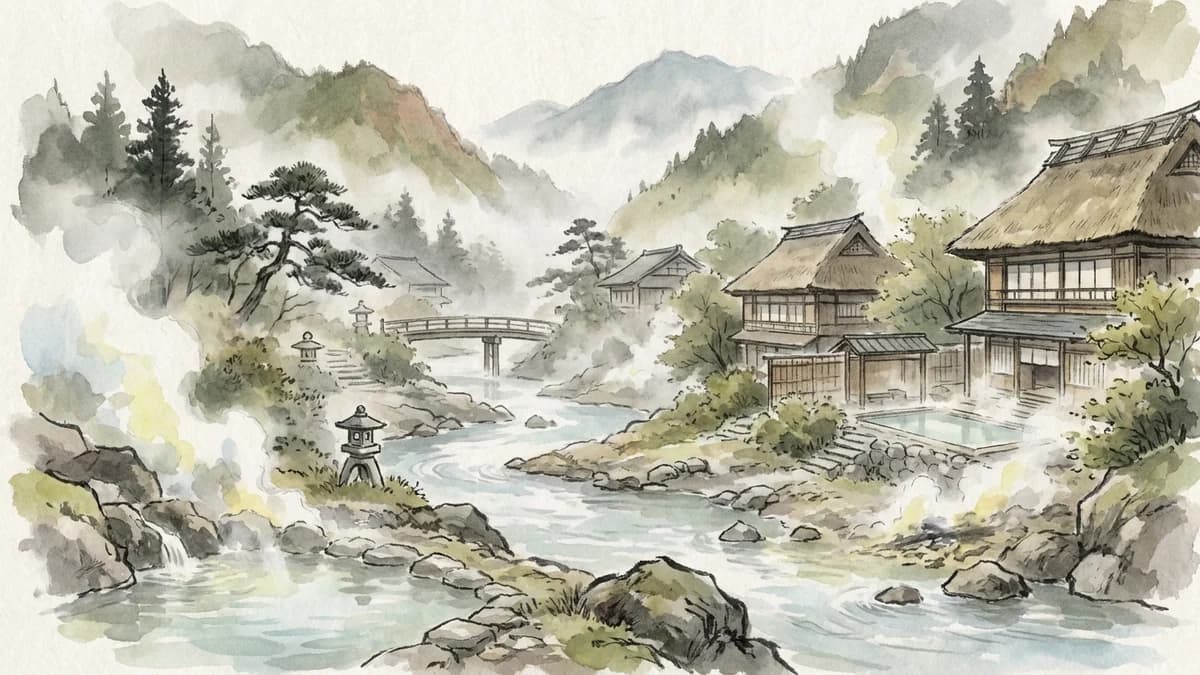
Hoshi Onsen is known for its Sulfate Spring; listed indications for this spring type include Skin Beauty, Wound Healing. Choose from 1 inns with a hot-spring analysis on file, filtering by spring type, benefits and amenities, and book directly.
See inns in Hoshi OnsenOn this page you can filter Hoshi Onsen inns by spring type, benefits, tattoo-friendly, private bath and in-room open-air bath, and book on each property's Agoda or Rakuten page.
Compare & book inns in Hoshi Onsen

Awaiting analysis(1)
Overview
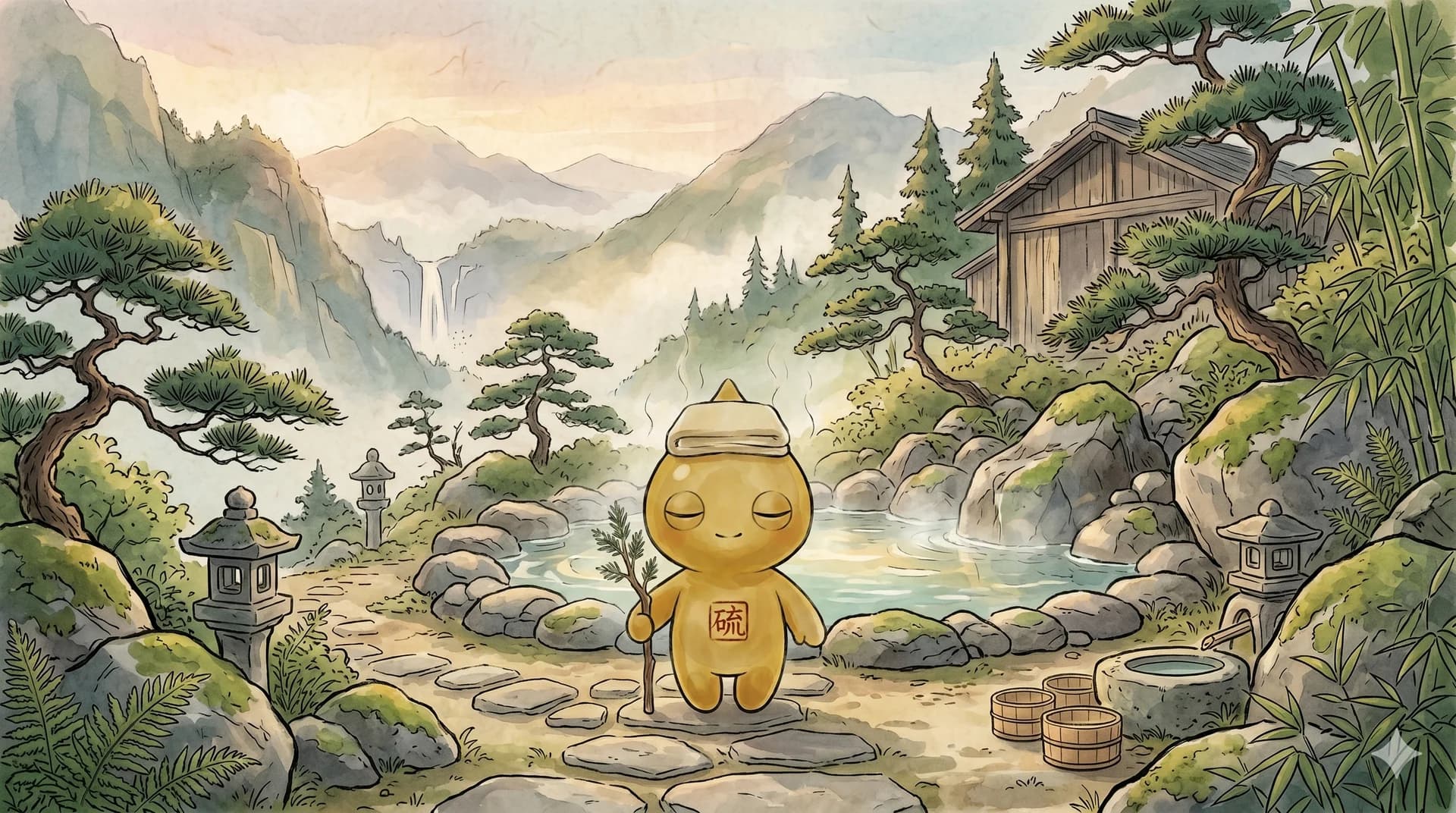
Hoshi Onsen is a single-inn hot spring resort quietly situated in the mountains of Minakami, Gunma Prefecture. With a legend dating back about 1,200 years to its discovery by the monk Kobo Daishi, it has long been cherished as a place for therapeutic bathing. Its centerpiece, the Chojukan inn, features the 'Hoshi-no-yu' bathhouse, built in 1895 in a Meiji-era Western style, which is designated as a national registered tangible cultural property and exudes a sense of history.
The most distinctive feature of this onsen is that the spring water gushes up naturally from between pebbles at the bottom of the bathtub. This allows bathers to soak in fresh water that has not been exposed to the air, offering a direct experience of the earth's blessings. Many literary figures, such as Yosano Akiko and Kawabata Yasunari, visited and fell in love with its charming atmosphere.
Primary Spring Quality and Indications
The main composition is a calcium/sodium-sulfate spring, featuring clear and soft water. Also known as a 'gypsum spring,' it is noted for its calming effects and is expected to moisturize the skin. Drinking the water is said to be beneficial for chronic constipation and high cholesterol.
- CutsThis spring is traditionally nicknamed the "bath for healing wounds" (傷治の湯). The mineral properties of the Calcium-Sulfate water are believed to have a soothing effect that may aid in the natural recovery process for minor cuts and external injuries.
- Poor peripheral circulation
- Sensitivity to coldSoaking in the naturally warm water helps to raise the body's core temperature effectively. This deep heating action improves blood flow throughout the body and is said to offer lasting relief from the persistent chill associated with poor circulation.
- Dry skinThe Calcium-Sulfate spring water is noted for being exceptionally soft and gentle on the skin. Its mineral content helps to form a light, moisturizing veil on the skin's surface, which is said to ease dryness and improve skin texture.
- High cholesterol
- Constipation
Water Characteristics and Best Season to Visit
The water is 100% free-flowing from the source, with no added heat or water. The temperature is kept at a lukewarm 40°C (104°F), which is gentle on the heart and ideal for long soaks to warm the body thoroughly. This tepid water provides deep relaxation and a restorative warmth that helps prevent post-bath chills.
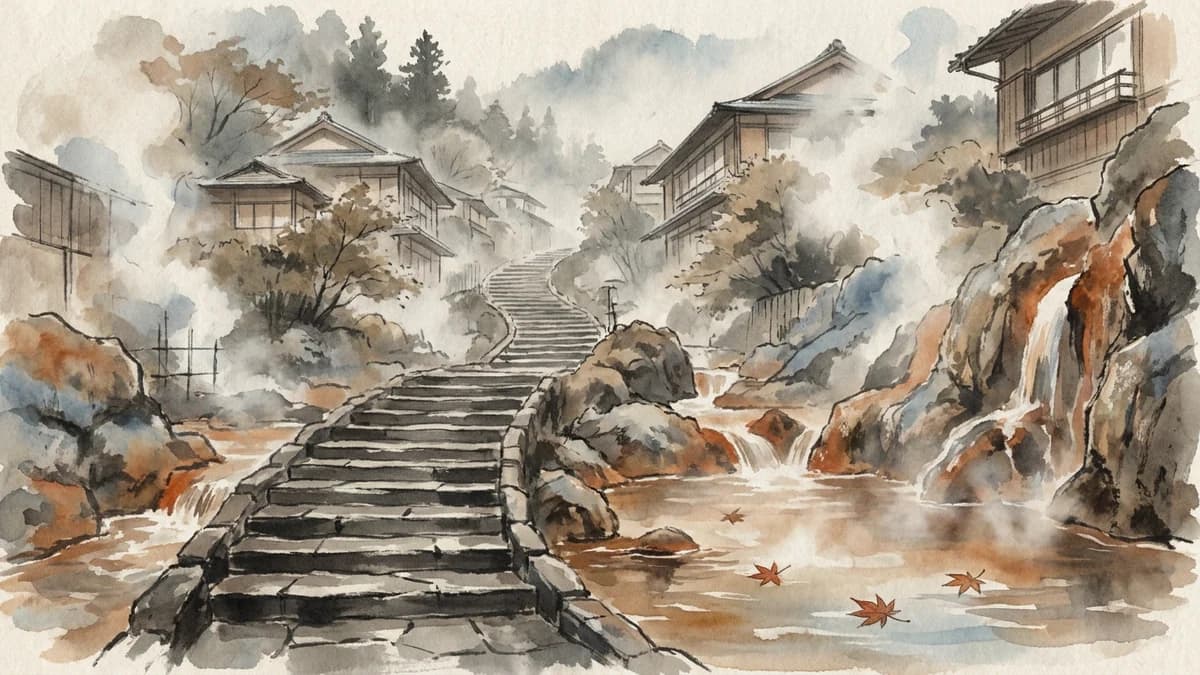
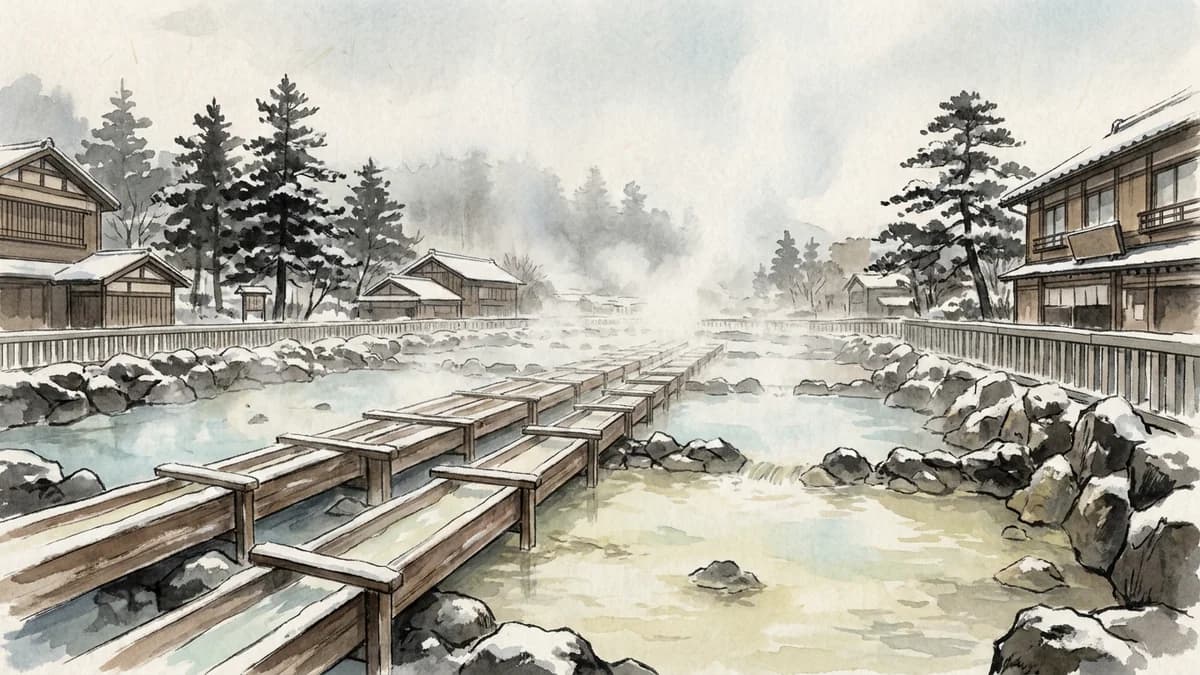
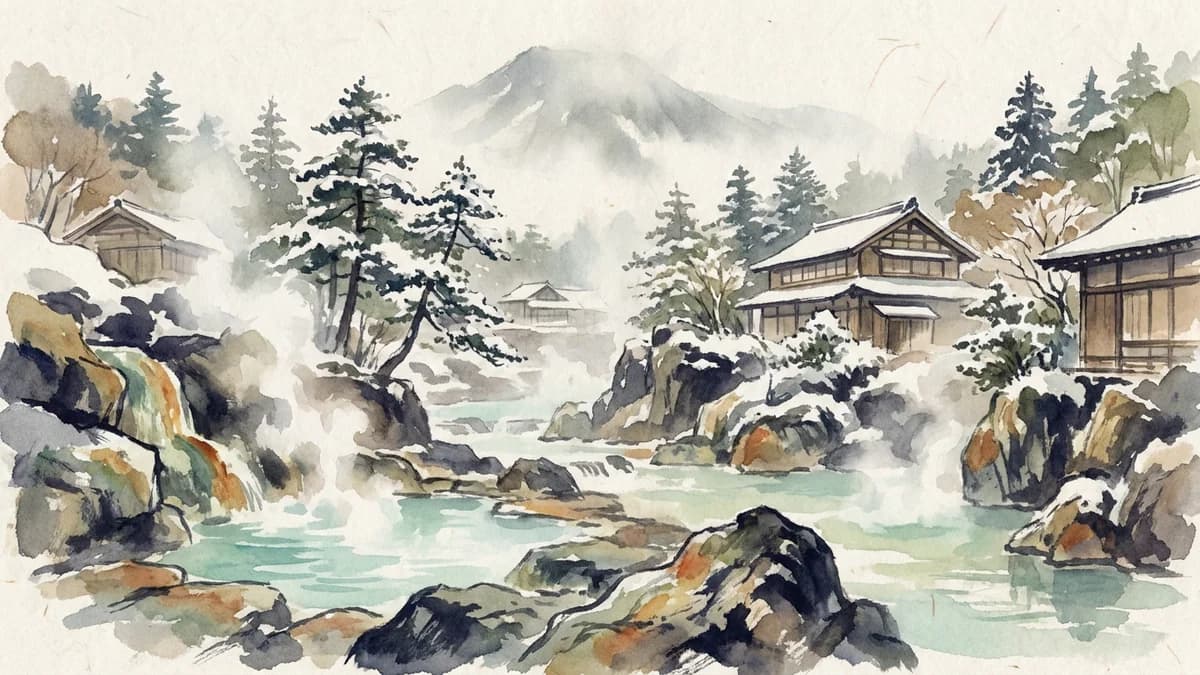
You can enjoy the beauty of nature throughout the year: fresh green in spring, cool breezes in summer, vibrant foliage in autumn, and magical snowy landscapes in winter. For those seeking tranquility to connect with the water, weekdays in autumn or winter, when you can enjoy a snow-viewing bath, are particularly recommended.
Access
Nearby Sightseeing and Local Cuisine
- Tanigawadake Ropeway: Offers breathtaking views of the majestic Tanigawa mountain range.
- Takumi no Sato: A craft village with over 20 workshops for experiences like straw crafting and konjac making.
- Suwa Gorge: A beautiful gorge carved by the Tone River, perfect for walks and rafting.
- Teruiha Gorge: A famous spot for autumn colors with a series of 11 waterfalls.
- Minakami Dam Curry: A unique curry dish shaped like a dam, served at various local restaurants.
- Okkirikomi: A Gunma specialty of wide noodles stewed with vegetables.
- Yaki Manju: A soul food of Gunma, consisting of roasted buns coated with a sweet miso sauce.
MORE WITH THE SAME SPRING TYPE
Loved the Sulphate Spring of Hoshi Onsen? Try these too
Picked from onsen across Japan where you can enjoy the same Sulphate Spring.





Q & A
Frequently Asked Questions
Tap any question to expand the answer
Can I narrow down to only inns with a hot-spring analysis in Hoshi Onsen?
Can I find tattoo-friendly inns with private baths or in-room open-air baths in Hoshi Onsen?
Onsen towns are often rural with patchy Wi-Fi and limited public transport. Sort out data, tours and a car before you go.
- Japan eSIMAiralo
- Japan eSIMYesim
- Tours, passes & transfersGetYourGuide
- Tours, passes & transfersKKday
- Car rentalDiscover Cars
Includes affiliate links
References
Famous Onsen Areas with Sulphate Spring
Check access and tourist information on each onsen area column
Related Articles