Myoko Onsen-go is known for its Sulfate Spring; listed indications for this spring type include Skin Beauty, Wound Healing. Choose an inn by spring type, benefits and amenities, and book directly.
See inns in Myoko Onsen-goOn this page you can filter Myoko Onsen-go inns by spring type, benefits, tattoo-friendly, private bath and in-room open-air bath, and book on each property's Agoda or Rakuten page.
Compare & book inns in Myoko Onsen-go
Awaiting analysis(17)
Overview
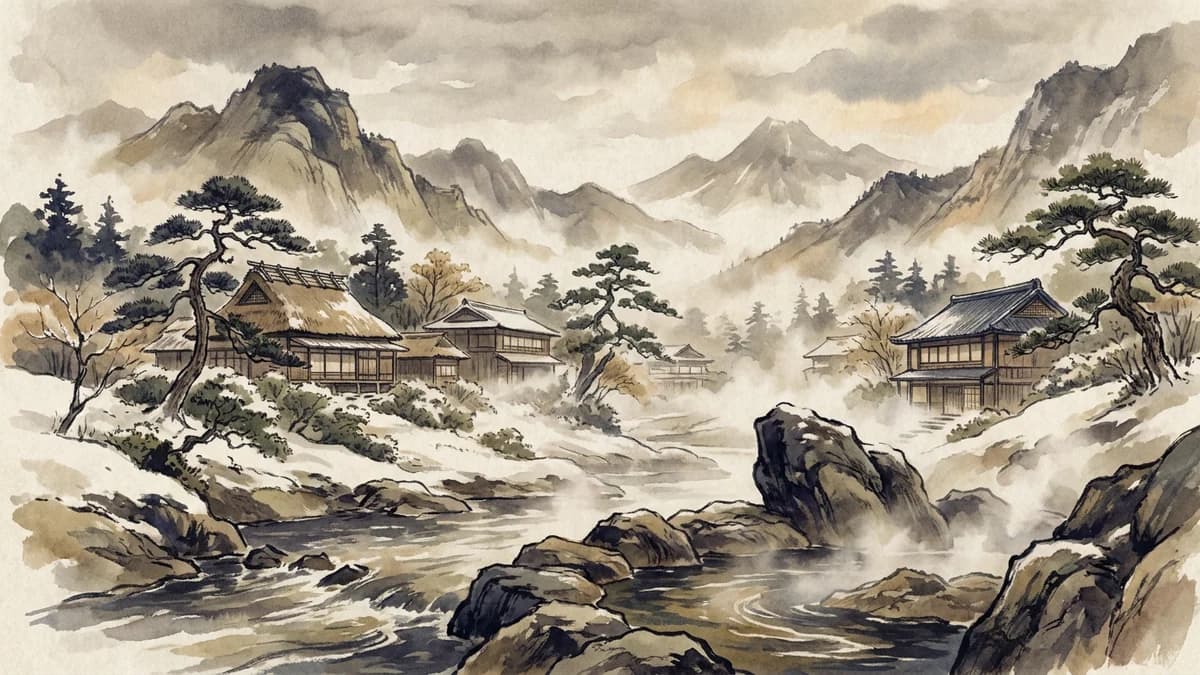
Myoko Onsen-go is a collective term for seven hot spring areas scattered on the eastern foot of Mt. Myoko in Niigata Prefecture: Akakura, Shin-Akakura, Ikenotaira, Suginosawa, Myoko, Tsubame, and Seki. Each has its own unique source and atmosphere, perfect for onsen-hopping. Tsubame and Seki Onsen, in particular, are known for their long history as therapeutic spas (toji) dating back to the Edo period.
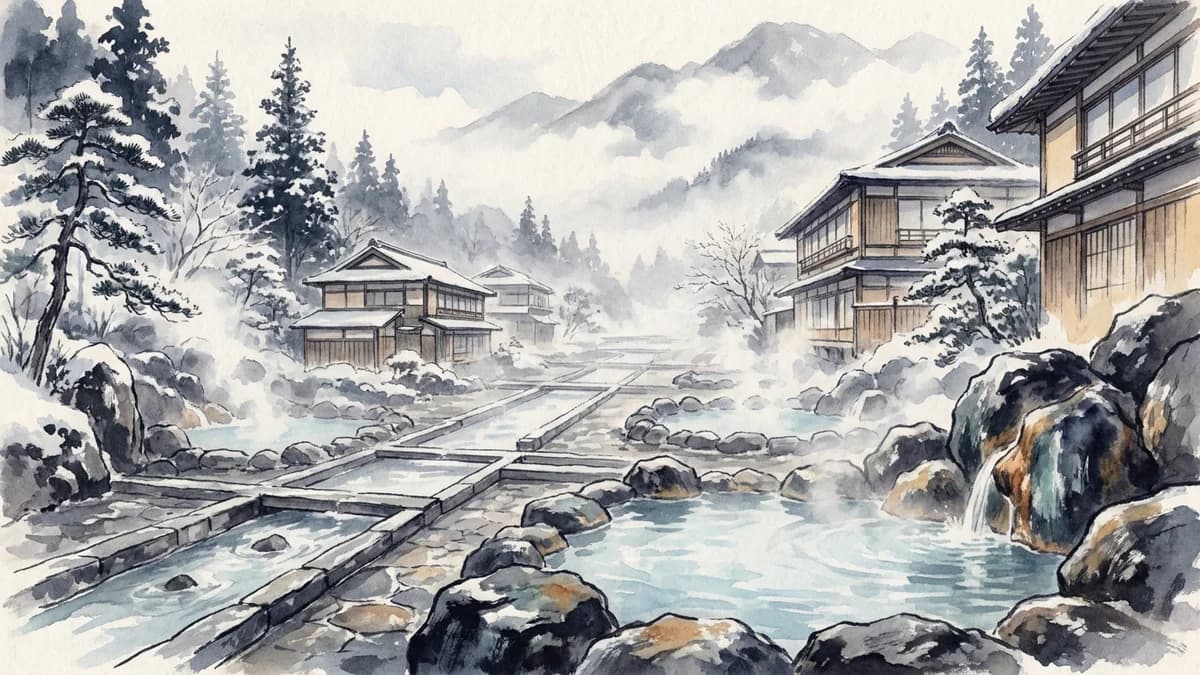
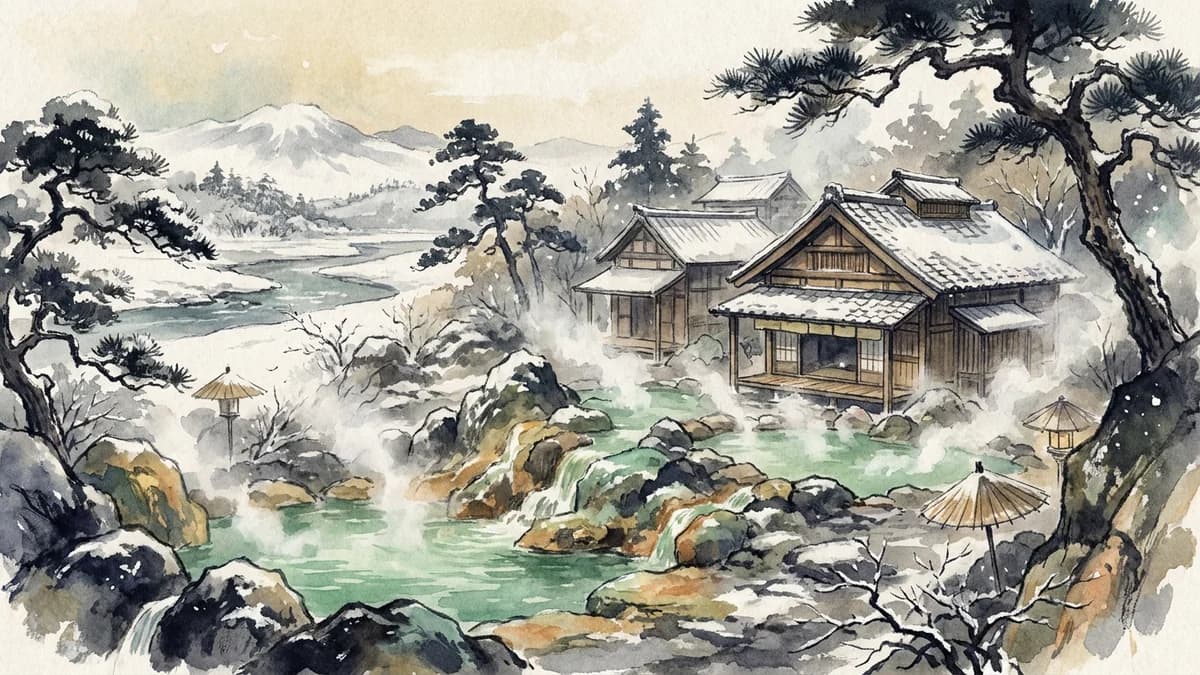
In winter, the area is one of Japan's premier heavy snowfall regions, attracting skiers and snowboarders from home and abroad for its high-quality powder snow. From summer to autumn, it becomes a bustling hub for hiking and trekking in the Myoko-Togakushi Renzan National Park. It is a popular mountain resort where you can enjoy the blessings of nature and hot springs throughout the year.
Key Spring Types and Health Benefits
The charm of Myoko Onsen-go lies in its diversity of spring water. The sulfate and bicarbonate springs, common in areas like Akakura Onsen, are known to improve circulation, relieve pain, and soften the skin, earning them the name "springs for beautiful skin." The sulfur springs of Tsubame and Seki Onsen, with their distinctive aroma and milky-white water, are expected to be effective for lifestyle-related conditions and skin issues.
- CutsThe mineral properties of the water, particularly from sulfate springs, are traditionally associated with minor incisions and abrasions, which are a recognized indication for this spring type.
- Dry skinThe bicarbonate springs in the area have an emulsifying feel that leaves the skin smooth. Meanwhile, sulfate springs are said to help the skin retain moisture, counteracting dryness.
- Sensitivity to coldThe sustained warmth from bathing in the hot spring water helps to heat the body from its core. This improved heat retention and circulation may help alleviate the chronic feeling of coldness, particularly in the hands and feet.
- Rheumatoid arthritis
- Atopic dermatitisThe springs, known as "美肌の湯" (waters for beautiful skin), are traditionally associated with skin conditions. The cleansing feel of bicarbonate springs and moisturizing properties of sulfate springs are said to be beneficial for this condition.
- Diabetes
- Poor gastrointestinal function
Water Characteristics and Best Time to Visit
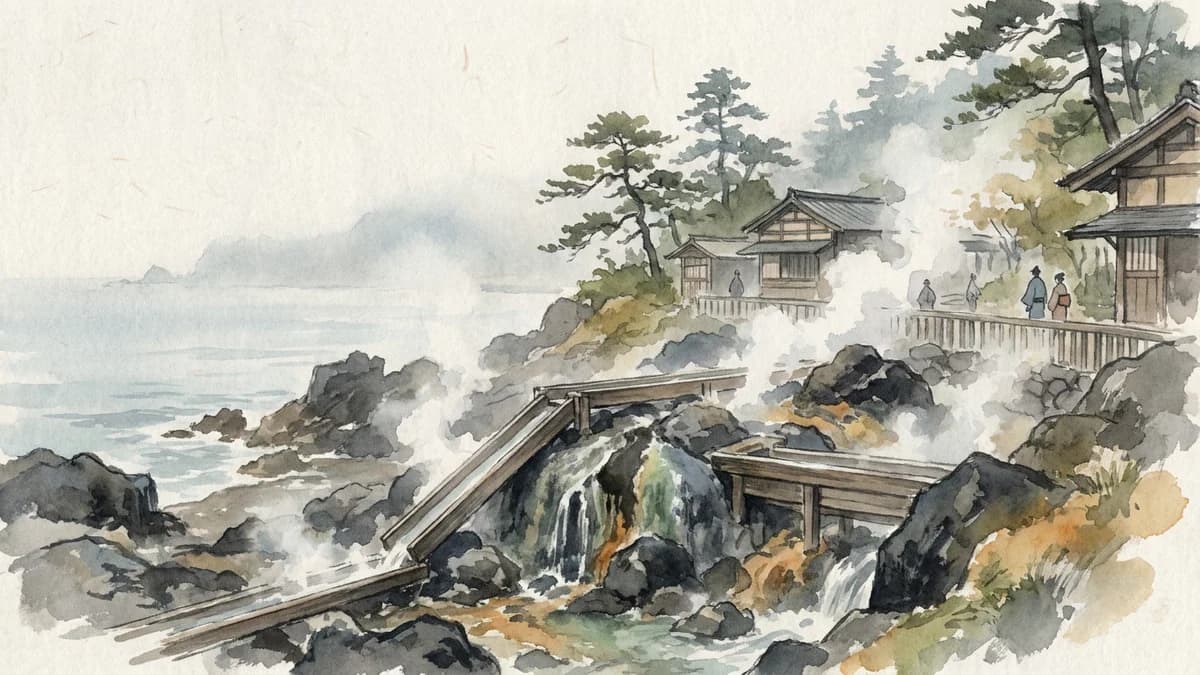
The color of the water varies by location, from clear and colorless to milky white and reddish-brown. The area boasts an abundant supply of hot spring water, and many facilities offer gensen-kakenagashi—fresh, free-flowing water directly from the source. Water temperatures range from hot to moderate, catering to different preferences.
The best season to visit depends on your interests. December to March is ideal for combining winter sports with onsen. June to August, with its fresh greenery and alpine flowers, and late September to October, with stunning autumn foliage, are perfect for a post-hike soak. You can enjoy onsen bathing with beautiful seasonal scenery all year round.
Access
Nearby Sightseeing & Local Cuisine
- Hiking and trekking in Myoko-Togakushi Renzan National Park
- A walk to Naena-taki Falls, one of Japan's top 100 waterfalls
- The reflection of Mt. Myoko in Imori Pond
- Winter sports at Akakura Onsen Ski Area and others
- Kanzuri, a local fermented chili paste
- Sasa-zushi, a regional type of sushi wrapped in bamboo leaves
- Sake from local breweries
- Dishes using highland vegetables and mushrooms
MORE WITH THE SAME SPRING TYPE
Loved the Sulphate Spring of Myoko Onsen-go? Try these too
Picked from onsen across Japan where you can enjoy the same Sulphate Spring.



Q & A
Frequently Asked Questions
Tap any question to expand the answer
Can I narrow down to only inns with a hot-spring analysis in Myoko Onsen-go?
Can I find tattoo-friendly inns with private baths or in-room open-air baths in Myoko Onsen-go?
Onsen towns are often rural with patchy Wi-Fi and limited public transport. Sort out data, tours and a car before you go.
- Japan eSIMAiralo
- Japan eSIMYesim
- Tours, passes & transfersGetYourGuide
- Tours, passes & transfersKKday
- Car rentalDiscover Cars
Includes affiliate links
References
Famous Onsen Areas with Sulphate Spring
Check access and tourist information on each onsen area column
Related Articles