Yunohama Onsen is known for its Chloride Spring; listed indications for this spring type include Skin Beauty, Wound Healing. Choose an inn by spring type, benefits and amenities, and book directly.
See inns in Yunohama OnsenOn this page you can filter Yunohama Onsen inns by spring type, benefits, tattoo-friendly, private bath and in-room open-air bath, and book on each property's Agoda or Rakuten page.
Compare & book inns in Yunohama Onsen
Awaiting analysis(6)
Overview
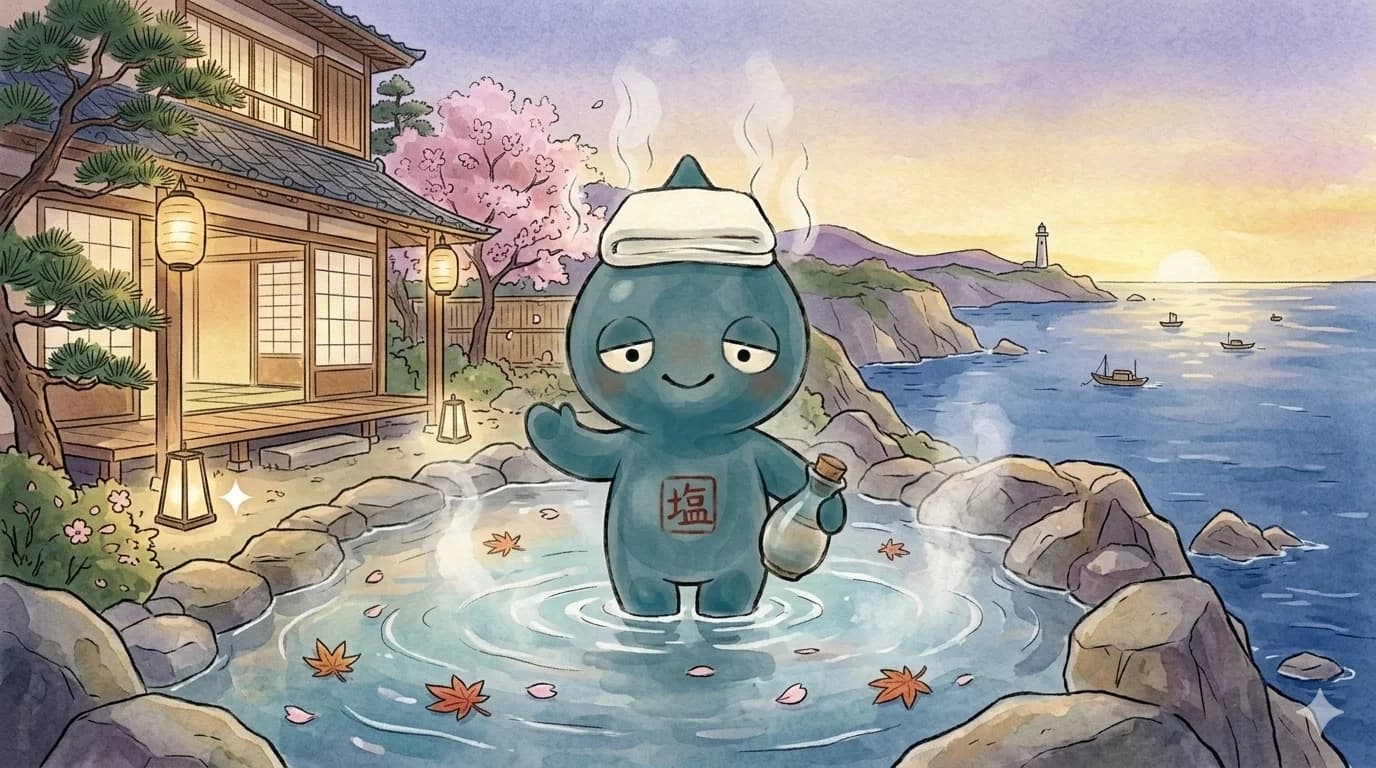
The discovery of Yunohama Onsen is said to date back to the Tenki era (1053-1058) in the mid-Heian period. Legend says it was found when an injured turtle was seen healing its wounds in the water, earning it the name "Kame-no-yu" (Turtle's Bath). Its prime location facing the Sea of Japan is its greatest feature, with many ryokans and hotels offering magnificent ocean views and beautiful sunsets.
The spring water, rich in salt, is called "Atsu-no-yu" (Waters of Warmth) because it keeps the body warm long after bathing. This excellent restorative warmth is believed to help promote blood circulation and relieve daily fatigue and muscle tension. Soaking in the onsen while feeling the sea breeze provides an experience of deep relaxation that liberates both mind and body.
Primary Spring Quality and Indications
The main spring type is a Sodium/Calcium-Chloride spring. Its composition is similar to seawater, and it tastes salty. When you bathe, the salt components adhere to the skin, forming a thin veil that prevents sweat from evaporating, resulting in high heat and moisture retention.
- Sensitivity to coldKnown as a "water of warmth," this spring is prized for its ability to prevent post-bath chills. The salt minerals form a coating on the skin that locks in body heat, providing a lasting warmth that is appreciated by those prone to feeling cold.
- Peripheral circulation disorder
- CutsThe high salt concentration in this chloride spring is thought to have a mild disinfecting effect. This property may help to gently cleanse minor scrapes and promote the body's natural healing process.
- Dry skinThe mineral-rich water forms a thin veil on the skin's surface, which helps to trap moisture. This natural barrier action leaves your skin feeling hydrated and supple long after you leave the bath.
- Rheumatoid arthritis
- Decreased gastrointestinal function
Water Characteristics and Best Season
The source temperature is high, around 55°C (131°F), and the water volume is abundant. Many facilities offer baths with water flowing directly from the source (gensen kakenagashi). The water is clear, colorless, and has a slight salty taste, making it gentle on the skin and suitable for all ages. Summer is perfect for combining beach activities with onsen, while winter offers dramatic views of the rough Sea of Japan and snowy landscapes. The most beautiful time of day, year-round, is dusk, when the sky and sea are painted in brilliant orange.
Access
Nearby Sightseeing & Local Gourmet
- Kamo Aquarium (Jellyfish Dream Theater): Boasts the world's largest variety of jellyfish on display.
- Sunset at Yunohama Beach: A stunning view selected as one of Japan's 100 best sunsets.
- Dewa Sanzan: The three sacred mountains of Haguro, Gassan, and Yudono, a center of mountain worship.
- Sankyo Soko Storehouses: Rice storehouses built in the Meiji era, famed for their beautiful zelkova trees.
- Rice and Sake from the Shonai Plain: Savor the flavors of one of Japan's premier rice-producing regions.
- Winter Seafood: Enjoy local delicacies like winter cod (Dongara-jiru soup), snow crab, and rock oysters.
- Mount Chokai: The symbol of the Shonai region, also known as "Dewa Fuji."
MORE WITH THE SAME SPRING TYPE
Loved the Chloride Spring of Yunohama Onsen? Try these too
Picked from onsen across Japan where you can enjoy the same Chloride Spring.





Q & A
Frequently Asked Questions
Tap any question to expand the answer
Can I narrow down to only inns with a hot-spring analysis in Yunohama Onsen?
Can I find tattoo-friendly inns with private baths or in-room open-air baths in Yunohama Onsen?
Onsen towns are often rural with patchy Wi-Fi and limited public transport. Sort out data, tours and a car before you go.
- Japan eSIMAiralo
- Japan eSIMYesim
- Tours, passes & transfersGetYourGuide
- Tours, passes & transfersKKday
- Car rentalDiscover Cars
Includes affiliate links
References
Famous Onsen Areas with Chloride Spring
Check access and tourist information on each onsen area column
Related Articles