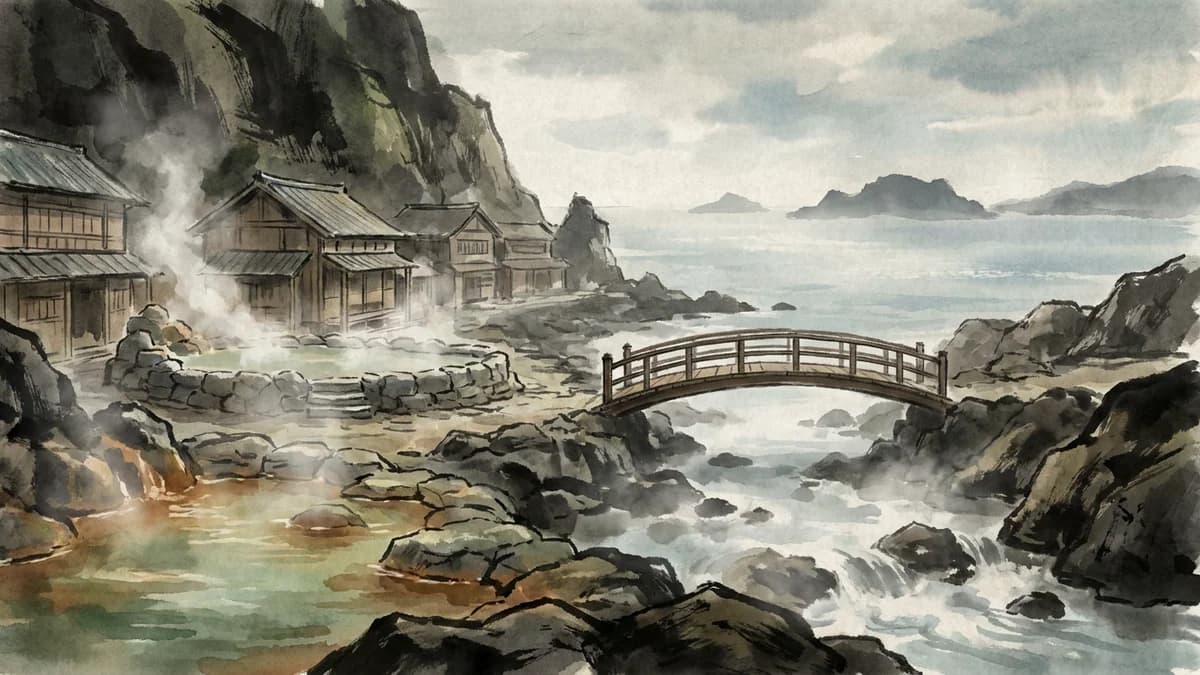
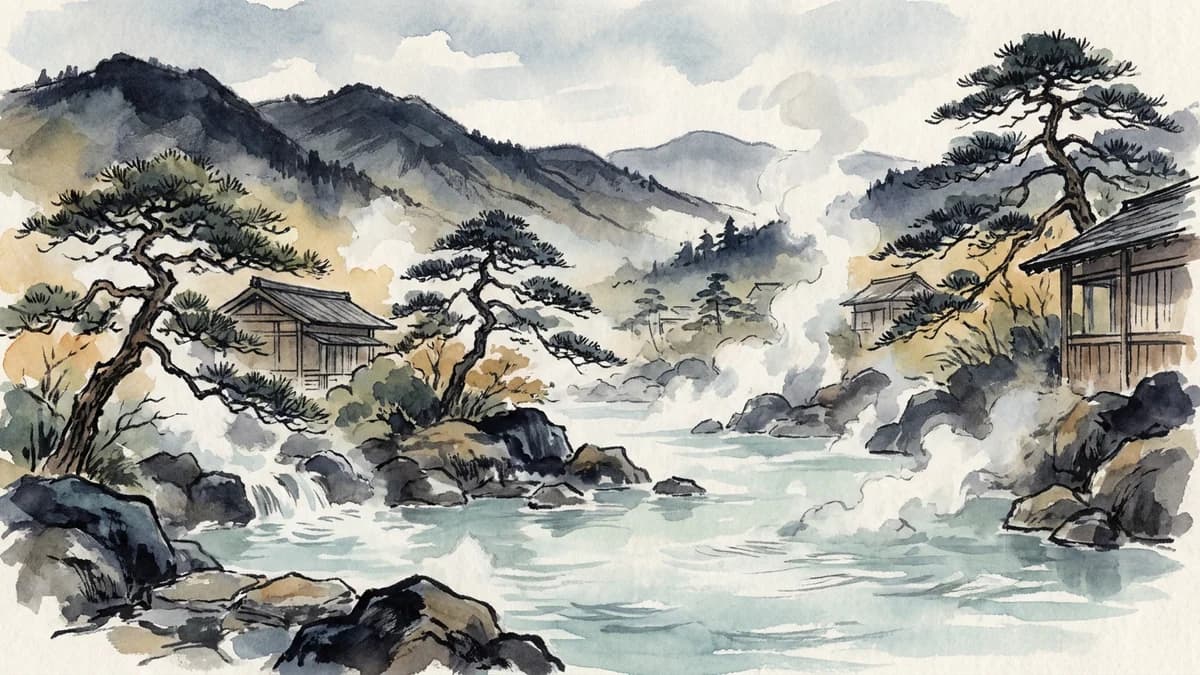
Ginzan Onsen is known for its Sulfur Spring; listed indications for this spring type include Dry Skin / Atopy, Asthma. Choose from 2 inns with a hot-spring analysis on file, filtering by spring type, benefits and amenities, and book directly.
See inns in Ginzan OnsenOn this page you can filter Ginzan Onsen inns by spring type, benefits, tattoo-friendly, private bath and in-room open-air bath, and book on each property's Agoda or Rakuten page.
Compare & book inns in Ginzan Onsen

Awaiting analysis(6)
Overview
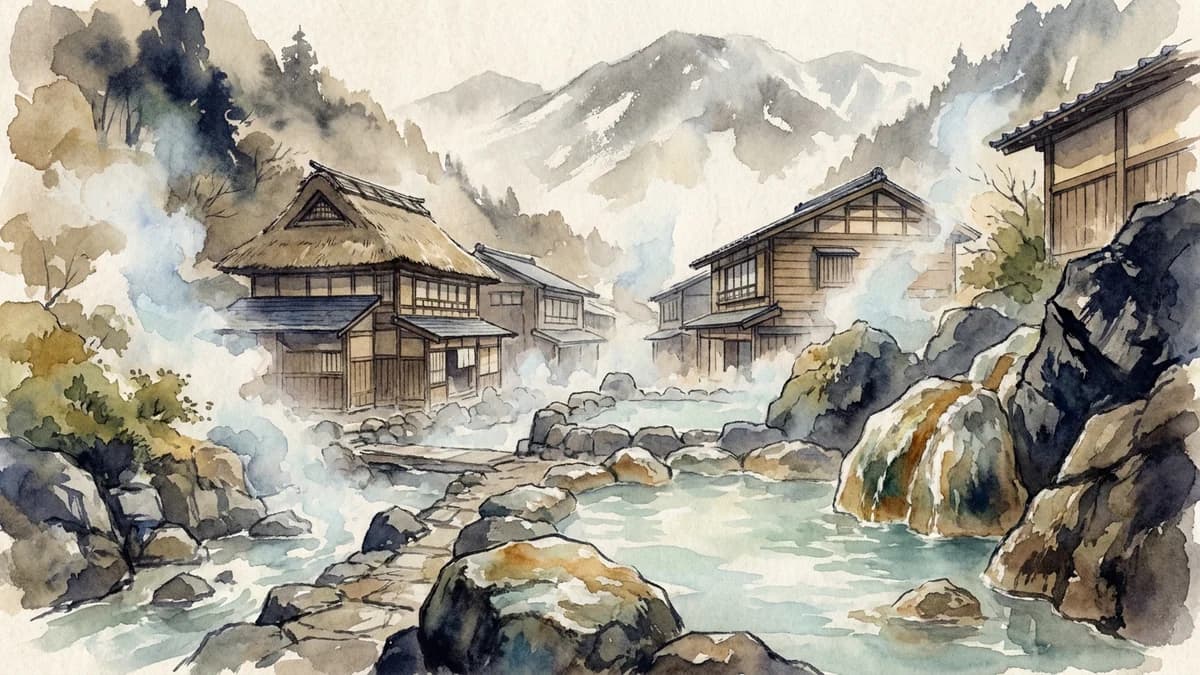
The history of Ginzan Onsen dates back to the discovery of the Nobesawa Silver Mine in the early Edo period. After the mine closed in the mid-Edo period, the area flourished as a 'toji' (hot spring cure) destination. The current townscape was formed by the wooden ryokans built from the late Taisho to the early Showa period.
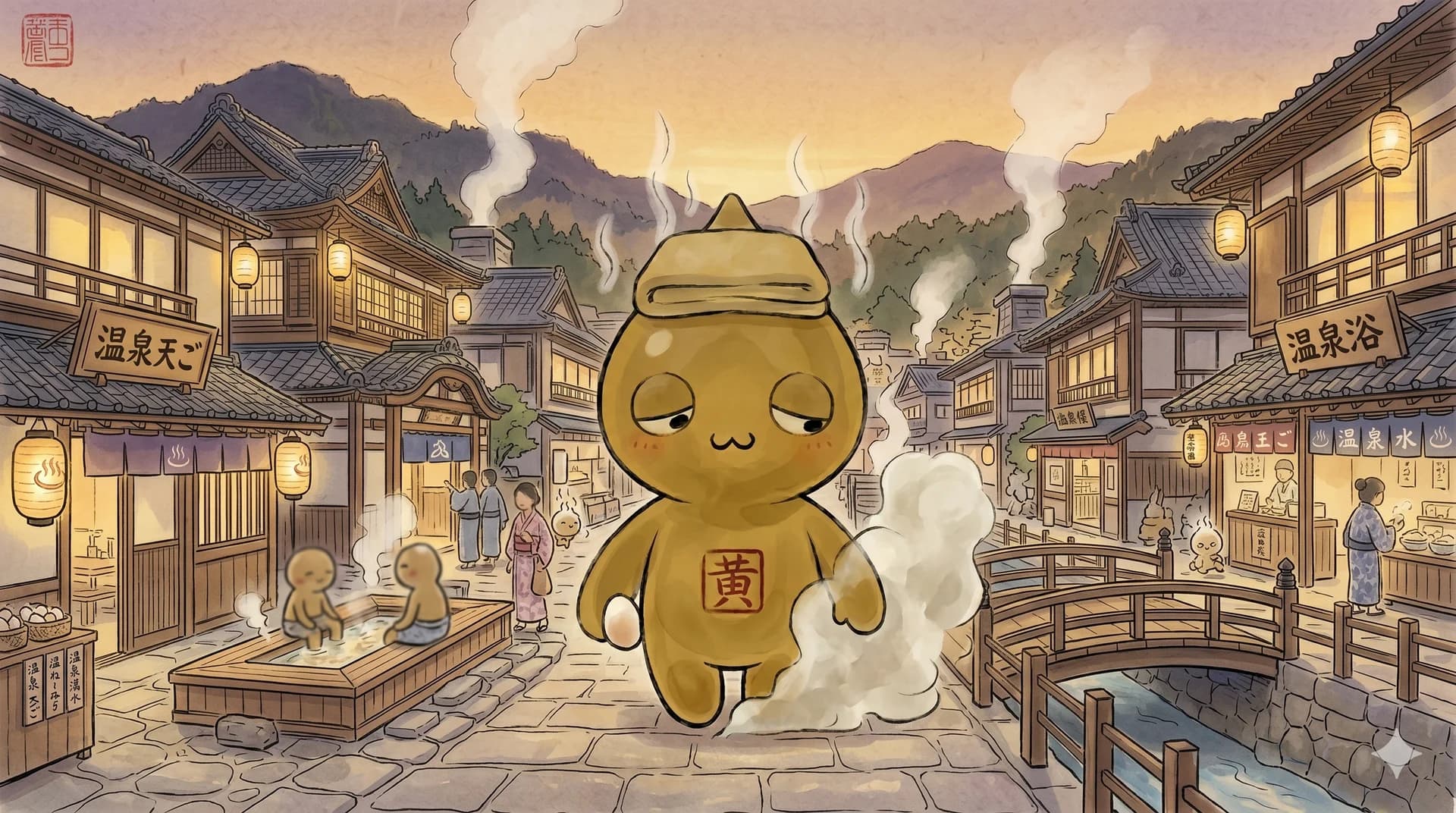
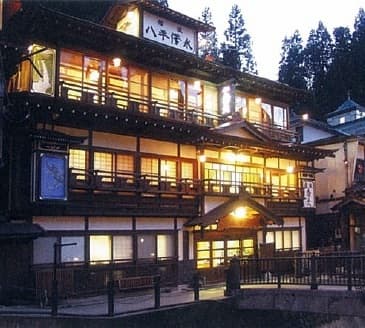
The inns lining both sides of the Ginzan River preserve the 'Taisho Roman' atmosphere, a style that blended Japanese and Western aesthetics. As dusk falls, gas lamps are lit, creating a nostalgic and magical scene. This beautiful town is also famous as a filming location for the popular TV drama "Oshin," attracting visitors from all over the world.
Key Spring Qualities and Benefits
Ginzan Onsen's main spring type is a 'sulfur-containing sodium chloride/sulfate spring.' It has a faint sulfur aroma and slightly milky water. The chloride content creates a thin veil on the skin, which helps retain body heat after bathing, earning it the name 'Atsumari no Yu' (warming waters).
- CutsThe sulfur components in the water are known to have properties that may aid in skin recovery. The chloride elements also form a thin film on the skin, which can help protect minor wounds as they heal.
- Peripheral circulatory disorders
- Sensitivity to coldThanks to its properties as a chloride spring, the water is excellent at retaining heat. This effect warms the body deeply and may provide lasting relief for those who are prone to feeling chronically cold.
- Dry skinThe mineral salts, including chlorides and sulfates, create a fine veil on the skin's surface. This layer helps prevent moisture from evaporating, providing a hydrating effect that is said to soothe dry skin.
- Atopic dermatitis
Water Characteristics and Best Season
The source temperature is high, over 60°C (140°F), so most facilities add cool water to regulate the bath temperature. However, many ryokans also offer 'gensen kakenagashi' baths, where the water flows directly from the source without circulation. The water feels soft on the skin and warms you to the core.
The best time to visit Ginzan Onsen is in winter, when the snow-covered scenery and glowing gas lamps create a truly fantastical atmosphere. The town looks like a painting. In contrast, summer offers vibrant green foliage and the refreshing sound of the river, making it an enjoyable destination year-round.
Access
Nearby Sightseeing & Local Cuisine
- Shirogane Falls: A beautiful 22-meter waterfall located at the back of the onsen town.
- Nobesawa Silver Mine Ruins: Explore the tunnels of the historic silver mine that gave the onsen its name.
- Warashiyu Footbath: A free public footbath located in the center of the town.
- Haikara-san's Curry Bread: A popular deep-fried curry-filled bun, perfect for a walking snack.
- Soba Noodles: Obanazawa City is famous for soba. Enjoy flavorful handmade noodles at a local restaurant.
- Nogawa Tofuya's Tofu: Try warm 'yudofu' (boiled tofu) or 'agedashi' tofu from a beloved local tofu shop.
- Obanazawa Watermelon (Summer only): The area is one of Japan's top watermelon producers. Enjoy sweet, juicy watermelon in the summer.
MORE WITH THE SAME SPRING TYPE
Loved the Sulphur Spring of Ginzan Onsen? Try these too
Picked from onsen across Japan where you can enjoy the same Sulphur Spring.


Q & A
Frequently Asked Questions
Tap any question to expand the answer
Can I narrow down to only inns with a hot-spring analysis in Ginzan Onsen?
Can I find tattoo-friendly inns with private baths or in-room open-air baths in Ginzan Onsen?
Onsen towns are often rural with patchy Wi-Fi and limited public transport. Sort out data, tours and a car before you go.
- Japan eSIMAiralo
- Japan eSIMYesim
- Tours, passes & transfersGetYourGuide
- Tours, passes & transfersKKday
- Car rentalDiscover Cars
Includes affiliate links
References
Famous Onsen Areas with Sulphur Spring
Check access and tourist information on each onsen area column
Related Articles