Hijiori Onsen is known for its Chloride Spring; listed indications for this spring type include Skin Beauty, Wound Healing. Choose an inn by spring type, benefits and amenities, and book directly.
See inns in Hijiori OnsenOn this page you can filter Hijiori Onsen inns by spring type, benefits, tattoo-friendly, private bath and in-room open-air bath, and book on each property's Agoda or Rakuten page.
Compare & book inns in Hijiori Onsen
Awaiting analysis(6)
Overview
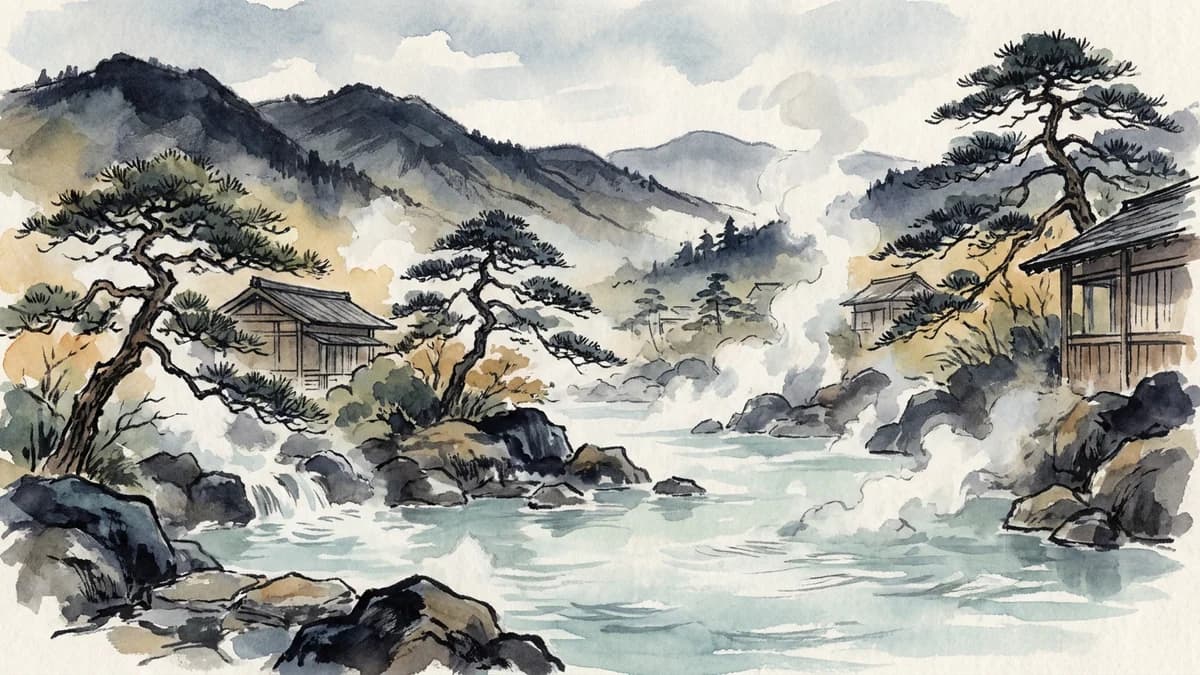
The discovery of Hijiori Onsen dates back to 807 AD. Legend says an old man named Gen'ō, guided by a revelation from the deity Jizō Gongen, found the spring. The name 'Hijiori' (literally 'elbow-breaking') is said to originate from a tale where he healed a broken elbow in these waters, establishing its ancient reputation for treating fractures and injuries.
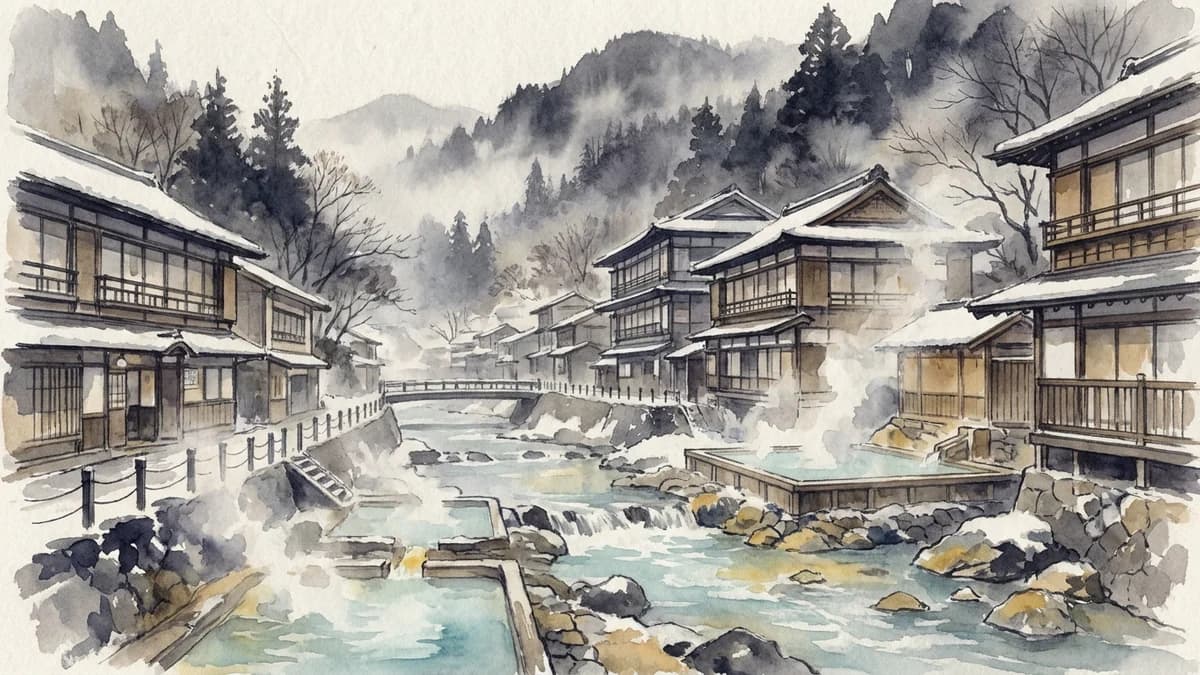
Flourishing as a tōji destination since the Edo period, the town retains its nostalgic charm with traditional wooden inns. Many ryokans offer self-catering facilities for long-stay guests. A highlight is the 'Asaichi' (Morning Market), held daily, where locals sell fresh vegetables, wild mountain plants ('sansai'), and mushrooms. This market is a lively hub for interaction between guests and locals, defining the unique atmosphere of Hijiori.
Signature Spring Qualities & Benefits
The main spring type is a Sodium-Chloride/Bicarbonate spring. Chloride springs are called 'Netsu-no-yu' (heat-retaining waters) as the salt content creates a veil on the skin, preventing body heat from escaping, which may support restorative warmth. Bicarbonate springs are known as 'Bihada-no-yu' (waters for beautiful skin) for their emulsifying effect that cleanses and softens the skin, promoting a silky skin feel. This combination helps to warm the body deeply and leave the skin smooth.
- CutsThe warming properties of the chloride spring are said to improve blood circulation. This enhanced blood flow can help deliver oxygen and nutrients to the affected area, potentially promoting the natural healing process of minor wounds.
- Peripheral circulatory disturbanceAs a "netsu no yu" or "waters of heat," the chloride spring warms the body from its core. This deep-heating effect may help improve blood flow to the extremities, potentially easing issues related to poor circulation.
- Sensitivity to coldThe spring's salt components adhere to the skin, helping to prevent heat from escaping after bathing. This sustained warming effect, a hallmark of "netsu no yu" (waters of heat), may provide lasting relief for those who experience persistent coldness.
- Dry skinThe bicarbonate properties of the water give the skin a soft, smooth feel. This quality, characteristic of a "bihada no yu" (waters for beautiful skin), may help improve the skin's moisture retention.
- Rheumatoid arthritis
- Gastrointestinal hypofunction
Water Characteristics & Best Season
With over 40 source springs, Hijiori Onsen boasts an abundant flow of water. Most inns feature 'gensen kakenagashi'—baths filled with fresh, free-flowing water directly from the source. The water temperature is relatively high but is adjusted for comfortable bathing. Each season offers a unique charm: wild vegetables in spring, cool mountain air in summer, vibrant foliage in autumn, and a magical landscape walled by snow over three meters high in winter. For a quiet, immersive tōji experience, a winter stay is exceptional.
Access
Nearby Attractions & Local Cuisine
- Hijiori Morning Market: A signature feature of the onsen town, open daily from spring to autumn.
- Jizō-kura: The legendary site of the onsen's discovery, offering stunning cliff-top views.
- Kogane Onsen (Caldera Onsen-kan): A nearby spring in the Hijiori area, famous for its brownish, iron-rich water.
- Komatsubuchi Gorge: A beautiful gorge formed by the clear waters of the Dozan River.
- Mount Gassan: One of Japan's 100 Famous Mountains, known for summer skiing and alpine flora. Hijiori is a trailhead.
- Sansai Ryori (Wild Vegetable Cuisine): Enjoy fresh, seasonal mountain vegetables as tempura or boiled dishes in spring.
- Soba Noodles: Try Yamagata's famous 'ita-soba' or handmade soba from local buckwheat.
- Dadacha-mame (Summer): A specialty edamame from the nearby Tsuruoka area, known for its rich flavor.
MORE WITH THE SAME SPRING TYPE
Loved the Chloride Spring of Hijiori Onsen? Try these too
Picked from onsen across Japan where you can enjoy the same Chloride Spring.



Q & A
Frequently Asked Questions
Tap any question to expand the answer
Can I narrow down to only inns with a hot-spring analysis in Hijiori Onsen?
Can I find tattoo-friendly inns with private baths or in-room open-air baths in Hijiori Onsen?
Onsen towns are often rural with patchy Wi-Fi and limited public transport. Sort out data, tours and a car before you go.
- Japan eSIMAiralo
- Japan eSIMYesim
- Tours, passes & transfersGetYourGuide
- Tours, passes & transfersKKday
- Car rentalDiscover Cars
Includes affiliate links
References
Famous Onsen Areas with Chloride Spring
Check access and tourist information on each onsen area column
Related Articles