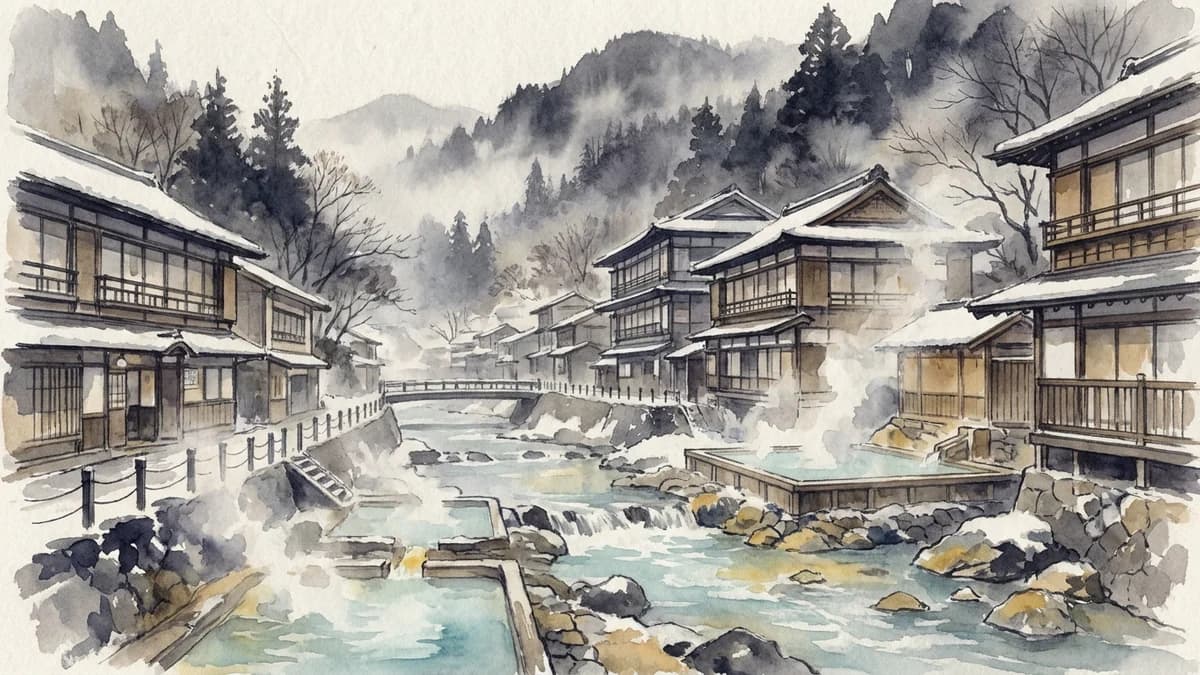
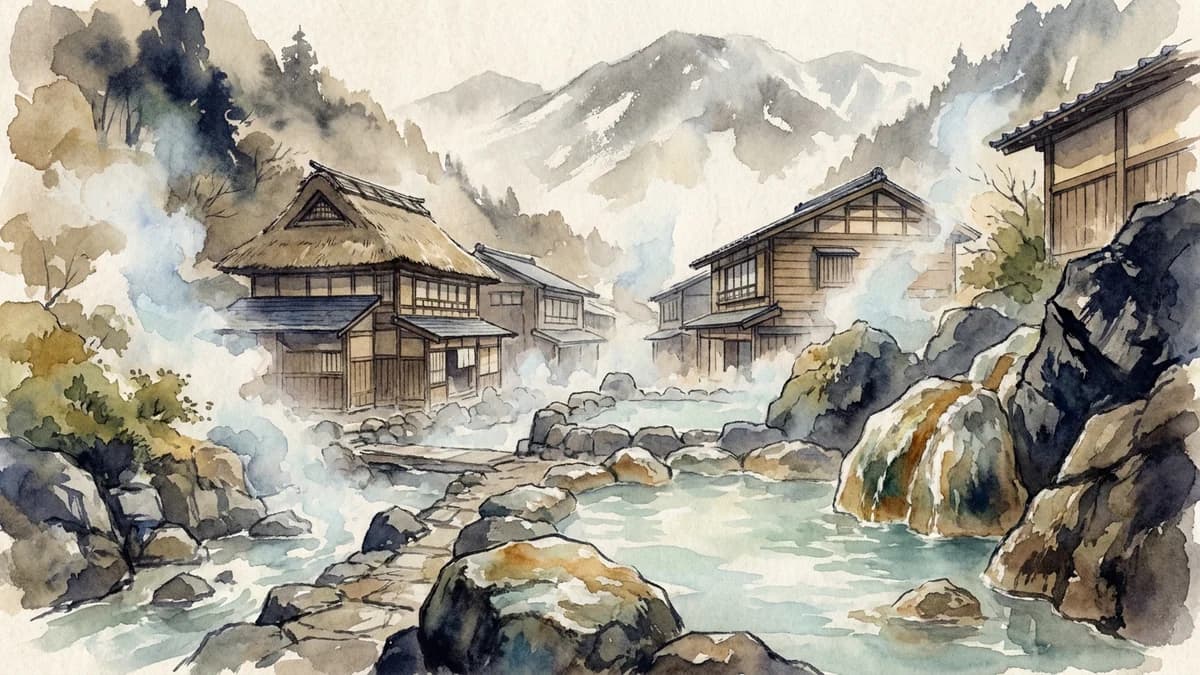
Zao Onsen is known for its Acidic Spring; listed indications for this spring type include Dry Skin / Atopy. Choose an inn by spring type, benefits and amenities, and book directly.
See inns in Zao OnsenOn this page you can filter Zao Onsen inns by spring type, benefits, tattoo-friendly, private bath and in-room open-air bath, and book on each property's Agoda or Rakuten page.
Compare & book inns in Zao Onsen
Awaiting analysis(19)
Overview
The history of Zao Onsen dates back to 110 AD, when it was said to be discovered by Kibi no Tagayu, an attendant of the legendary Prince Yamato Takeru during his eastern expedition. For over 1,900 years, it has served as a therapeutic hot spring resort, healing countless visitors.
Its spring water is one of Japan's most prominent strongly acidic sulfur springs. Known for "whitening the skin" and as a "bath for creating beauty," it has long been affectionately called the "Hime-no-yu" (Princess's Bath). It is believed to have a beautifying effect by gently dissolving old skin cells and promoting skin renewal. The area also thrives as a ski resort in winter, with its natural art form, the "Juhyo" (Snow Monsters), captivating tourists from around the world.
Key Spring Qualities and Indications
The water at Zao Onsen is a sulfur spring characterized by its strong acidity, with a pH level between 1.3 and 1.6. This quality gives it excellent sterilizing properties and a peeling effect that removes old skin cells, which is said to stimulate skin regeneration. The sulfur content also helps to improve blood circulation, providing a deep, lasting warmth.
- Atopic dermatitisThe water's reputed bactericidal effect, derived from its strong acidity and sulfur, may help manage skin conditions. It is said to reduce surface bacteria, and atopic dermatitis is listed among the indications for acidic and sulfur springs.
- Psoriasis vulgarisThe sulfur in the water is said to soften the skin's surface, and psoriasis is listed among the indications for sulfur and acidic springs. Additionally, its disinfecting properties may help prevent secondary infections.
- Chronic eczemaThe acidic, sulfurous water is said to have a strong bactericidal action, and chronic eczema is listed among the indications for sulfur springs.
- CutsThe spring's strong acidity and sulfur content provide a powerful bactericidal effect. This quality may help disinfect minor wounds and promote the healing of small cuts by keeping the skin clean.
- Sensitivity to coldThe high temperature of the spring water warms the body deeply and promotes overall blood circulation. This sustained warmth from the core is especially appreciated by those who feel the cold.
- Impaired glucose tolerance (Diabetes)
Water Characteristics and Best Season to Visit
The milky white water with its distinct sulfur aroma can be enjoyed at many facilities, often flowing directly from the source (gensen kakenagashi). The strong acidity may cause a tingling sensation on the skin, which is a testament to its potency. While you'll feel refreshed after bathing, the improved circulation helps prevent post-bath chills. Be sure to remove any metal accessories before bathing, as they may tarnish.
Zao Onsen is a year-round destination. Winter (December-February) is the highlight for skiing and viewing the "Snow Monsters." From summer to autumn (June-October), it's perfect for hiking amid fresh greenery or autumn colors and enjoying the famous Zao Dai-Rotemburo (large open-air bath) for a feeling of unity with nature.
Access
Nearby Sightseeing and Local Cuisine
- Zao's Juhyo (Snow Monsters): A natural work of art visible only in winter.
- Zao Ropeway: Enjoy aerial views of the Snow Monster fields and autumn foliage.
- Okama Crater: A mystical crater lake with emerald green water.
- Zao Dai-Rotemburo: A large open-air bath nestled in nature along a mountain stream (closed in winter).
- Jingisukan (Genghis Khan): Zao's specialty grilled mutton dish.
- Tama Konnyaku: A Yamagata soul food of konjac balls simmered in a soy-based broth.
- Iga Mochi: A cute rice cake with red bean paste filling, wrapped in bamboo leaves.
MORE WITH THE SAME SPRING TYPE
Loved the Acidic Spring of Zao Onsen? Try these too
Picked from onsen across Japan where you can enjoy the same Acidic Spring.




Q & A
Frequently Asked Questions
Tap any question to expand the answer
Can I narrow down to only inns with a hot-spring analysis in Zao Onsen?
Can I find tattoo-friendly inns with private baths or in-room open-air baths in Zao Onsen?
Onsen towns are often rural with patchy Wi-Fi and limited public transport. Sort out data, tours and a car before you go.
- Japan eSIMAiralo
- Japan eSIMYesim
- Tours, passes & transfersGetYourGuide
- Tours, passes & transfersKKday
- Car rentalDiscover Cars
Includes affiliate links
References
Famous Onsen Areas with Acidic Spring
Check access and tourist information on each onsen area column
Related Articles