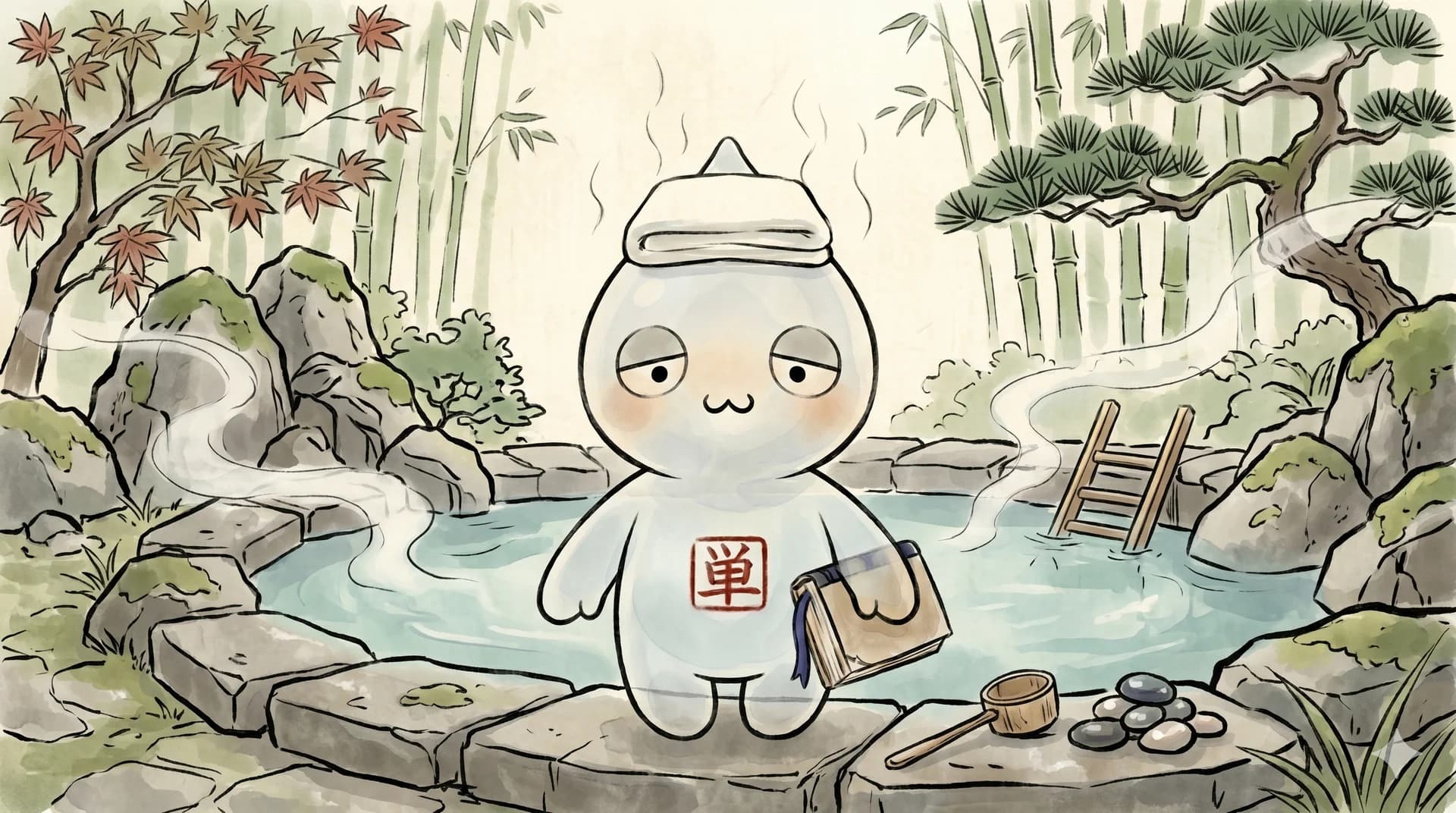
Rendaiji Onsen is known for its Simple Hot Spring; listed indications for this spring type include Fatigue, Insomnia. Choose an inn by spring type, benefits and amenities, and book directly.
See inns in Rendaiji OnsenOn this page you can filter Rendaiji Onsen inns by spring type, benefits, tattoo-friendly, private bath and in-room open-air bath, and book on each property's Agoda or Rakuten page.
Compare & book inns in Rendaiji Onsen
Awaiting analysis(1)
Overview
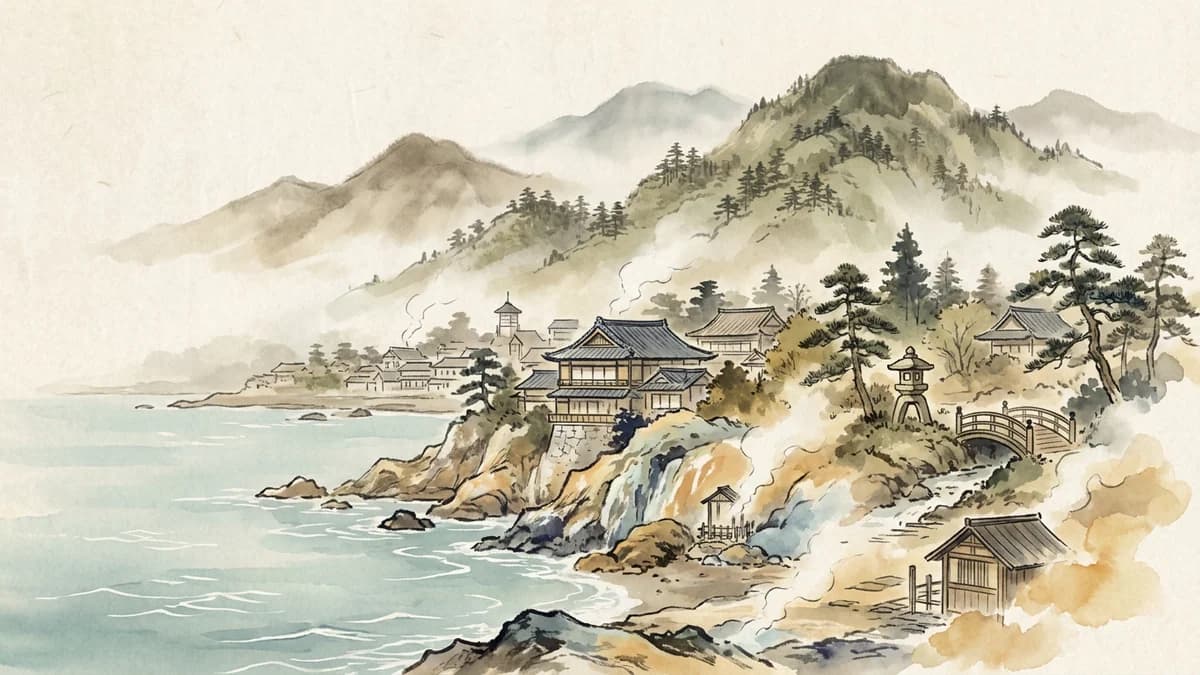
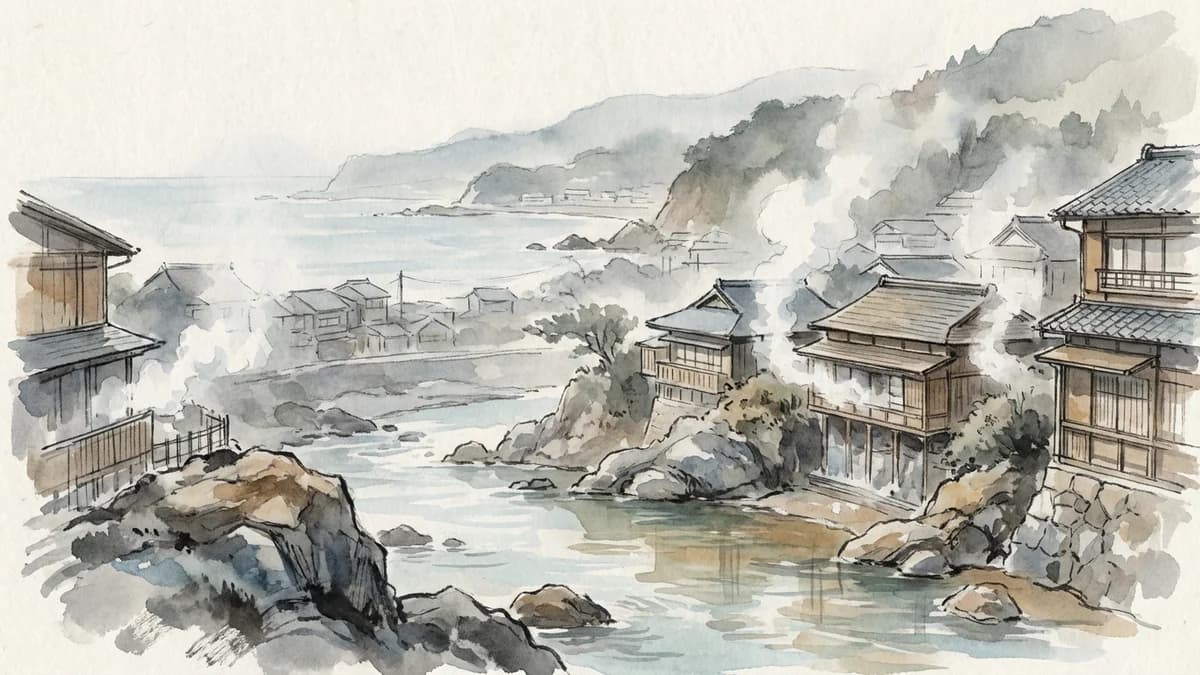
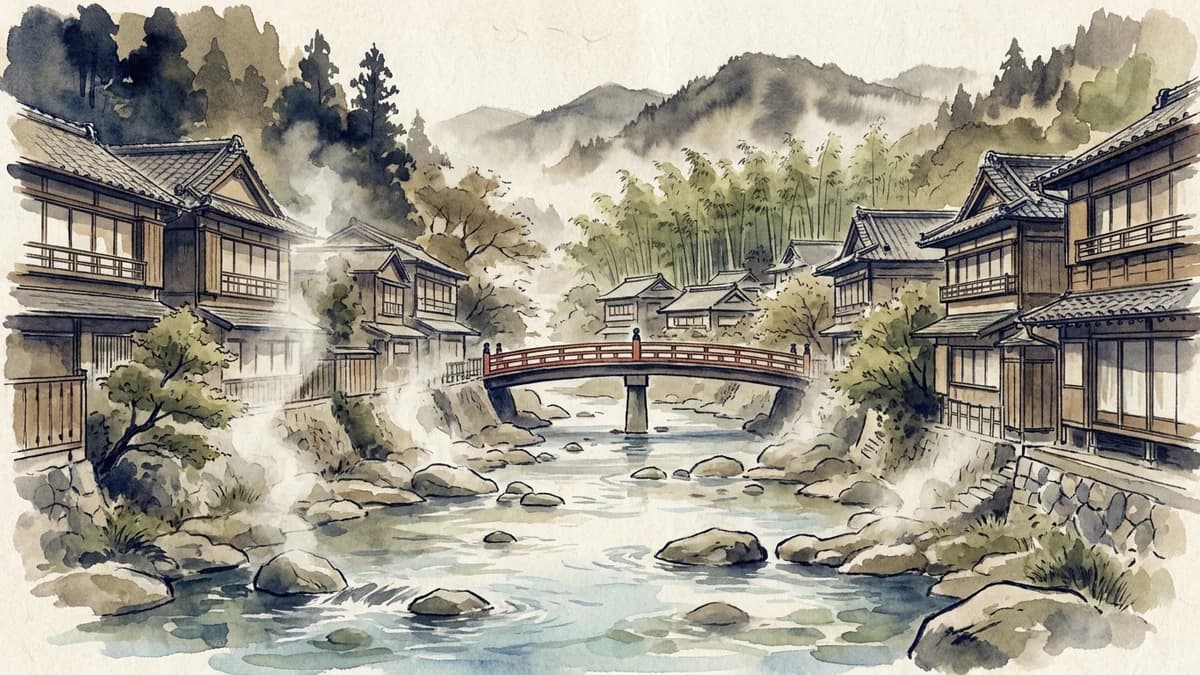
Rendaiji Onsen is a historic hot spring area in Shimoda, Shizuoka Prefecture. Its origins are ancient, with legends stating it was discovered by the Nara-period high priest Gyoki, beginning with the 'Daishi-no-yu' bath. In the late Edo period, it's said that Townsend Harris, the first American Consul General to Japan stationed in Shimoda, also visited for therapeutic bathing.
The onsen facilities are scattered around Rendaiji Station on the Izu Kyuko Line, creating a calm and peaceful atmosphere. A key feature is the abundant flow of hot water, allowing many establishments to offer free-flowing, fresh-from-the-source baths. Its convenient access to Shimoda's town center and beautiful beaches makes it ideal for a stay combining historical exploration and onsen relaxation.
Signature Spring Qualities & Benefits
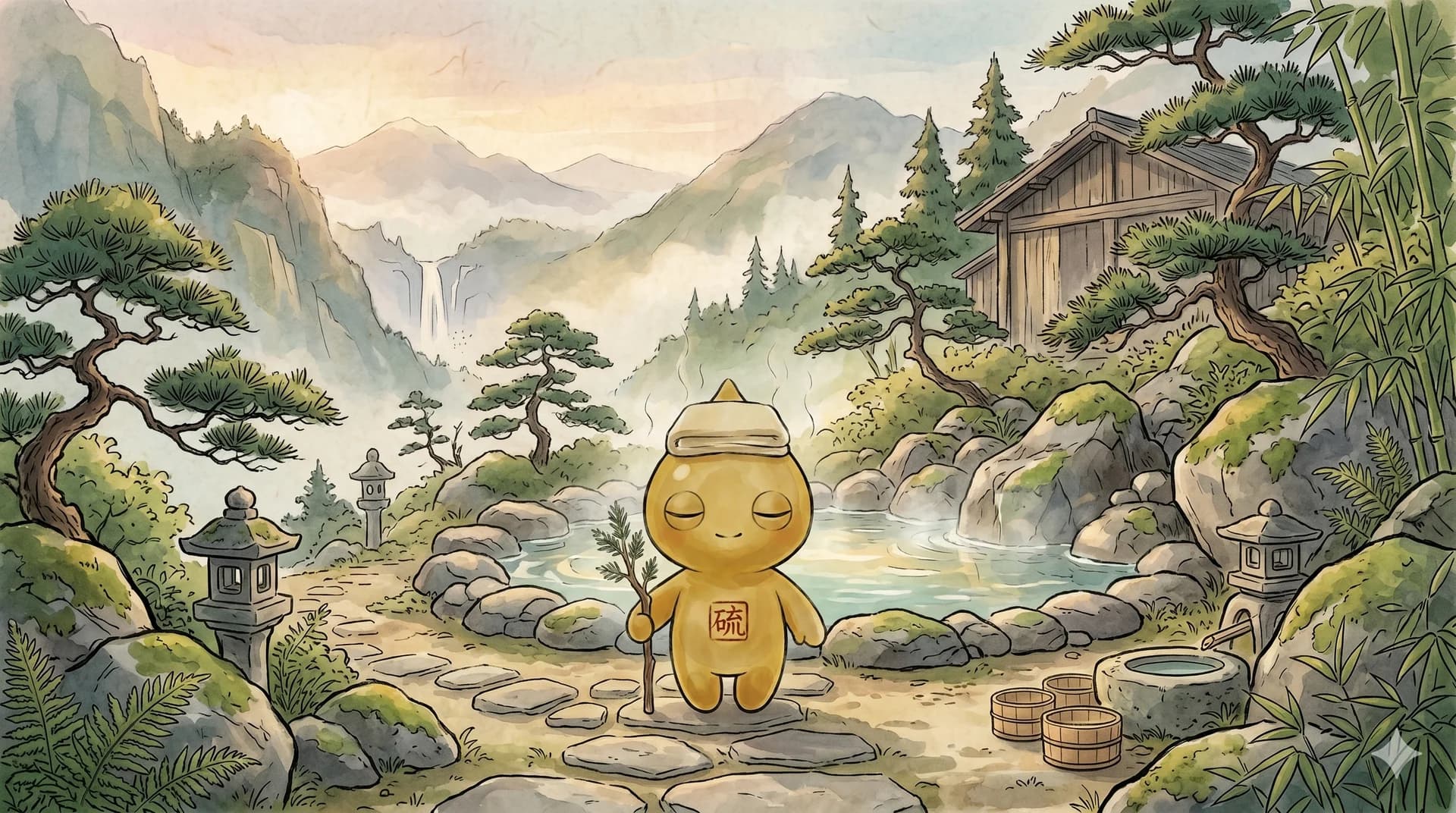
The water is primarily a 'Simple thermal spring' (Tanjun Onsen), which is colorless, tasteless, and odorless. It's gentle on the skin, making it suitable for everyone from children to the elderly. Some facilities also contain 'Sulfate spring' (Ryusan-en) qualities, which may help improve blood circulation and aid in healing cuts.
- Autonomic instabilityThe gentle, non-irritating properties of a Simple Onsen can help soothe the nervous system. Soaking in the warm, soft water promotes deep relaxation, which may assist in restoring balance to the body's autonomic functions and easing stress-related symptoms.
- InsomniaBathing in the warm, gentle waters can help calm both the mind and body, preparing it for rest. The relaxing effect of the Simple Onsen, combined with a slight increase and subsequent drop in body temperature after bathing, may help regulate sleep patterns.
- Depressive states
- CutsThe gentle and non-irritating qualities of the Simple Onsen make it suitable for bathing with minor skin injuries. The clean, warm water is said to promote local blood circulation and support the body's natural recovery from superficial wounds.
- Peripheral circulatory disturbanceSoaking in the hot, abundant spring water helps to widen blood vessels, a process known as vasodilation. This thermal effect directly stimulates blood flow, which may help alleviate symptoms associated with poor circulation in the body's extremities.
- Sensitivity to coldThe high-temperature source water effectively warms the body to its core. This thermal effect improves blood circulation throughout the body, which may provide lasting relief for those who often feel cold, particularly in their hands and feet.
- Dry skinWhile the primary spring type is gentle, some sources at Rendaiji contain sulfate components. These minerals are said to help the skin retain moisture, forming a light veil that leaves the skin feeling soft and hydrated after bathing.
Water Characteristics & Best Season
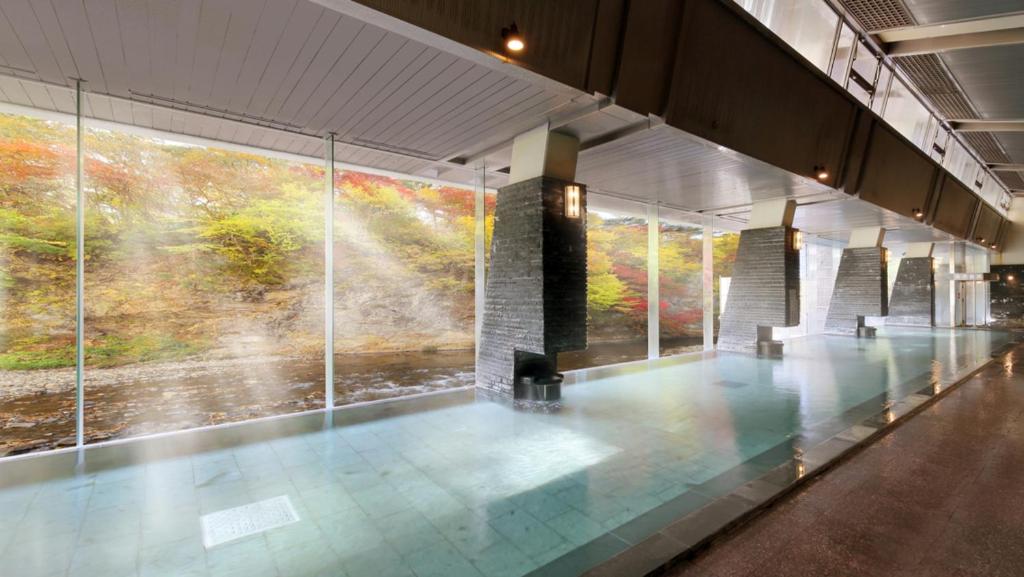
The source temperature at Rendaiji Onsen is relatively high, around 50°C (122°F), but it is adjusted to a comfortable temperature at each facility. Due to the very abundant water volume, many ryokans and public baths offer fresh, free-flowing spring water (gensen kakenagashi). The soft, non-irritating water is perfect for long, relaxing soaks.
Located on the temperate Izu Peninsula, the area is pleasant year-round. The autumn and winter months are particularly recommended, as the smaller crowds allow for a quiet and focused therapeutic stay. Even in winter, you can enjoy the mild climate and warm up from the core in the hot springs.
Access
Nearby Sightseeing & Local Cuisine
- Shimoda Town & Perry Road: Stroll along cobblestone streets steeped in the history of Japan's opening.
- Shimoda Floating Aquarium: A unique aquarium built in a natural cove.
- Mt. Nesugata Ropeway: Offers panoramic views of Shimoda Port and the town.A short cable car ride takes you to the summit for a breathtaking, unobstructed view of Shimoda's harbor, the city, and the Izu Islands on clear days. The mountaintop park also features seasonal flowers and a temple associated with matchmaking.
- Shirahama Ohama Beach: One of Izu's most famous and beautiful white sand beaches.
- Kinmedai (Alfonsino) Cuisine: A Shimoda specialty, enjoy it simmered or as sashimi.
- Aji no Himono (Dried Horse Mackerel): A flavorful dried fish made with traditional Izu methods.
- New Summer Orange: A refreshing citrus fruit in season in early summer.
MORE WITH THE SAME SPRING TYPE
Loved the Simple Spring of Rendaiji Onsen? Try these too
Picked from onsen across Japan where you can enjoy the same Simple Spring.


Q & A
Frequently Asked Questions
Tap any question to expand the answer
Can I narrow down to only inns with a hot-spring analysis in Rendaiji Onsen?
Can I find tattoo-friendly inns with private baths or in-room open-air baths in Rendaiji Onsen?
Onsen towns are often rural with patchy Wi-Fi and limited public transport. Sort out data, tours and a car before you go.
- Japan eSIMAiralo
- Japan eSIMYesim
- Tours, passes & transfersGetYourGuide
- Tours, passes & transfersKKday
- Car rentalDiscover Cars
Includes affiliate links
References
Famous Onsen Areas with Simple Spring
Check access and tourist information on each onsen area column
Related Articles