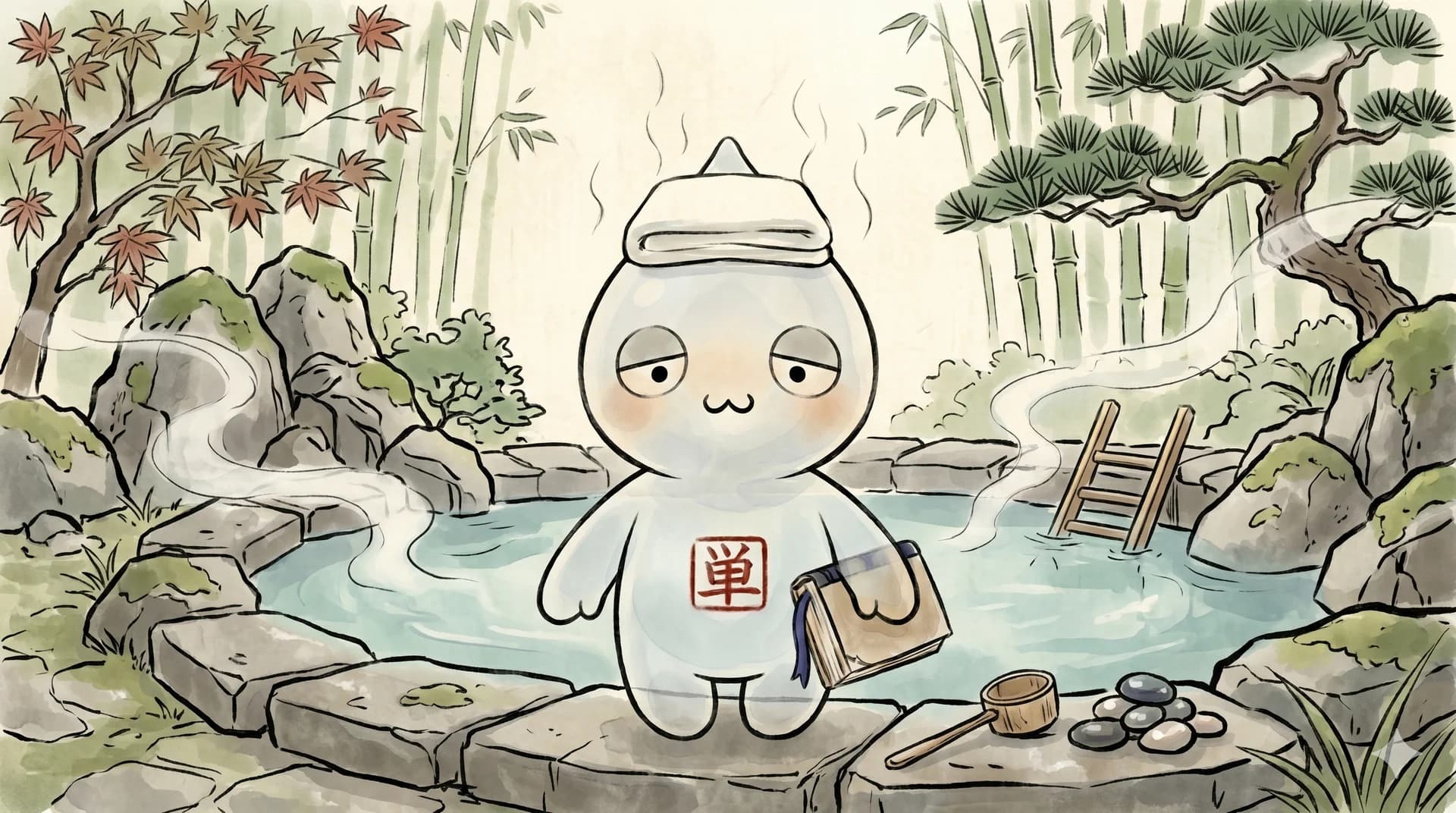
Tsuetate Onsen is known for its Simple Hot Spring; listed indications for this spring type include Fatigue, Insomnia. Choose an inn by spring type, benefits and amenities, and book directly.
See inns in Tsuetate OnsenOn this page you can filter Tsuetate Onsen inns by spring type, benefits, tattoo-friendly, private bath and in-room open-air bath, and book on each property's Agoda or Rakuten page.
Compare & book inns in Tsuetate Onsen
Awaiting analysis(13)
Overview
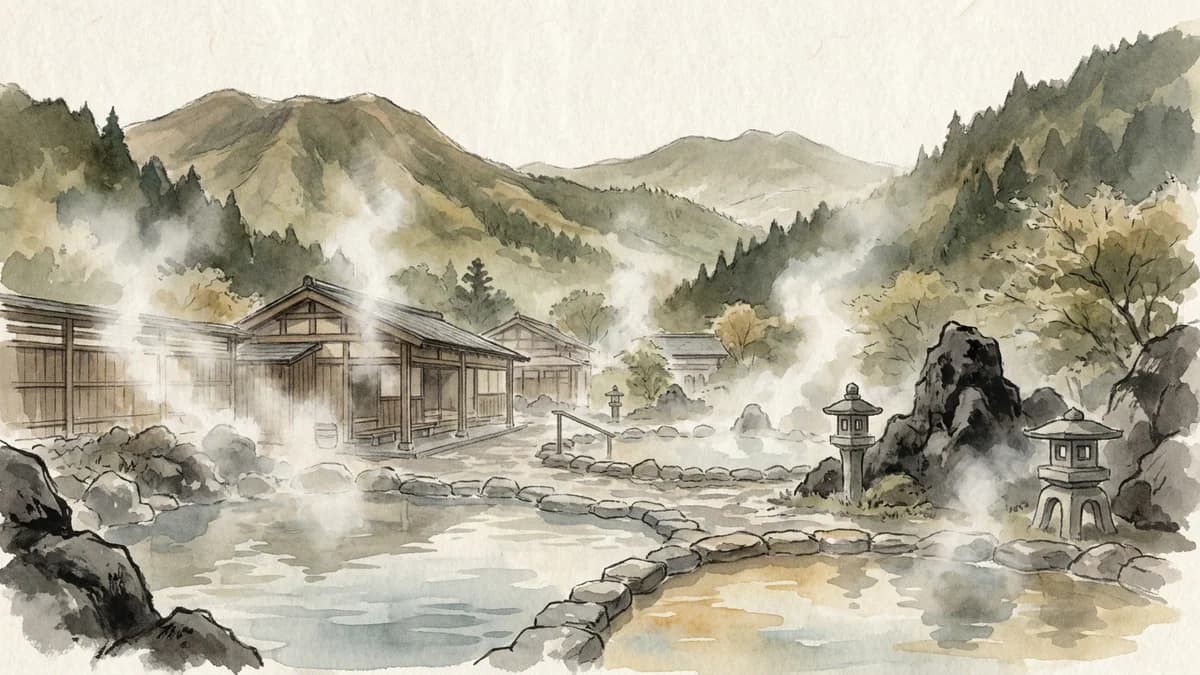
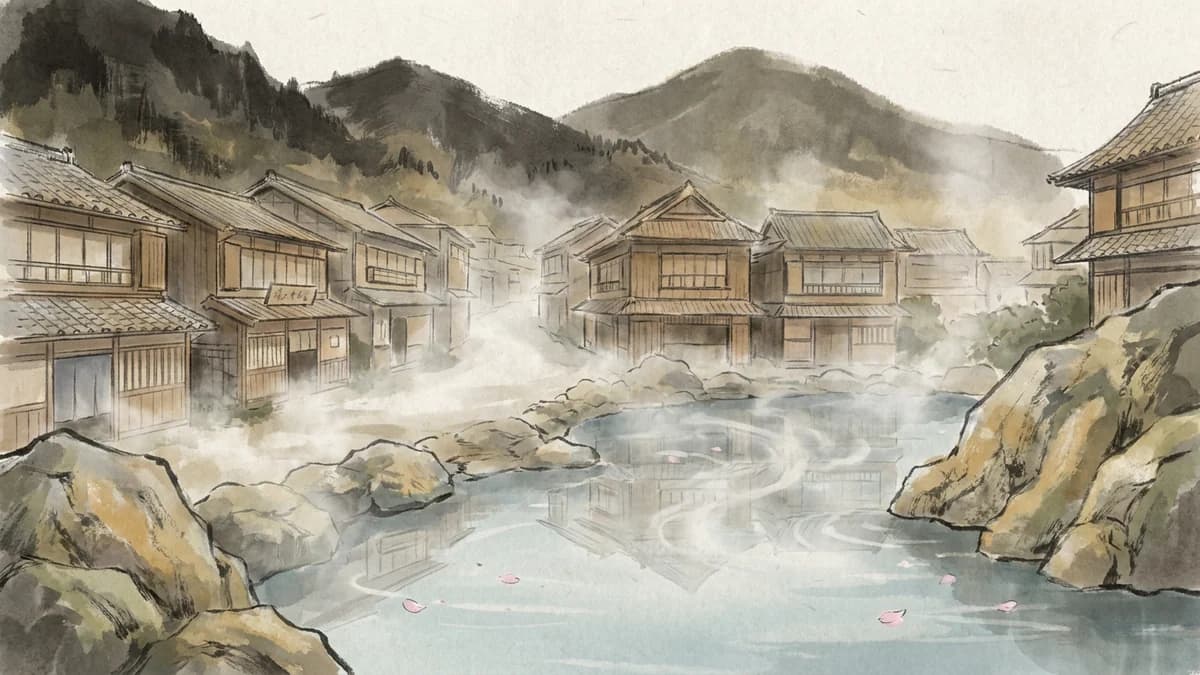
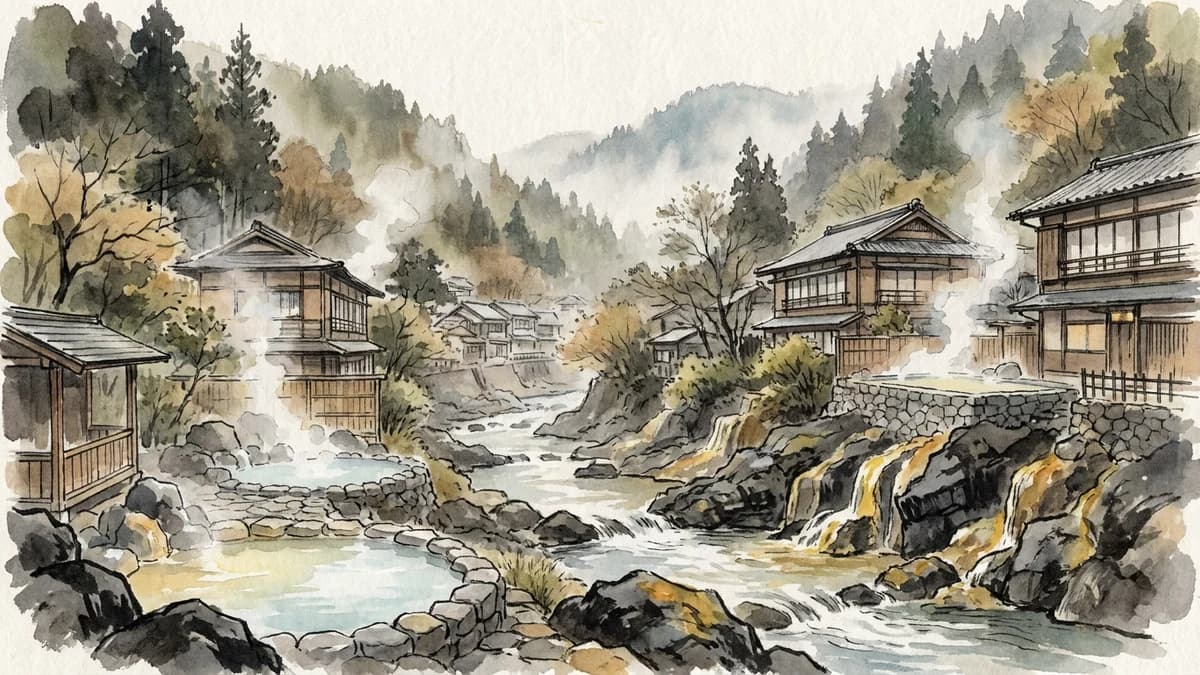
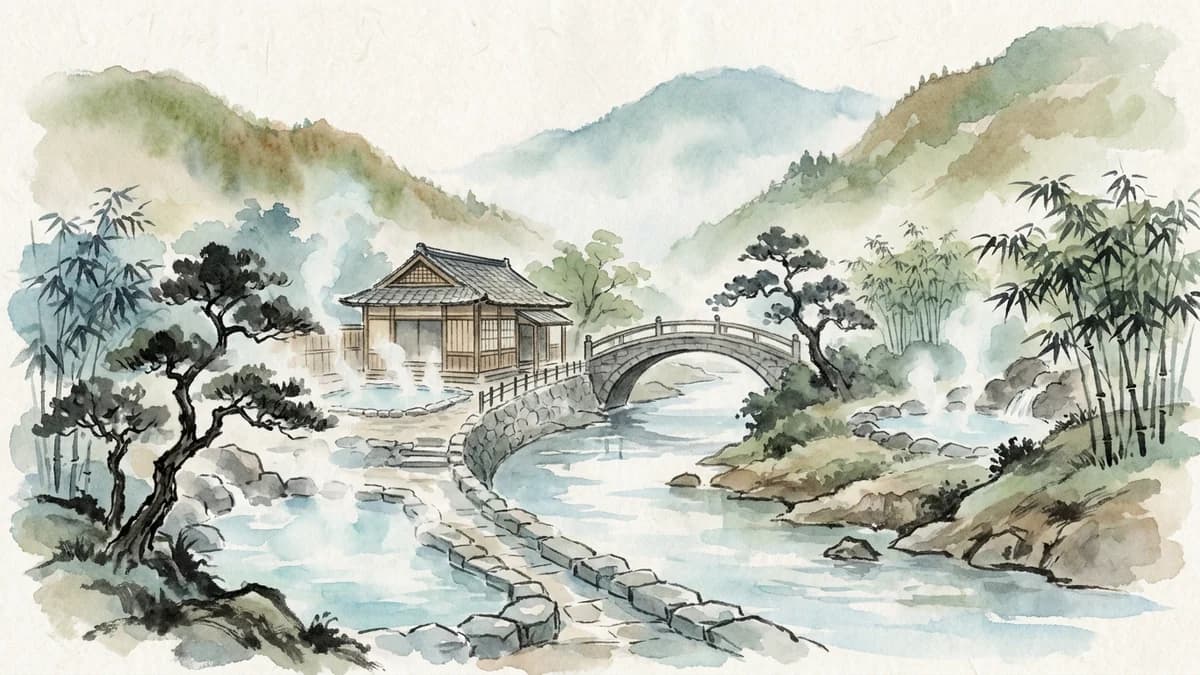
Tsuetate Onsen is a hot spring resort located in Oguni, Kumamoto, along the Tsuetate River that marks the border with Oita Prefecture. With a fabled history stretching back 1,800 years, it is said that Empress Jingu used its waters for the first bath of her son, Emperor Ojin. The town is lined with ryokans and hotels on both sides of the river, with rising steam creating a picturesque and atmospheric landscape.
The name "Tsuetate" means "to stand a cane." One legend claims that when the great monk Kobo Daishi placed his bamboo staff in the ground here, it sprouted leaves. Another popular story tells of how visitors, cured of their ailments by the potent waters, would leave their walking canes behind. The town also features narrow back alleys called "Sedoya," which retain a nostalgic Showa-era atmosphere perfect for a leisurely stroll.
Primary Spring Qualities and Indications
The waters of Tsuetate Onsen are primarily weakly alkaline simple thermal springs, which are gentle on the skin. This clear, colorless, and soft water is suitable for everyone. It also contains chloride, which coats the skin with a thin film of salt after bathing, helping to retain body heat and prevent post-bath chills, earning it the nickname "Netsu no Yu" (warming waters).
- Autonomic instability
- Insomnia
- Sensitivity to coldKnown as 'Atatamari no Yu' or 'warming water,' the spring's salt content forms a coating on the skin that helps retain body heat long after bathing. This lasting warmth is particularly appreciated by those who are sensitive to cold, which is listed among the indications for chloride springs.
- CutsThe salt components in this chloride spring are said to have a mild cleansing effect. Bathing in these waters may help soothe and support the natural healing of minor skin abrasions and cuts.
- Dry skinThe mineral-rich water is renowned for its moisturizing properties, earning it the name 'Bihada no Yu' or 'beauty skin water.' The salt components create a fine layer on the skin, which helps to lock in moisture and leaves the skin feeling hydrated.
Water Characteristics and Best Season
The source temperature is extremely high at around 98°C (208°F), so most facilities add cool water to achieve a comfortable bathing temperature. However, many establishments take advantage of the abundant flow to offer baths fed directly from the source (gensen kakenagashi). A specialty of Tsuetate is the "mushiyu," a natural steam sauna that uses this high-temperature steam. It allows you to absorb the hot spring's benefits throughout your body and may promote detoxification through perspiration.
While enjoyable year-round, the spring season (April to early May) is spectacular, featuring the "Koinobori Matsuri" (Carp Streamer Festival), where about 3,500 carp-shaped streamers are flown over the Tsuetate River. In winter, the steam rising from the river creates an even more magical atmosphere, deepening the onsen experience.
Access
Nearby Sightseeing and Local Cuisine
- Mushiyu Experience: A natural steam sauna using hot spring vapor.
- Sedoya Alleys: Wander through nostalgic backstreets with a retro Showa-era vibe.
- Koinobori Festival: A spring spectacle with thousands of carp streamers over the river (April-early May).
- Tsuetate Pudding: A popular local sweet, with each inn and shop offering its own unique version.
- Nabegataki Falls: A beautiful waterfall famous from TV commercials, where you can walk behind the cascade (approx. 20 min by car).
- Oguni Soba Noodles: Savor flavorful soba noodles made with pure local water.
- Akaushi Beef: Try dishes featuring the local brand of brown cattle from the Aso region.
MORE WITH THE SAME SPRING TYPE
Loved the Simple Spring of Tsuetate Onsen? Try these too
Picked from onsen across Japan where you can enjoy the same Simple Spring.



Q & A
Frequently Asked Questions
Tap any question to expand the answer
Can I narrow down to only inns with a hot-spring analysis in Tsuetate Onsen?
Can I find tattoo-friendly inns with private baths or in-room open-air baths in Tsuetate Onsen?
Onsen towns are often rural with patchy Wi-Fi and limited public transport. Sort out data, tours and a car before you go.
- Japan eSIMAiralo
- Japan eSIMYesim
- Tours, passes & transfersGetYourGuide
- Tours, passes & transfersKKday
- Car rentalDiscover Cars
Includes affiliate links
References
Famous Onsen Areas with Simple Spring
Check access and tourist information on each onsen area column
Related Articles