Aso Uchinomaki Onsen is known for its Sulfate Spring; listed indications for this spring type include Skin Beauty, Wound Healing. Choose an inn by spring type, benefits and amenities, and book directly.
See inns in Aso Uchinomaki OnsenOn this page you can filter Aso Uchinomaki Onsen inns by spring type, benefits, tattoo-friendly, private bath and in-room open-air bath, and book on each property's Agoda or Rakuten page.
Compare & book inns in Aso Uchinomaki Onsen
Awaiting analysis(2)
Overview
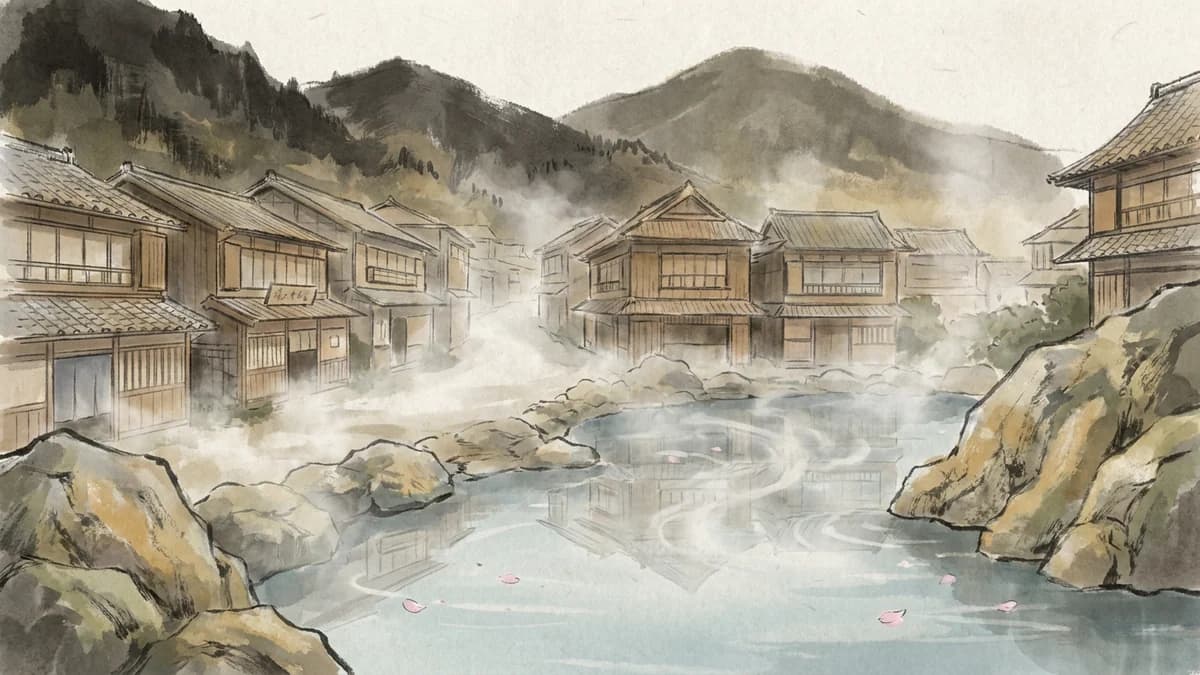
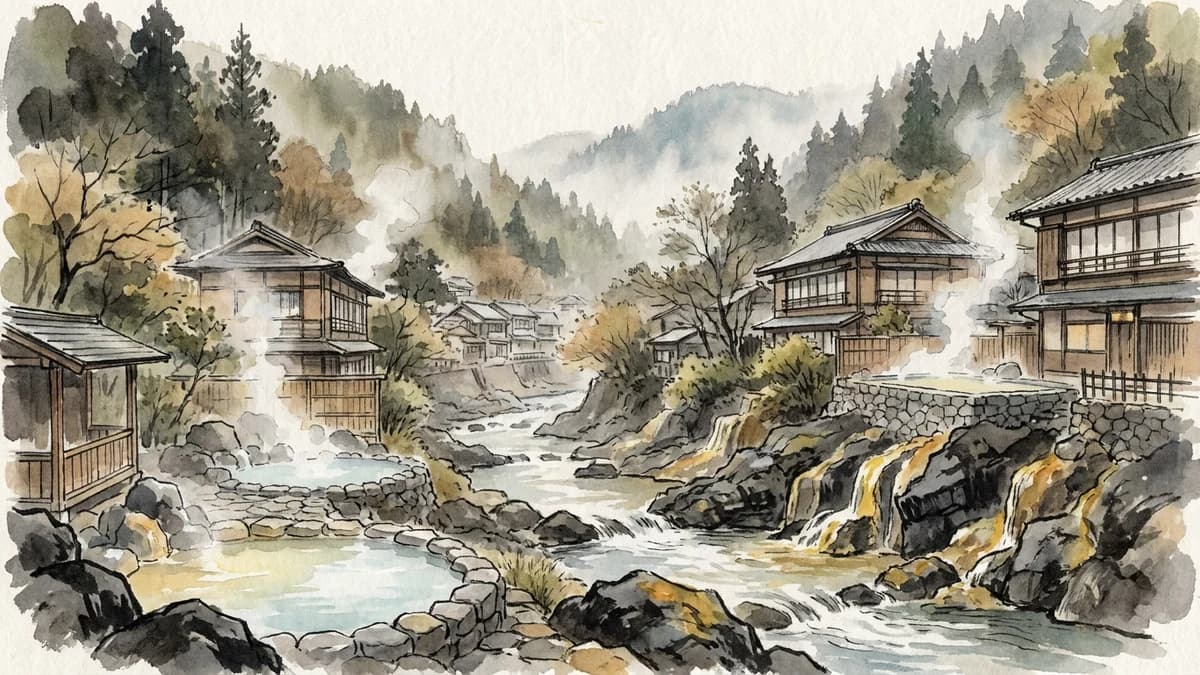
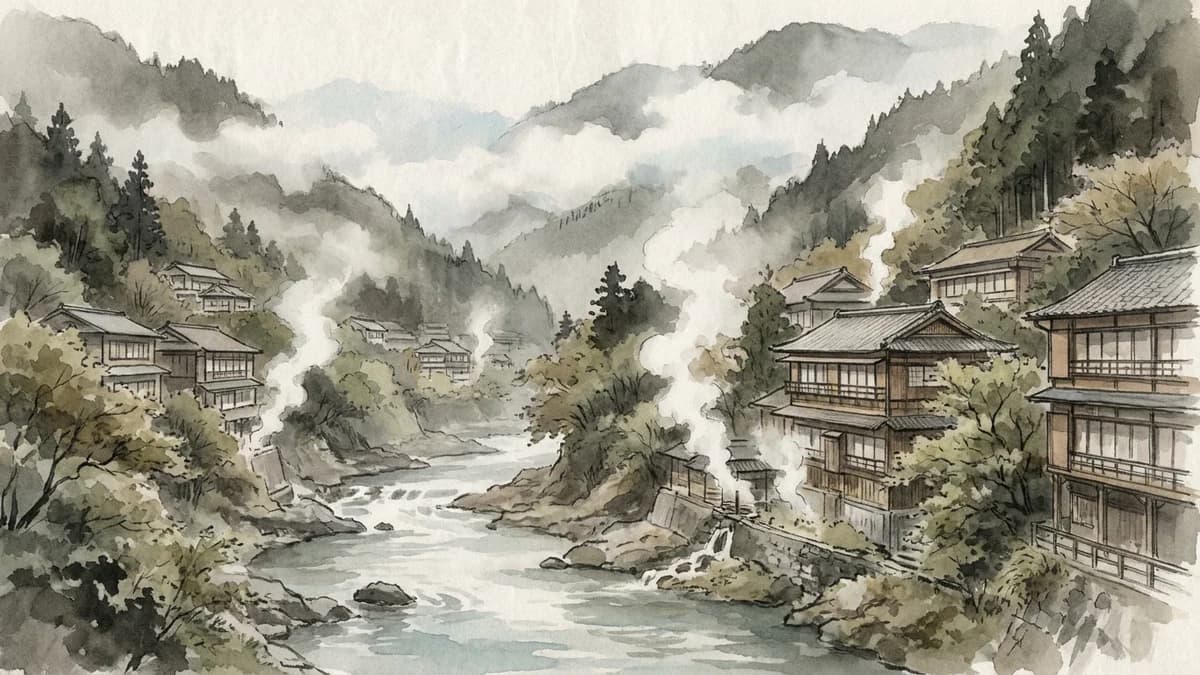
Aso Uchinomaki Onsen is one of Kumamoto Prefecture's largest hot spring resorts, located inside the Aso Caldera. It is famously known as the setting for the novel "The 210th Day" by the great writer Soseki Natsume and has been cherished by many for generations. Its exact origins are unknown, but it is said to have flourished as a therapeutic spa since the Meiji era.
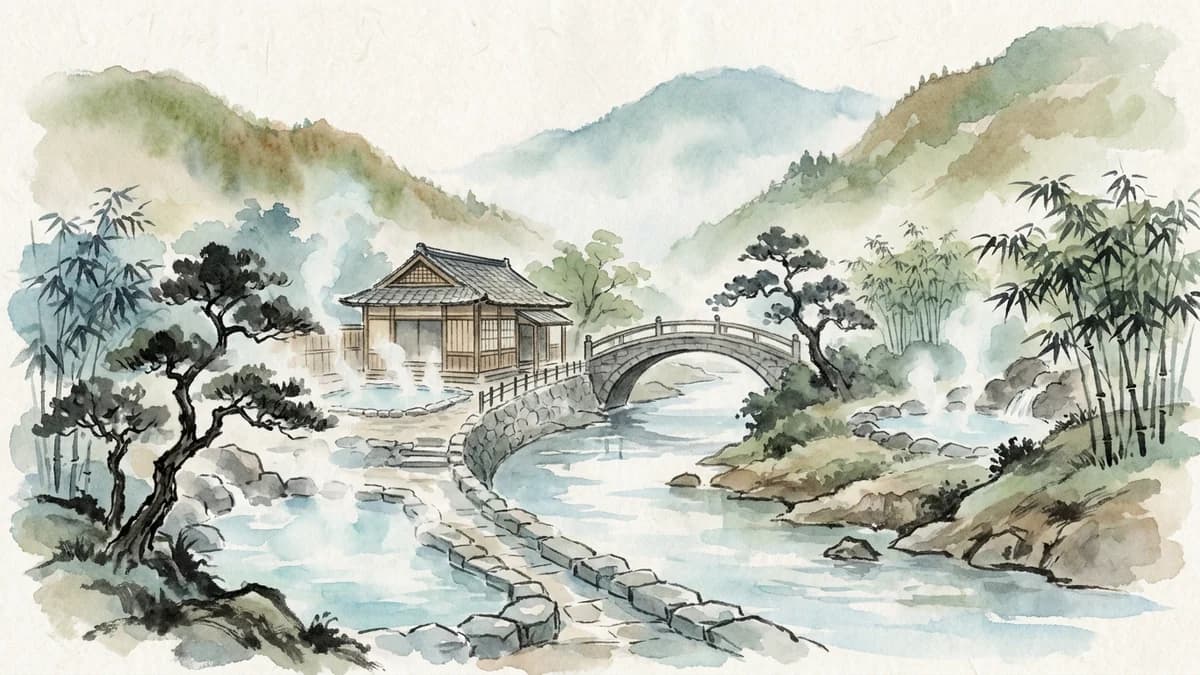
Its most prominent feature is the sheer number of hot spring sources. With over 80 sources scattered throughout the area, each facility and ryokan offers different water qualities and colors, making onsen-hopping a special delight. The town has seven public bathhouses called "Machiyu," where interacting with locals adds to the travel experience. The affordability, with admission starting from just 100 yen, makes it easy to enjoy a variety of springs.
Representative Spring Types and Benefits
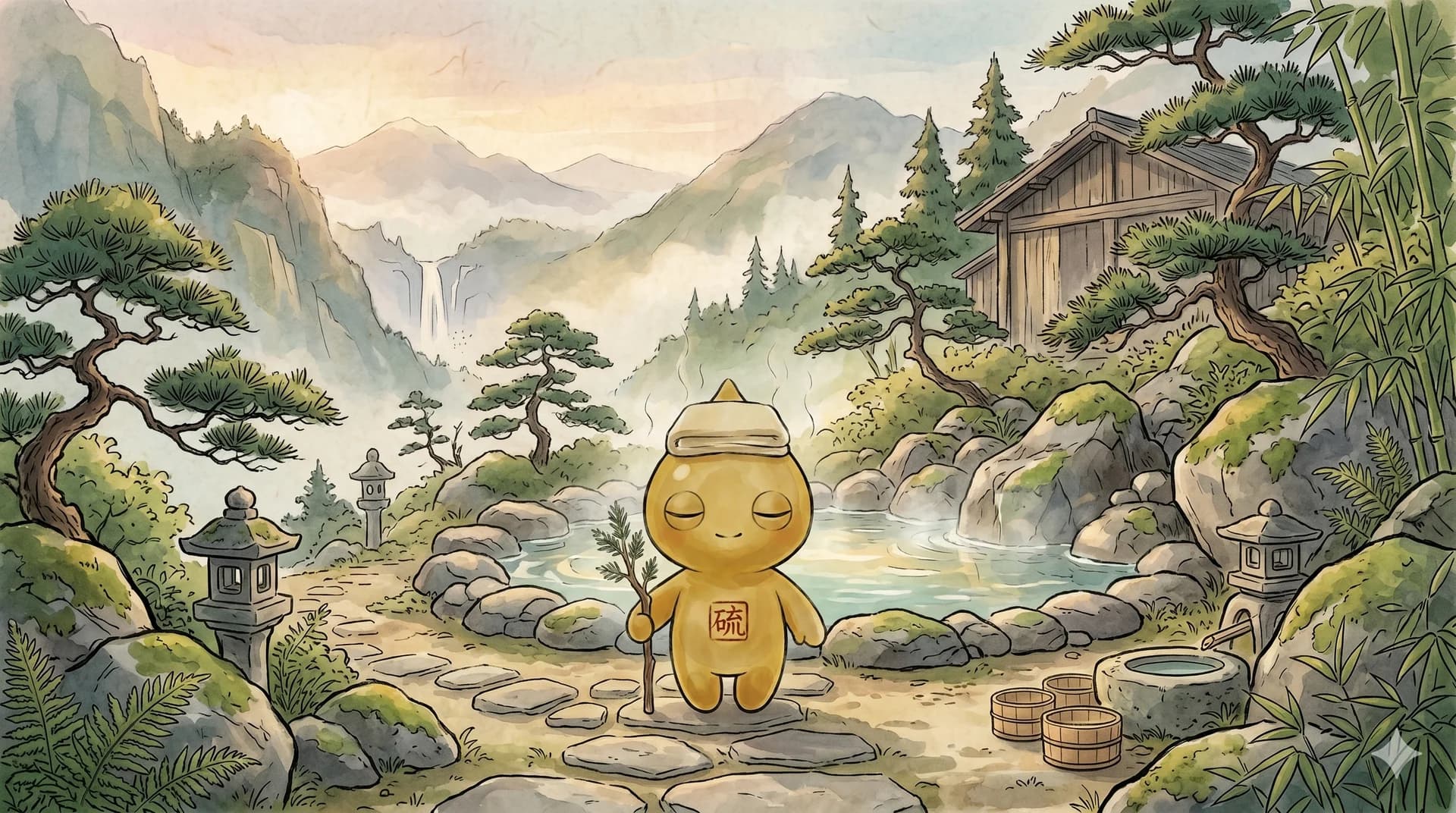
While the spring quality varies by source, Aso Uchinomaki is primarily known for its "Sulfate springs" and "Simple thermal springs." Sulfate springs are recommended for those with cuts or joint pain, as they are believed to improve circulation and relieve pain. Simple thermal springs are gentle on the skin, suitable for everyone from children to the elderly, and promote deep relaxation.
- Rheumatoid arthritis
- CutsThe sulfate-rich waters are traditionally known as "kizu no yu," or "water for wounds." Soaking in these springs is said to promote better blood circulation, which can aid the natural healing process for minor cuts and abrasions.
- Peripheral circulatory disorders
- Sensitivity to coldOften linked to poor circulation, this condition causes a persistent feeling of coldness, especially in the hands and feet. By helping to improve blood flow, the onsen's waters may provide a deep, lasting warmth and offer relief.
- Dry skinThe sulfate spring water is said to have a moisturizing effect, helping to hydrate the skin. The soft, gentle quality of the water can soothe dryness and leave the skin feeling more supple and moisturized after bathing.
- Autonomic instability
- Insomnia
Water Characteristics & Best Season
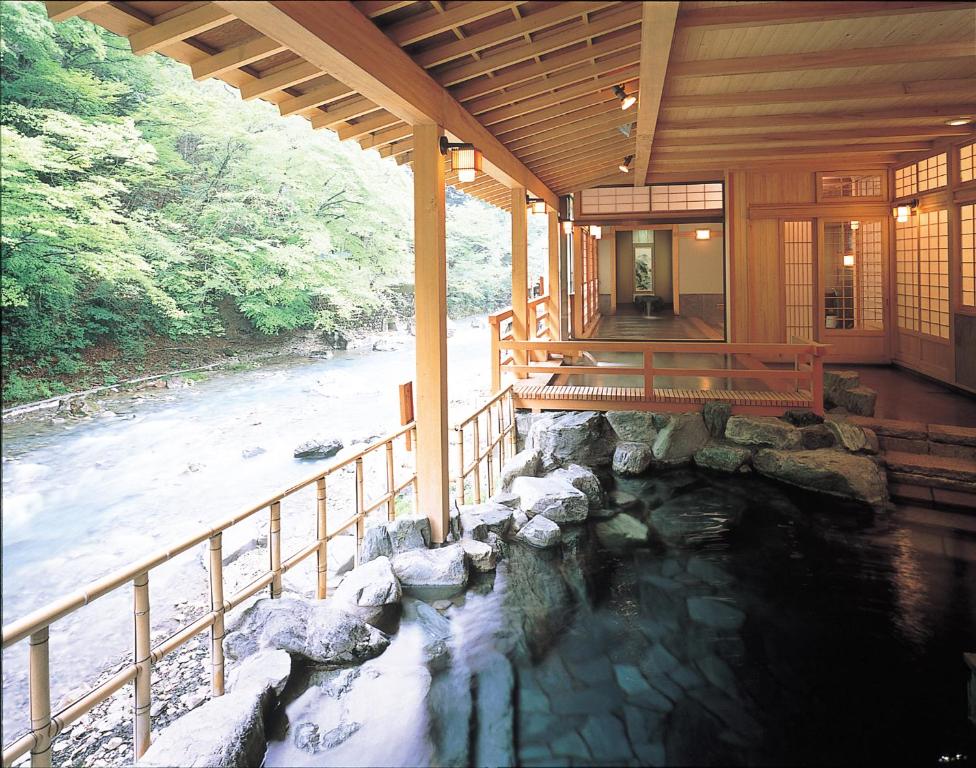
The source temperatures are relatively high, ranging from 40°C to 50°C (104°F to 122°F). Thanks to the abundant water volume, many facilities offer fresh, free-flowing hot spring water known as gensen kakenagashi. While most waters are clear and colorless, some have a bluish tint or contain white mineral deposits (yunohana), adding a visual appeal. Some sources are even potable, allowing you to enjoy the onsen's benefits from the inside out.
You can enjoy the onsen year-round, but spring and autumn are particularly recommended. In spring, the Miyama Kirishima azaleas are in full bloom, and in autumn, the entire caldera is painted with stunning fall colors. Bathing while surrounded by the magnificent nature of Aso is an exceptional experience.
Access
Nearby Attractions & Local Cuisine
- Mount Aso Nakadake Crater: Experience the power of an active volcano up close.
- Kusasenri-ga-hama: A beautiful landscape of vast grasslands and ponds.
- Daikanbo Lookout: A scenic spot offering a panoramic view of the Aso Caldera.
- Aso Shrine: A historic shrine with a history of over 2,000 years.
- Akaushi-don: A famous rice bowl topped with Aso's brand of red beef.
- Takana-meshi: A local dish of rice mixed with pickled mustard greens, an Aso specialty.
- Basashi: Fresh horse meat sashimi, a representative dish of Kumamoto.
MORE WITH THE SAME SPRING TYPE
Loved the Sulphate Spring of Aso Uchinomaki Onsen? Try these too
Picked from onsen across Japan where you can enjoy the same Sulphate Spring.



Q & A
Frequently Asked Questions
Tap any question to expand the answer
Can I narrow down to only inns with a hot-spring analysis in Aso Uchinomaki Onsen?
Can I find tattoo-friendly inns with private baths or in-room open-air baths in Aso Uchinomaki Onsen?
Onsen towns are often rural with patchy Wi-Fi and limited public transport. Sort out data, tours and a car before you go.
- Japan eSIMAiralo
- Japan eSIMYesim
- Tours, passes & transfersGetYourGuide
- Tours, passes & transfersKKday
- Car rentalDiscover Cars
Includes affiliate links
References
Famous Onsen Areas with Sulphate Spring
Check access and tourist information on each onsen area column
Related Articles