Spring types indicated for chronic pain
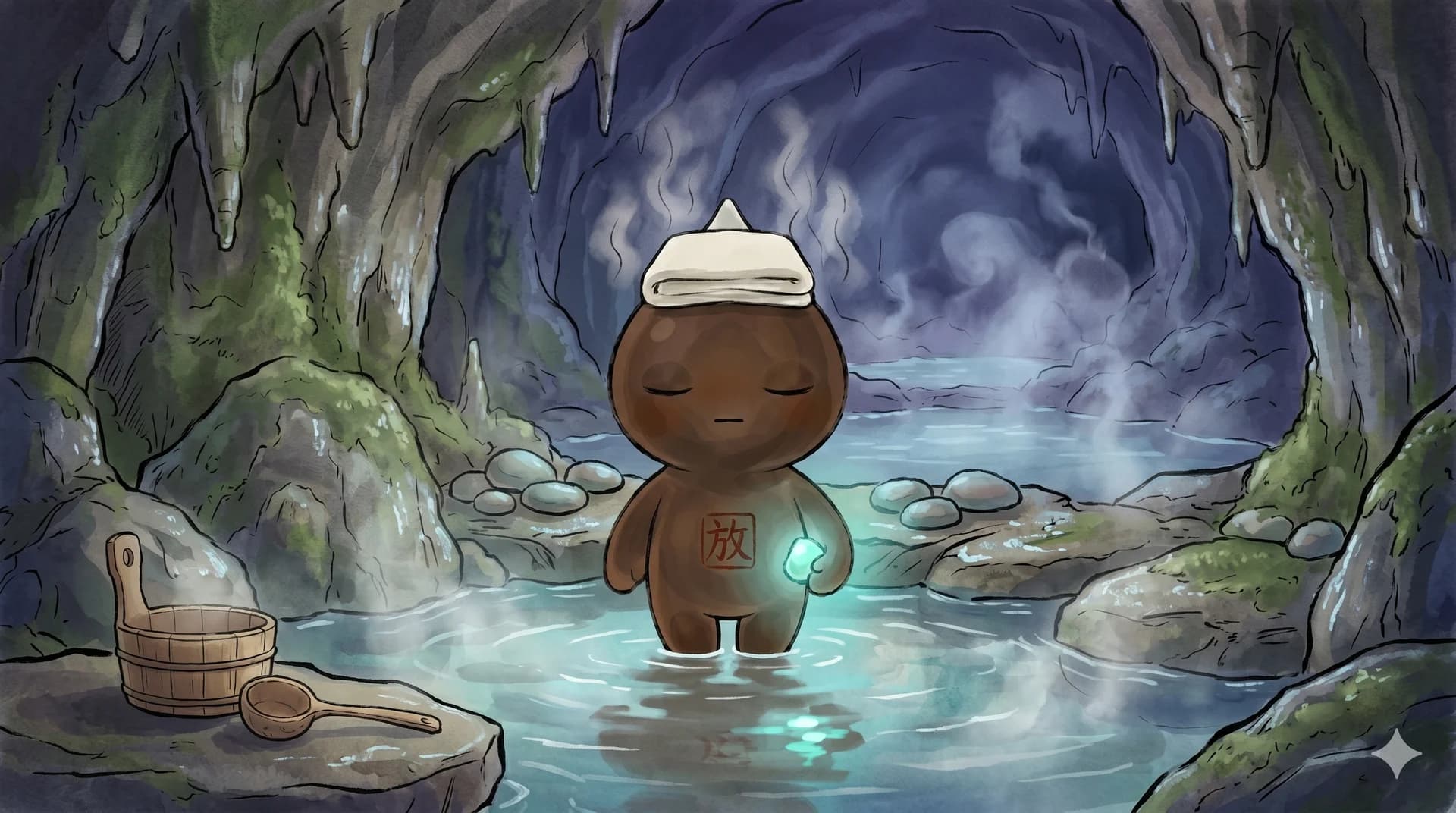
Specific indications for rheumatoid arthritis and gout. The hormesis effect (low-dose radiation stimulation of cellular defence) is thought to suppress inflammation
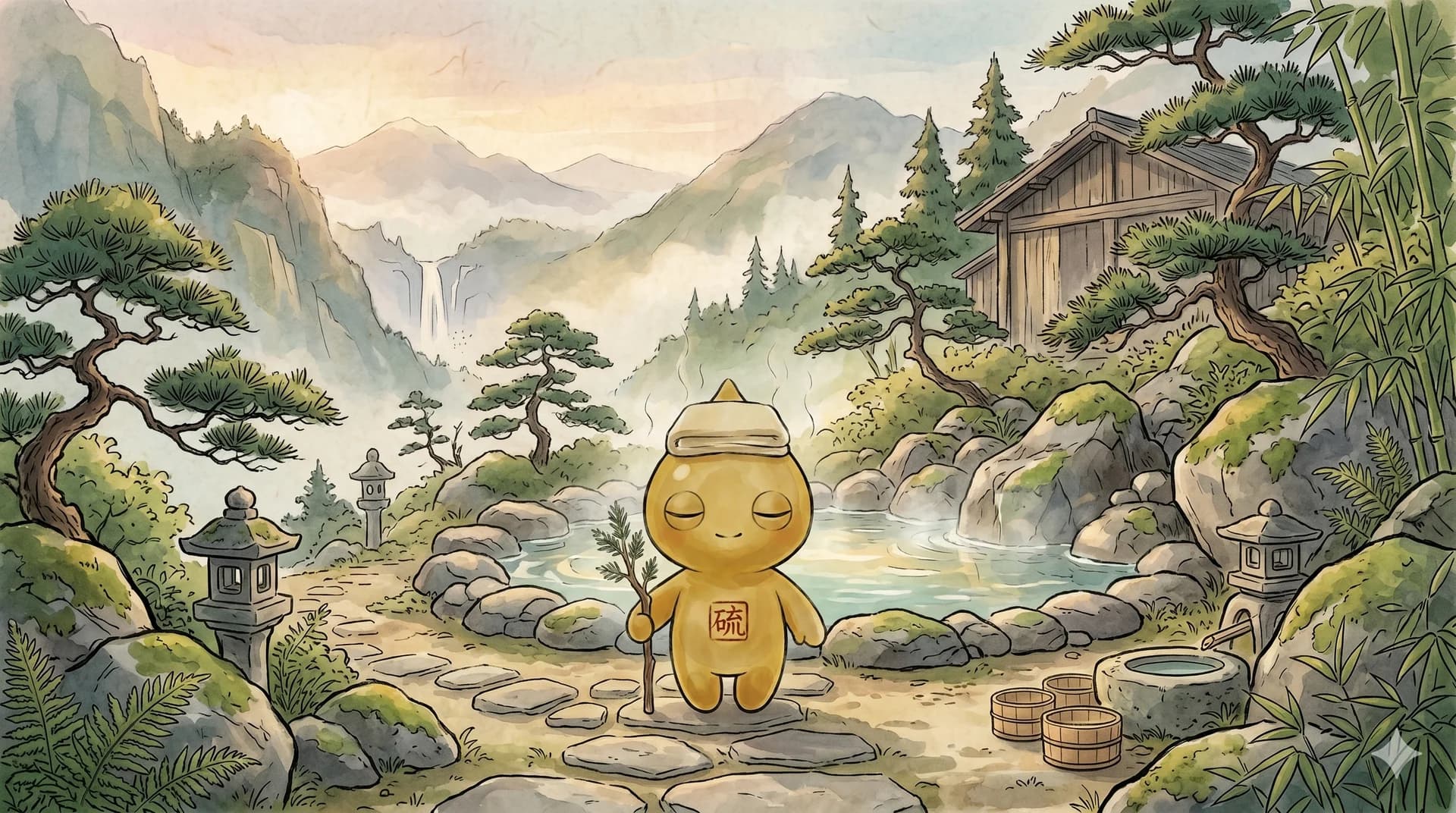
Known as the "wound spring" — said to promote blood flow and loosen stiffness
Said to promote circulation
Strong heat retention that is said to prevent post-bath chill
Onsen minerals involved in joint pain
The star of radioactive springs — its hormesis effect is studied for anti-inflammatory action.
The core of the "wound spring" — said to promote blood flow and loosen stiffness.
How hot springs are thought to affect joint pain and neuralgia
The heat of a hot spring is thought to dilate vessels at the affected site, raising blood flow that flushes away pain-triggering substances while loosening stiff muscles. In the water, buoyancy reduces load on the joints and hydrostatic pressure acts like a pump to aid blood and lymph circulation. On top of this, radon in radioactive springs is studied for anti-inflammatory action via the hormesis effect, and sulfate springs are thought to ease stiffness through improved circulation.
Filter on the map & mineral viewer
Filter by the relevant spring types and find onsen you like from the map or list. Compare analysis details with the mineral viewer.
How to bathe safely with joint conditions
- Avoid bathing during acute inflammation (significant swelling and heat in the joint)Bathing is only recommended for chronic joint pain, not acute flare-ups. If a joint is actively swollen, hot to the touch, and painful, onsen bathing is contraindicated as it may worsen the inflammation. Wait until this acute phase subsides.
- Water temperature 40–41°C — avoid hot springs above 42°C near inflamed jointsA moderate temperature of 40–41°C is ideal for soothing joints. Water that is too hot (above 42°C) can potentially aggravate inflammation and increase pain in the affected area. Always test the water temperature before fully immersing yourself.
- Use buoyancy to perform gentle range-of-motion exercises in the water (aquatic therapy)The water's natural buoyancy supports your body, reducing the load and stress on painful joints. This allows you to perform slow, gentle movements and stretches that might be difficult on land, effectively turning your bath into a gentle rehabilitation session.
- Move the affected joint slowly after bathing to maintain circulationTo keep the warmth of your bath, perform some slow and gentle movements with the affected joint after you get out. This helps you stay warm and loose as your body cools.
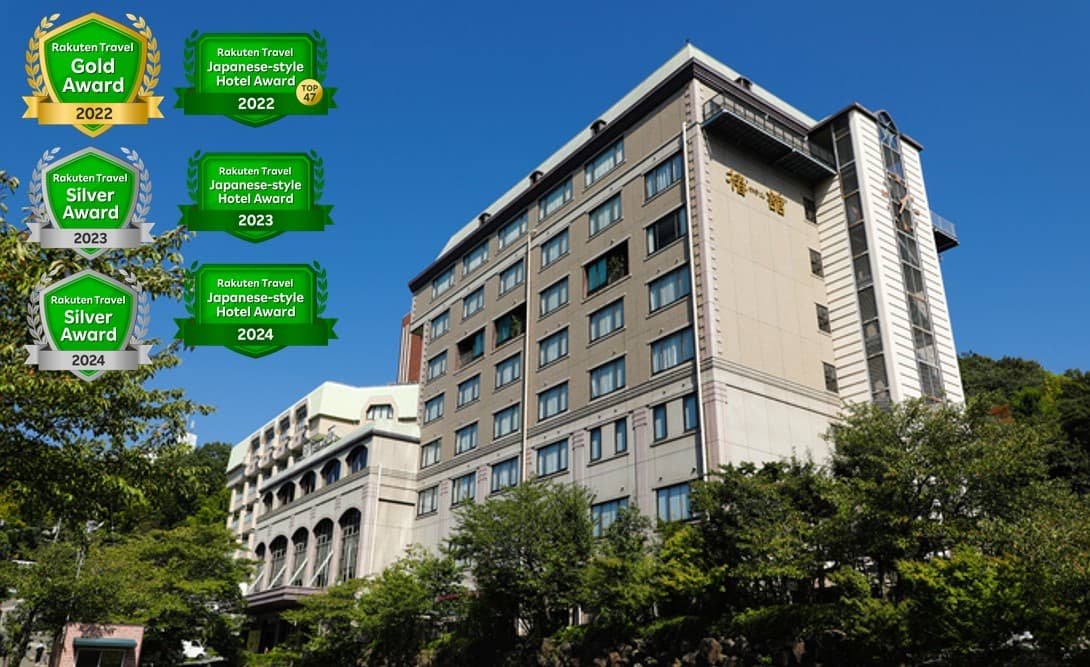
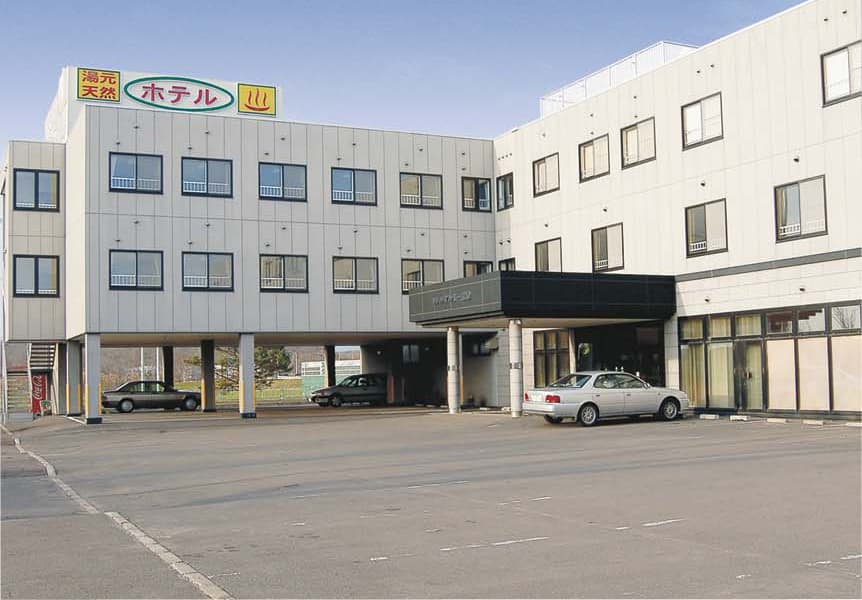
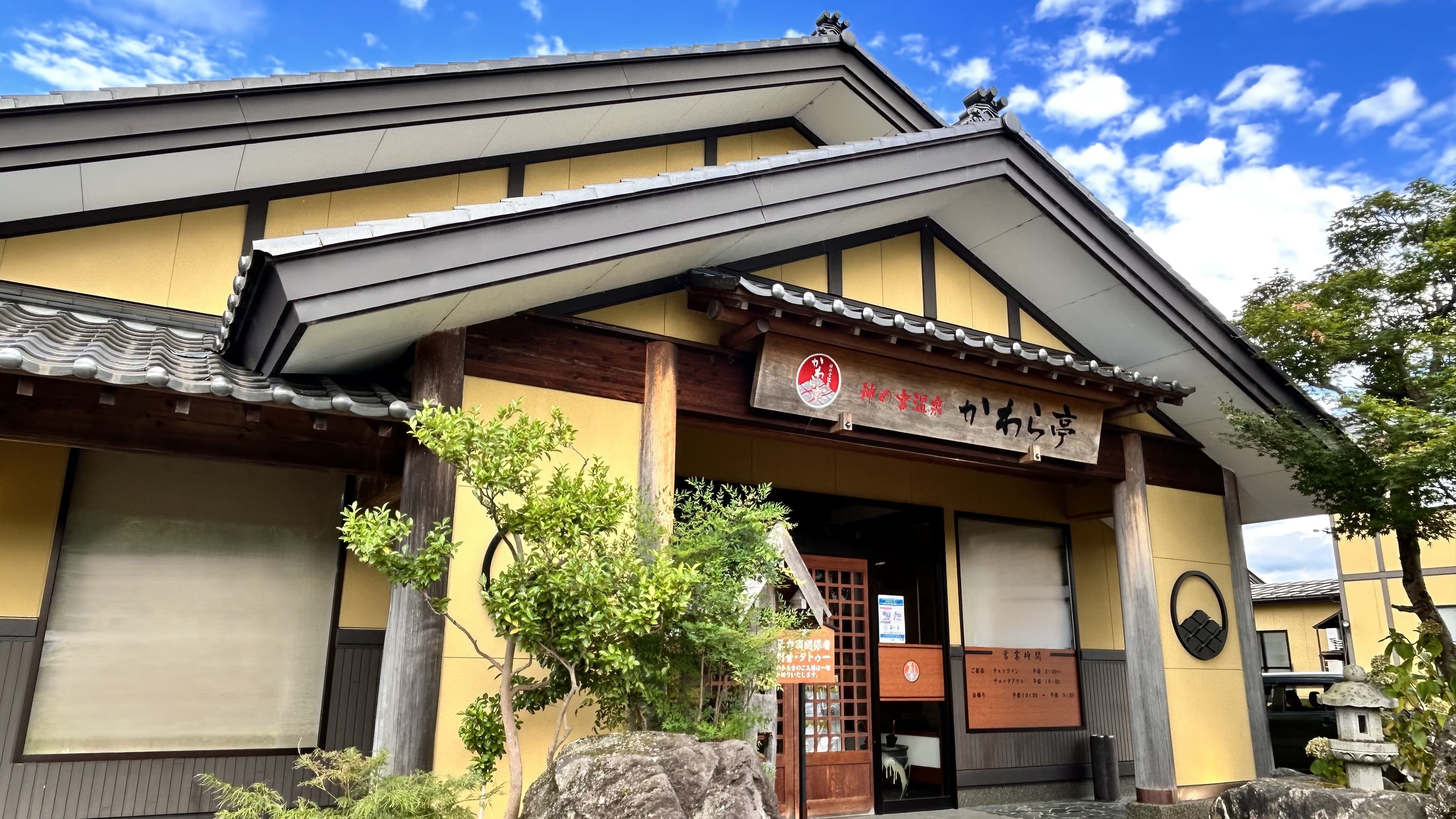
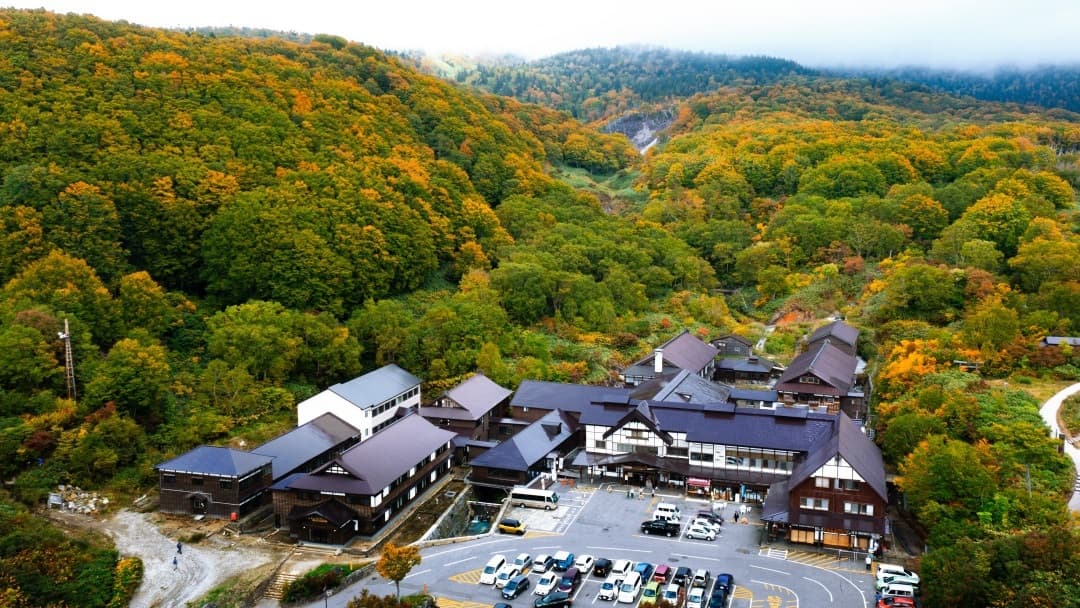
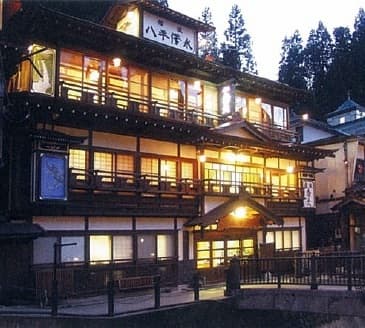
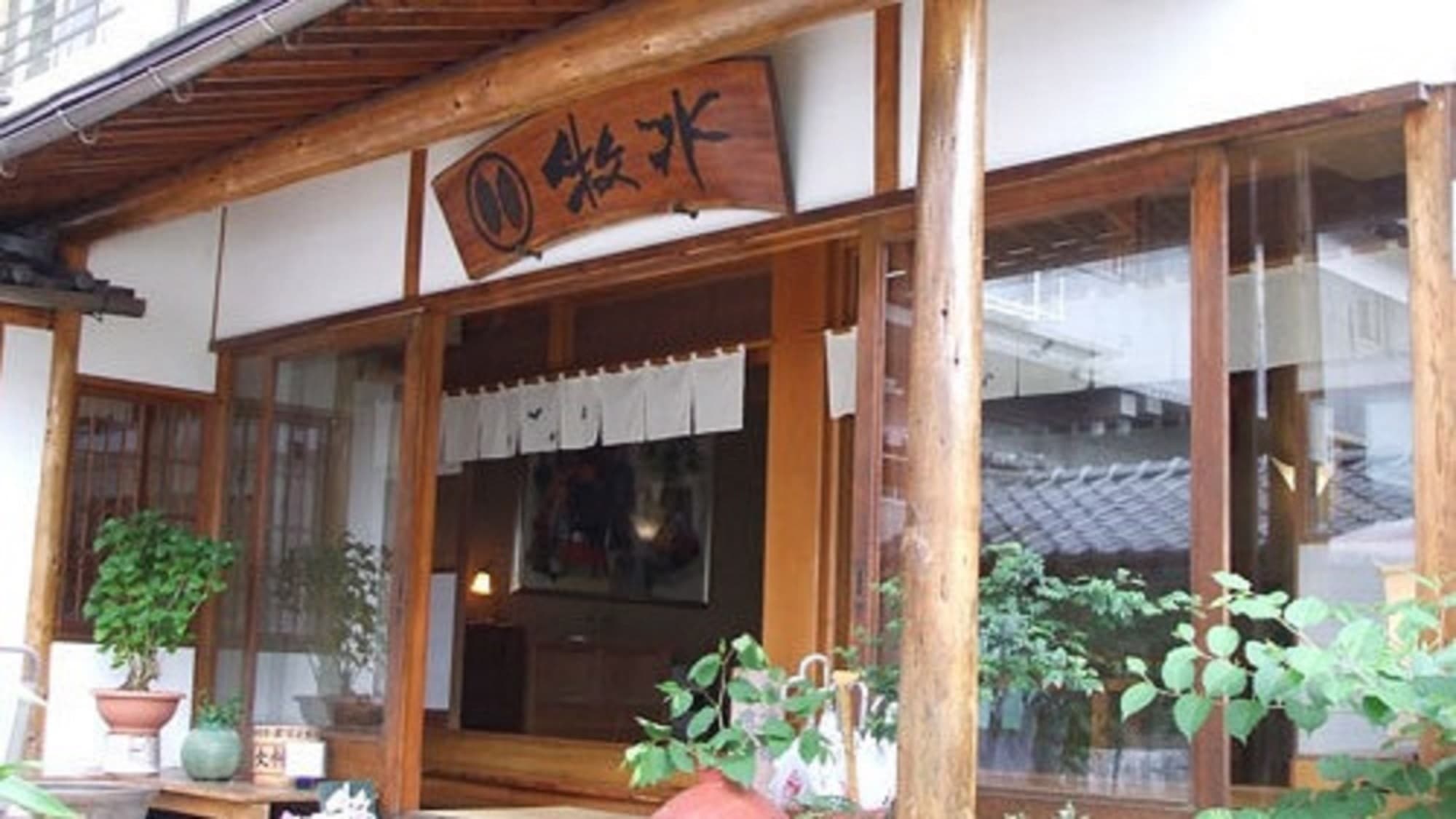
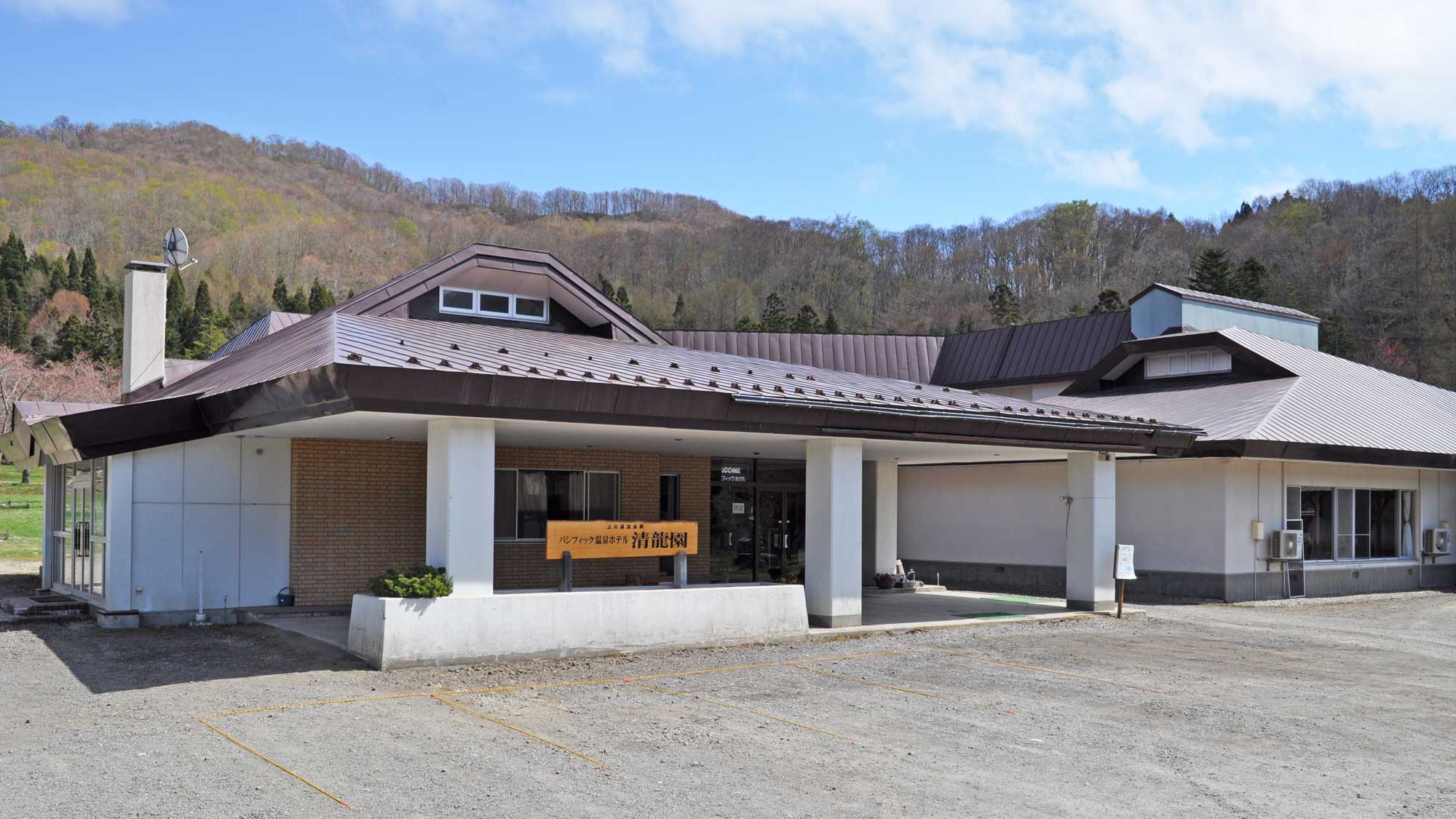
Related Onsen Facilities





















INTERACTIVE TOOLS
Tools available only on this site
Rank the best onsen for your symptom
Rank onsens whose spring types are indicated for Joint Pain and Muscle Pain using analysis-sheet data, then jump straight to booking sites by area.
See ranked picks →Filter qualifying onsens on the interactive map
Plot only hot springs with spring types indicated for Joint Pain and Muscle Pain on a nationwide map. Secondary filters available for distance and lodging category.
Open on map →Quick path from onsen pages to booking sites
From related onsen pages indicated for Joint Pain and Muscle Pain, jump to Agoda, Rakuten Travel, Booking.com, and other booking sites in a single click.
View related onsens →Visualize chemical basis with real numbers (pH, minerals, temperature)
Filter spring types indicated for Joint Pain and Muscle Pain on /explore, then refine by pH, temperature, and natural-flow status. Make decisions on actual measurements (metasilicic mg/kg, pH, temperature) — not AI-generated approximations.
Refine by real data →* Booking links on each onsen page (Agoda, Rakuten Travel, Booking.com, etc.) contain affiliate links. Please check each booking site for the latest terms and pricing.
Choose a ryokan by how you bathe
Onsen towns are often rural with patchy Wi-Fi and limited public transport. Sort out data, tours and a car before you go.
- Japan eSIMAiralo
- Japan eSIMYesim
- Tours, passes & transfersGetYourGuide
- Tours, passes & transfersKKday
- Car rentalDiscover Cars
Includes affiliate links
References
Explore Spring Types for This Condition
Related Articles