Oga Onsen-go is known for its Chloride Spring; listed indications for this spring type include Skin Beauty, Wound Healing. Choose from 1 inns with a hot-spring analysis on file, filtering by spring type, benefits and amenities, and book directly.
See inns in Oga Onsen-goOn this page you can filter Oga Onsen-go inns by spring type, benefits, tattoo-friendly, private bath and in-room open-air bath, and book on each property's Agoda or Rakuten page.
Compare & book inns in Oga Onsen-go

Awaiting analysis(2)
Overview
The history of Oga Onsen-go is ancient, with legends tracing its discovery back to the 8th century during the eastern campaigns of Sakanoue no Tamuramaro. The area is surrounded by a unique landscape of maars (volcanic craters), such as Ninomegata and Ichinomegata, creating a powerful, natural setting for the hot spring village.
An essential part of this region's identity is the 'Namahage,' divine messengers who visit homes on New Year's Eve. Many inns in the onsen village offer experiences where staff dressed as Namahage make an appearance, or you can watch powerful 'Namahage Taiko' drum performances. This allows visitors to deeply engage with Oga's traditional culture alongside its hot springs, especially during the famous Namahage Sedo Festival in winter.
Primary Spring Quality and Benefits
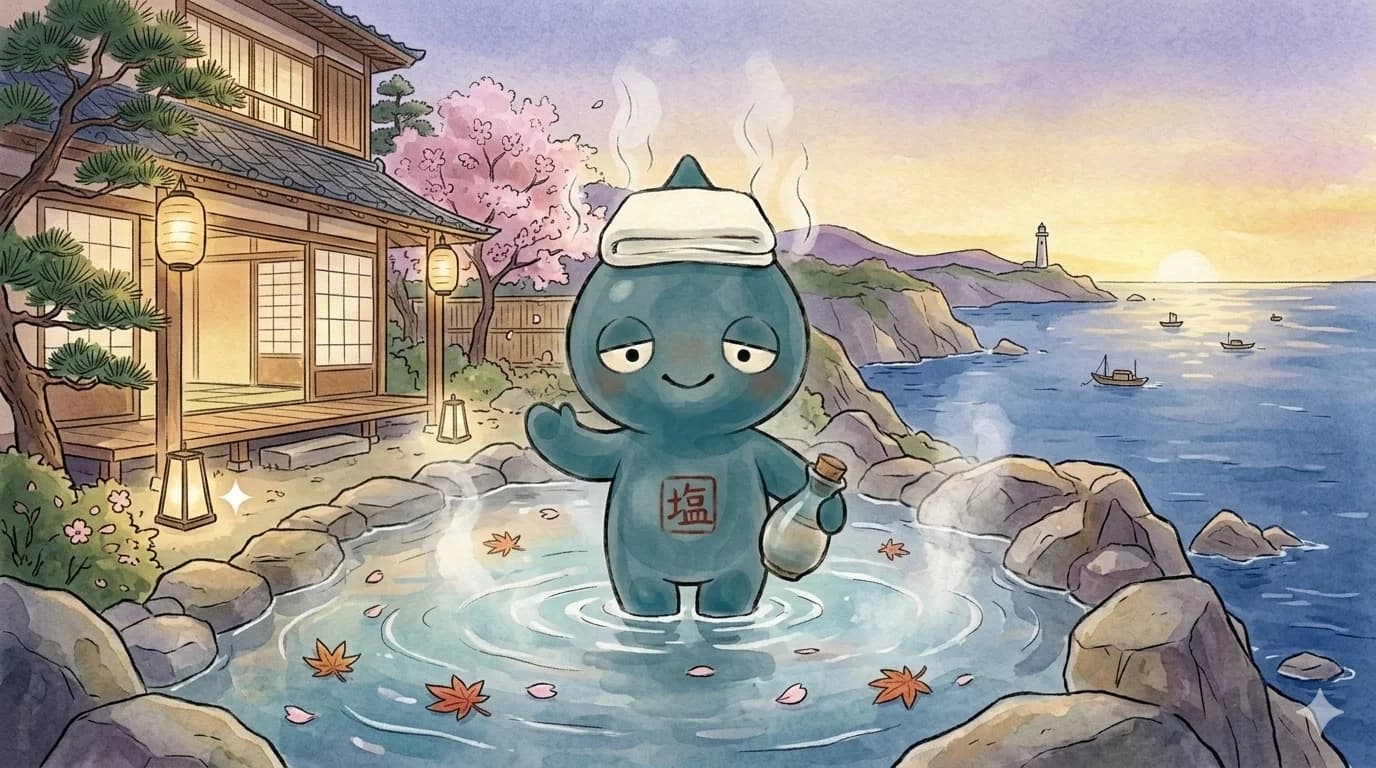
The main spring type is Sodium-Chloride. Similar to seawater, its salt content coats the skin, preventing sweat from evaporating and thus providing a high heat-retention effect. This is why it's known as 'Atsu-no-yu' (the warming bath), as it keeps you warm long after you get out.
- CutsThe high salt content in this chloride spring is believed to have a cleansing effect on minor cuts and scrapes. The minerals form a thin film on the skin that may help protect the area, and cuts are listed among the indications for chloride springs.
- Poor peripheral circulation
- Sensitivity to coldThe water is known for its ability to prevent post-bath chills, and sensitivity to cold is listed among the indications for chloride springs. The salt that adheres to the skin provides a lasting, deep-seated warmth.
- Dry skinDry skin is listed among the indications for chloride springs. The salt components in the water form a thin "veil" on the skin's surface, which helps to lock in moisture and prevent the skin from drying out after your bath, leaving it feeling hydrated.
- Rheumatoid arthritis
- Reduced gastrointestinal function
Water Characteristics and Best Season to Visit
The source temperature is relatively high at around 50°C (122°F), and while some facilities add cool water to adjust the temperature, many inns offer baths fed directly from the source (gensen kakenagashi). The water is salty enough to taste, and it thoroughly warms you to the core.
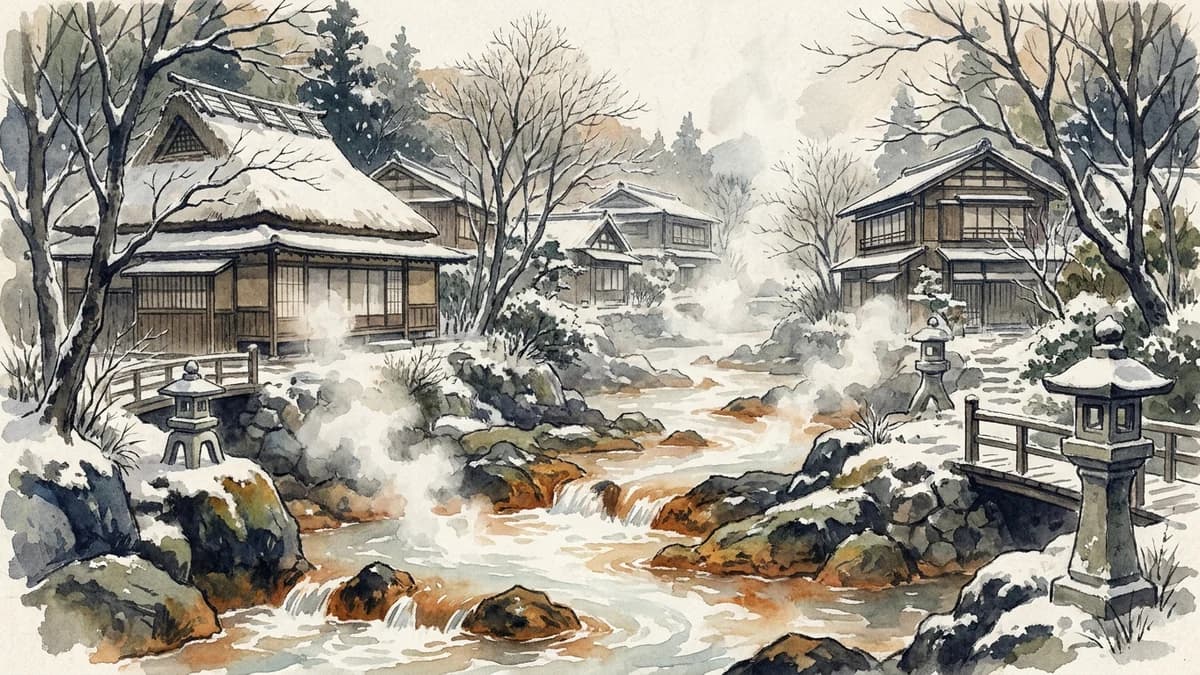
Oga Onsen-go can be enjoyed year-round, but the period from summer to autumn, when the sunsets over the Sea of Japan are most beautiful, is highly recommended. Winter also offers a special experience, allowing you to soak in the hot springs while admiring the snowy landscape and participating in Namahage events. A dip in the 'warming bath' amidst the harsh cold provides deep comfort for both mind and body.
Access
Nearby Sightseeing and Local Cuisine
- Namahage Museum & Oga Shinzan Folklore Museum
- Sunset at Cape Nyudo
- Oga Aquarium GAO
- Godzilla Rock
- Mt. Kanpu Revolving Observatory
- Shottsuru-nabe (fish sauce hot pot)
- Hatahata (sandfish) dishes
- Ishiyaki-ryori (stone-grill cooking)
MORE WITH THE SAME SPRING TYPE
Loved the Chloride Spring of Oga Onsen-go? Try these too
Picked from onsen across Japan where you can enjoy the same Chloride Spring.




Q & A
Frequently Asked Questions
Tap any question to expand the answer
Can I narrow down to only inns with a hot-spring analysis in Oga Onsen-go?
Can I find tattoo-friendly inns with private baths or in-room open-air baths in Oga Onsen-go?
Onsen towns are often rural with patchy Wi-Fi and limited public transport. Sort out data, tours and a car before you go.
- Japan eSIMAiralo
- Japan eSIMYesim
- Tours, passes & transfersGetYourGuide
- Tours, passes & transfersKKday
- Car rentalDiscover Cars
Includes affiliate links
References
Famous Onsen Areas with Chloride Spring
Check access and tourist information on each onsen area column
Related Articles