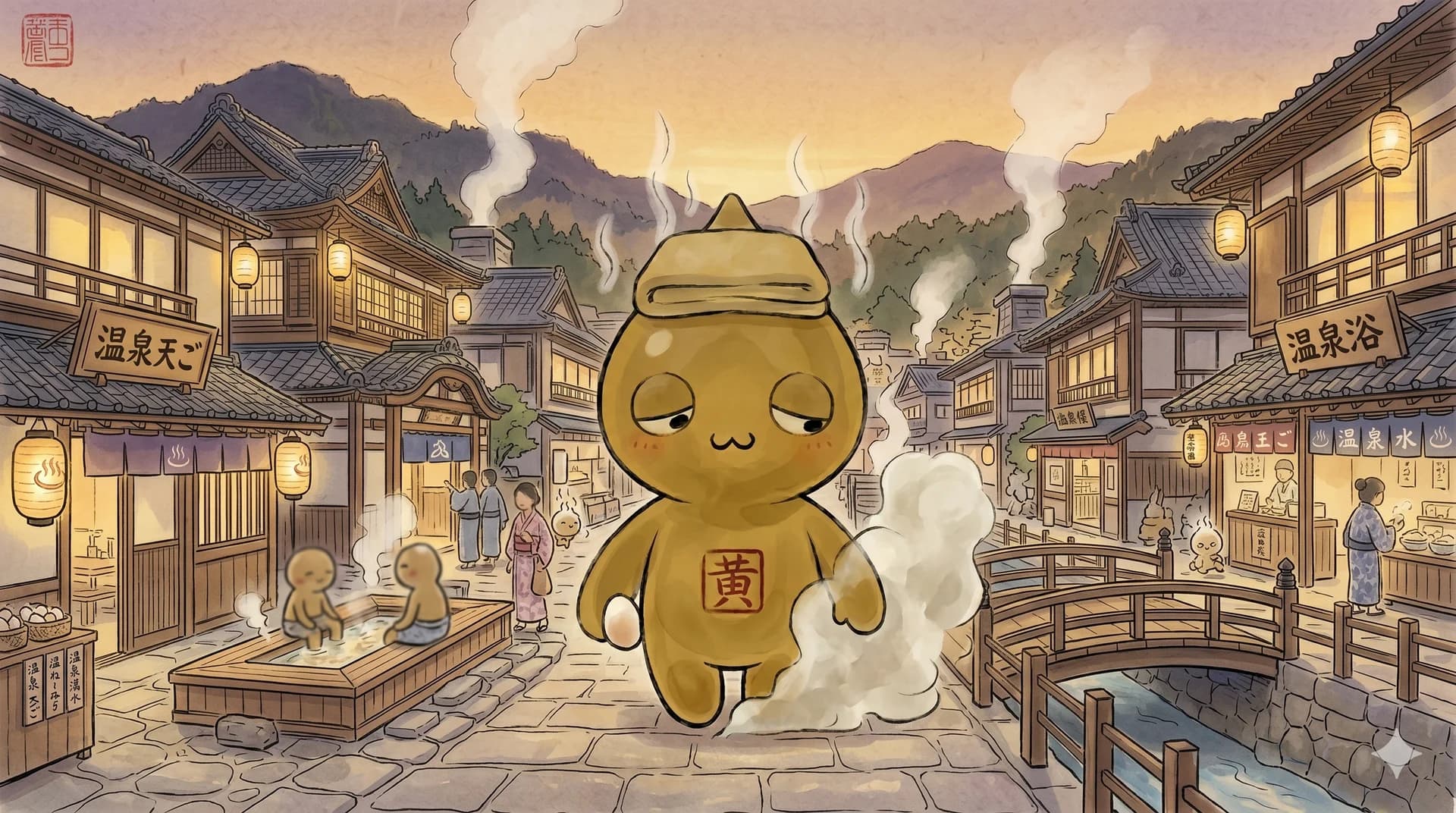
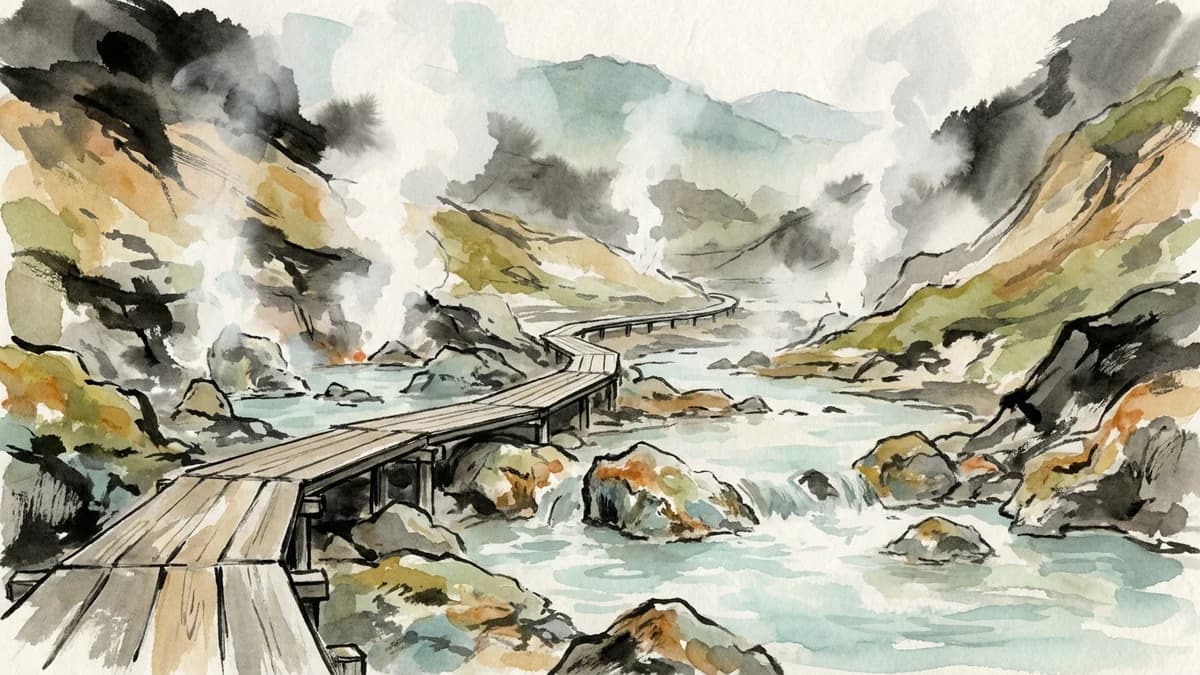
Nyuto Onsen-go is known for its Sulfur Spring; listed indications for this spring type include Dry Skin / Atopy, Asthma. Choose from 5 inns with a hot-spring analysis on file, filtering by spring type, benefits and amenities, and book directly.
See inns in Nyuto Onsen-goOn this page you can filter Nyuto Onsen-go inns by spring type, benefits, tattoo-friendly, private bath and in-room open-air bath, and book on each property's Agoda or Rakuten page.
Compare & book inns in Nyuto Onsen-go


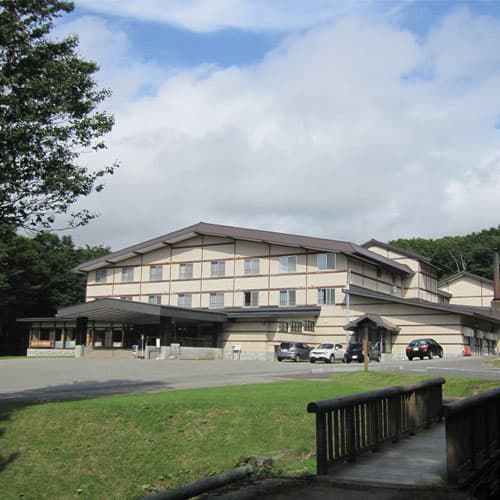

Awaiting analysis(3)
Overview
Nyuto Onsen-go is the collective name for a group of hot springs located at the foot of Mt. Nyuto in Towada-Hachimantai National Park, Semboku City, Akita Prefecture. Seven hot spring inns—Tsurunoyu, Taenoyu, Kaniba, Oogama, Magoroku, Kuroyu, and Kyukamura Nyuto Onsen-go—are scattered like hidden gems within the primeval beech forest. The area has a long history, with the oldest, Tsurunoyu, recorded as a therapeutic spa for the lord of the Akita domain during the Edo period.
The greatest feature of this onsen village is its diversity. Each of the seven inns has its own source spring, with more than 10 different types of spring water gushing forth in one area. The waters vary in color and therapeutic benefits, from the milky-white sulfur springs to brown iron-rich springs and clear simple springs. Visitors, including both overnight guests and day-trippers, can use a 'Yumeguri-cho' pass to hop between these unique baths. The open-air baths in the deep snow of winter are particularly magical, attracting many tourists from Japan and abroad.
Signature Spring Types and Indications
Nyuto Onsen-go is so rich in variety that it's often called a 'department store of spring qualities.' The milky-white sulfur spring at Tsurunoyu is particularly famous as a 'beauty bath,' believed to help remove old skin cells and prevent blemishes. The chloride springs are known for their restorative warmth that heats the body to the core, while bicarbonate springs are expected to leave the skin feeling smooth.
- Atopic dermatitisThe sulfur springs, a signature of Nyuto Onsen-kyo, are traditionally associated with chronic skin conditions, and atopic dermatitis is listed among the indications for sulfur springs.
- Dry skinThe varied mineral content in Nyuto's waters, particularly from bicarbonate springs, may help improve skin hydration. These minerals are said to moisturize the skin's surface, and dry skin is listed among the indications for bicarbonate springs.
- Poor circulationBathing in the hot, mineral-rich waters helps to warm the body from its core. Springs containing chloride and bicarbonate, present at Nyuto, are particularly known for improving blood flow and leaving a warming effect that lasts after the bath.
- CutsThe sulfur and other minerals found in the waters are said to have mild disinfectant properties. Soaking in these springs may help to gently cleanse minor cuts and abrasions, supporting the natural healing process.
- Diabetes
- Peripheral circulatory disorders
- Rheumatoid arthritis
Water Characteristics and Best Season to Visit
Most inns offer free-flowing hot spring water straight from the source, thanks to the abundant flow. The water color varies from milky-white and brownish to clear, and while the temperature differs by source, it is generally adjusted to a comfortable level. The area is beautiful year-round with changing seasonal landscapes—fresh green in spring, cool refuge in summer, and vibrant foliage in autumn. However, winter is especially popular. Soaking in an open-air bath while watching the snow fall is an exceptional, otherworldly experience.
Access
Nearby Sightseeing & Local Cuisine
- Lake Tazawa: The deepest lake in Japan, famous for its statue of Tatsuko and sightseeing boats.
- Kakunodate Samurai Residence Street: A historic district known as the 'Little Kyoto of Michinoku.'
- Dakigaeri Valley: A scenic spot with beautiful emerald-green streams and primeval forests.
- Mt. Akita-Komagatake: A treasure trove of alpine plants, popular with hikers in the summer.
- Kiritanpo Nabe: A signature hot pot dish of Akita, showcasing the region's famous rice.
- Inaniwa Udon: One of Japan's three famous types of udon noodles, known for its thin and smooth texture.
- Yama-no-imo Nabe: A specialty hot pot of Tsurunoyu Onsen, featuring mountain yam with a rich, savory flavor.
MORE WITH THE SAME SPRING TYPE
Loved the Sulphur Spring of Nyuto Onsen-go? Try these too
Picked from onsen across Japan where you can enjoy the same Sulphur Spring.

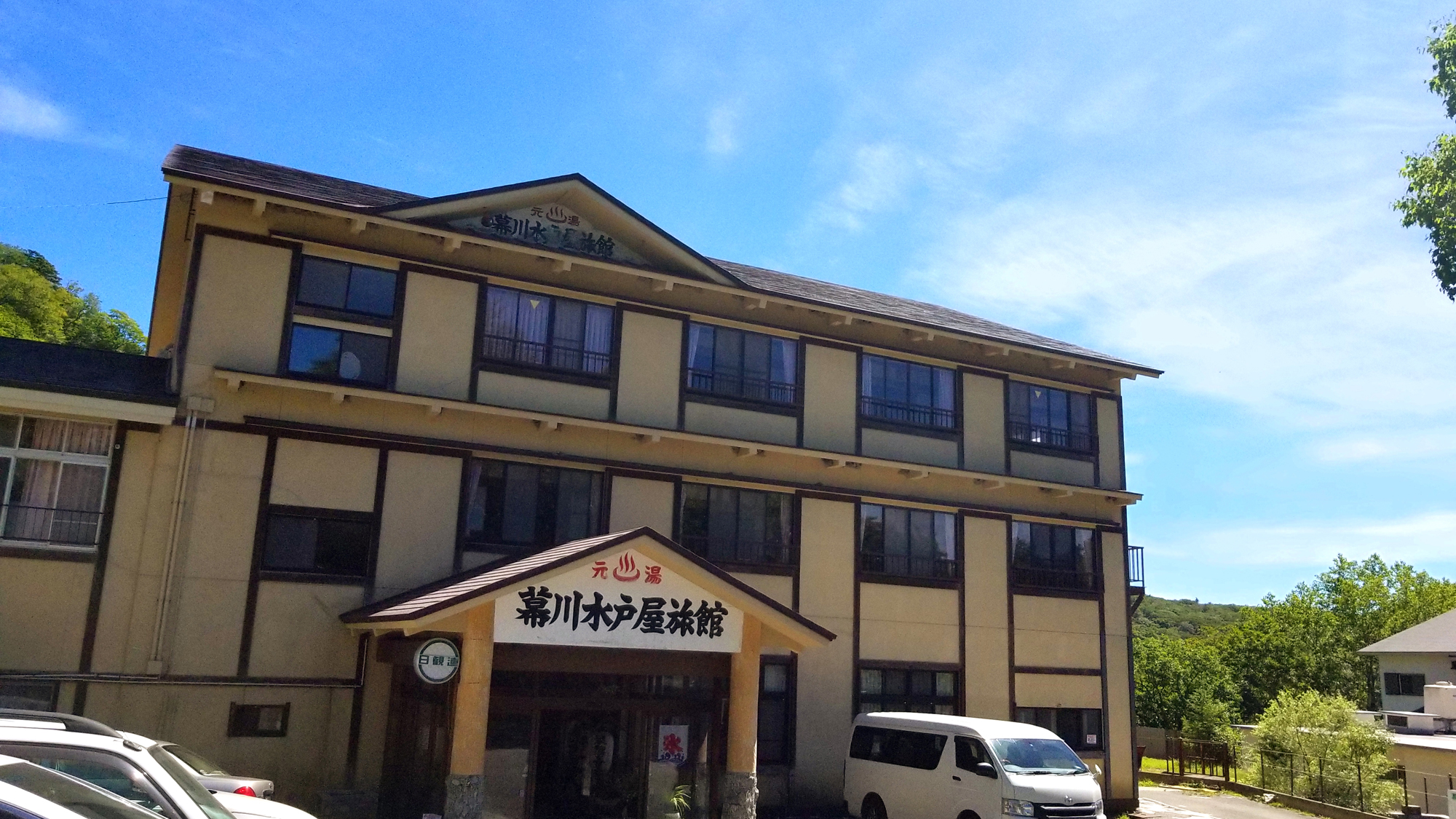

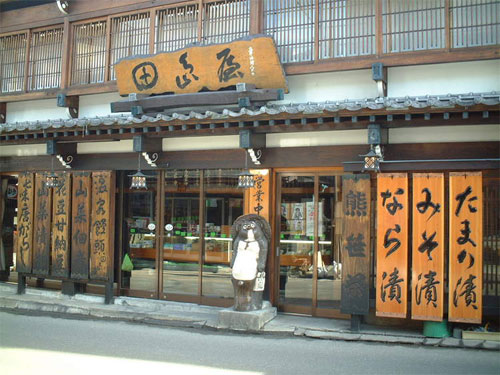


Q & A
Frequently Asked Questions
Tap any question to expand the answer
Can I narrow down to only inns with a hot-spring analysis in Nyuto Onsen-go?
Can I find tattoo-friendly inns with private baths or in-room open-air baths in Nyuto Onsen-go?
Onsen towns are often rural with patchy Wi-Fi and limited public transport. Sort out data, tours and a car before you go.
- Japan eSIMAiralo
- Japan eSIMYesim
- Tours, passes & transfersGetYourGuide
- Tours, passes & transfersKKday
- Car rentalDiscover Cars
Includes affiliate links
References
Famous Onsen Areas with Sulphur Spring
Check access and tourist information on each onsen area column
Related Articles